


China’s Inland Waterway Vessel Completes First Biomethane Bunkering
China’s inland waterway shipping sector has completed its first liquefied biomethane bunkering operation
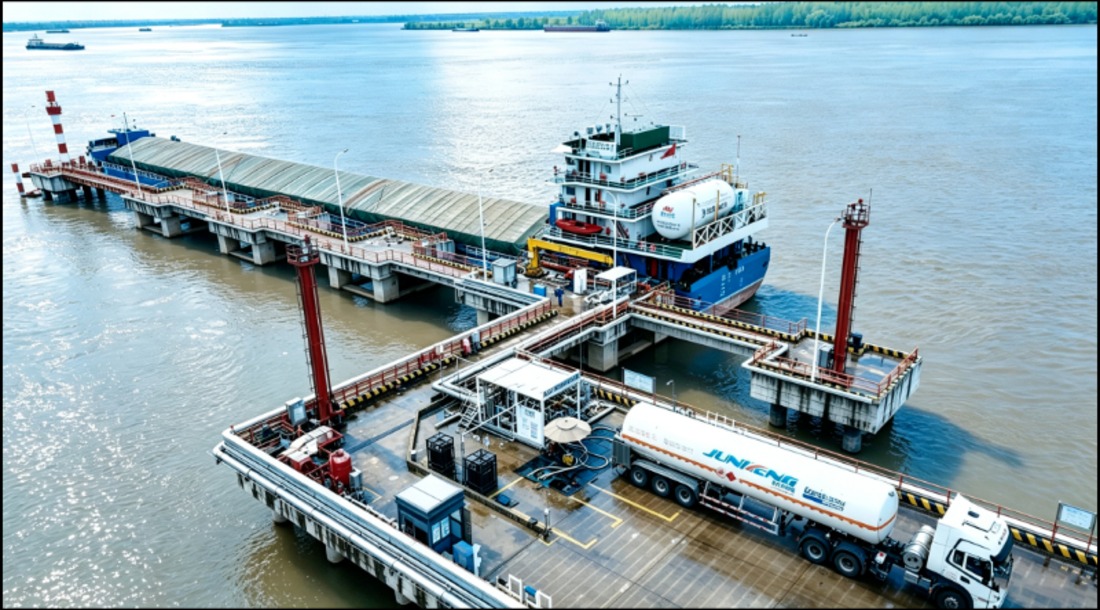

On 4 July, the first liquefied biomethane, or LBM, bunkering operation on the Yangtze River was completed at the Wuhu Yangtze River LNG inland receiving and transfer station. The vessel Kaixing 1307 successfully received the fuel, marking the first commercial waterborne biomethane bunkering operation for an inland waterway vessel in China.
The operation was jointly supported by Hefei Wanhao Energy Equipment Co., Ltd., China Marine Bunker (PetroChina) Co., Ltd. (CHIMBUSCO), and Huaihe Energy Gas Group Co., Ltd. The LBM used in the operation was supplied by the participating energy company. The project fills a gap in China’s inland waterway fuel supply system and provides a new practical case for low-carbon fuel application on the Yangtze River.
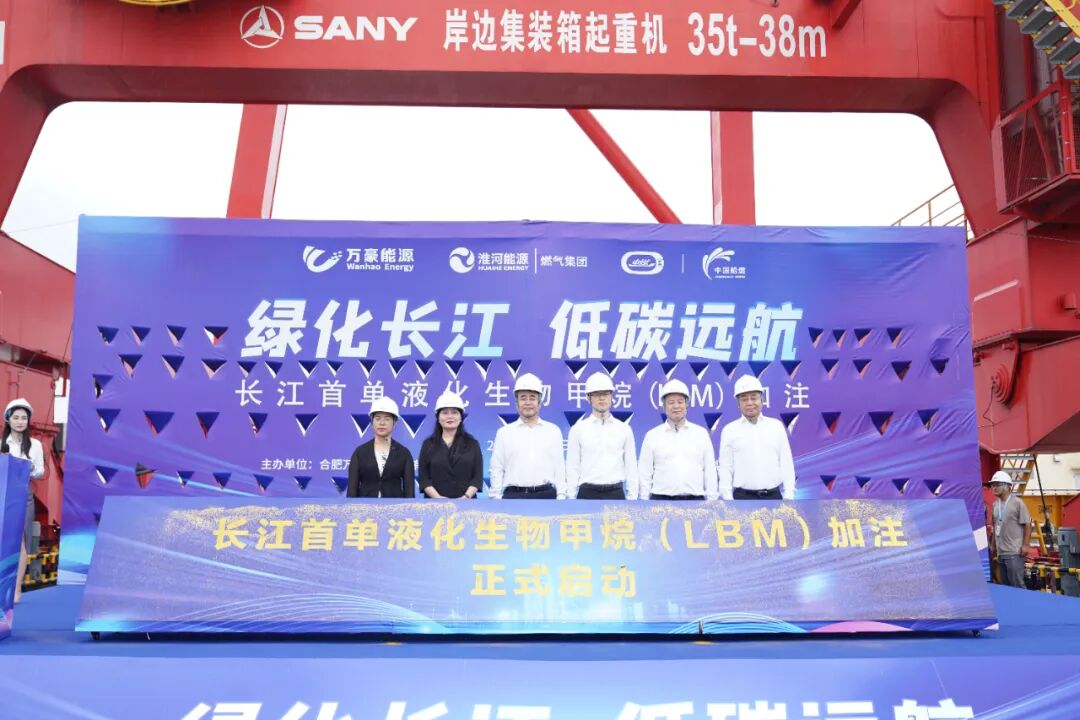
Senior representatives from the three companies attended the ceremony, including Qin Ling, Party Secretary and General Manager of CHIMBUSCO; Zhou Jiaqiang, General Manager of CHIMBUSCO’s domestic oil department; Yang Meirong, Chairwoman of Hefei Wanhao Energy Equipment; Zhang Liuyu, General Manager of Hefei Wanhao Energy Equipment; Cai Xueming, Party Secretary and Chairman of Huaihe Energy Gas Group; and Ye Fen, Deputy Party Secretary and General Manager of Huaihe Energy Gas Group.
The operation comes as emission-reduction requirements continue to rise across the maritime industry. Inland waterway shipping is also accelerating its green transition. The Yangtze River remains one of China’s most important freight corridors, while the sector also faces the requirements of Yangtze River protection, China’s dual-carbon strategy, and the broader green upgrading of waterborne transport. For inland vessels, finding a low-carbon fuel that can fit existing vessels, bunkering facilities and operating scenarios has become an important issue.
LBM is now entering this application scenario. It is mainly produced from biomass resources such as crop straw, forestry and agricultural waste, and livestock manure through anaerobic digestion, purification and liquefaction. Its use can provide a lower-carbon fuel option for vessels while also supporting the recycling and utilisation of agricultural waste.
From an application perspective, LBM has a high degree of compatibility with the existing LNG fuel system. According to representatives at the ceremony, LBM can be used with existing LNG-powered vessels, bunkering equipment and pipeline systems on the Yangtze River. This means vessels do not require major retrofitting, and operators do not need to make additional large-scale investment in conversion. The fuel therefore has a relatively low threshold for application.
The bunkering operation also reflects an emerging coordinated industrial chain. Upstream companies are responsible for biomass feedstock conversion, equipment development and LBM production. Energy infrastructure operators along the river provide land-based storage, transportation and bunkering support through facilities such as the Wuhu LNG receiving station. Marine fuel suppliers then connect the fuel to inland vessel end-use through their waterborne bunkering networks.
This means that an integrated commercial chain has been initially established, covering biomass-to-gas production, land-based storage and transportation, waterborne bunkering and vessel application. If this model can be replicated and expanded, it may provide a practical reference for the use of biomass-based low-carbon fuels by inland vessels on the Yangtze River.
For Yangtze River shipping, the significance of this operation goes beyond a single alternative fuel supply. It links agricultural waste utilisation, green energy production, LNG infrastructure along the river and vessel emission reduction into one application chain. It also offers a practical pathway for the Yangtze River’s transition from wider LNG use toward greener gas-based shipping.
The participating companies are expected to continue cooperation in LBM production, storage, transportation, bunkering and vessel application. Further development of biomass-based low-carbon fuel scenarios on the Yangtze River could help improve the region’s clean energy supply network and support the green and low-carbon transition of China’s inland waterway shipping sector.


READ MORE
 Sustainability
Singapore Offers Up to S$250,000 for Electric Harbour Craft
 Sustainability
Greater Bay Area Launches First Zero-Carbon Container Shipping Route Between Guangzhou and Hong Kong
 Sustainability
1000Ton! CMB.TECH in World First Commercial STS Green Ammonia Bunkering
 Sustainability
MPA, CMA CGM and SLNG Join Forces on Bio-LNG Bunkering
 Sustainability
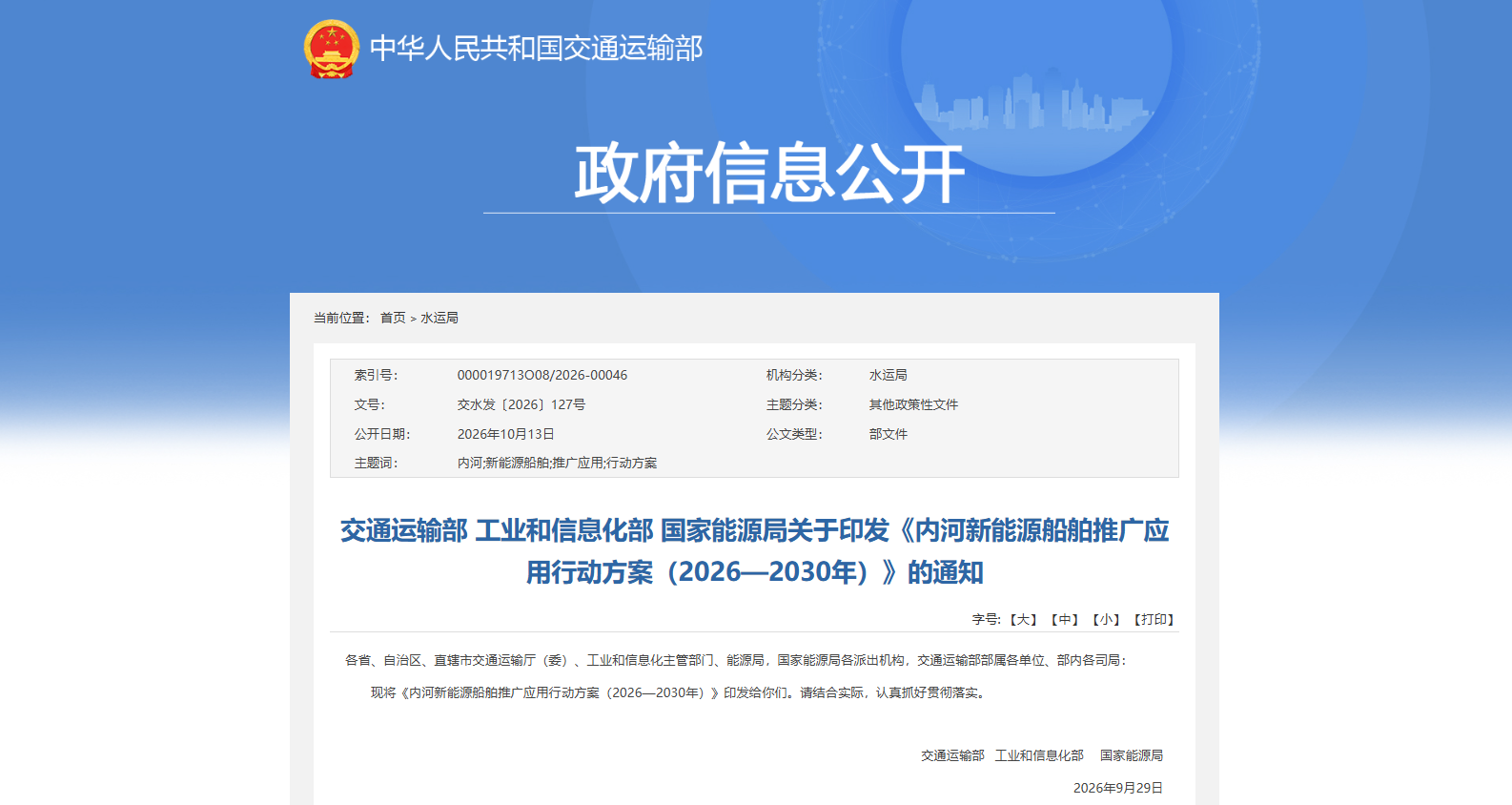
China Sets 2028 Targets for Electric and Methanol-Powered Inland Vessels
 Sustainability
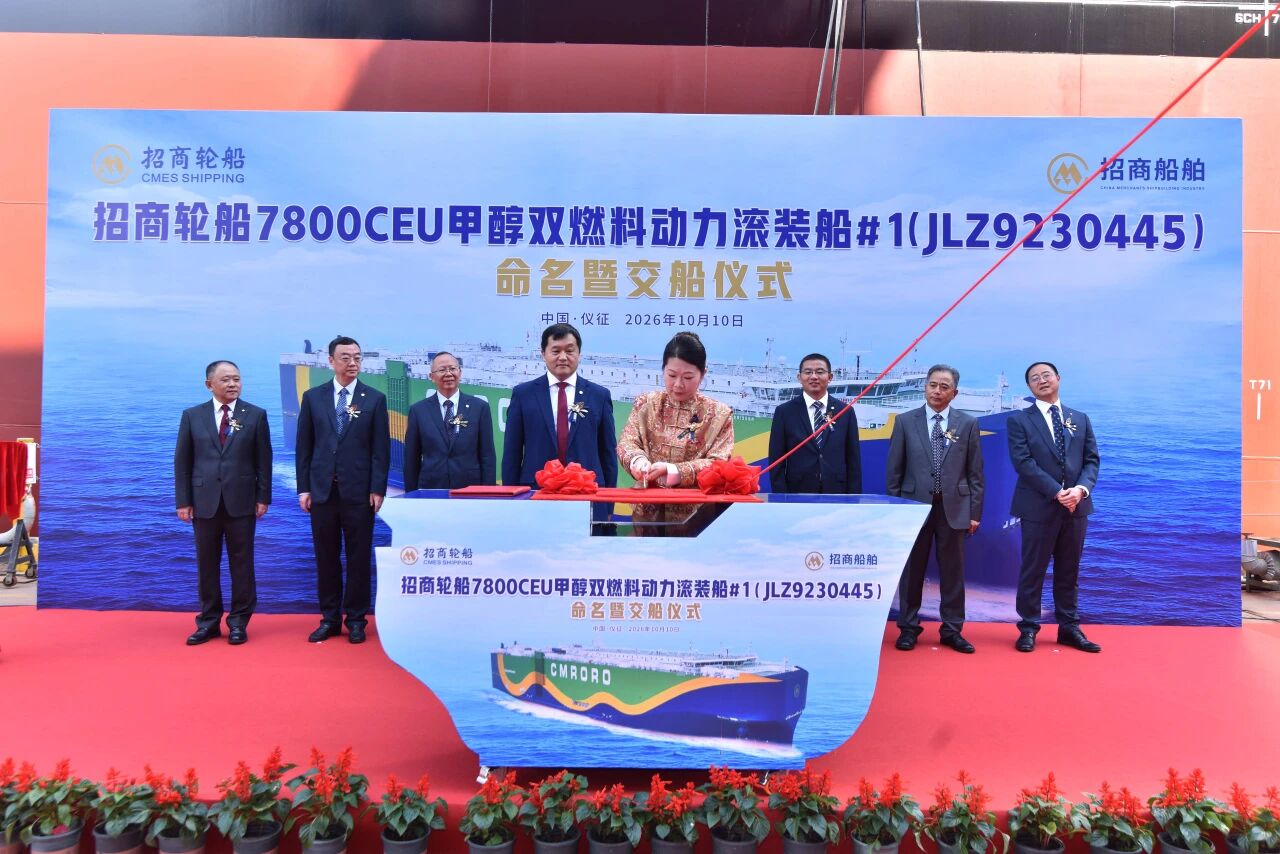
China Merchants Takes Delivery of Third Methanol Dual-Fuel Car Carrier
 Sustainability
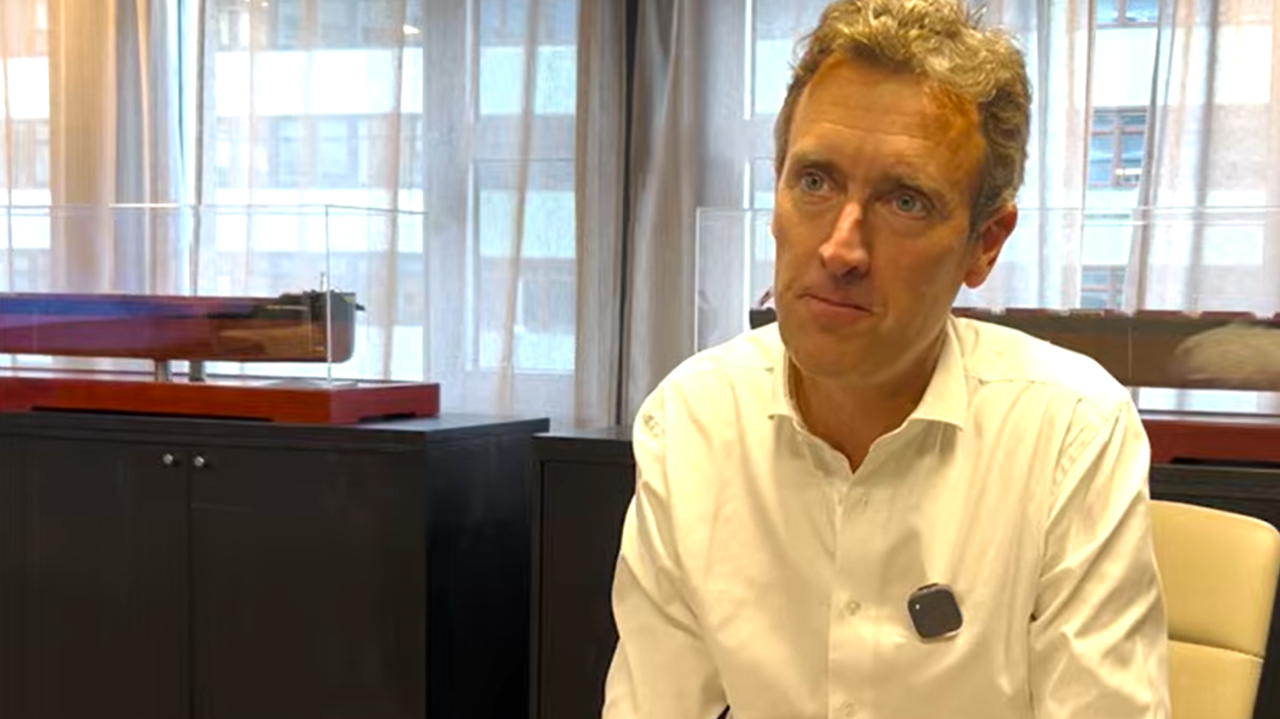
Alexander Saverys :Green Ammonia Will Be Cheaper Than Diesel—Sooner Than You Think
 Sustainability
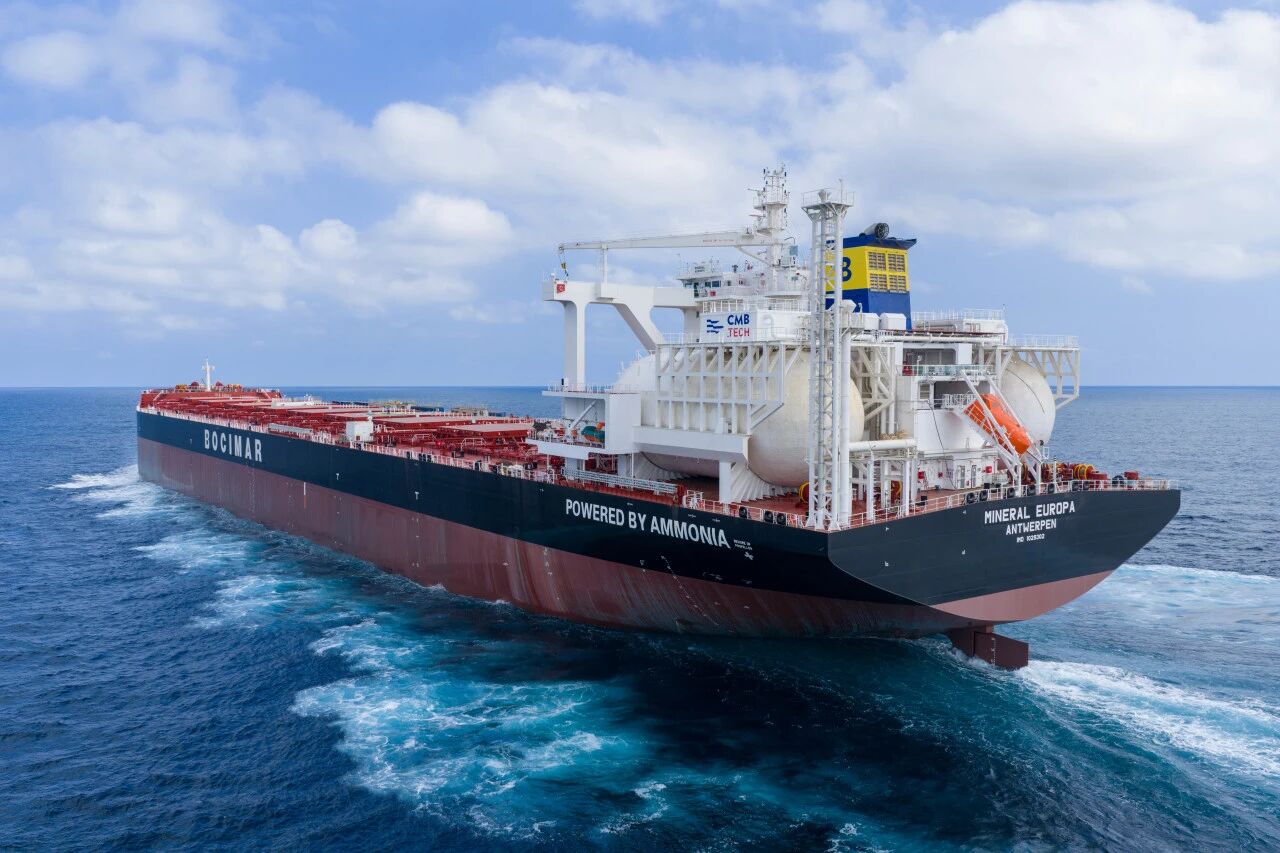
Beihai Delivers First Ammonia-Powered Bulker as Mineral Europa Sets Sail
 Sustainability
World's First Ammonia Dual-Fuel Bulker Delivered in China
 Sustainability