


Singapore Offers Up to S$250,000 for Electric Harbour Craft


Xinde Marine News, 14 October 2026 — The Maritime and Port Authority of Singapore (MPA) has announced a new grant scheme offering up to S$250,000 per vessel to accelerate the adoption of electric harbour craft, as the city-state pushes ahead with the decarbonisation of its domestic maritime sector.
The initiative was unveiled by Mr. Murali Pillai SC, Singapore’s Senior Minister of State for Law and Transport, during his address at the Singapore International Bunkering Conference and Exhibition (SIBCON 2026) on 14 October.
The Early Adopter Scheme for Electric Harbour Craft (EASE), which will take effect on 1 January 2027, aims to stimulate early market demand, encourage manufacturers and technology providers to expand production capacity, and ultimately reduce the cost of electric vessels through economies of scale.
Under the two-year scheme, eligible vessel owners will receive financial support based on their vessels’ installed propulsion battery capacity, at a rate of S$250 per kilowatt-hour (kWh).
The subsidy will be capped at S$150,000 for smaller vessels, including passenger craft carrying up to 12 people and cargo craft with a carrying capacity of up to 20 tonnes. Larger harbour craft will qualify for grants of up to S$250,000 per vessel.
For example, a passenger launch equipped with a 500 kWh battery system would receive S$125,000, while a supply vessel with a 1.2 MWh battery system would qualify for the maximum S$250,000 grant.
Fully electric harbour craft obtaining their first Singapore harbour craft licence between 14 October 2026 and 31 December 2028 will be eligible, subject to licensing requirements. Grants will be disbursed in three instalments over two years.
Singapore currently has more than 1,600 harbour craft, most of which are diesel-powered, serving passenger transport, towage, bunkering and other essential marine operations.
As part of its target to achieve net-zero emissions in the harbour craft sector by 2050, Singapore will require all new harbour craft operating in its waters from 2030 to be fully electric, capable of using B100 biofuel, or compatible with net-zero fuels.
To support the transition, MPA is expanding its charging infrastructure. Following the launch of its first pilot charger at Marina South Pier in 2024, additional facilities are planned at Loyang Offshore Supply Base, Jurong Port and West Coast Pier, alongside studies into mobile and battery-based charging solutions.
China Targets Doubling of Inland New-Energy Vessel Fleet by 2028
Meanwhile, China is also accelerating the electrification of its inland shipping sector.
On 13 October, China's Ministry of Transport, Ministry of Industry and Information Technology, and National Energy Administration published a joint action plan to promote the adoption of new-energy inland vessels between 2026 and 2030.
Under the plan, China aims to double its fleet of new-energy inland vessels by 2028 compared with 2025 levels, with the number of electric transport vessels exceeding 1,000 and methanol-powered vessels surpassing 100.
The plan also calls for wider deployment of electric passenger and cargo vessels, particularly on routes of less than 300 kilometres involving vessels below 3,000 dwt.
China additionally aims to develop approximately 3,000 kilometres of zero-carbon inland waterway transport corridors by 2028, supported by charging, battery-swapping and alternative fuel infrastructure.
The latest targets build on China's already substantial progress under its nationwide programme to scrap and replace ageing commercial vessels.
According to official figures, applications covering 2,791 ageing commercial vessels had been accepted under the vessel renewal programme by the end of 2024.
In 2025, the Pearl River region alone scrapped and dismantled 703 inland transport vessels. Chongqing also completed the dismantling of 356 ageing vessels, representing approximately 970,000 gross tonnes, with associated scrapping and renewal subsidies reaching RMB 938 million.
China further revised its vessel scrapping and renewal subsidy regulations in January 2026, maintaining financial support for eligible vessel replacement projects through the end of 2028, including the construction of new-energy and clean-energy vessels.
These developments highlight the growing role of government incentives in accelerating maritime electrification across Asia.
While Singapore is focusing on early adoption of electric harbour craft through targeted battery-related grants, China is pursuing a broader fleet renewal strategy combining vessel scrapping subsidies, new-energy shipbuilding support and infrastructure development.
Together, the two approaches are expected to create further opportunities for electric vessel builders, marine battery suppliers and charging infrastructure providers as the regional market moves towards larger-scale deployment.


READ MORE
 Sustainability
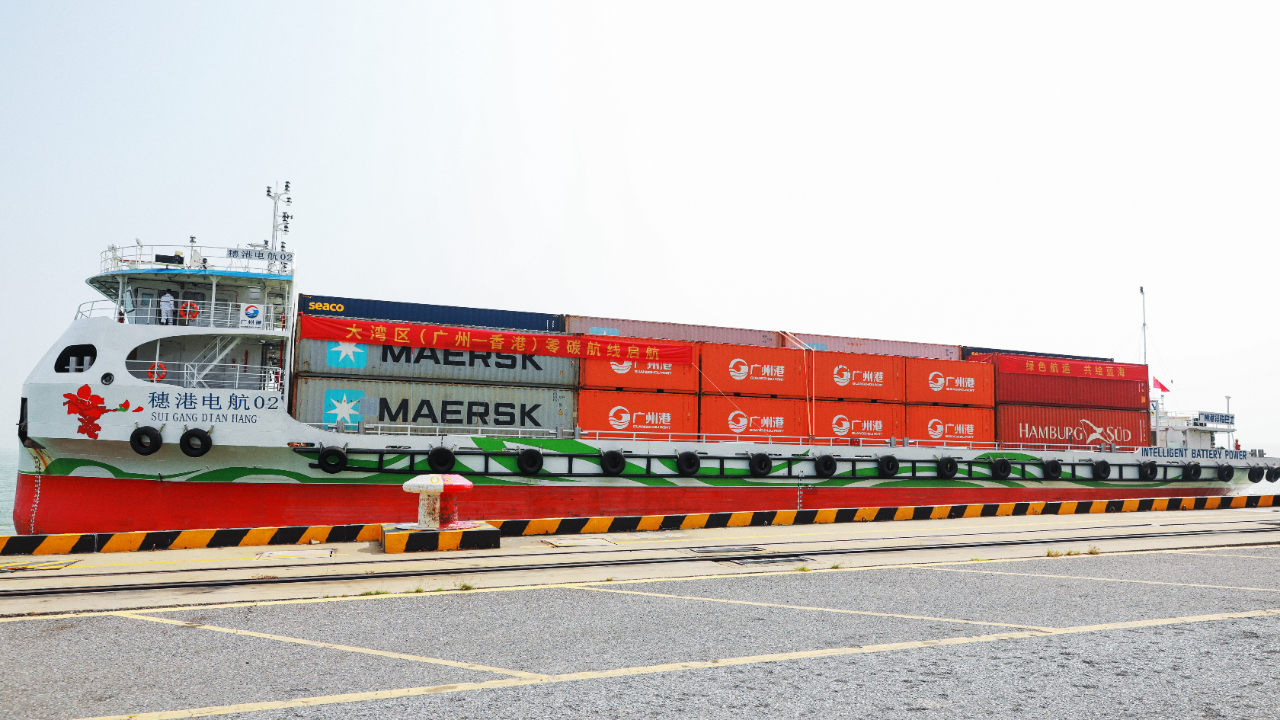
Greater Bay Area Launches First Zero-Carbon Container Shipping Route Between Guangzhou and Hong Kong
 Sustainability
1000Ton! CMB.TECH in World First Commercial STS Green Ammonia Bunkering
 Sustainability
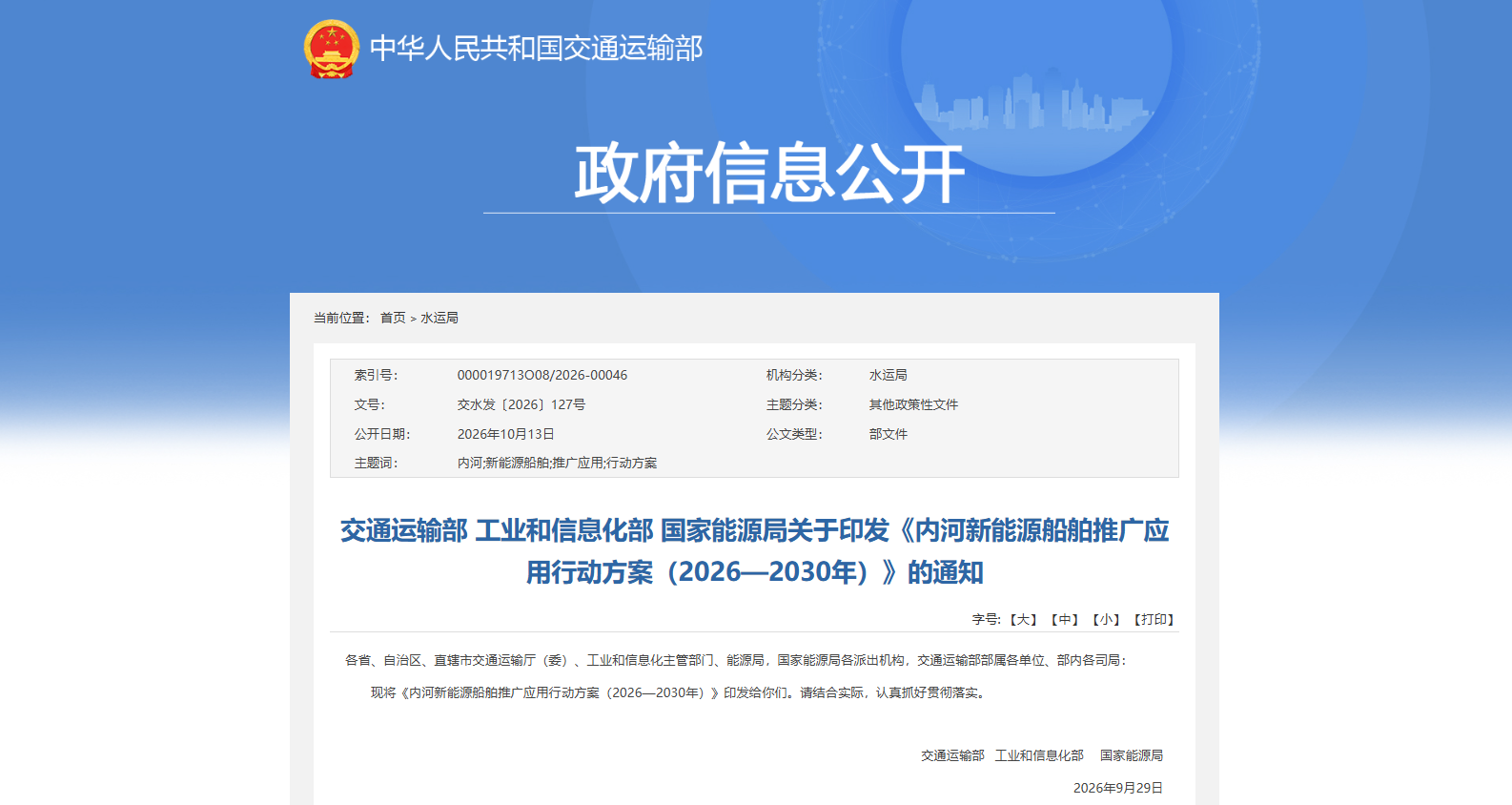
China Sets 2028 Targets for Electric and Methanol-Powered Inland Vessels
 Sustainability
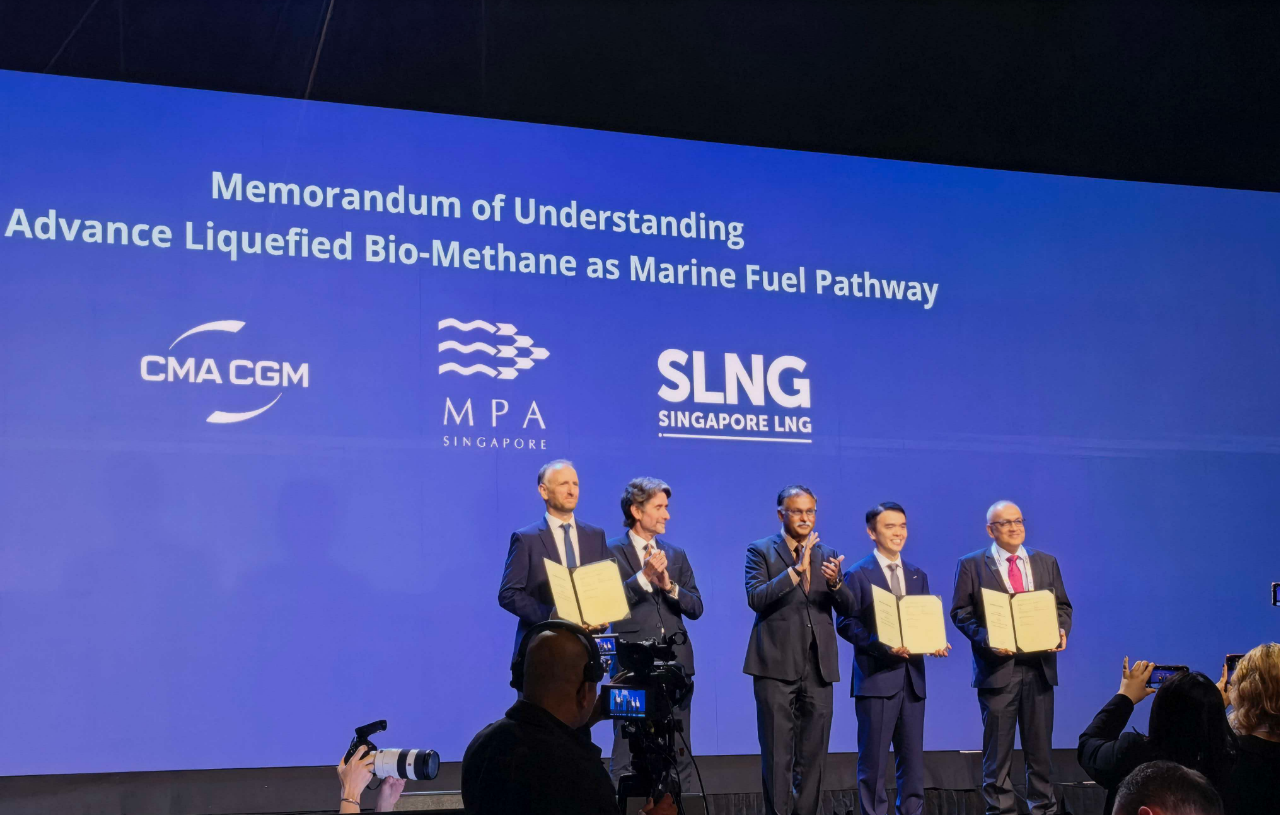
MPA, CMA CGM and SLNG Join Forces on Bio-LNG Bunkering
 Sustainability
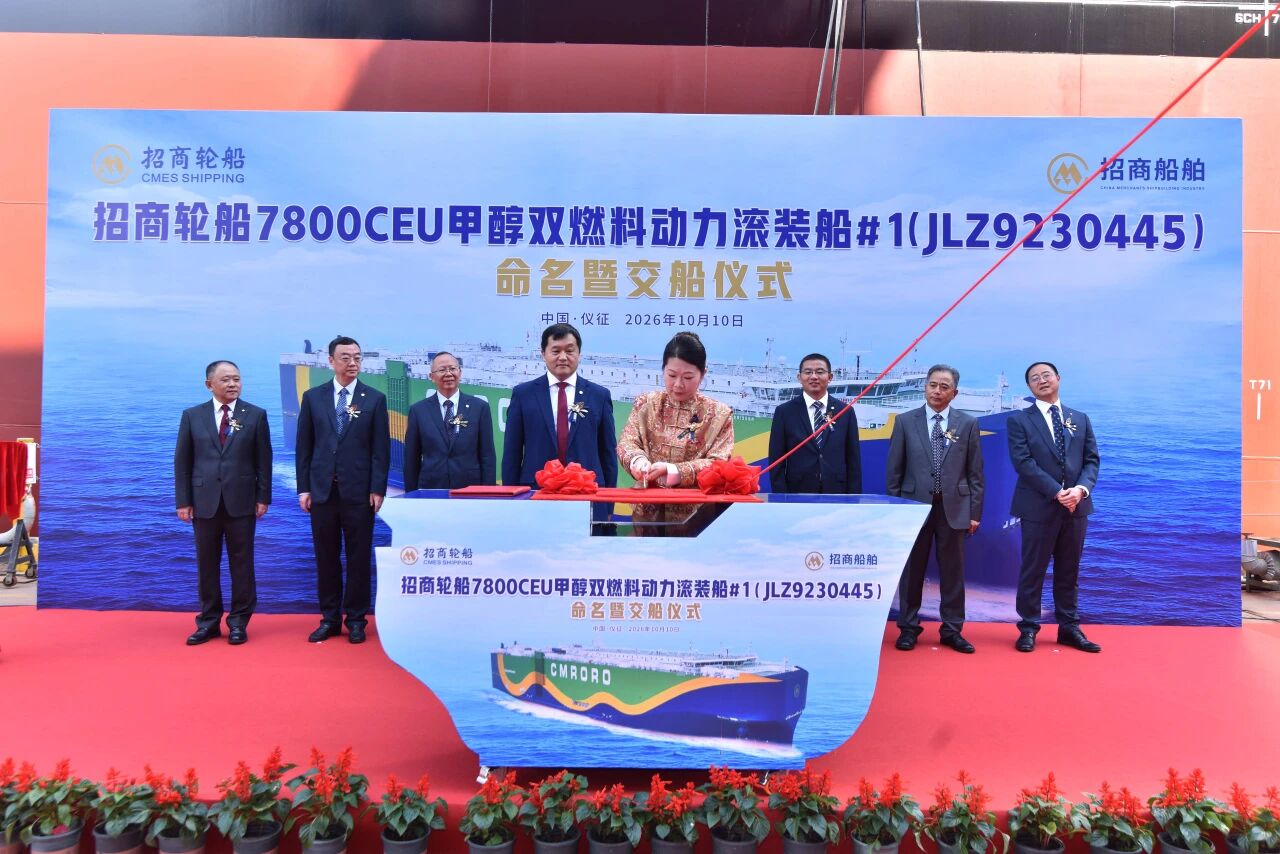
China Merchants Takes Delivery of Third Methanol Dual-Fuel Car Carrier
 Sustainability
Alexander Saverys :Green Ammonia Will Be Cheaper Than Diesel—Sooner Than You Think
 Sustainability
Beihai Delivers First Ammonia-Powered Bulker as Mineral Europa Sets Sail
 Sustainability
World's First Ammonia Dual-Fuel Bulker Delivered in China
 Sustainability
UK & CHINA: NAVIGATING TOGETHER TOWARDS SAFER, GREENER SHIPPING
 Sustainability