


China Merchants Takes Delivery of Third Methanol Dual-Fuel Car Carrier
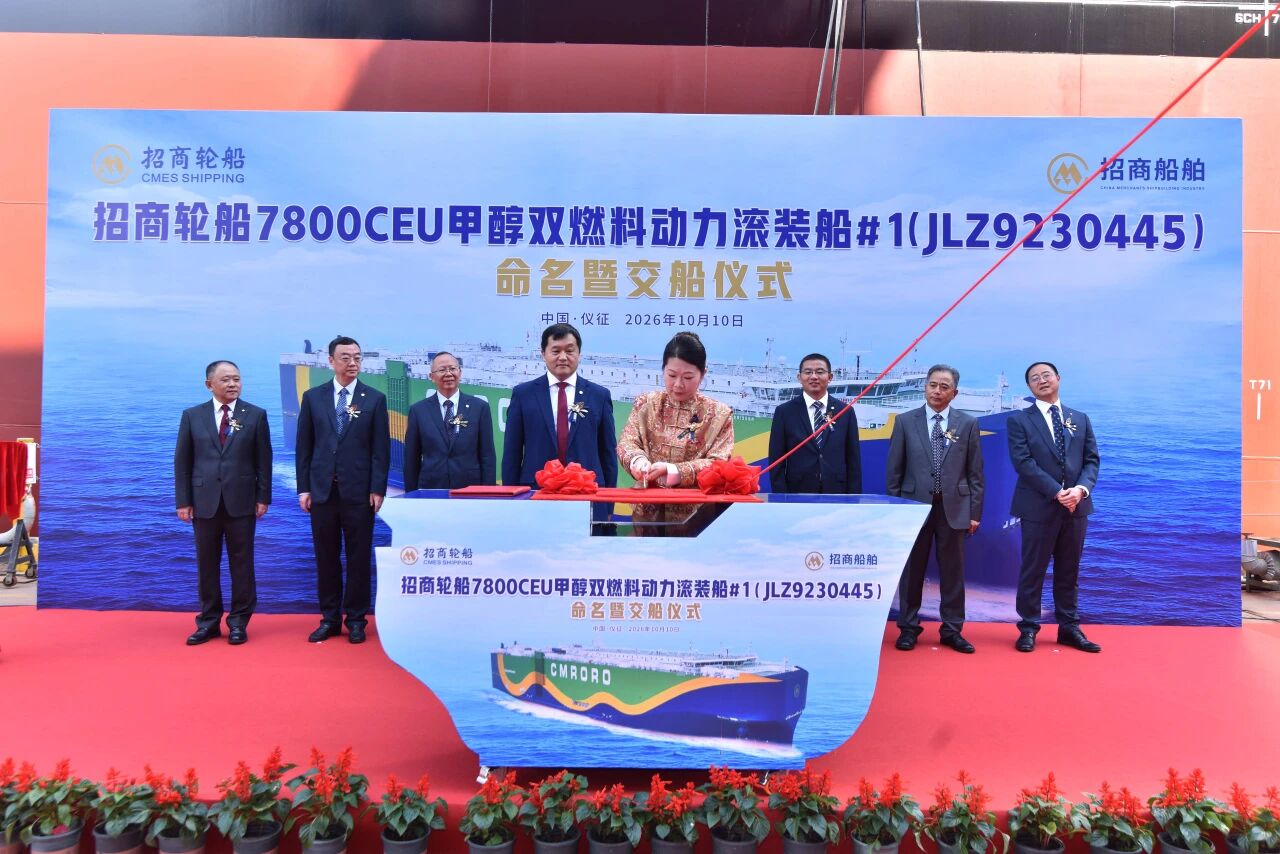

China Merchants Energy Shipping (CMES) held a naming and delivery ceremony for its 7,800-CEU methanol dual-fuel pure car and truck carrier (PCTC), CM GUANGZHOU, in Yizheng, Jiangsu Province, on October 10, 2026.
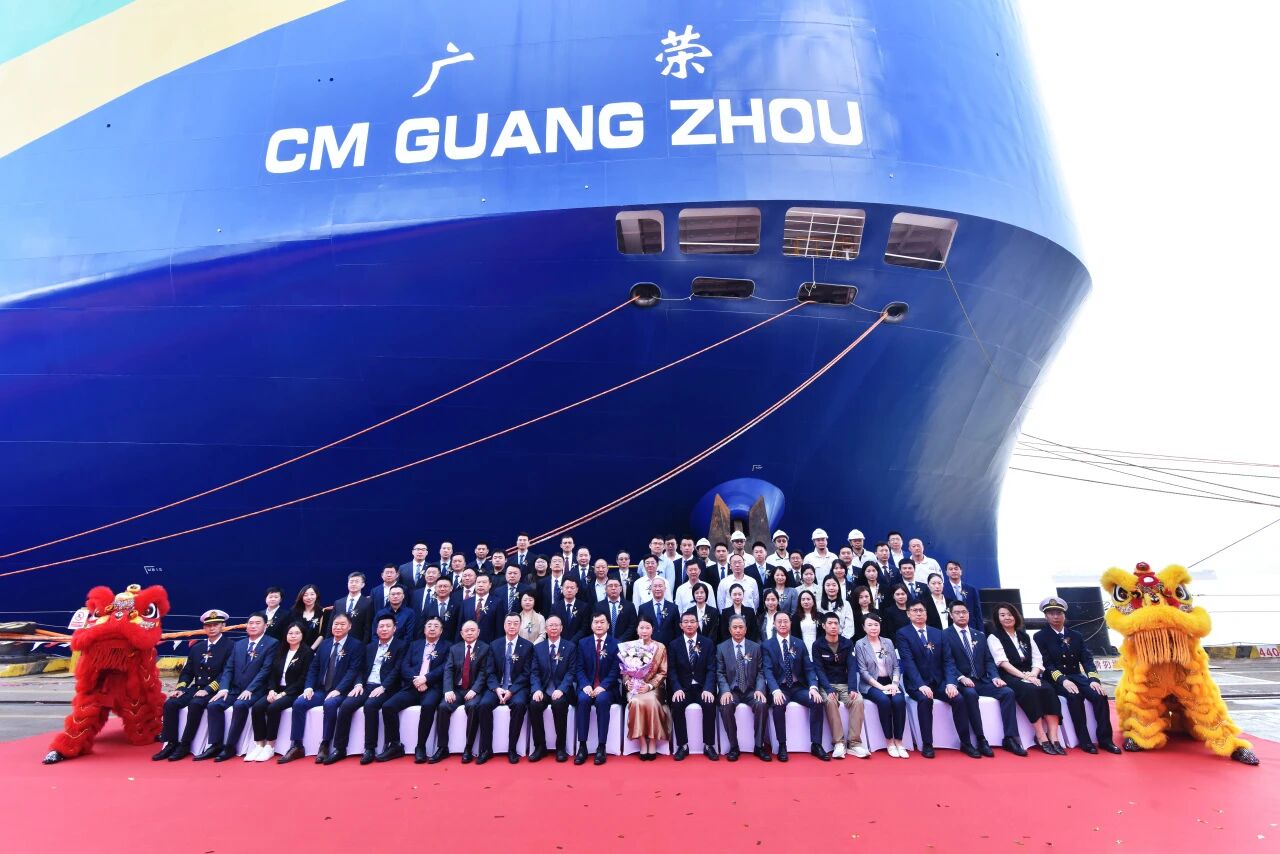
The vessel is CMES's third methanol dual-fuel car carrier, following the deliveries of CM HONG KONG and CM SHENZHEN, and the first 7,800-CEU vessel in its methanol dual-fuel PCTC newbuilding programme.
The latest delivery marks another step in the company's fleet expansion and decarbonisation strategy, while strengthening its capacity to support China's growing vehicle exports.
During the ceremony, Sun Jianfeng, an external director of China Merchants Group, officially named the vessel, while Deng Lei, a director and trade union chairwoman of GAC Group, served as the vessel's godmother and performed the traditional ribbon-cutting ceremony. Representatives from CMES, China Merchants Industry, GAC Group and other industry partners attended the event.
First 7,800-CEU Vessel in Six-Ship Programme
Built by China Merchants Jinling Shipyard (Nanjing), CM GUANGZHOU is the first 7,800-CEU vessel delivered under a six-ship methanol dual-fuel PCTC programme agreed between CMES and China Merchants Industry, comprising an initial two vessels and four additional ships.
The vessel measures 199.9 metres in length and 37.7 metres in beam. Although designed for 7,800 car equivalent units (CEU), it has an actual maximum vehicle capacity of 8,102 units.
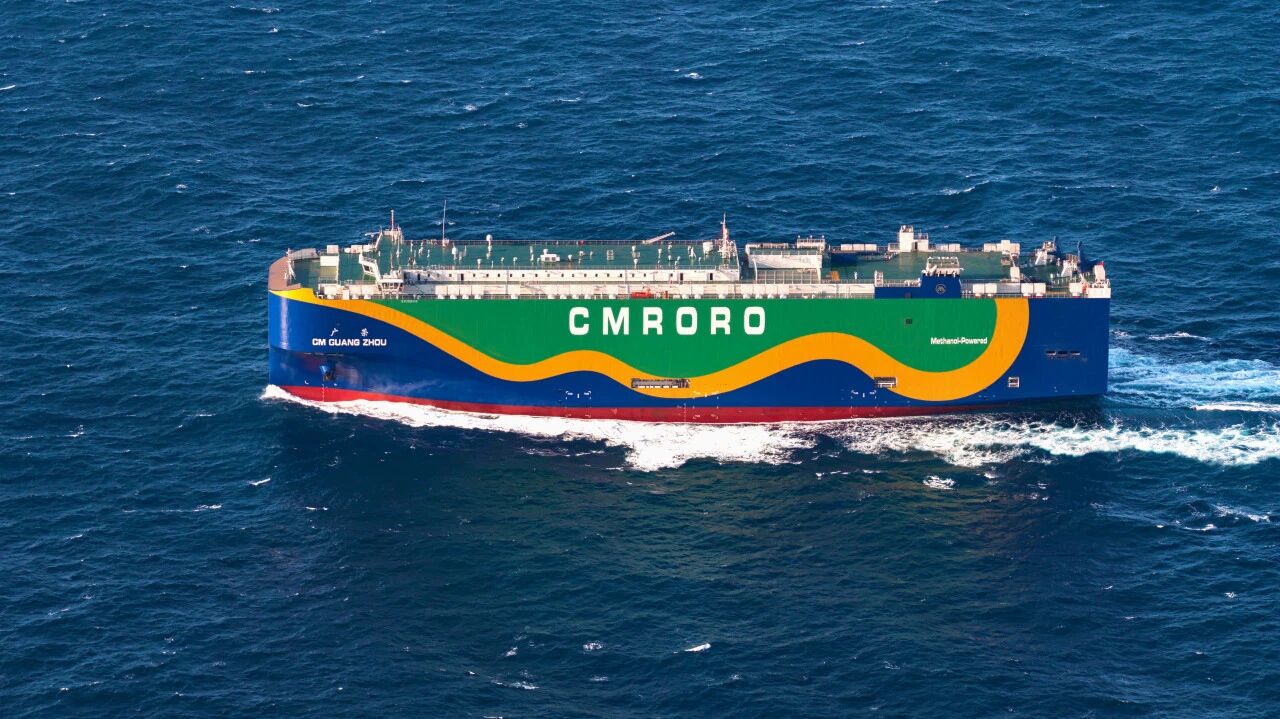
It features 13 vehicle decks with a combined loading area of 67,076 square metres, enabling the transportation of electric vehicles, conventional passenger cars and other vehicles on long-haul international routes.
Equipped with a methanol dual-fuel propulsion system, the vessel can operate on either conventional marine fuel or methanol, providing flexibility according to fuel availability and operational requirements.
The vessel complies with IMO Tier III nitrogen oxide (NOx) emission standards. According to the shipbuilder, lifecycle greenhouse gas emissions can be reduced by more than 70% when operating on green methanol, depending on the fuel's production pathway and sustainability credentials.
CMES has been steadily expanding and upgrading its PCTC fleet in recent years.
In September 2025, the company took delivery of its first 9,300-CEU methanol dual-fuel car carrier, CM HONG KONG, followed by sister vessel CM SHENZHEN in December of the same year.
The overall newbuilding programme comprises two 9,300-CEU vessels and four 7,800-CEU vessels. With CM GUANGZHOU now delivered, three ships have been handed over, leaving three additional 7,800-CEU vessels to follow.
Following delivery, CM GUANGZHOU immediately began its first vehicle export operation.
On October 10, the vessel berthed at Longtan Port Area in Nanjing to load its first shipment of 1,530 vehicles for transportation to Barcelona, Spain, via a newly launched direct ro-ro service connecting Nanjing with Europe.
The arrival of CM GUANGZHOU marked the largest car carrier to have called at Nanjing Port, with its maximum vehicle capacity approximately 81% higher than the previous record.
The new service is expected to provide automotive manufacturers in Nanjing and the wider Yangtze River region with more direct access to European markets, potentially reducing transshipment requirements and improving export logistics efficiency.
The deployment also reflects the growing importance of dedicated ocean transport capacity as Chinese automakers continue to expand their international presence.
Global PCTC Owners Pursue Different Alternative-Fuel Strategies
While CMES is expanding its methanol-capable fleet, leading PCTC owners worldwide are taking different approaches to alternative fuels, with methanol, LNG and ammonia-ready designs emerging as major options for newbuildings.
Norwegian car carrier operator Wallenius Wilhelmsen has also committed to methanol dual-fuel propulsion. In July 2026, the company took delivery of Arctic Tern, its first 9,300-CEU Shaper-class PCTC, built by China Merchants Jinling Shipyard (Jiangsu). The vessel is equipped with methanol dual-fuel propulsion and is capable of operating on green methanol. The Shaper-class programme also incorporates hull optimisation and energy-efficiency technologies aimed at reducing emissions per vehicle transported.
Another Norwegian operator, Höegh Autoliners, has adopted a strategy combining LNG and future ammonia capability. The first eight vessels in its 9,100-CEU Aurora-class programme are equipped with LNG dual-fuel engines and designed for potential conversion to ammonia, while the subsequent four vessels are planned to feature ammonia dual-fuel engines from delivery.
In August 2026, Höegh announced an order for six additional LNG dual-fuel Aurora-class vessels with future zero-carbon fuel capability, bringing its firm Aurora-class newbuilding programme to 18 vessels.
Japan's NYK Line has been a major advocate of LNG-powered car carriers. Since taking delivery of SAKURA LEADER, Japan's first LNG-fuelled PCTC, in 2020, NYK has continued expanding its LNG-powered vehicle carrier fleet, with plans for approximately 20 LNG-powered car carriers by 2028.
The company regards LNG as a transitional fuel on the pathway towards zero-emission shipping, while also exploring ammonia, methanol and biofuels across other segments of its fleet.
Italy's Grimaldi Group, meanwhile, has placed greater emphasis on ammonia-ready vessel designs. The group has introduced a series of large PCTCs with provisions for potential future conversion to ammonia propulsion.
Its 9,800-CEU Grande Pacifico, delivered in August 2026, became the group's 13th ammonia-ready car carrier.
These varying strategies highlight the lack of a single dominant alternative-fuel pathway in the global car carrier sector.
Methanol offers advantages in liquid-fuel storage and handling, LNG benefits from a relatively established global bunkering network, while ammonia is being explored as a potential longer-term option for deep decarbonisation.
However, the technical ability to operate on alternative fuels does not necessarily mean vessels are already using low- or zero-carbon fuels at scale. Actual emissions reductions will depend on the availability, cost and lifecycle carbon intensity of the fuels supplied, as well as the development of global bunkering infrastructure and maritime decarbonisation regulations.
For CMES, the delivery of CM GUANGZHOU represents both an expansion of its international car shipping capacity and a further investment in fuel-flexible tonnage.
With three more 7,800-CEU methanol dual-fuel PCTCs scheduled for delivery under the programme, the company is positioning itself to meet growing vehicle export demand while adapting to the shipping industry's evolving fuel landscape.


READ MORE
 Sustainability
Beihai Delivers First Ammonia-Powered Bulker as Mineral Europa Sets Sail
 Sustainability
World's First Ammonia Dual-Fuel Bulker Delivered in China
 Sustainability
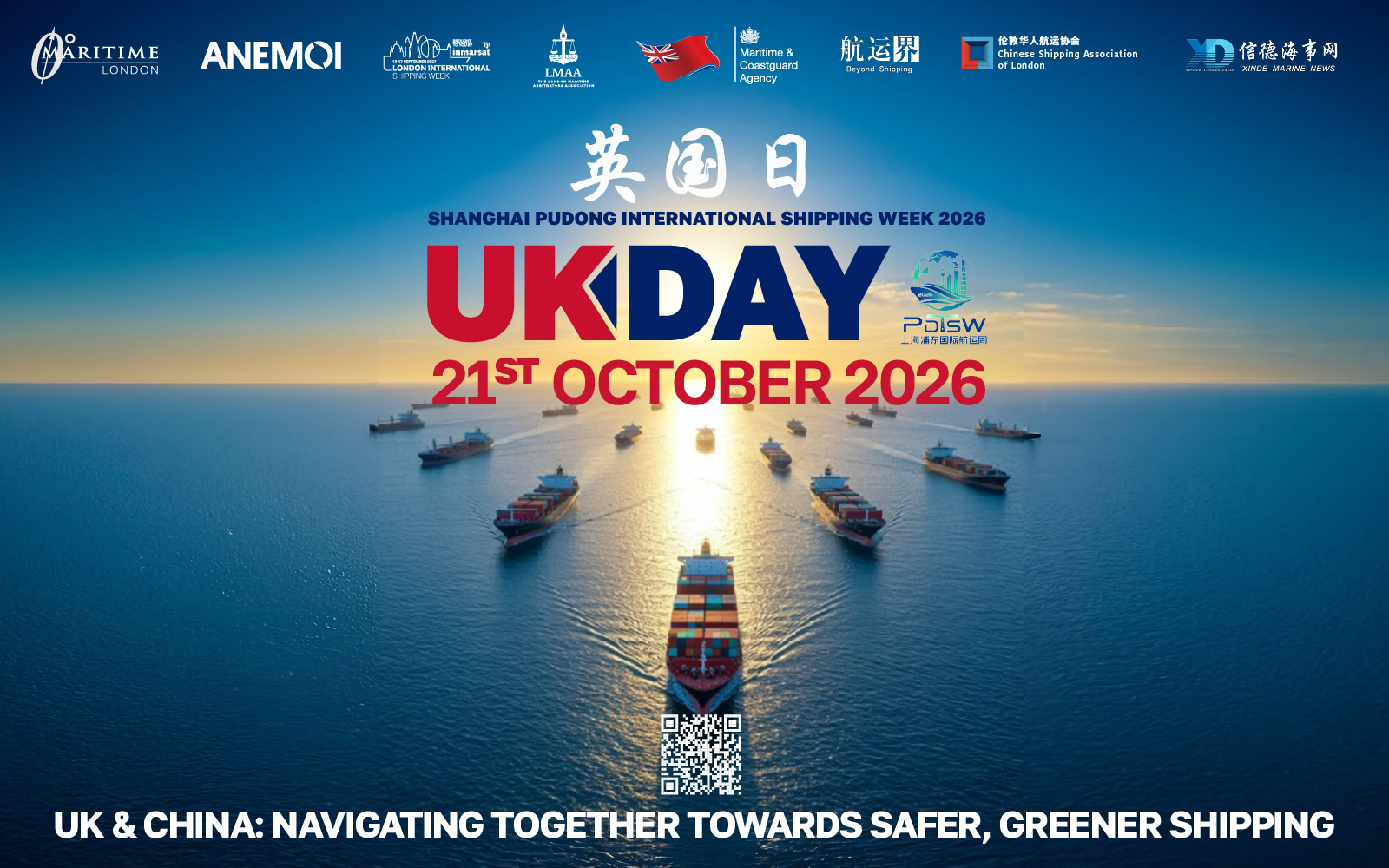
UK & CHINA: NAVIGATING TOGETHER TOWARDS SAFER, GREENER SHIPPING
 Sustainability
Alexander Saverys :Green Ammonia Will Be Cheaper Than Diesel—Sooner Than You Think
 Sustainability
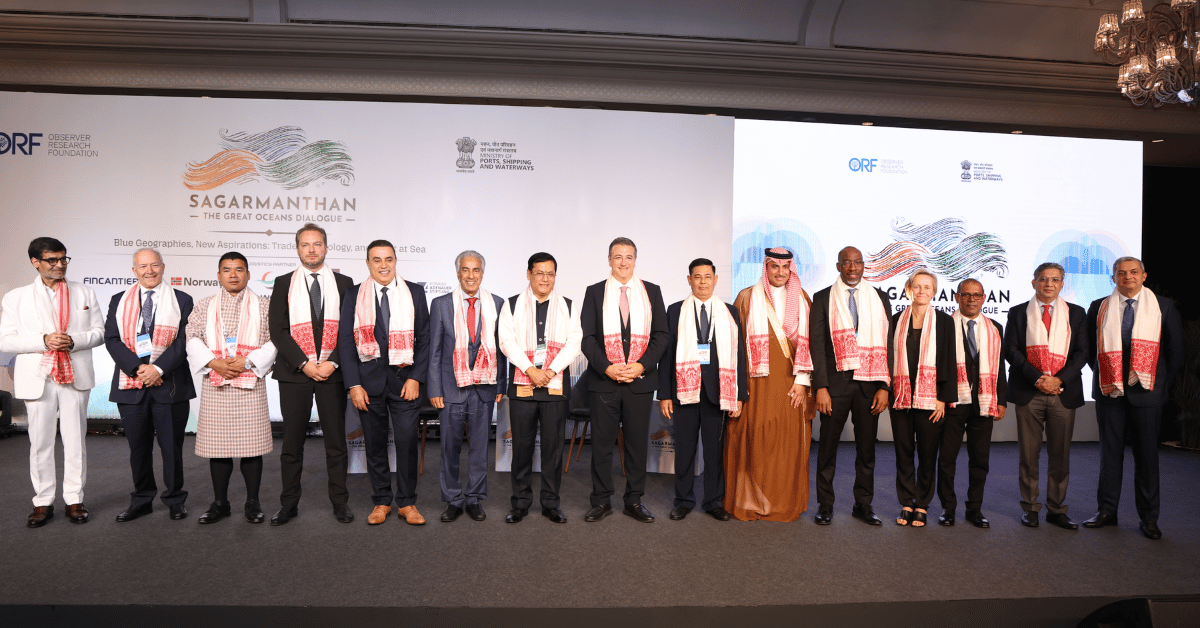
India, EU launch coalition to develop green shipping corridor
 Sustainability
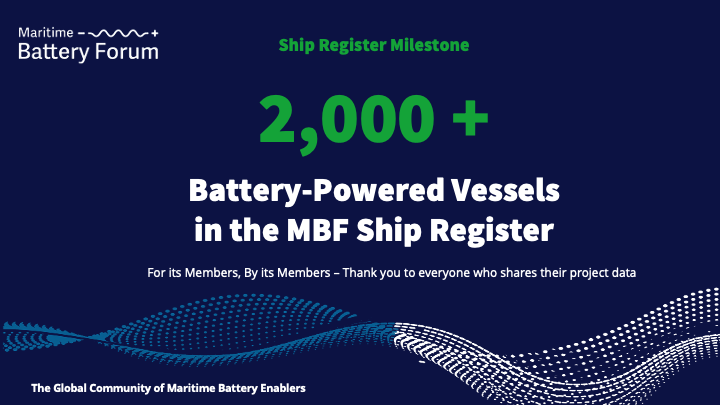
Global fleet of battery-equipped ships surpasses 2,000 vessels
 Sustainability
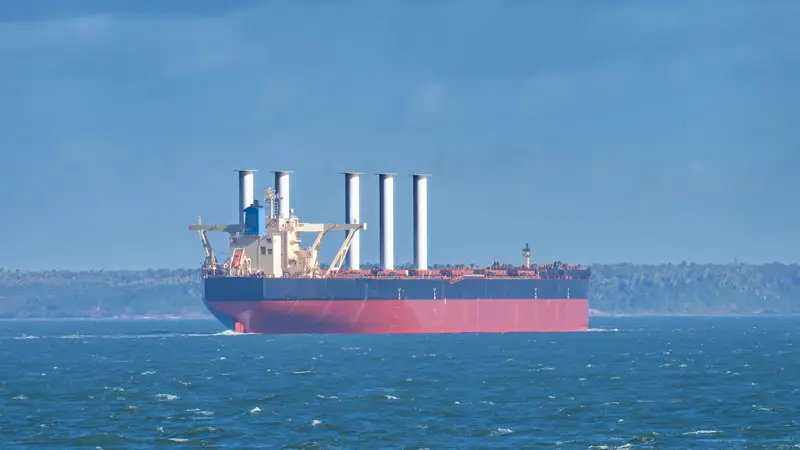
BIMCO adopts new contract addendum to ease investment in ship energy-saving retrofits
 Sustainability
IMO Report: Ship Fuel Consumption Hits 221 Million Tonnes, Biofuel Use Surges 109%
 Sustainability
Hapag-Lloyd Bunkers Goldwind Bio-Methanol in Busan
 Sustainability