


Hapag-Lloyd Bunkers Goldwind Bio-Methanol in Busan
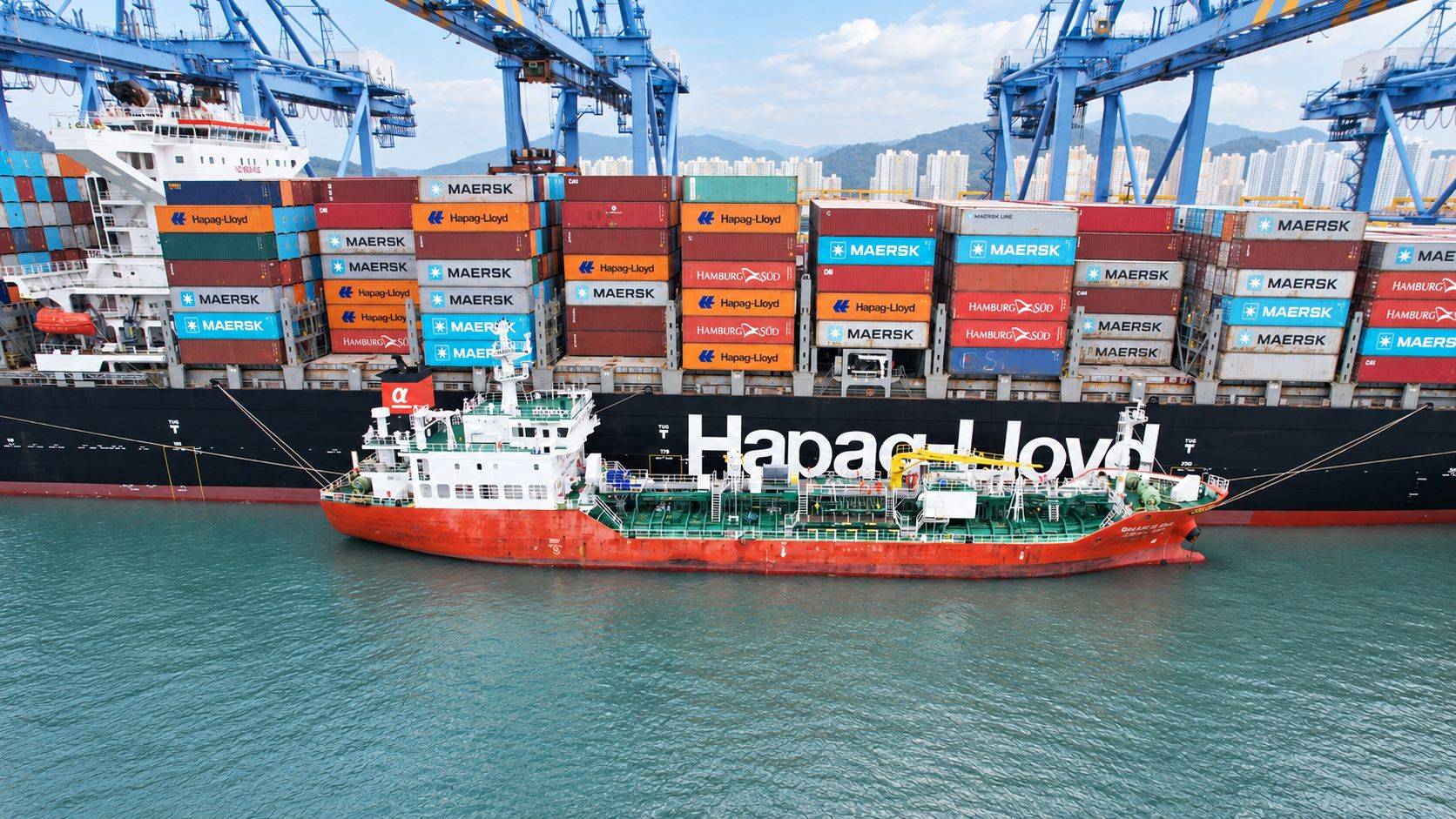

German container shipping company Hapag-Lloyd has successfully bunkered its methanol dual-fuel container ship Seaspan Amazon with bio-methanol at the Port of Busan in South Korea. The fuel was supplied by China's Goldwind and produced at its green methanol facility in Hinggan League, Inner Mongolia.
The operation marks an important step in the cooperation between Hapag-Lloyd and Goldwind, bringing their long-term green methanol supply agreement closer to full-scale commercial implementation.
Notably, this was Hapag-Lloyd's first bunkering operation involving ISCC EU-certified bio-methanol conducted under simultaneous operations (SIMOPS) conditions.
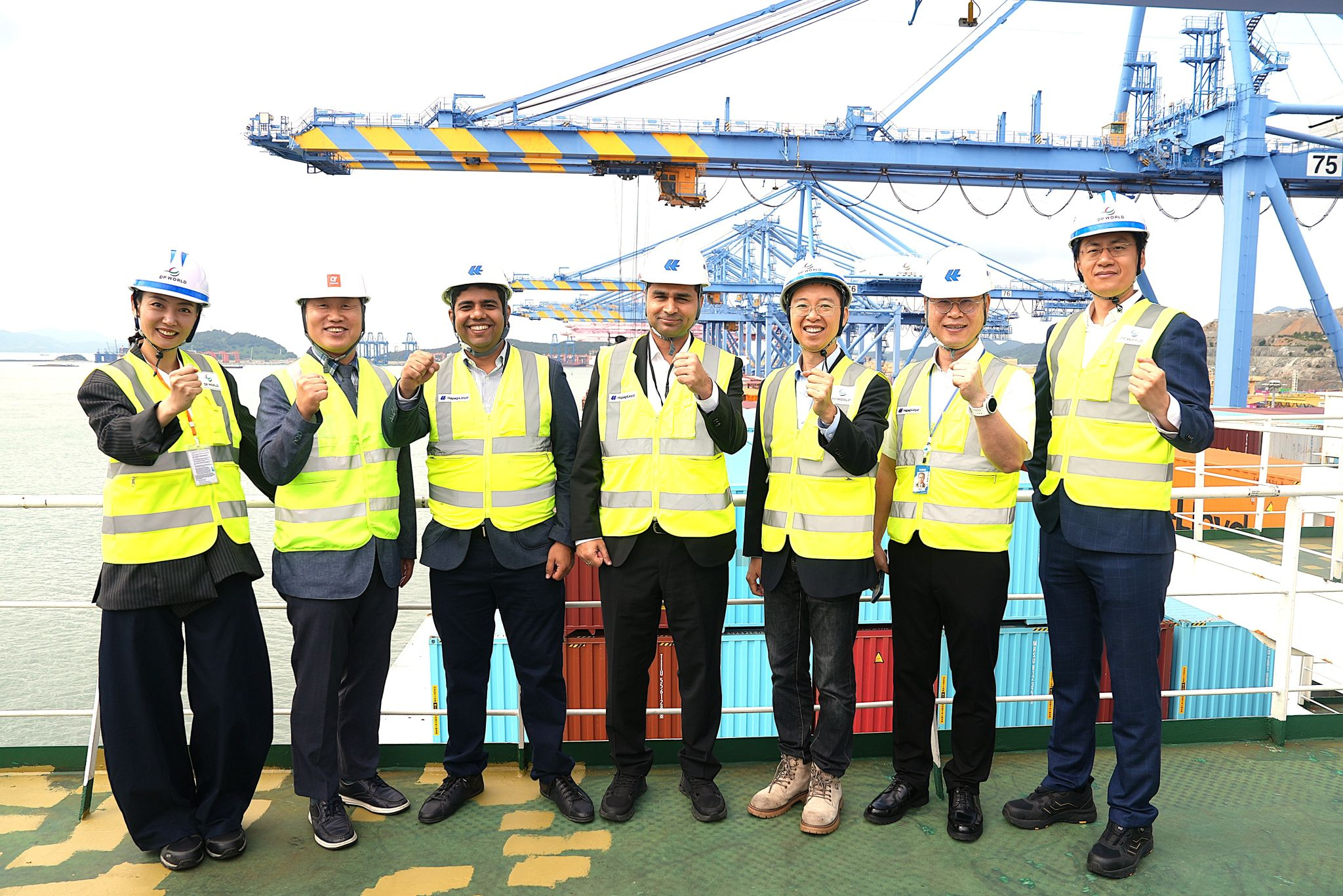
According to Hapag-Lloyd, Seaspan Amazon received the bio-methanol while discharging cargo at the Port of Busan. The bunkering was carried out alongside other vessel and port operations without interrupting normal cargo handling activities.
The bio-methanol was produced at Goldwind's integrated facility in Hinggan League, Inner Mongolia, before being transported through an international supply chain to Busan for delivery to the vessel.
Hapag-Lloyd has not disclosed the quantity of bio-methanol bunkered or the identity of the physical bunker supplier responsible for the delivery in Busan.
From Long-Term Agreement to Actual Fuel Deliveries
The Busan bunkering represents a significant milestone in the long-term green methanol supply agreement signed between Hapag-Lloyd and Goldwind in 2024.
In November 2024, Hapag-Lloyd announced an agreement under which Goldwind would supply 250,000 tonnes of green methanol annually, starting in late 2027.
The contracted volumes will comprise both bio-methanol and e-methanol, supporting Hapag-Lloyd's transition towards lower-emission marine fuels.
Under the agreement, the green methanol is expected to meet relevant sustainability certification requirements and deliver greenhouse gas emissions reductions of at least 70%.
Hapag-Lloyd estimates that the contracted green methanol volumes could reduce greenhouse gas emissions by up to 400,000 tonnes of CO₂ equivalent annually compared with conventional marine fuels.
Although large-scale deliveries are scheduled to begin in late 2027, the agreement also provides for initial fuel deliveries in 2026.
Hapag-Lloyd said these early deliveries would allow both companies to gain practical experience in the international transportation, storage, handling and bunkering of bio-methanol, while further developing the logistics infrastructure needed to support larger-scale supplies.
In addition to the Busan operation, Hapag-Lloyd has recently conducted other bio-methanol bunkering operations involving Seaspan Amazon and Seaspan Yangtze.
These operations are helping the company build operational experience as it prepares to introduce more methanol-capable vessels into its fleet.
Advancing Methanol Dual-Fuel Vessel Conversions
Alongside efforts to secure green methanol supplies, Hapag-Lloyd is progressing with the conversion of existing container ships to methanol dual-fuel propulsion.
In April 2024, Hapag-Lloyd and vessel owner Seaspan Corporation announced a joint project to retrofit five container ships, each with a capacity of approximately 10,100 TEU, for methanol dual-fuel operation.
The project involves an estimated total investment of around USD 120 million.
The five vessels covered by the programme are Seaspan Amazon, Seaspan Yangtze, Seaspan Ganges, Seaspan Thames and Seaspan Zambezi.
In June 2026, the companies announced the completion of the first conversion, involving Seaspan Yangtze, enabling the vessel to operate on both methanol and conventional marine fuels.
According to Hapag-Lloyd's previous estimates, each converted vessel could reduce greenhouse gas emissions by approximately 30,000 to 50,000 tonnes of CO₂ equivalent annually when operating on low-carbon methanol.
The retrofit programme forms part of Hapag-Lloyd's broader decarbonisation strategy, which targets net-zero fleet operations by 2045.
The company's approach includes ordering new dual-fuel vessels, retrofitting existing ships, improving operational efficiency and expanding the use of alternative fuels.
The successful bunkering in Busan demonstrates that green methanol produced in China is now reaching international container shipping operations through cross-border fuel supply chains.
As more methanol dual-fuel vessels enter service, reliable supplies of certified green methanol and the availability of bunkering infrastructure at major ports will become increasingly important to shipping companies seeking to reduce their fleet emissions.

READ MORE
 Sustainability
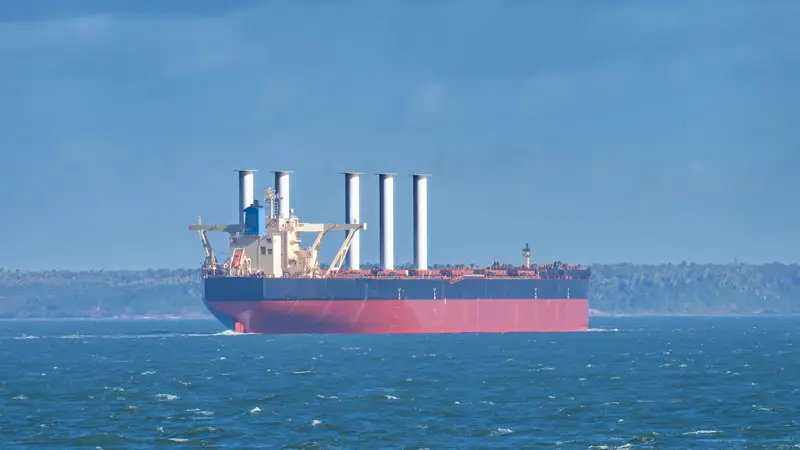
Global fleet of battery-equipped ships surpasses 2,000 vessels
 Sustainability
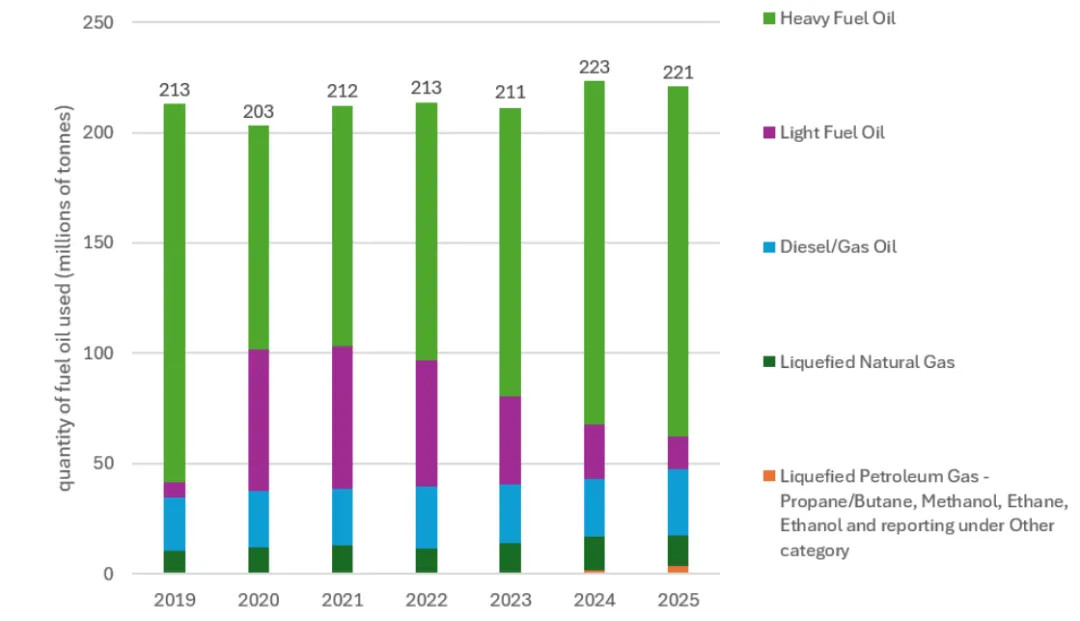
BIMCO adopts new contract addendum to ease investment in ship energy-saving retrofits
 Sustainability
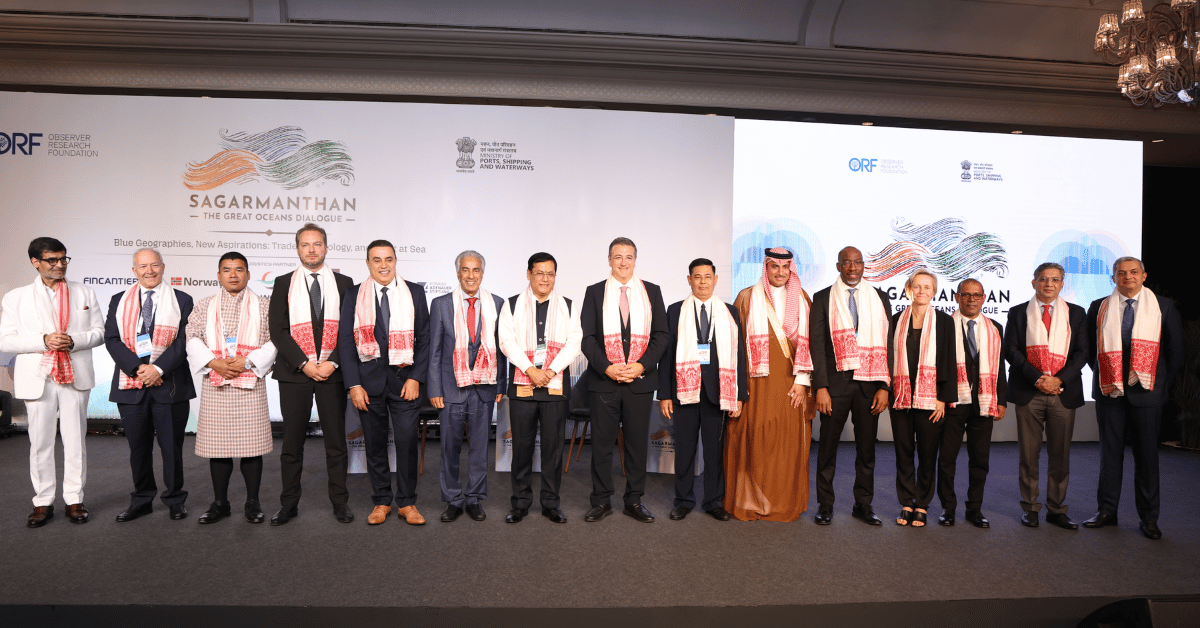
IMO Report: Ship Fuel Consumption Hits 221 Million Tonnes, Biofuel Use Surges 109%
 Sustainability
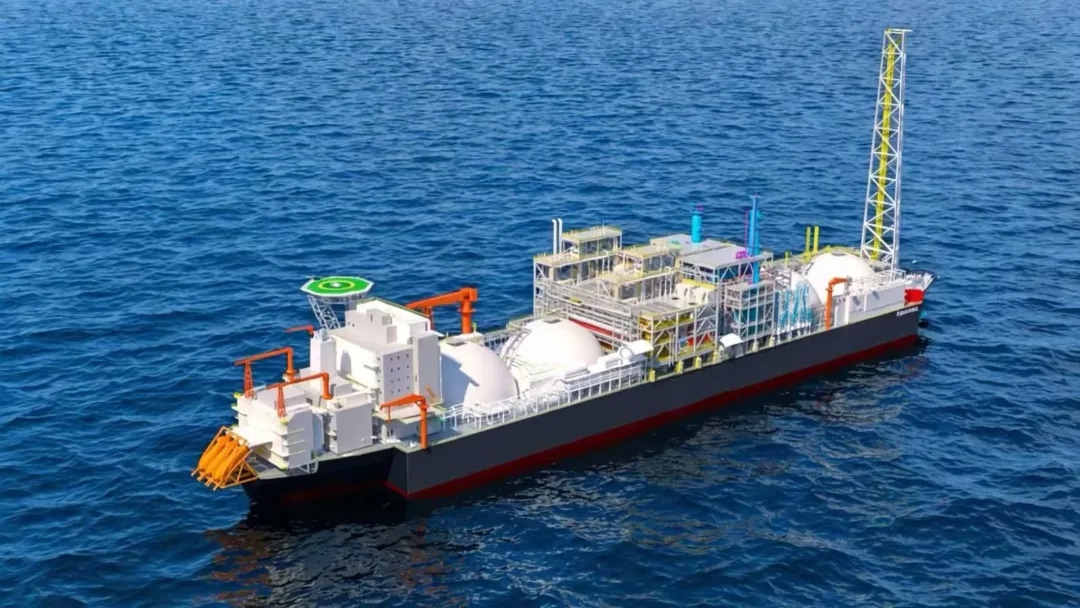
India, EU launch coalition to develop green shipping corridor
 Sustainability
CIMC Raffles’ Second Golar FLNG Project Advances With Donor Vessel Deal
 Sustainability
In this Chaos world,How Can Your Shipping Company Weather the Next Storm?
 Sustainability
Maersk Completes First U.S. Ethanol Bunkering for a Deep-Sea Containership
 Sustainability
Yantian and Felixstowe Sign Green Shipping Corridor Cooperation Initiative
 Sustainability
Japan Completes Methanol Transport and Bunkering Vessel
 Sustainability