


CIMC Raffles’ Second Golar FLNG Project Advances With Donor Vessel Deal
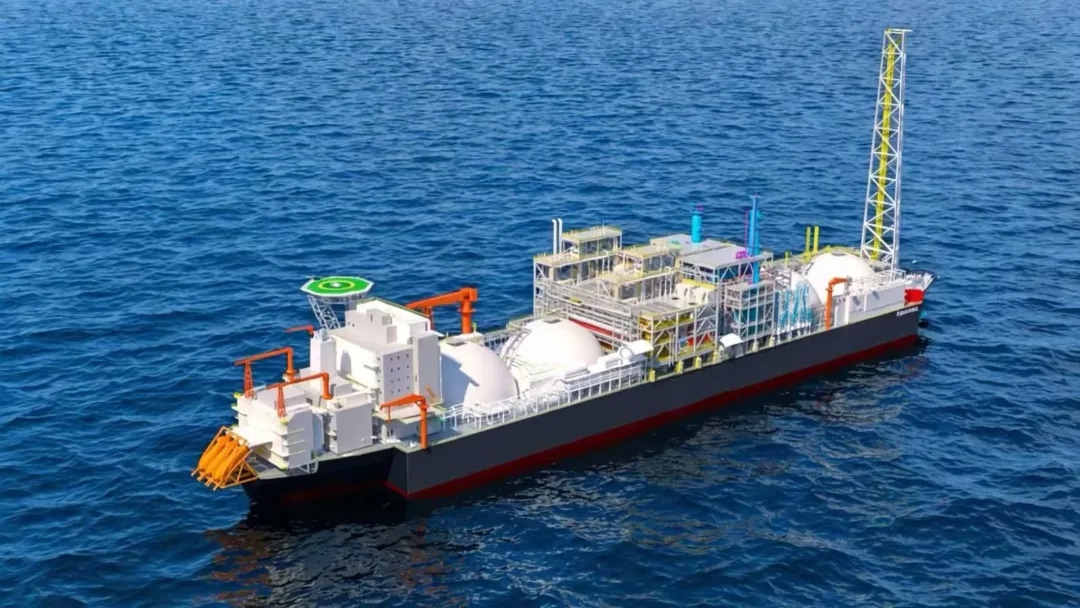

Golar’s agreement to acquire Grace Dahlia adds detail to the Chinese yard’s next major FLNG conversion. Construction is contracted, while a long-term charter and deployment location remain to be announced.
CIMC Raffles’ second floating LNG conversion for Golar LNG has taken another step forward after the owner agreed to acquire the LNG carrier Grace Dahlia from Japan’s NYK Line.
Golar announced the agreement on October 7, identifying the 2013-built vessel as the conversion candidate for its fourth floating liquefied natural gas production unit, known as FLNG #4. Conversion will take place at CIMC Raffles’ Yantai shipyard in China, with redelivery scheduled for 2029. The acquisition price and yard-entry date were not disclosed.
For CIMC Raffles, the announcement provides further detail on an existing project as it builds a repeat FLNG business with Golar. It is an execution milestone rather than a new conversion order: the engineering, procurement and construction contract was signed in August.
Building a repeat FLNG business
CIMC Raffles, part of China’s CIMC Group, entered Golar’s MKII conversion programme in 2024. Its first unit, FLNG Esperanza, remains under construction. The second contract extends that relationship before the first unit has been delivered.
The distinction in numbering matters: the latest project is Golar’s fourth FLNG, but the second MKII unit contracted to CIMC Raffles.
According to CIMC, overlapping construction of the two units allows the yard to reuse engineering solutions, construction methods and project-management systems. The industrial opportunity is to turn experience from the first conversion into more predictable execution on subsequent projects. Actual gains in productivity and cost control will depend on delivery performance.
The programme also relies on specialist partners. Black & Veatch will provide its PRICO liquefaction technology, detailed engineering and process design, topside equipment procurement and commissioning support under the project arrangements.
For the Chinese yard, that makes coordination across hull conversion, process equipment and commissioning central to establishing a durable position in FLNG construction.
A $2.45 billion project budget
Golar has budgeted approximately $2.45 billion for FLNG #4, which will have nameplate liquefaction capacity of 3.5 million tonnes per year.
The budget extends beyond shipyard work. It includes the conversion vessel, compressors and gas turbines, supervision, spares, crew training, contingencies, positioning costs and commissioning. The figure therefore should not be treated as the value of CIMC Raffles’ contract or as revenue attributable entirely to the yard.
Golar had already said in August that a donor vessel had been secured. October’s announcement identifies that vessel and its seller, and confirms an agreement to acquire it; it does not establish that ownership transfer has been completed.
Kawasaki Heavy Industries’ original delivery announcement independently confirms that Grace Dahlia was delivered to NYK in 2013 with four Moss-type spherical tanks providing combined capacity of 177,427 cubic metres.
More storage, greater scheduling flexibility
Golar says the selected vessel will give FLNG #4 approximately 20% more LNG storage capacity than FLNG Esperanza, providing prospective customers with additional offloading flexibility while retaining a repeat MKII design.
An FLNG unit liquefies natural gas offshore, stores the resulting LNG and transfers it to visiting carriers. Storage bridges the gap between relatively continuous production and periodic cargo collection.
All else being equal, additional storage can create more room to accommodate changes in carrier arrival times and loading schedules. Its practical benefit will depend on usable tank capacity, production rates, transfer arrangements and weather conditions.
The increase concerns storage, however, rather than liquefaction output. It does not imply a corresponding 20% increase in annual production or revenue.
Construction secured; employment still to be disclosed
The project’s commercial employment remains less defined publicly than its construction arrangements.
In August, Golar said it was targeting a long-term charter and that advanced commercial discussions were under way. Its October announcement did not identify a charterer, contract duration or deployment location. No subsequent announcement confirming a signed long-term charter was identified in the company’s public releases reviewed through October 8.
That leaves an important distinction between a contracted conversion and a fully disclosed operating commitment.
Securing shipyard capacity and equipment ahead of a charter can give a developer a more concrete delivery proposition when negotiating with prospective customers. It also leaves the owner with the task of aligning capital expenditure and construction milestones with the eventual revenue contract.
For CIMC Raffles, the immediate obligation is execution under the EPC agreement. For Golar, the next major commercial milestone is establishing where the unit will operate, for whom and on what terms.
Further growth remains conditional
The EPC agreement includes an option for an additional MKII FLNG. That creates a route to further cooperation, but the option is separate from the two projects already contracted to CIMC Raffles.
The yard’s near-term opportunity is therefore concrete: deliver the existing programme and demonstrate that repeat construction can improve reliability. The next visible milestones will include vessel handover, arrival at the yard and subsequent construction progress.
For the broader project, confirmation of a long-term customer will show how the investment in conversion capacity connects to sustained commercial operations.

READ MORE
 Sustainability
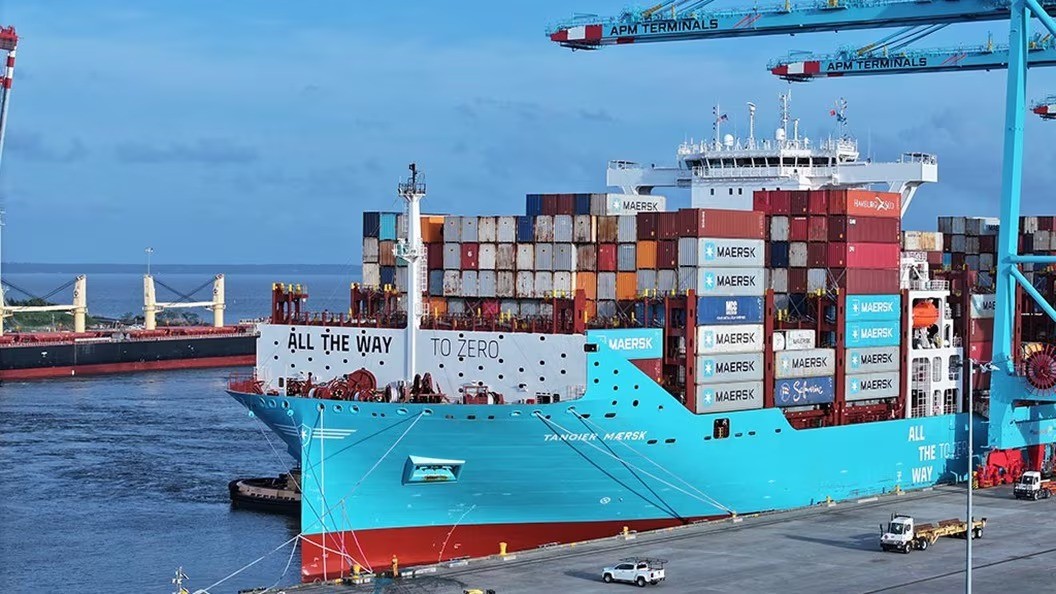
Maersk Completes First U.S. Ethanol Bunkering for a Deep-Sea Containership
 Sustainability
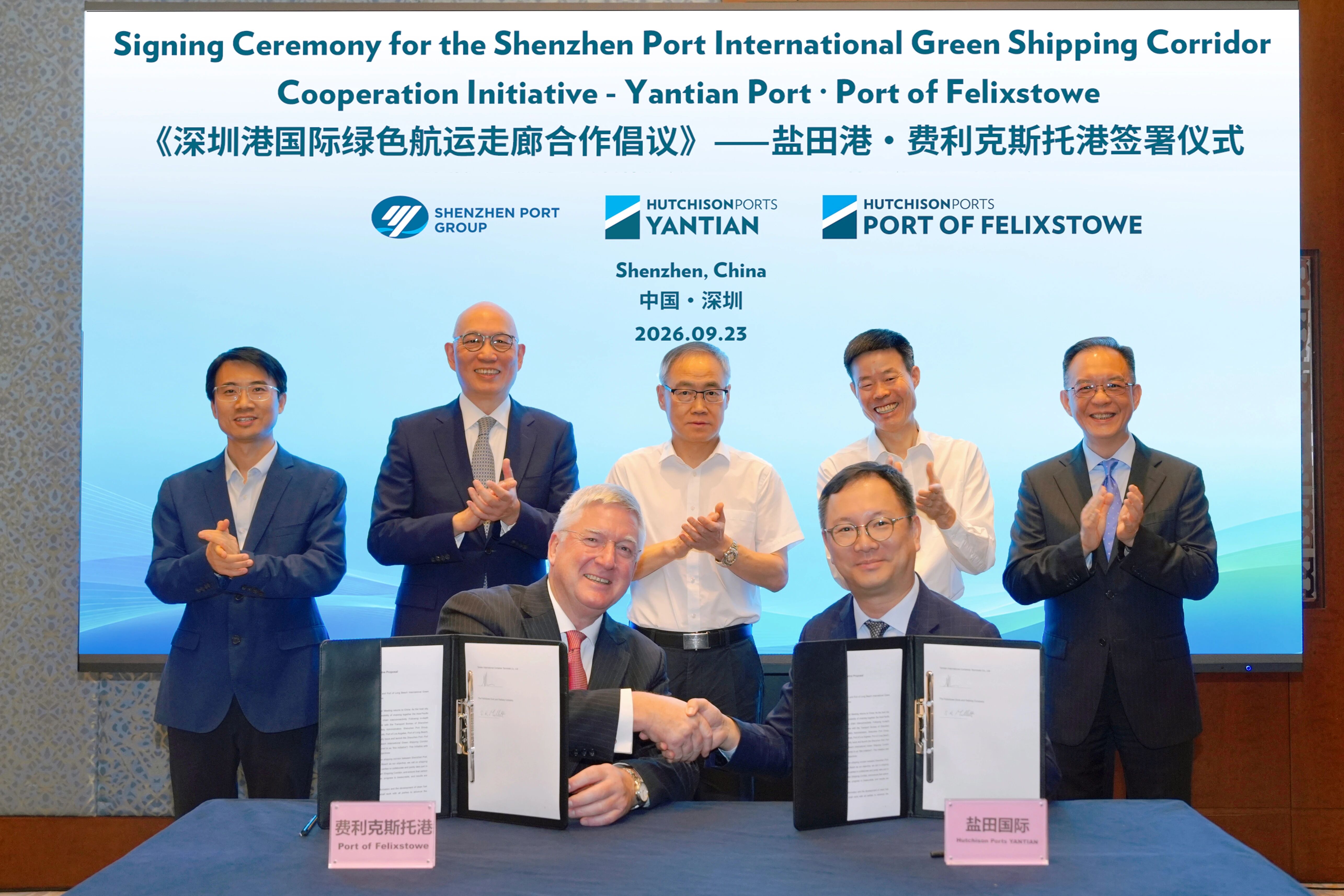
Yantian and Felixstowe Sign Green Shipping Corridor Cooperation Initiative
 Sustainability
Japan Completes Methanol Transport and Bunkering Vessel
 Sustainability
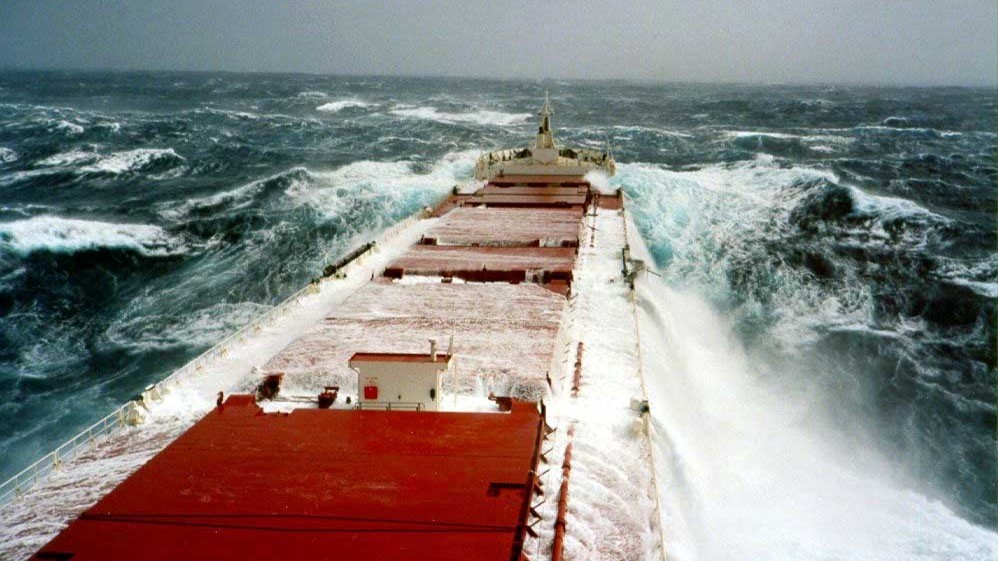
In this Chaos world,How Can Your Shipping Company Weather the Next Storm?
 Sustainability
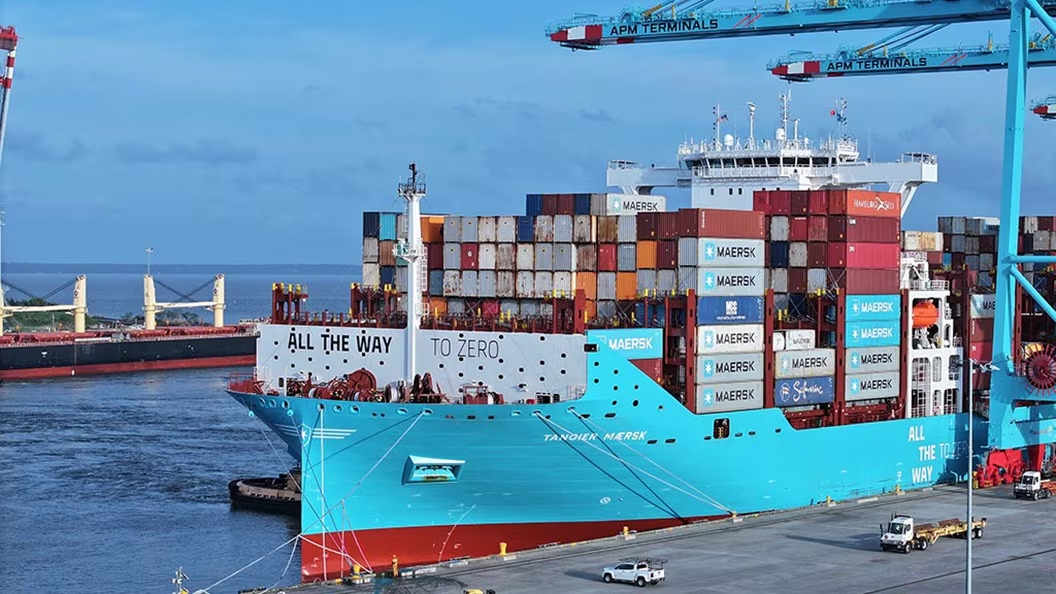
Maersk Bunkers U.S.-Produced Corn Ethanol
 Sustainability
‘While I am President, there will be no global taxes’
 Sustainability
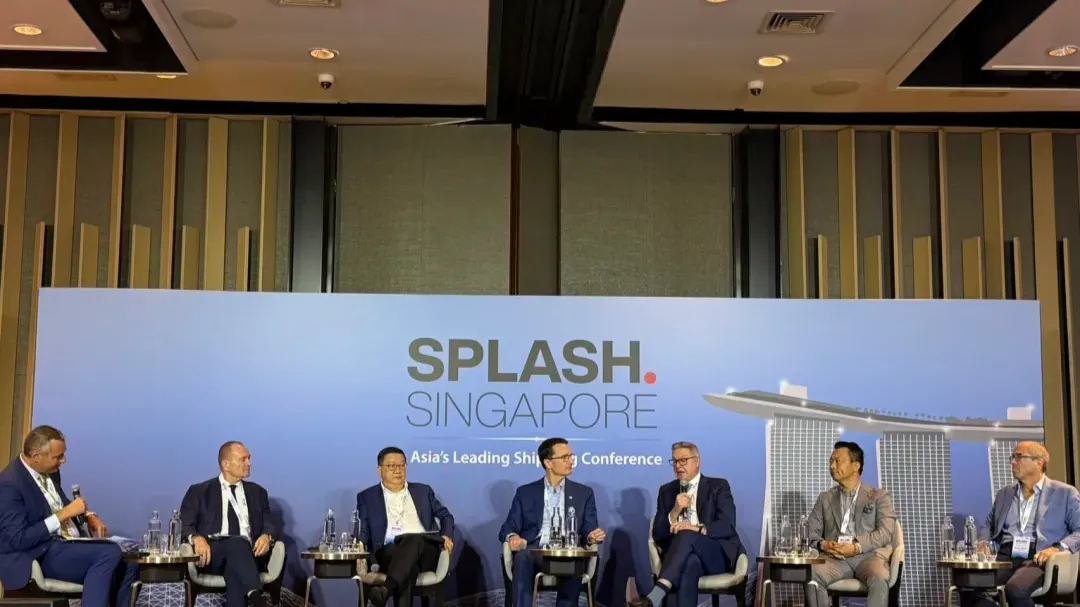
When the Future Can No Longer Be Predicted, How Do Shipping Companies Survive?
 Sustainability
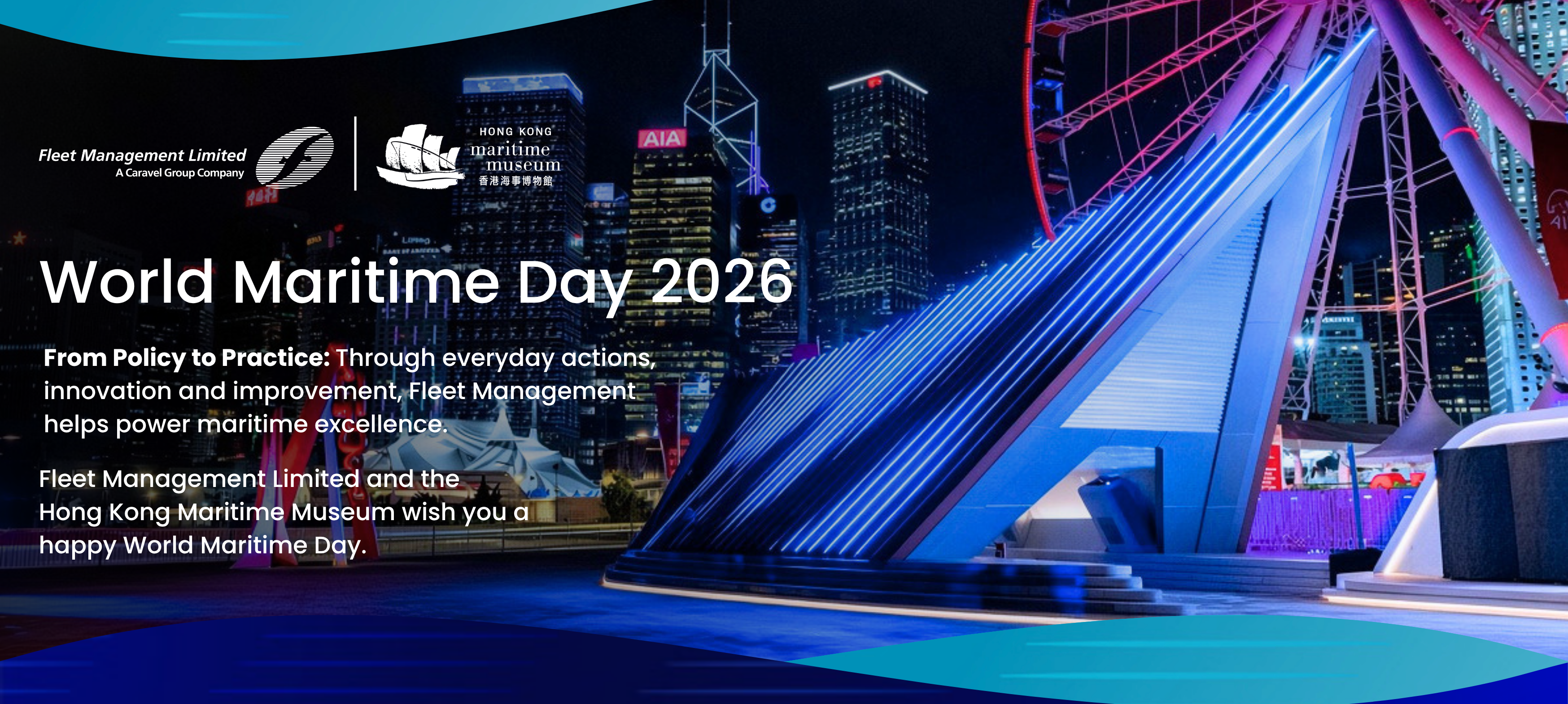
Fleet Management Lights Up Anchor Plaza in Blue for World Maritime Day 2026
 Sustainability
COSCO , CMA CGM and SIPG Join Launch of International Green Shipping Corridor Alliance
 Sustainability