


From 60% to 30%: Shipping’s Decarbonisation Drive Faces an Industrial Reality Check
Around 60% of the engines delivered by Everllence in 2025 were dual-fuel units. Only one year later, dual-fuel engines account for approximately 30% of the company’s current orderbook.
That shift was one of the most striking data points to emerge from the second panel at the opening conference of SMM Hamburg 2026. Dual-fuel engines have been widely regarded as a practical response to uncertainty over shipping’s future fuel mix, allowing a vessel to operate on conventional fuel while retaining the ability to use methanol, methane or, increasingly, ammonia. Yet shipowners’ willingness to pay for that flexibility appears to be weakening as uncertainty persists over global regulation, green-fuel availability, fuel prices and the commercial rewards for reducing emissions.
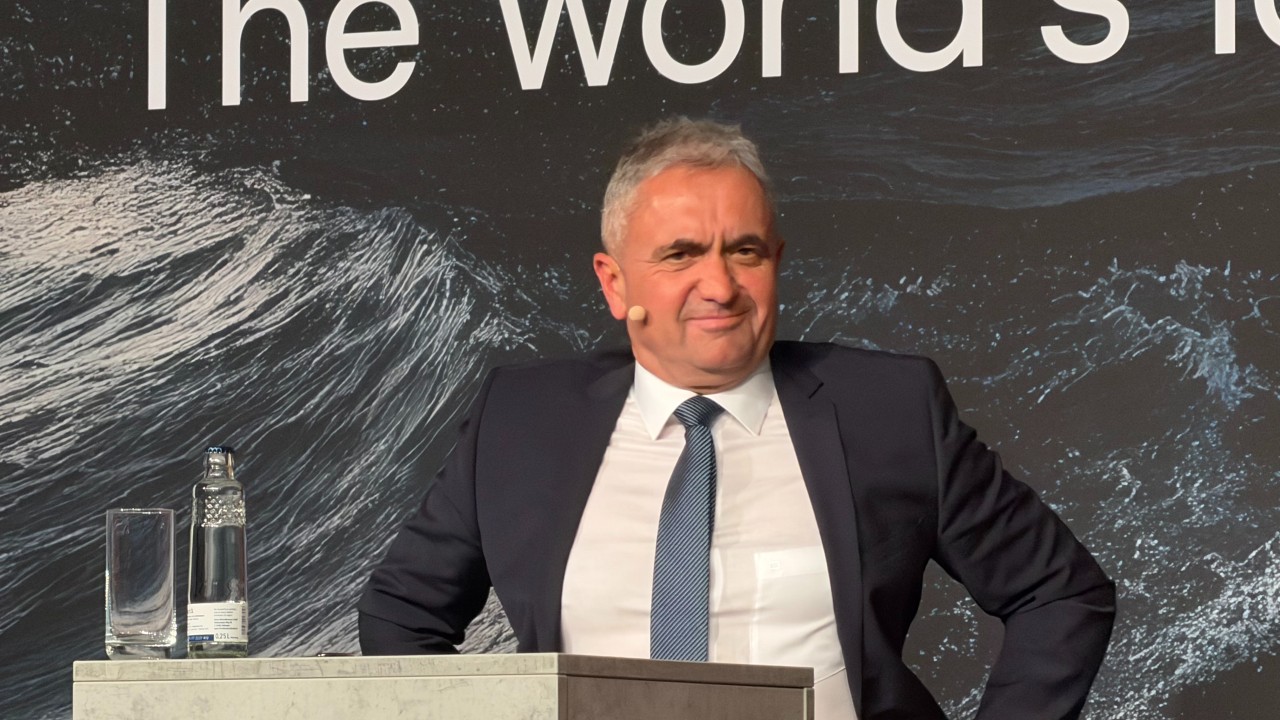
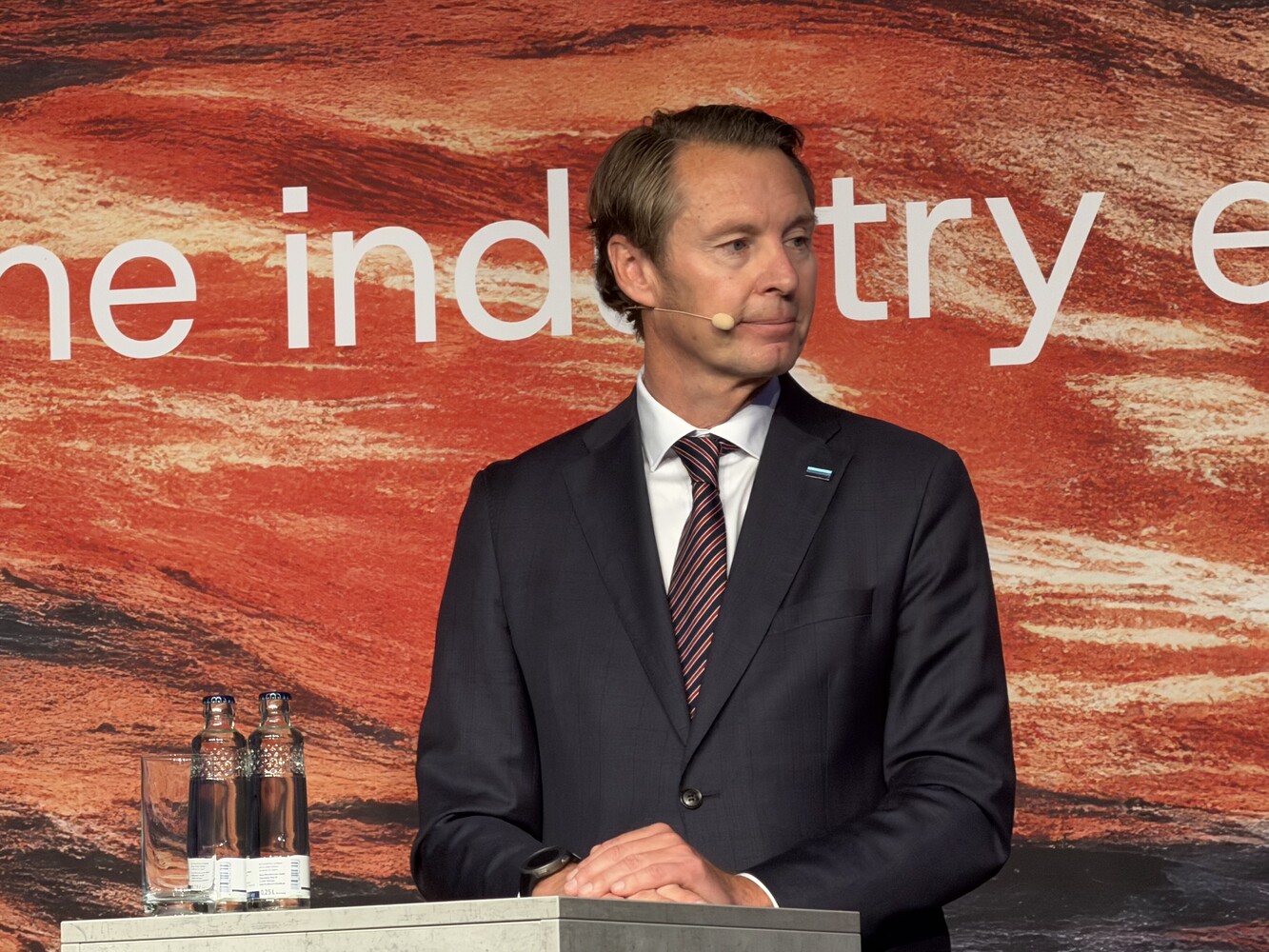
The panel, titled “From Net Zero to AI: The Industrial Reality Check”, brought together DNV Group President and CEO Knut Ørbeck-Nilssen , German Shipowners’ Association President Dr Gaby Bornheim , Everllence CEO Dr Uwe Lauber and Meyer Turku Chief Strategy and Transformation Officer Anu Ahola .
Representing classification, shipowners, engine manufacturing and shipbuilding, the speakers reached a broadly similar conclusion. Shipping already has access to many of the technologies required for decarbonisation and digitalisation. Deployment is being constrained by global rules, fuel infrastructure, capital allocation, safety requirements, data quality and the availability of skilled people.
The technology is advancing. The surrounding industrial system is struggling to keep pace.
Technology is ready, but policy certainty is not
“The technology is ready. That is the simple part,” Lauber said at the beginning of the discussion.
What shipping lacks, in his view, is a credible and dependable regulatory framework capable of supporting long-term investment. The IMO must define the emissions-reduction trajectory and its deadlines while preserving technological neutrality. Methanol, ammonia, biofuels, LNG, synthetic fuels, fuel cells, carbon capture and other solutions should be allowed to demonstrate their value through engineering experience and market competition.
A market-based mechanism may also be required to ensure that investment in lower-emission technology can generate a return. Without a sufficiently clear emissions pathway, carbon-pricing system and implementation schedule, companies cannot calculate the commercial value of investing in new ships, engines, fuels and infrastructure.
Shipping’s target of reaching net-zero emissions by or around 2050 remains in place, but maritime assets operate on much longer cycles than many other industrial technologies. Ørbeck-Nilssen noted that a ship may remain in service for 25 or 30 years. Owners cannot move from propulsion technology A to B and then C every few years.
A vessel ordered today may still be operating close to 2050. Every investment decision therefore risks locking in a particular fuel, propulsion and emissions profile for decades.
Shipowners consequently need more than technical demonstrations. They need visibility over future fuel supply, bunkering infrastructure, carbon accounting, regulatory recognition and operating costs. They must understand which emissions will be priced, whether regional and global systems will overlap, and whether a ship compliant in one market will face different obligations elsewhere.
In the absence of those conditions, owners may postpone investment even when the underlying machinery is available.
The decline in dual-fuel demand is a market warning
Everllence ’s changing engine mix illustrates how regulatory uncertainty is already influencing capital expenditure.
Lauber said approximately 60% of the engines delivered by Everllence in 2025 were dual-fuel units. At that time, decarbonisation dominated the maritime agenda. Shipowners did not know which fuel would ultimately prevail, but they were prepared to pay for propulsion systems that preserved future optionality.

A dual-fuel engine could use conventional fuel while also being equipped for a second fuel such as methanol, methane or ammonia. This allowed vessels to operate before sufficient volumes of lower-emission fuel became available while retaining a pathway towards future conversion.
Dual-fuel engines now represent only around 30% of Everllence’s current orderbook, according to Lauber. Customers have become less willing to invest because they still cannot identify the likely direction of the market over the next five years.
Dual-fuel engines involve higher initial expenditure and greater system complexity. They may also carry an efficiency penalty because the machinery cannot be fully optimised for two different fuels at the same time. If owners cannot see a dependable commercial return, many may choose a more efficient and less expensive conventional single-fuel engine.
This creates a potentially damaging feedback loop. Shipowners delay or reduce orders for alternative-fuel vessels because fuel and regulation remain uncertain. Engine manufacturers then face weaker demand for new technologies. Fuel producers and ports see fewer committed users and become more cautious about infrastructure investment. The resulting lack of supply further reinforces shipowners’ reluctance to order.
Lauber made the implications clear. Without greater certainty, he would not continue investing indefinitely in entirely new engine types for alternative fuels. Regulatory delay has therefore moved beyond policy debate and entered corporate R&D budgets and capital-allocation decisions.
Green fuels require an entire industrial ecosystem
Ørbeck-Nilssen described shipping’s road to net zero as one with many curves and very limited visibility beyond the next bend. Individual technologies are progressing, but fuel production, port infrastructure, ship construction, safety systems and end-user demand are not maturing at the same speed.
Shipping forms only one part of a much larger energy and supply-chain system. A vessel equipped to use ammonia or green methanol has limited value if commercial volumes of the fuel are unavailable, prohibitively expensive or absent from the ports along its trading route.
The fuel pathway begins with renewable-energy generation and, in many cases, low-carbon hydrogen. It then extends through fuel synthesis, storage, transport, bunkering and safe use on board. A weakness in any part of this chain can undermine the commercial case for the vessel.
Ports wait for evidence of future vessel demand before investing in tanks, pipelines and bunkering facilities. Shipowners wait for reliable fuel supply before placing orders. Energy companies seek long-term offtake agreements before committing billions of dollars to production. The industry remains trapped in the familiar chicken-and-egg problem.
Lauber highlighted the importance of hydrogen. Shipping can discuss methanol, ammonia and synthetic fuels, but many of these pathways cannot scale without sufficient volumes of low-carbon hydrogen. The number of announced projects is less important than the amount of competitively priced fuel that will actually reach commercial production.
Safety adds another layer to the industrial challenge. Methanol, ammonia, hydrogen and other low-flashpoint fuels have different characteristics involving toxicity, flammability, storage temperatures, leakage, ventilation and firefighting. Fuel production may scale faster than international regulation, ship design and crew training.
The IMO Maritime Safety Committee has identified 51 regulatory gaps and barriers that could hinder the adoption of alternative fuels and new technologies, along with 32 recommendations for addressing them. Interim guidelines for ships using ammonia as fuel have been issued, while work continues on fuel-specific training and a broader GHG safety framework.
Decarbonisation has therefore entered an engineering and institutional phase. Emissions targets must be translated into vessels that can be designed, financed, built, fuelled, crewed, insured and operated safely.
The transition cannot depend on one fuel
Ahola urged the industry to look beyond a single-fuel solution. Meyer Turku’s Avatar net-zero cruise-ship concept is intended to reduce lifecycle CO₂ emissions by approximately 90% compared with the IMO reference vessel.
Avatar is not one product that a customer must either accept or reject. It is a portfolio of technologies that can be combined according to the vessel and operating profile. Fuel is a major element, but the concept also includes lightweight structures, hydrodynamic improvements, intelligent energy management, more efficient HVAC systems and a wider reconsideration of the ship’s design.
Many of these measures can deliver both emissions reductions and operating savings. Fuel-efficiency technologies, hull optimisation and energy-management systems do not always require permanent subsidy because lower consumption can repay the investment.
This provides a practical route for shipowners facing uncertainty over the future fuel mix. They can deploy commercially mature efficiency measures, preserve an appropriate degree of fuel flexibility at the newbuilding stage, and adjust later investments as fuel availability, carbon pricing and regulatory requirements become clearer.
The transition can therefore progress through a combination of immediate efficiency gains, fuel optionality and longer-term propulsion decisions. Waiting for one definitive fuel winner would risk delaying investments that are already technically and commercially viable.
Governments, industry and consumers will share the cost
Shipping’s transition will require substantial capital across multiple industries. Shipowners must invest in vessels and engines. Ports need storage, pipelines and bunkering facilities. Energy companies must develop renewable power, hydrogen and fuel-production capacity. Shipyards, manufacturers and classification societies must fund design, testing, certification and safety systems.
Ørbeck-Nilssen said risk must initially be shared across the system. Shipowners invest in vessels, ports in infrastructure and energy companies in production. Government support can reduce the risks of early deployment through subsidies, guarantees, taxation measures, public procurement and demonstration projects.
As technology matures and production scales, a greater proportion of the cost can be passed through the market. Consumers are likely to pay eventually through freight rates and product prices, but the early investment phase cannot depend entirely on the expectation of future transport revenues.
First movers face the risks of technological failure, insufficient fuel, regulatory change and stranded assets. Companies that wait may continue using less expensive conventional technology. Without common rules and appropriate incentives, the market may reward delay and penalise early action.
Bornheim warned that European shipowners could face overlapping obligations under the EU Emissions Trading System, FuelEU Maritime and a future global IMO mechanism. Regional and global systems may require European companies to pay several times for the same emissions while competitors elsewhere do not face equivalent costs.
If European operators remain structurally more expensive, vessels, companies, capital and maritime expertise may migrate to regions with lower regulatory and operating costs. Decarbonisation policy must therefore be designed with competitiveness in mind.
India’s presentation at the same opening conference offered a contrasting industrial-policy approach. The Indian government is supporting shipbuilding expansion through a package worth approximately EUR7 billion, with higher financial assistance available for green-fuel vessels. Three Indian ports have been identified as hydrogen hubs, while infrastructure is being prepared for methanol and ammonia bunkering.
India is connecting vessel demand, shipyard expansion, equipment manufacturing, green fuels and port infrastructure within one policy framework. It views maritime decarbonisation as an opportunity to expand industrial capacity rather than solely as a compliance cost.
AI is already in shipping, but the data foundation remains weak
When the panel moved from net zero to artificial intelligence, Lauber delivered an equally direct message: AI is not something that will arrive in the future. It is already here.
Artificial intelligence is entering voyage planning, weather routing, fuel optimisation, predictive maintenance, energy management, shipyard production and cruise operations. The central question has shifted from whether the maritime industry will use AI to how it can deploy the technology at scale while retaining control over risk.
Bornheim said shipping already uses digital systems for forecasting, voyage planning and fuel-efficiency management. AI can expand these capabilities by dynamically analysing fuel costs, emissions, weather, port congestion and scheduling requirements. It may also support spare-parts management, equipment-failure prediction, contract analysis and shore-based fleet management.
The industry’s data, however, remains highly fragmented. Ships contain equipment supplied by multiple manufacturers, often using different formats and interfaces. Shipowners, managers, charterers, ports, equipment companies and classification societies control different parts of the information chain. Historical datasets may also lack consistent definitions and quality standards.
Ørbeck-Nilssen stressed that AI needs structured, high-quality data. Converting fragmented and unstructured information into a dependable dataset requires substantial effort. Once that work is completed, data can become one of the company’s most valuable assets.
Digital capability also differs sharply across the maritime sector. Large shipping groups may have integrated platforms and specialist teams, while many smaller owners still depend on separate systems and manual processes. AI could widen the operational-efficiency gap between companies and accelerate consolidation in ship management, procurement, insurance and commercial operations.
Data sovereignty and human responsibility must remain clear
As AI adoption expands, cybersecurity and data governance become more important. Lauber argued that the industry should focus less on fearing AI and more on implementing it securely and effectively.
Navigation, engine control, cargo management and shore-based operating platforms are increasingly connected. A cyberattack may therefore develop from an information-security incident into a machinery, navigation or human-safety event.
Ørbeck-Nilssen said companies must retain control over data governance, security and sovereignty. When data is processed by external platforms, shipowners need to understand where it is stored, who can access it, whether it is being used to train other models, and who carries responsibility if it is compromised.
AI-generated recommendations must also remain traceable. A shipping company needs to understand why a system is recommending a particular route, maintenance action or operational decision, especially when safety, emissions compliance and commercial responsibility are involved.
Bornheim placed the human element at the centre of this framework. Digital systems can support onboard decisions, but the master remains responsible for the final judgement. Weather, machinery failure, communication loss and emergency situations may fall outside the conditions on which an AI model was trained. Experienced seafarers bring pragmatism and adaptability when unusual conditions arise.
AI is unlikely simply to eliminate maritime jobs. It will change the skills required at sea and ashore. Future seafarers and shore-based professionals will need knowledge of vessel operations as well as digital systems, data analysis, cybersecurity, automation and new-energy technologies.
Europe must connect technology with industrial competitiveness
The final part of the discussion addressed the future position of European shipping and shipbuilding.
Ahola said Europe must choose the areas in which it intends to remain strong. These include complex vessels, advanced equipment, high-end design, system integration and technologies that support the renewal of Europe’s industrial base.
European shipyards may struggle to compete with Asia across every standardised vessel category, but Europe retains substantial capabilities in cruise ships, specialised vessels, offshore engineering, engines, automation, classification and complex maritime systems.
Lauber proposed a clear measure of success. By 2030 or 2035, Europe should be able to demonstrate how much global shipping emissions have been reduced by technology developed in Europe. Industrial leadership should be measured through equipment and systems deployed across the world fleet, along with the emissions reductions they deliver.
Bornheim identified global regulation as another critical indicator. A genuinely global framework by 2035 would help preserve fair competition and make Europe a more attractive location for shipping investment. An accumulation of regional requirements could produce the opposite result.
Ørbeck-Nilssen defined success through the continued integration of the European maritime ecosystem. Shipowners, operators, manufacturers, shipyards, energy companies and technology institutions must remain connected through a common industrial platform. Investment in defence and energy security may also support innovation in sensors, communications, automation, cybersecurity and new propulsion technologies, with wider benefits for civilian maritime industries.
Talent will determine whether that ecosystem can survive. Bornheim said shipping must communicate more effectively with young people and demonstrate that it is an international, digital and increasingly sustainable industry. Lauber acknowledged that many people living far from the coast still regard shipping as an old-fashioned business because its technology and strategic importance remain largely invisible.
Ahola offered a practical shipbuilding perspective: the best recruitment advertisement for a shipyard is a strong orderbook. When students and jobseekers see long-term demand and understand the range of skills required to deliver it, they can see a future for themselves in the industry.
Decarbonisation and AI have entered the delivery phase
The industrial reality revealed at SMM Hamburg 2026 was not one of technological stagnation. Engines, alternative fuels, efficiency systems, artificial intelligence, automation and even nuclear propulsion are all progressing.
The principal constraints now lie in global regulation, fuel supply, port infrastructure, capital returns, safety standards, data systems and human capability.
Decarbonisation and AI face remarkably similar industrial conditions. Technical prototypes can emerge quickly, but commercial deployment requires long-term investment and common standards. One company can move early, but system-wide transformation depends on energy producers, ports, shipyards, shipping companies, financiers, regulators and technology providers progressing together.
Digital systems can improve efficiency, but reliable results depend on high-quality data, cybersecurity and professional human judgement. Alternative-fuel engines can be manufactured, but their commercial value depends on the availability, price and regulatory treatment of the fuel.
IMO Secretary-General Arsenio Dominguez used his closing remarks to remind the industry that maritime security’s renewed prominence does not reduce the importance of decarbonisation. Alternative fuels are advancing but have not yet reached sufficient scale. The IMO is progressing work on ammonia safety and nuclear propulsion, while governments, energy producers, financiers, labour organisations and seafarers must all participate in the transition.
From Everllence’s shift from 60% dual-fuel deliveries to a 30% dual-fuel share of its current orderbook, to Meyer Turku’s Avatar concept targeting a 90% lifecycle emissions reduction, the industry has moved beyond general declarations of ambition.
The next phase will be measured through orders, fuel production, infrastructure, capital returns, operating reliability and actual emissions reductions.
The technology has arrived. The industrial system is still catching up.
This article was prepared from the full recording of the SMM Hamburg 2026 opening conference, the official programme and post-event materials. Speakers’ remarks have been translated and edited for clarity.

READ MORE
 Sustainability
Singapore Offers Up to S$250,000 for Electric Harbour Craft
 Sustainability
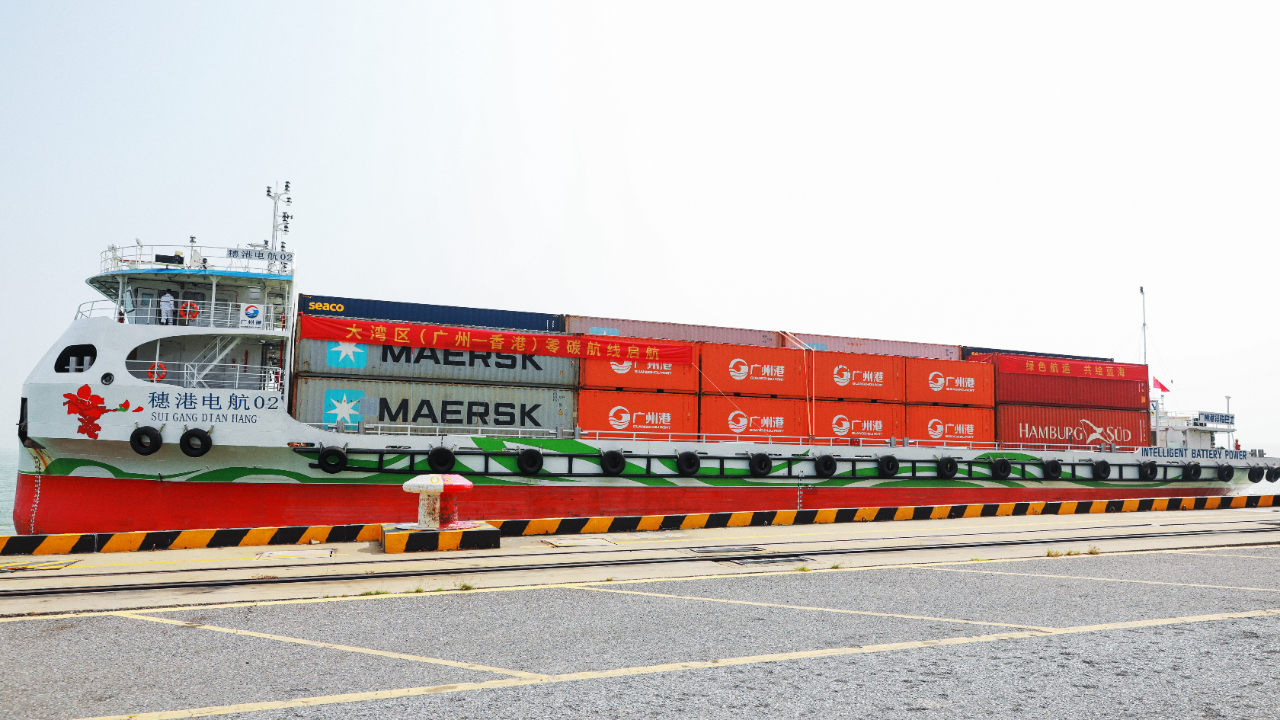
Greater Bay Area Launches First Zero-Carbon Container Shipping Route Between Guangzhou and Hong Kong
 Sustainability
1000Ton! CMB.TECH in World First Commercial STS Green Ammonia Bunkering
 Sustainability
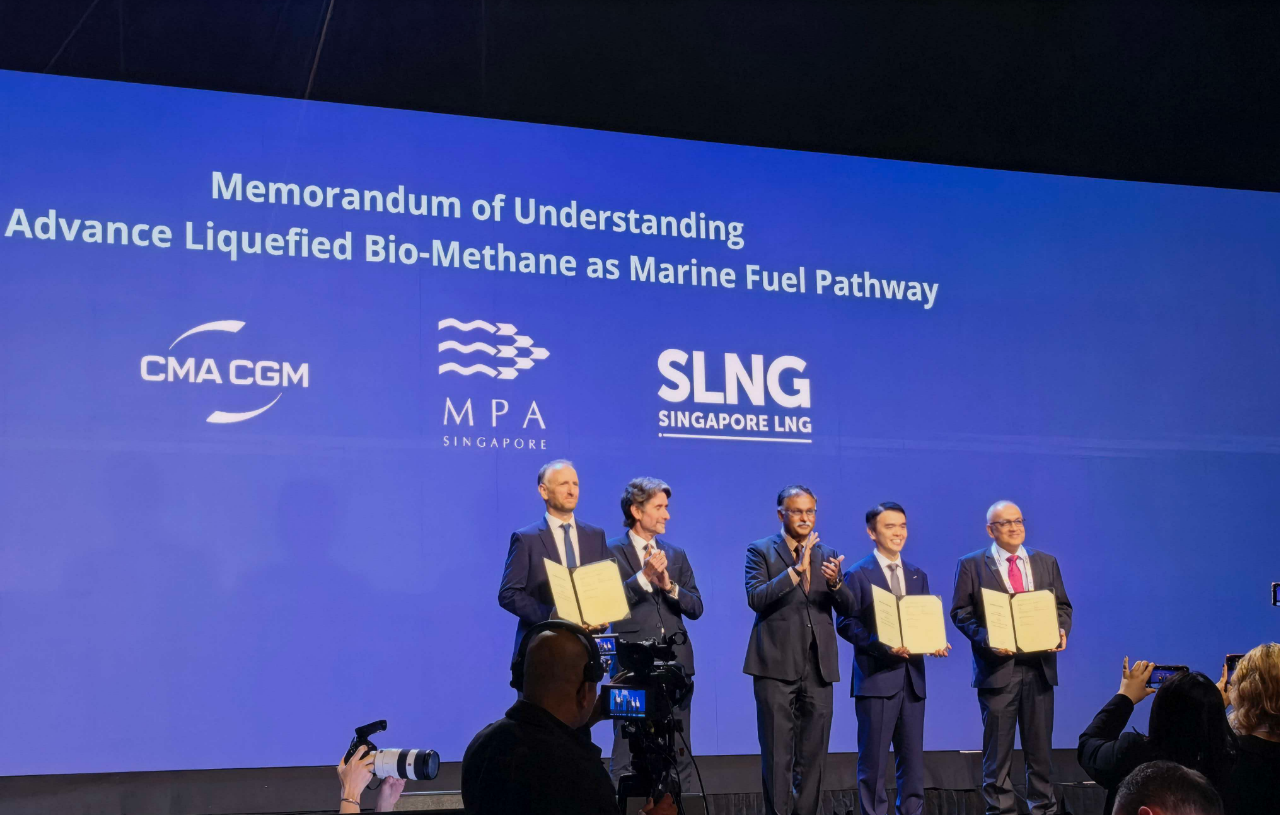
MPA, CMA CGM and SLNG Join Forces on Bio-LNG Bunkering
 Sustainability
China Sets 2028 Targets for Electric and Methanol-Powered Inland Vessels
 Sustainability
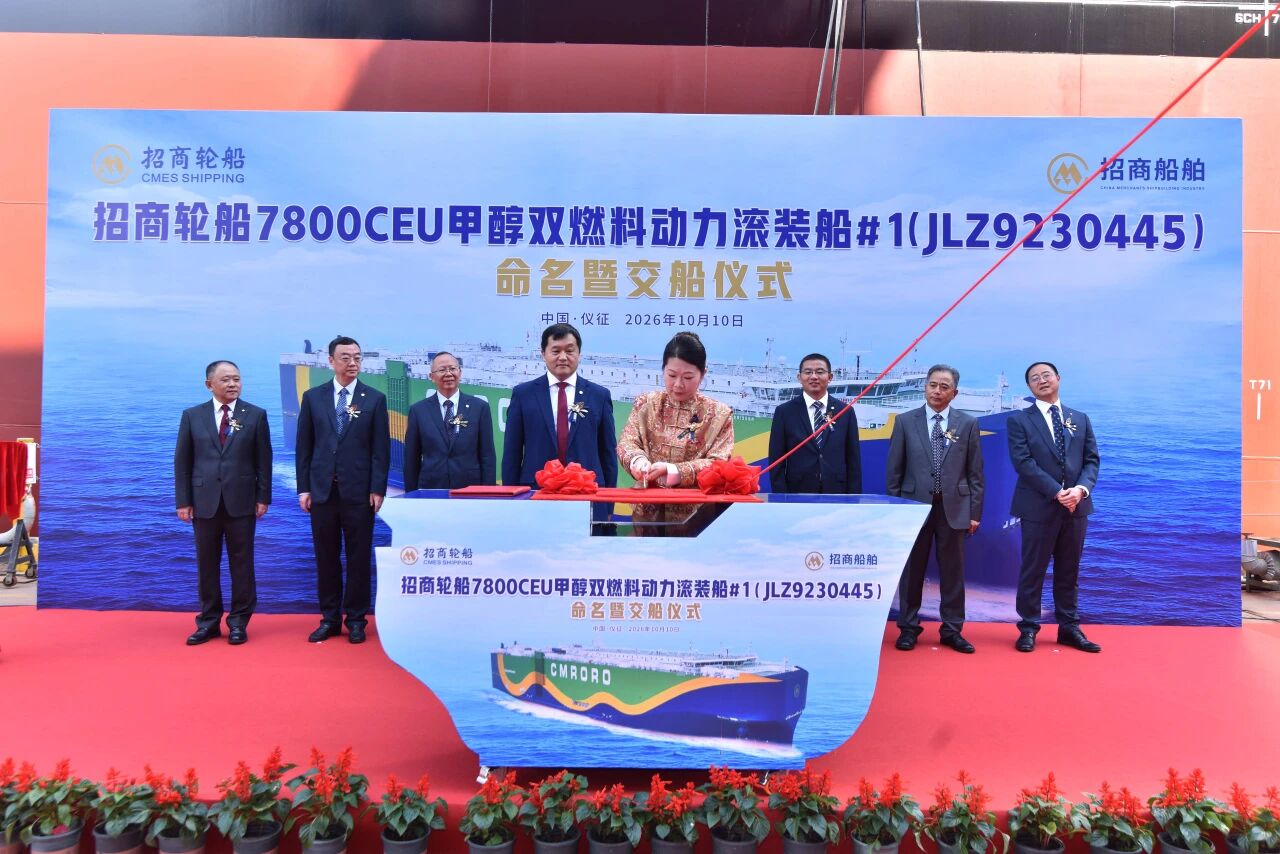
China Merchants Takes Delivery of Third Methanol Dual-Fuel Car Carrier
 Sustainability
Alexander Saverys :Green Ammonia Will Be Cheaper Than Diesel—Sooner Than You Think
 Sustainability
Beihai Delivers First Ammonia-Powered Bulker as Mineral Europa Sets Sail
 Sustainability
World's First Ammonia Dual-Fuel Bulker Delivered in China
 Sustainability