


Hapag-Lloyd Completes First Biomethanol Bunkering
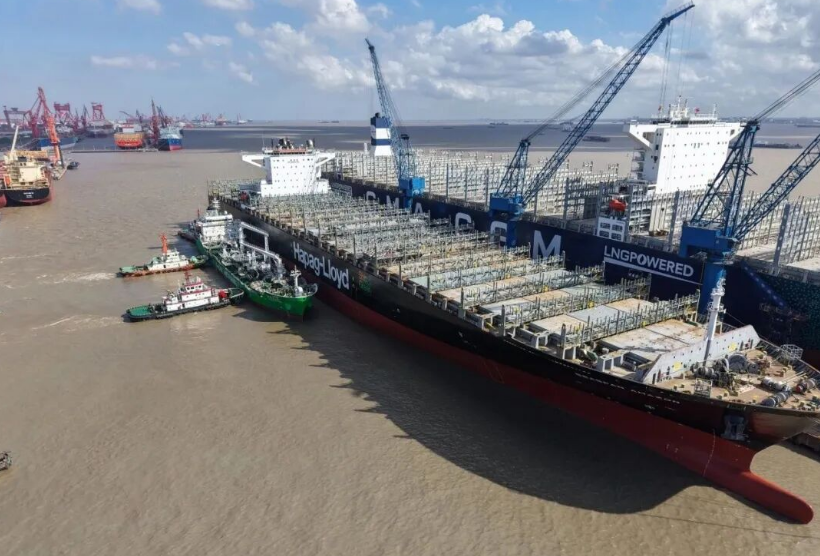

Hapag-Lloyd has completed its first biomethanol bunkering operation worldwide, taking on 3,000 tonnes of fuel aboard the Seaspan Amazon in Shanghai, according to fuel supplier SIPG Energy.
The delivery was carried out by SIPG Energy’s bunker vessel Haigang Zhiyuan between August 31 and September 1, 2026, at Shanghai COSCO Shipping Heavy Industry’s Changxing Island shipyard, where the containership underwent conversion to methanol dual-fuel propulsion.
The Seaspan Amazon is the second vessel in a series of 10,000-TEU containerships to complete the methanol conversion. Work included installing methanol storage tanks and fuel supply systems, modifying the main engine, and upgrading engine controls, remote-control systems and onboard automation. The yard also completed integrated testing and commissioning.
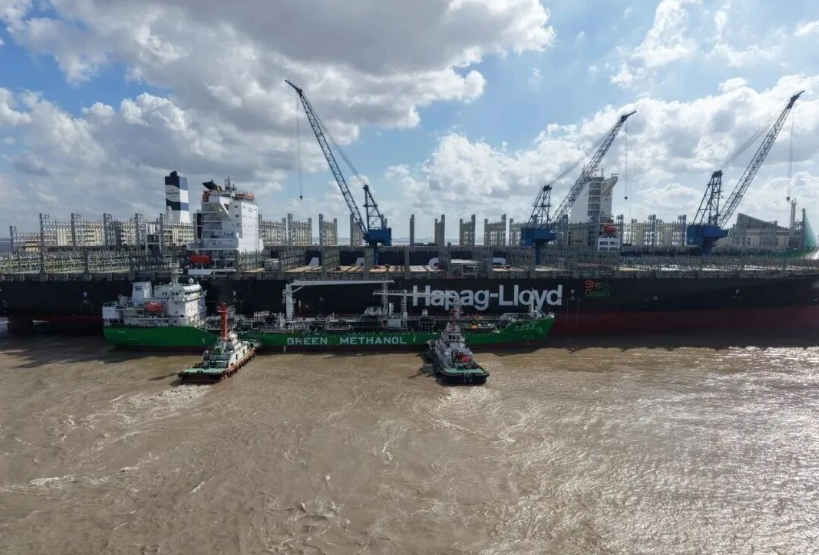
The conversion enables the vessel to operate on methanol as well as conventional marine fuel, expanding its fuel options and providing a route to lower greenhouse gas emissions when using sustainably produced methanol.
The project forms part of Hapag-Lloyd’s wider fleet decarbonisation programme. The German carrier plans to convert five large containerships to methanol propulsion in 2026–2027 and has ordered eight methanol dual-fuel newbuildings. Under its Strategy 2030, the company aims to reduce absolute greenhouse gas emissions by around one-third by 2030 and achieve net-zero fleet operations by 2045.

READ MORE
 Sustainability
IMO Chief Defends Net Zero Ambition in Shanghai as Shipping Awaits Clearer Rules
 Sustainability
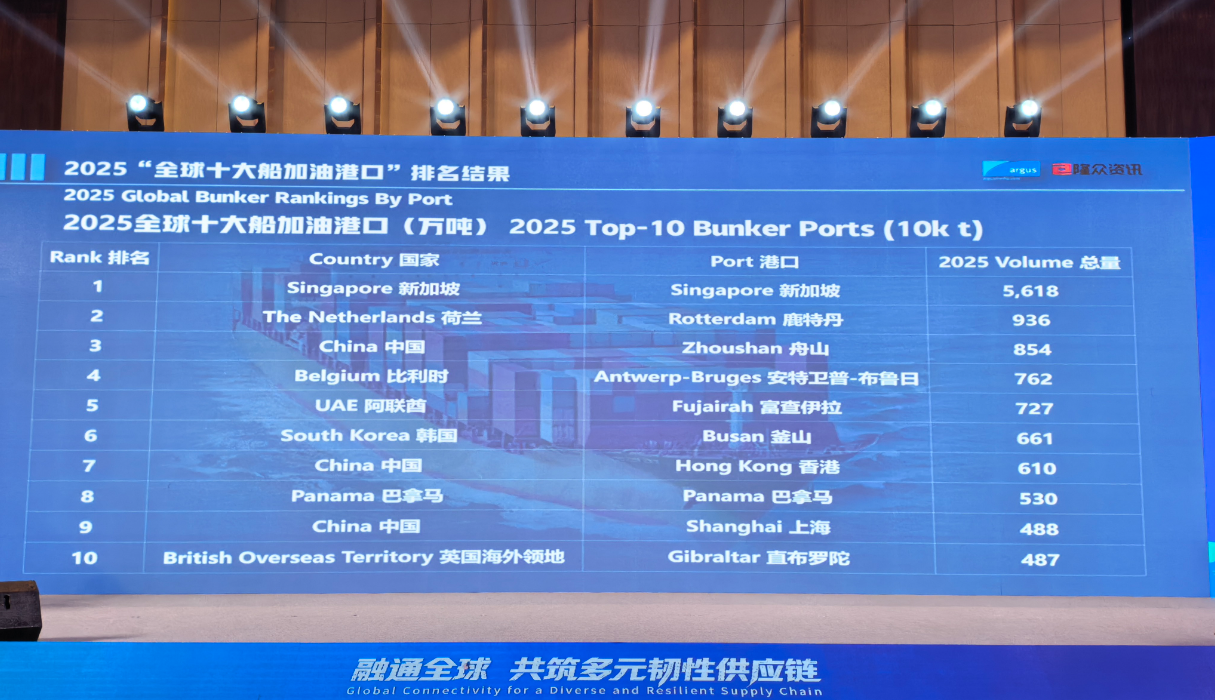
Zhoushan Overtakes Fujairah to Become World's Third-Largest Bunkering Port
 Sustainability
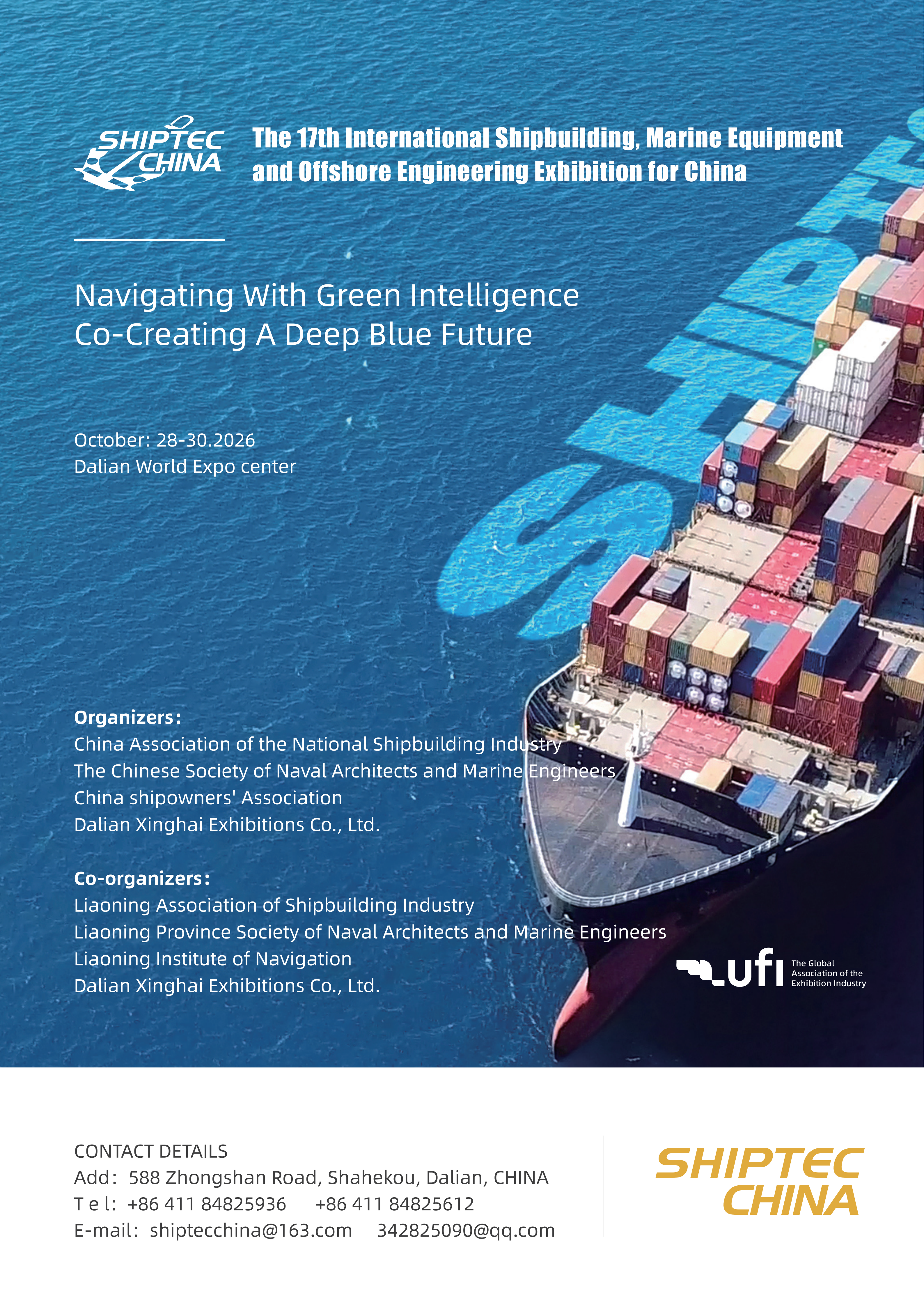
Shiptec China 2026.10.28-10.30 |Invitation of Green Energy for a Smart Future – Forum on New Energy Ship Technology and Ecosystem
 Sustainability
MI and Green Marine Partner to Strengthen Methanol Safety and Crew Training
 Sustainability
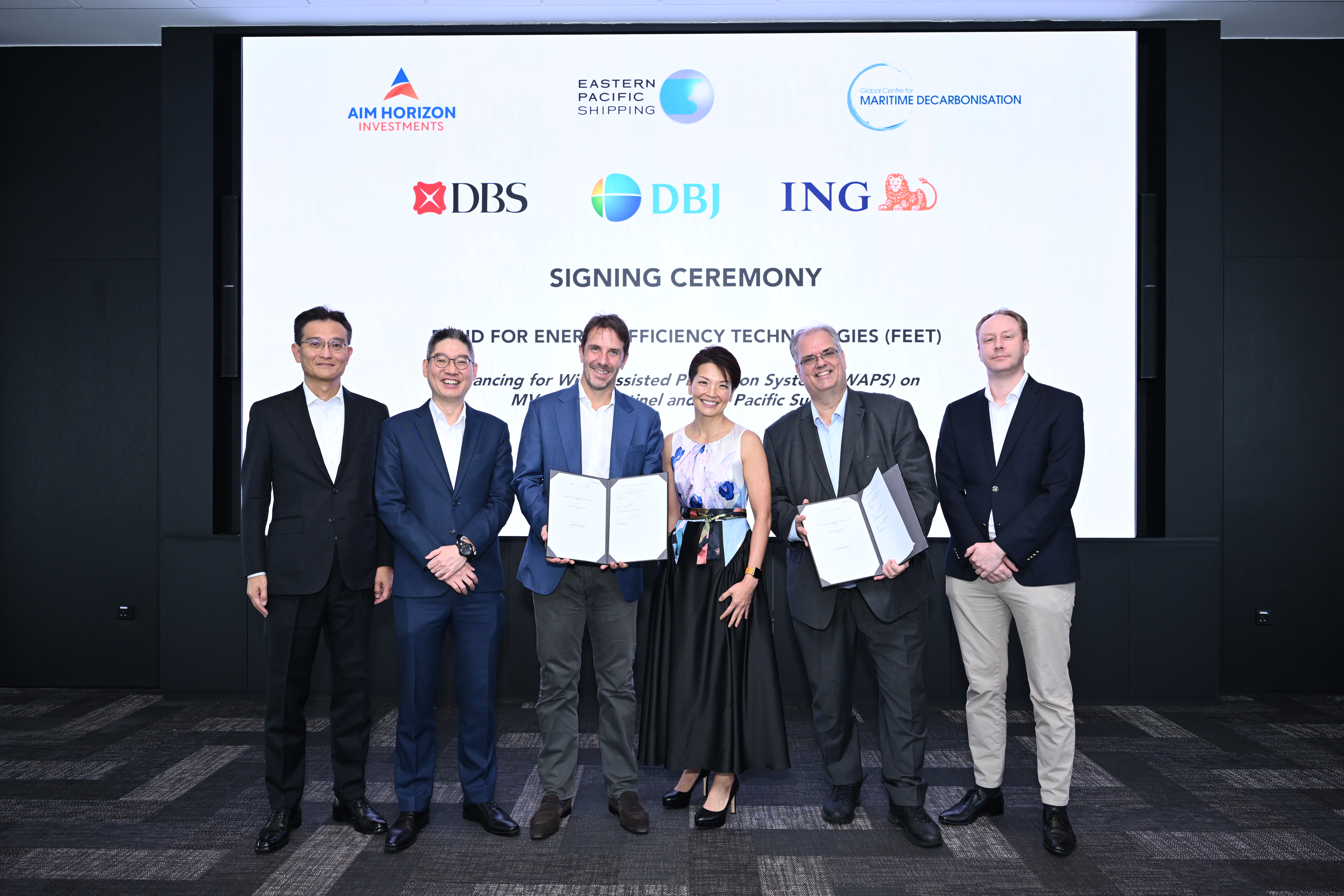
EPS Secures First FEET Financing for Two Wind-Assisted Vessels
 Sustainability
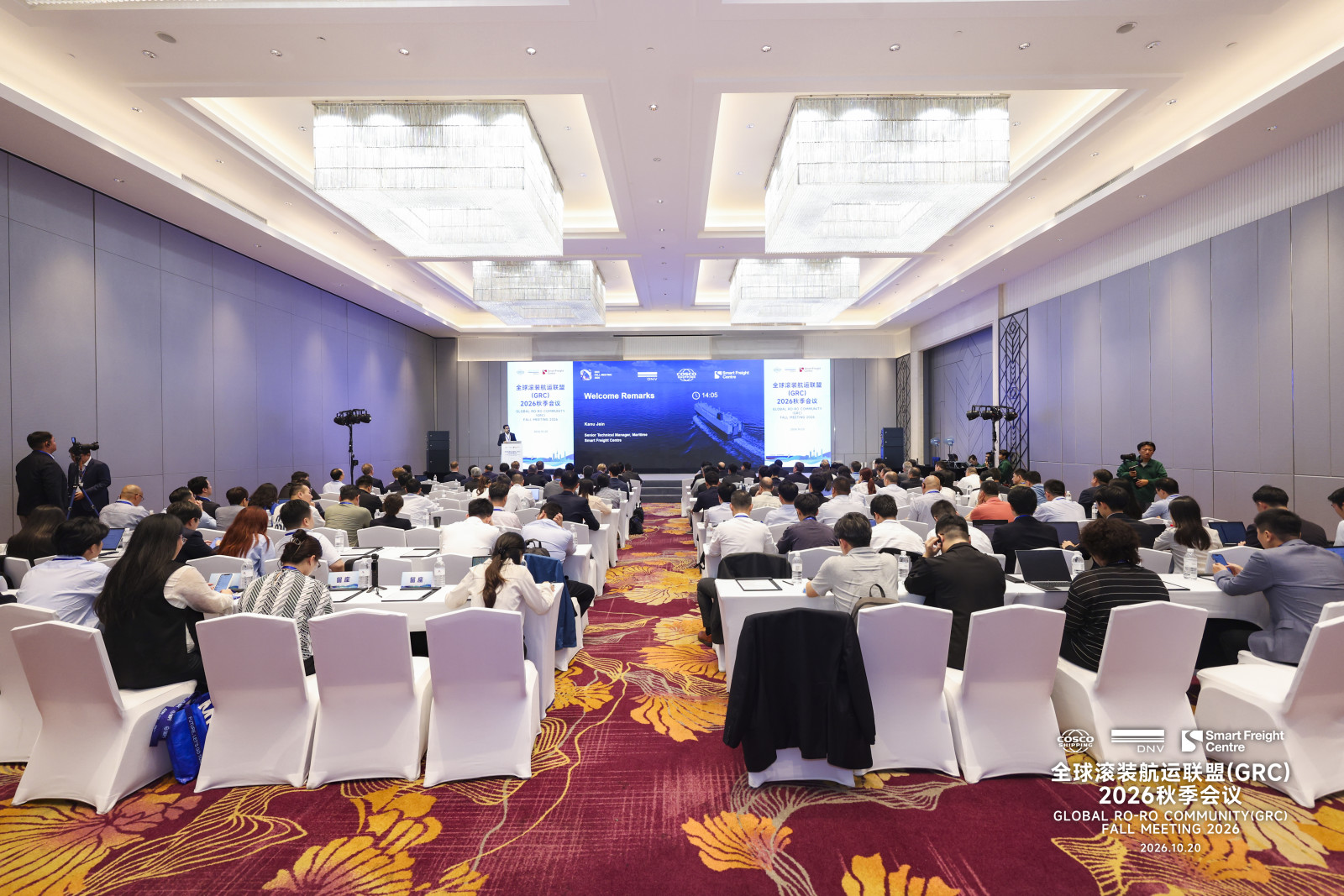
Car Carriers Face Fuel Supply and Emissions Accounting Challenges
 Sustainability
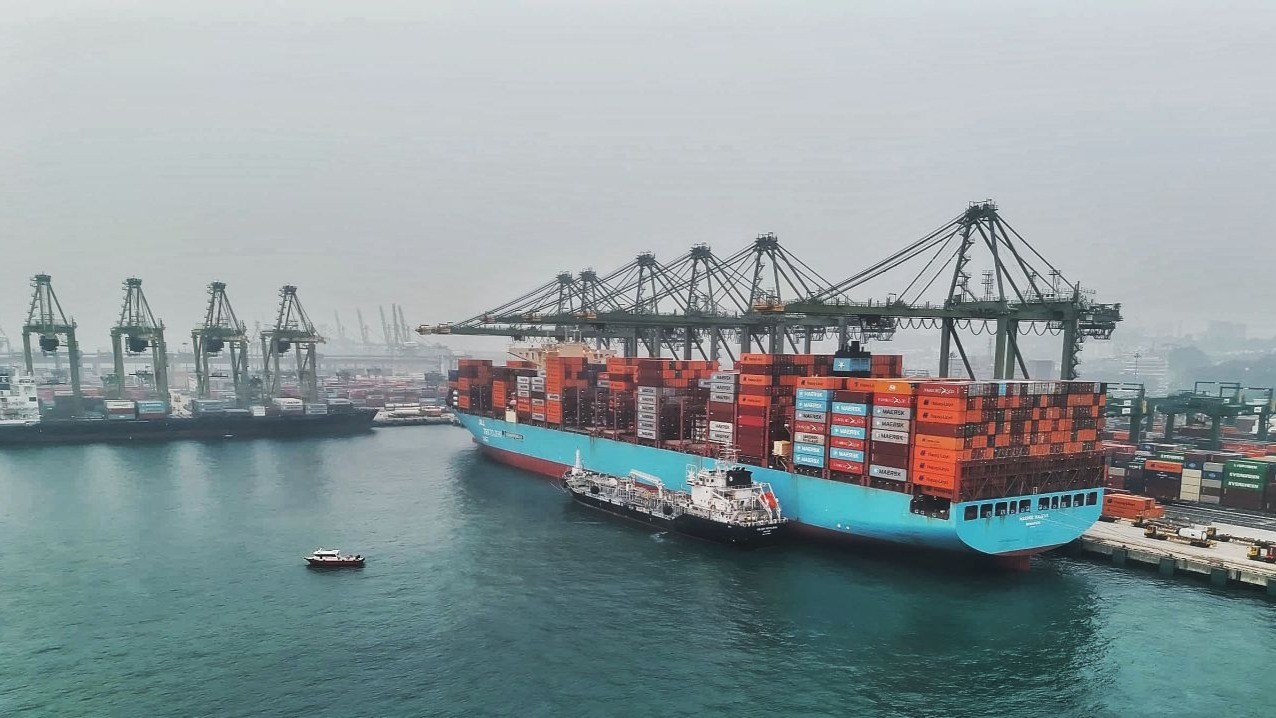
5,000 Tonnes: Maersk Completes World’s Largest Ethanol Bunkering in Singapore
 Sustainability
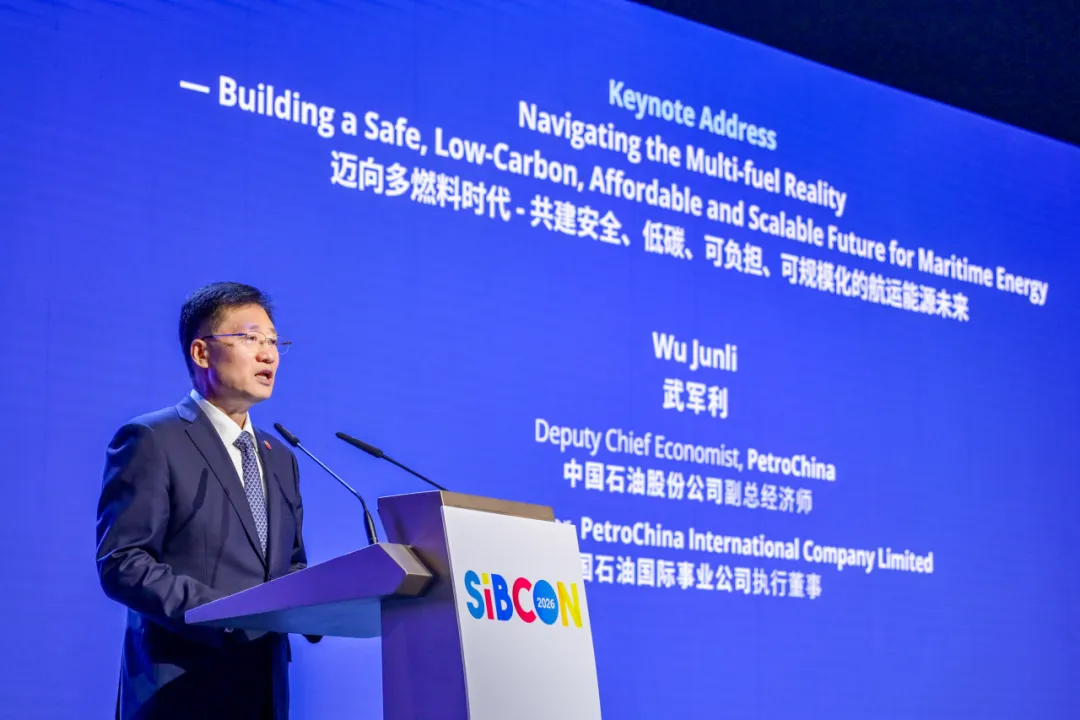
PetroChina Expands Multi-Fuel Bunkering in Singapore
 Sustainability
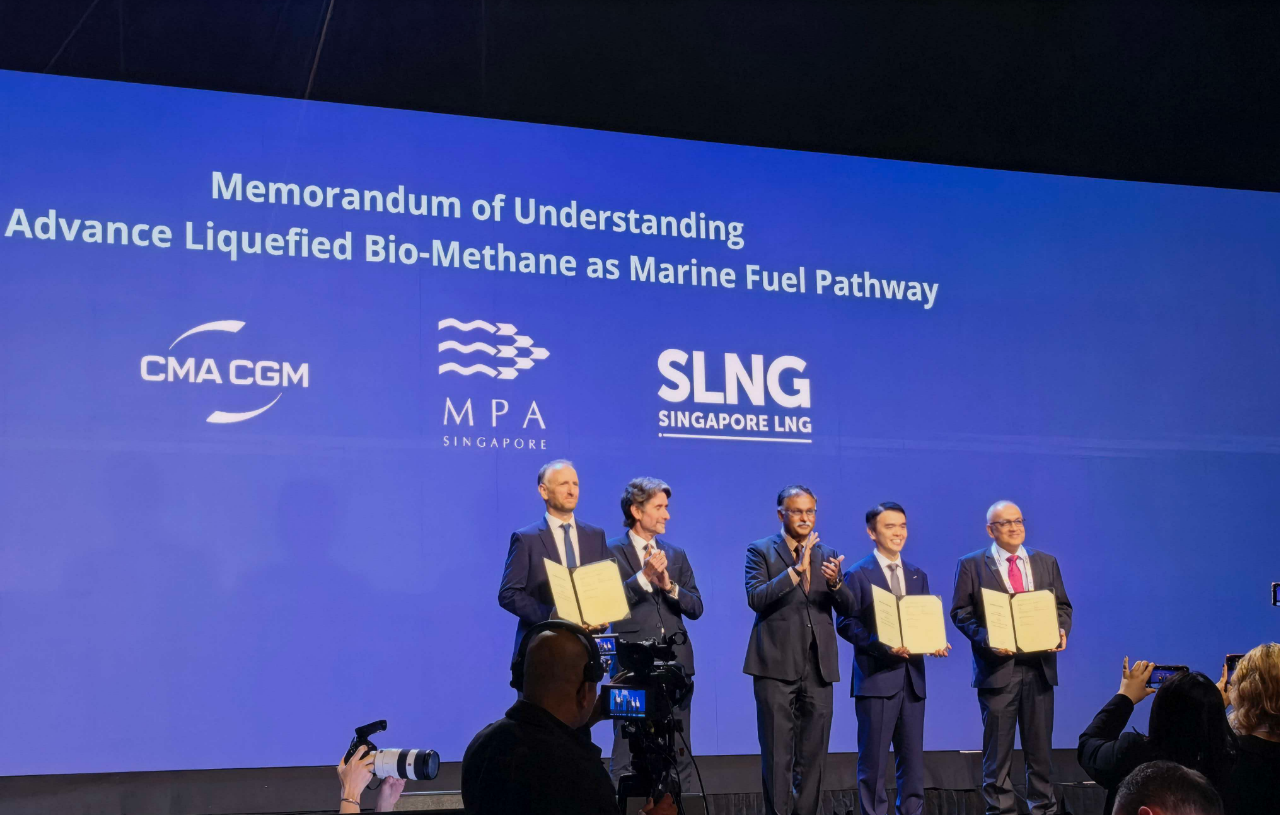
MPA, CMA CGM and SLNG Join Forces on Bio-LNG Bunkering
 Sustainability