


IMO Chief Defends Net Zero Ambition in Shanghai as Shipping Awaits Clearer Rules

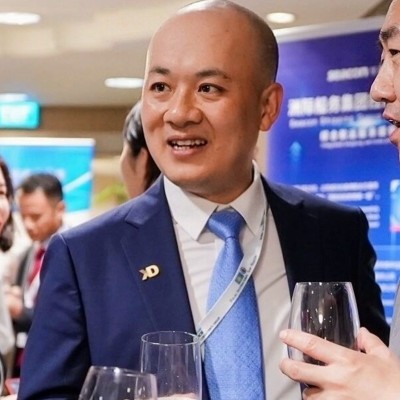
Retreating from shipping’s decarbonisation objectives is not an option, International Maritime Organization (IMO) Secretary-General Arsenio Dominguez said in Shanghai on 21 October. But he stopped short of promising that year-end negotiations would deliver formal adoption of the IMO Net-Zero Framework, stressing that Member States were still searching for a compromise capable of moving the process forward.
The roughly 45-minute discussion exposed a persistent tension in the maritime energy transition: long-term emissions objectives remain in place, while the rules needed to support immediate investment are still unsettled. Early movers want confidence that their spending will be rewarded. Smaller owners fear that compliance costs could raise barriers to survival. Other participants questioned whether further political compromise would leave the eventual framework capable of delivering the agreed emissions reductions. Alongside those concerns, attacks on merchant ships and the loss of seafarers’ lives brought the limits of international maritime governance into sharp focus.
Negotiations at year end face procedural constraints
The framework’s legal status remains central to understanding Dominguez’s remarks. In April 2025, IMO’s Marine Environment Protection Committee approved draft amendments to MARPOL Annex VI at its 83rd session, MEPC 83. The extraordinary session convened to consider formal adoption in October that year was subsequently adjourned for one year. As of the Shanghai discussion, the framework had therefore not been formally adopted, and the earlier timetable for its entry into force could no longer be treated as a confirmed compliance schedule. imo.org
Dominguez repeatedly referred to a period of 44 days, which, counted from 21 October, points to 4 December. IMO’s published schedule places the 23rd meeting of the Intersessional Working Group on Reduction of GHG Emissions from Ships on 23–27 November, followed by MEPC 85 on 30 November–3 December. The second extraordinary MEPC session is scheduled to resume on 4 December, subject to discussions at MEPC 85. Progress at year end will consequently depend on the outcome of several connected meetings. imo-newsroom.prgloo.com
He discussed proposals for reaching decisions as soon as possible, including the possibility of another meeting around three months later. He also explained that substantive changes could require a fresh six-month circulation period, and referred to a possible route towards adoption in 2027. These were negotiating options rather than agreed outcomes. IMO’s official guidance states that, following formal adoption, the regulations would be expected to enter into force approximately 16 months later. Reaching political agreement and beginning legally binding implementation remain separate stages.
His description of a positive outcome was accordingly measured: further progress and decisions that help deliver decarbonisation. For companies planning expenditure, the extent of agreement on the text, the remaining procedural steps and the work needed on implementation will provide a firmer basis for decisions than an assumption that a particular meeting must produce adoption.
Economic measures will shape the investment case
Dominguez described efforts to find common ground between the Net-Zero Framework and other proposals while retaining both technical and economic measures. He indicated that there was more shared understanding of the technical elements of a fuel standard, while the operation of the economic mechanism and the management of its revenues remained important subjects of negotiation.
The draft approved in April 2025 combines a global fuel standard with a greenhouse gas emissions pricing mechanism. The standard would progressively lower ships’ greenhouse gas fuel intensity (GFI), or emissions per unit of energy used. Its proposed Net-Zero Fund would reward low-emission shipping and support infrastructure, innovation and transition initiatives in developing countries. Those arrangements remain part of a draft whose final design depends on further negotiations. Dominguez emphasised that the purpose of the process was not to maximise the amount of money collected.
For shipowners and fuel producers, the commercial implication is that the mechanism must make investment in cleaner operations financially credible. A vessel ordered today may require a higher initial outlay and carry a continuing fuel premium. Producers, in turn, need sufficiently dependable demand to finance new capacity. If the future cost of conventional operations and the rewards for cleaner alternatives offer too little incentive, long-term emissions targets alone may not support bankable fuel supply agreements. The acceptability of charges and the way revenues are used will also influence whether Member States can reach agreement.
Dominguez also called for the relevant registry to be established early, saying that the Secretariat had begun preparations. Under the proposed framework, the IMO GFI Registry would record ships’ compliance status and the banking, acquisition and transfer of relevant units. Reliable records will be essential for companies to calculate their obligations and for administrations to verify compliance. The discussion indicated that preparations for implementation need to continue while political questions remain open.
A compromise still has to deliver emissions reductions
One of the most consequential questions was whether further compromise could weaken a framework that already reflected extensive negotiation. Agreement on a text and confidence in its emissions outcome require separate scrutiny. Dominguez responded by emphasising the way international rules develop over time, referring to the Energy Efficiency Design Index and the progression from IMO’s initial 2018 GHG strategy to its revised 2023 strategy. Review provisions, he explained, allow rules to be adjusted as technologies, fuel availability and their effects on shipping and trade become clearer.
He reaffirmed the objective of reaching net-zero GHG emissions from international shipping by or around 2050. The 2023 IMO GHG Strategy also sets indicative checkpoints against a 2008 baseline: a reduction in total annual GHG emissions of at least 20%, striving for 30%, by 2030, and at least 70%, striving for 80%, by 2040. These benchmarks provide a basis for assessing whether an eventual compromise can put the industry on the intended trajectory.
Asked why shipping should face such significant pressure to decarbonise despite its transport efficiency, Dominguez pointed to the industry’s responsibility to protect the environment as trade and transport demand grow. Another participant questioned whether the current negotiations were receiving enough public analysis of the effects of different parameters on emissions and investment. Dominguez rejected the suggestion that the process was being rushed, noting that negotiations had continued for years and that Member States used different datasets and analyses to support their proposals.
For investment, however, the timing of regulatory strength matters. Review clauses create opportunities to correct a system, but vessel orders, fuel projects and port infrastructure require decisions before those reviews take place. Weak incentives during the initial years could delay commitments that take considerable time to deliver. Transparent assessment of the eventual package will therefore be needed to establish both its expected emissions impact and the demand it could create for cleaner fuels. Future revision cannot necessarily recover investment time already lost.
Smaller owners need a workable route to compliance
The discussion also addressed whether the cost of transition could accelerate market concentration at the expense of small and medium-sized shipowners. Dominguez rejected the idea that these operators should be sacrificed in pursuing net zero. He recognised the demonstration role of larger early movers, while referring to owners with five or ten ships to illustrate how difficult the first step can be for companies with fewer resources.
Access to capital is only part of that difficulty. A ship’s trading pattern and the availability of fuel along its routes will shape what an owner can do. Dominguez said IMO did not expect every port to supply every alternative fuel. He pointed to green shipping corridors and cooperation between ports as ways to gain practical experience with fuel choices, infrastructure investment and safety. For an owner relying on external bunkering networks, access to suitable fuel on actual trading routes is a prerequisite for making a transition plan work.
The implications extend to how services are organised. Large groups may be better placed to negotiate long-term fuel purchases, absorb trial costs and support dedicated supply arrangements. An independent owner may have limited influence over any of those conditions. Shared bunkering infrastructure, accessible certification and manageable compliance procedures could therefore affect whether smaller fleets can participate. Dominguez articulated a principle of inclusion; how far it is delivered will depend on the final rules and their implementation.
Fuel supply must develop alongside the fleet
Reflecting on his visit to China, Dominguez said work on new technology and decarbonisation was continuing. He referred to regional testing and the maritime technology cooperation centre network, while stressing the need for countries to invest in infrastructure and for the energy industry to keep investing in new fuels. Those observations reflect the interdependence of the transition: shipowners need credible supply, producers need dependable demand, and ports need sufficient business to justify new facilities.
An audience intervention also connected alternative fuels with energy security. More diverse sources of supply could help reduce shipping’s exposure to disruption in conflict-affected energy-producing regions. Dominguez acknowledged that some countries were investing in renewables and alternative fuels to strengthen their resilience, while noting that national energy dependence extended beyond IMO’s mandate. Turning that potential into reliable marine fuel supply will require coordination between maritime regulation, energy investment and national policy.
LNG also featured in his discussion of transition pathways. The longer-term compliance value of any fuel will depend on its lifecycle performance and the standards applied over time. The proposed GHG fuel intensity metric measures emissions per unit of energy on a well-to-wake basis, including methane and nitrous oxide as well as carbon dioxide. Fuel origin, production methods and emissions across the supply chain therefore matter alongside performance on board.
Energy saving technologies need clear regulatory treatment
Towards the end of the discussion, Toru Hikima, Chief Sustainability Officer at Mitsui O.S.K. Lines (MOL), raised the treatment of wind-assisted propulsion. Systems such as MOL’s Wind Challenger hard sails reduce fuel consumption, but how should their contribution be reflected in a framework built around the GHG intensity of energy used? MOL’s ongoing deployment of the technology gives the question a practical investment context. In September, the company announced the naming of the LNG carrier FUJIN SAILOR with two Wind Challenger units, with delivery under a long-term charter to Chevron scheduled for late that month.
Dominguez said the treatment of such technologies remained under discussion and did not offer a detailed technical answer. For owners, the unresolved issue is how verified fuel savings will translate into benefits under the compliance system. Equipment performance at sea and its recognition in regulation will both influence returns. Clear calculation and verification methods would help companies assess those returns before committing capital, particularly where an efficiency investment is being considered alongside a change of fuel.
Seafarer safety exposes the limits of maritime governance
Decarbonisation was only one part of the discussion. Dominguez stressed that seafarer safety remained an IMO priority and that work on emissions had continued even when it received less attention in the headlines. IMO’s confirmed incident list, as of 21 October 2026, recorded 119 incidents in the Strait of Hormuz and the wider Middle East, with 24 confirmed seafarer fatalities. He repeatedly argued that shipping must not be weaponised and that ships and their crews should be kept out of conflict.
He described engagement with relevant countries and preparations for possible emergency passage arrangements, the restoration of routes and mine clearance. Their implementation would depend on security conditions. IMO can coordinate and undertake technical preparations, but safe passage also requires commitments from the parties concerned. Continued trade cannot depend on seafarers being expected to absorb risks created by conflict.
Dominguez also argued for engagement beyond transport ministries and maritime administrations, including greater involvement at the UN Security Council level. Decisions taken outside the maritime sector increasingly determine whether ships can operate safely. Explaining the practical requirements of shipping, and the human consequences of disruption, has therefore become part of the organisation’s wider task.
The year-end negotiations will test whether continued dialogue can produce a workable agreement that remains consistent with IMO’s emissions objectives. For the industry, the outcome will need to be assessed through the investment conditions it creates: whether fuel suppliers can commit capacity, shipowners can evaluate their choices, and operators of different sizes can comply. In Shanghai, Dominguez expressed confidence in further progress while leaving the decisions themselves with Member States.


READ MORE
 Sustainability
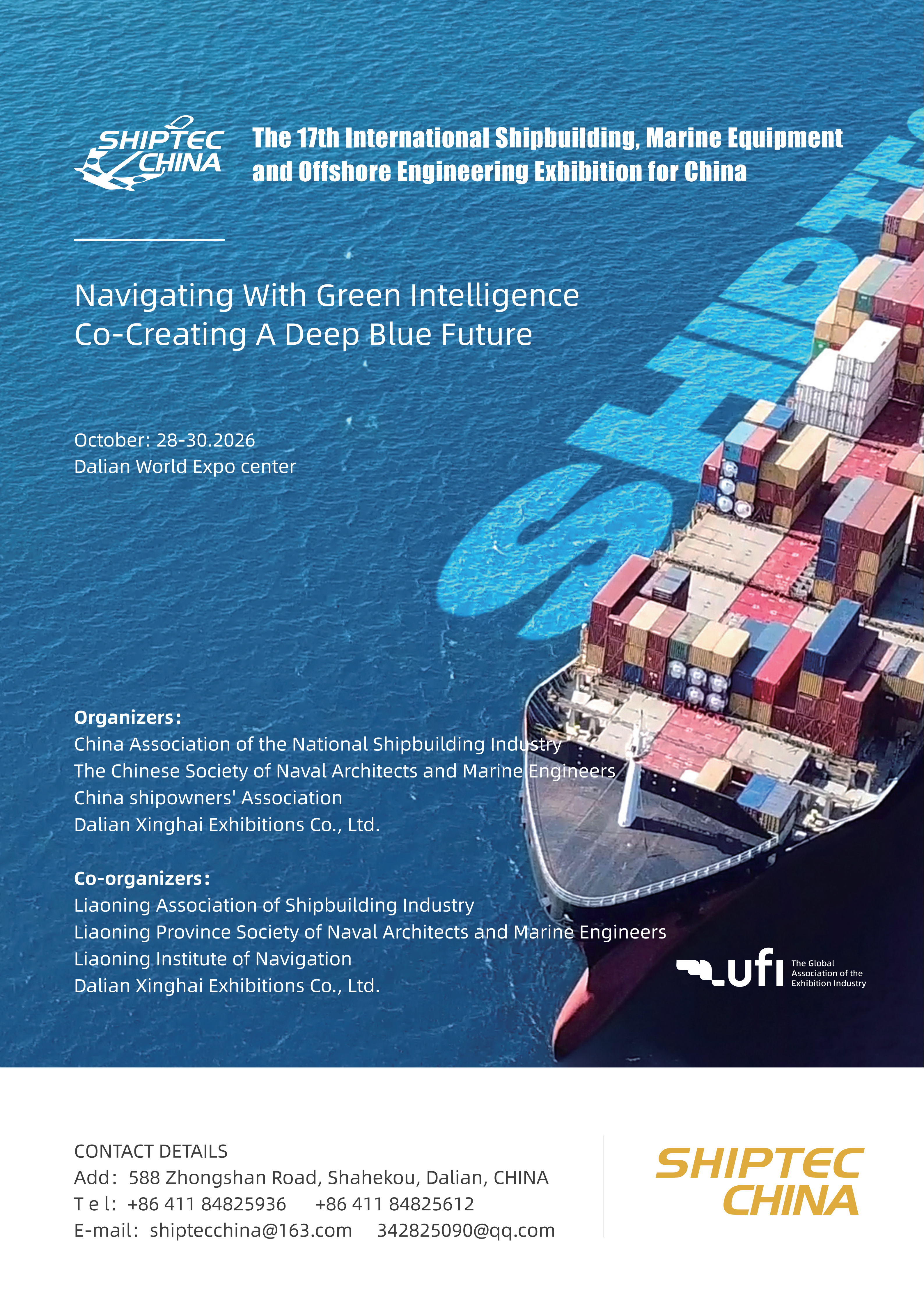
Shiptec China 2026.10.28-10.30 |Invitation of Green Energy for a Smart Future – Forum on New Energy Ship Technology and Ecosystem
 Sustainability
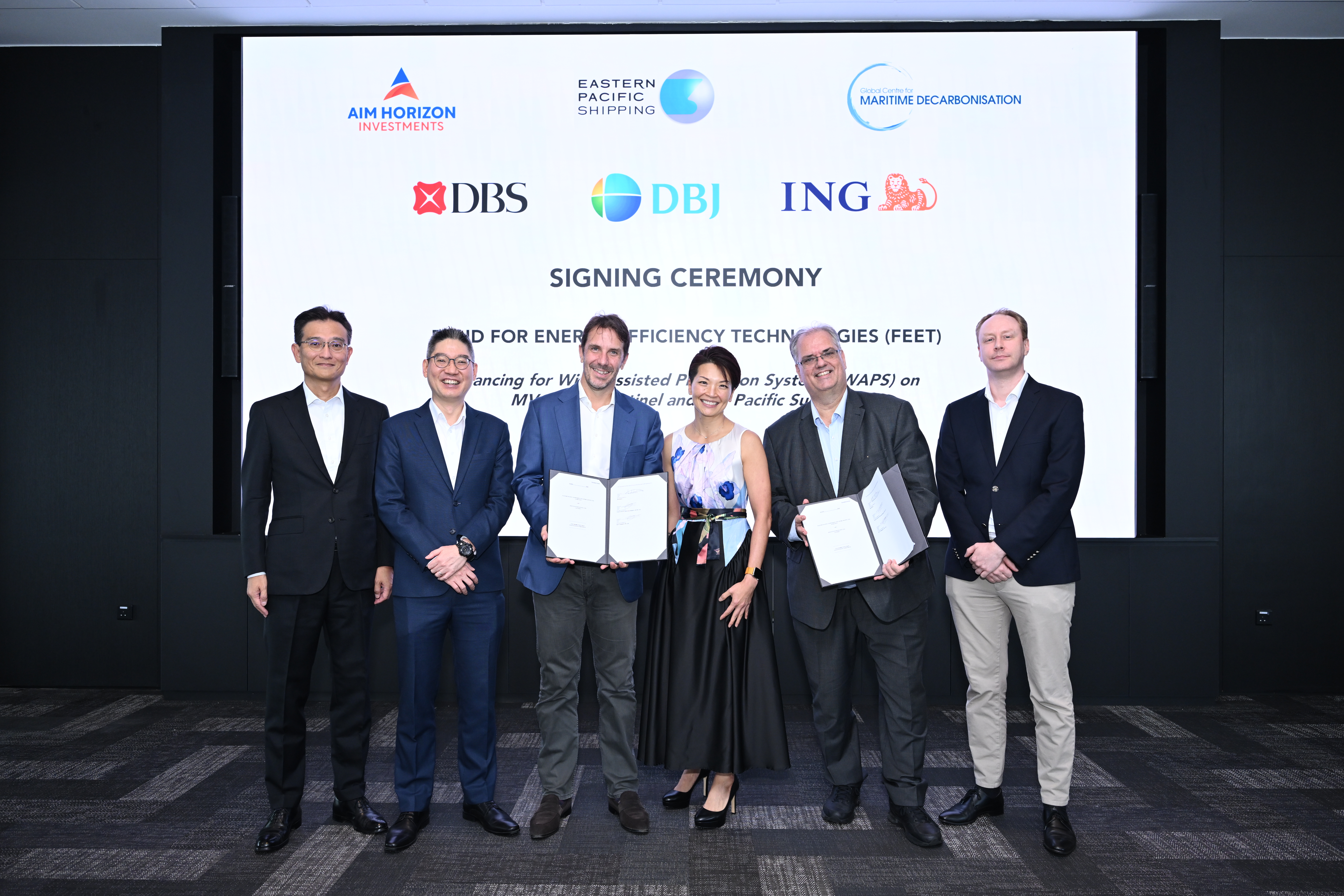
EPS Secures First FEET Financing for Two Wind-Assisted Vessels
 Sustainability
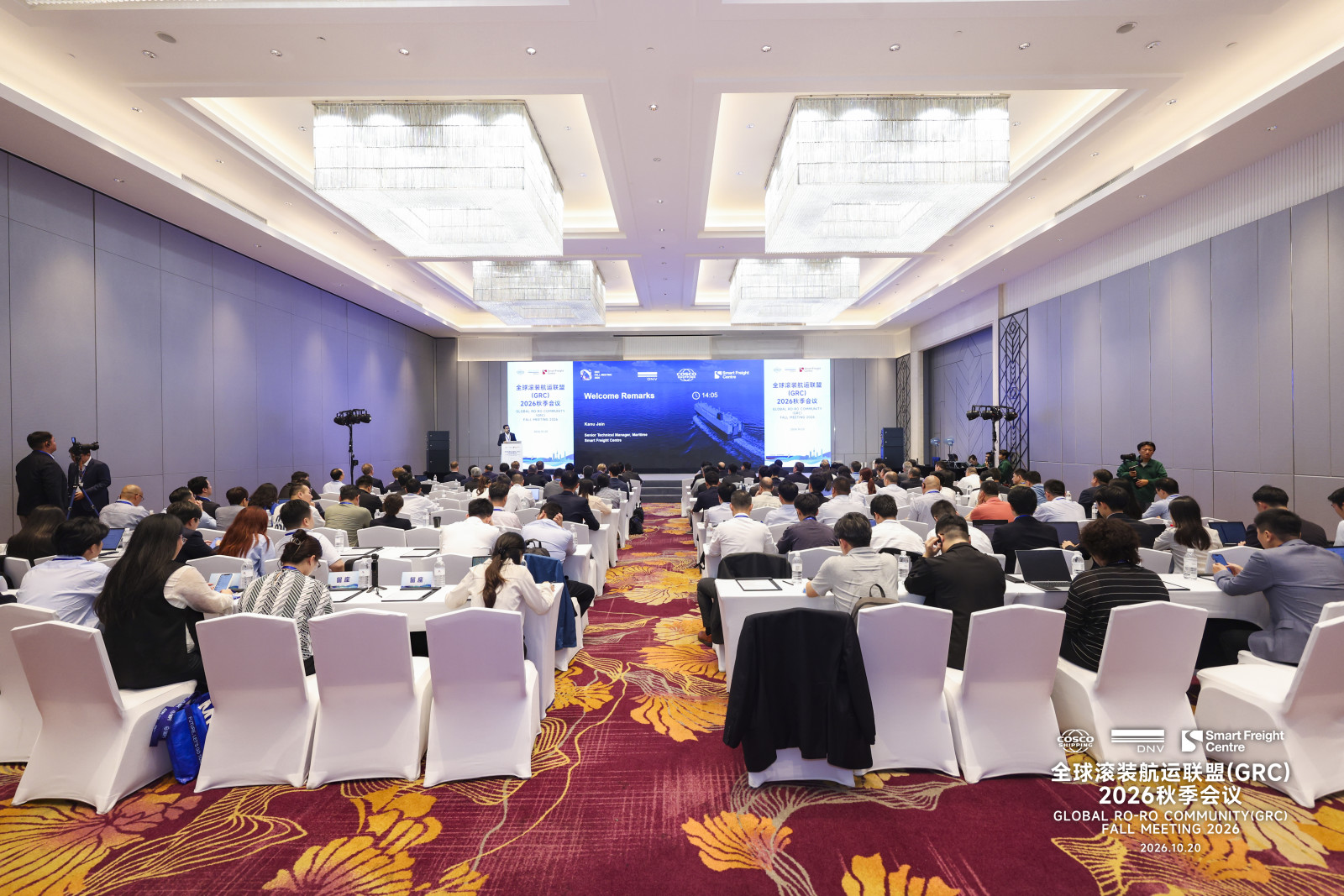
Car Carriers Face Fuel Supply and Emissions Accounting Challenges
 Sustainability
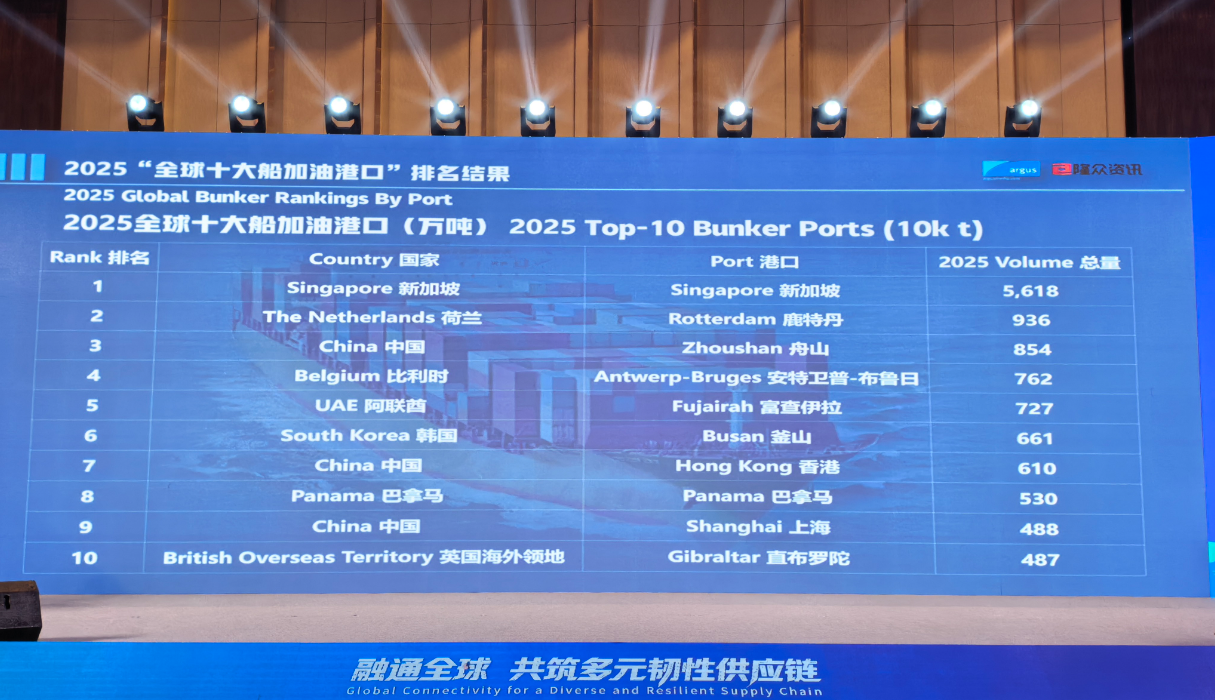
Zhoushan Overtakes Fujairah to Become World's Third-Largest Bunkering Port
 Sustainability
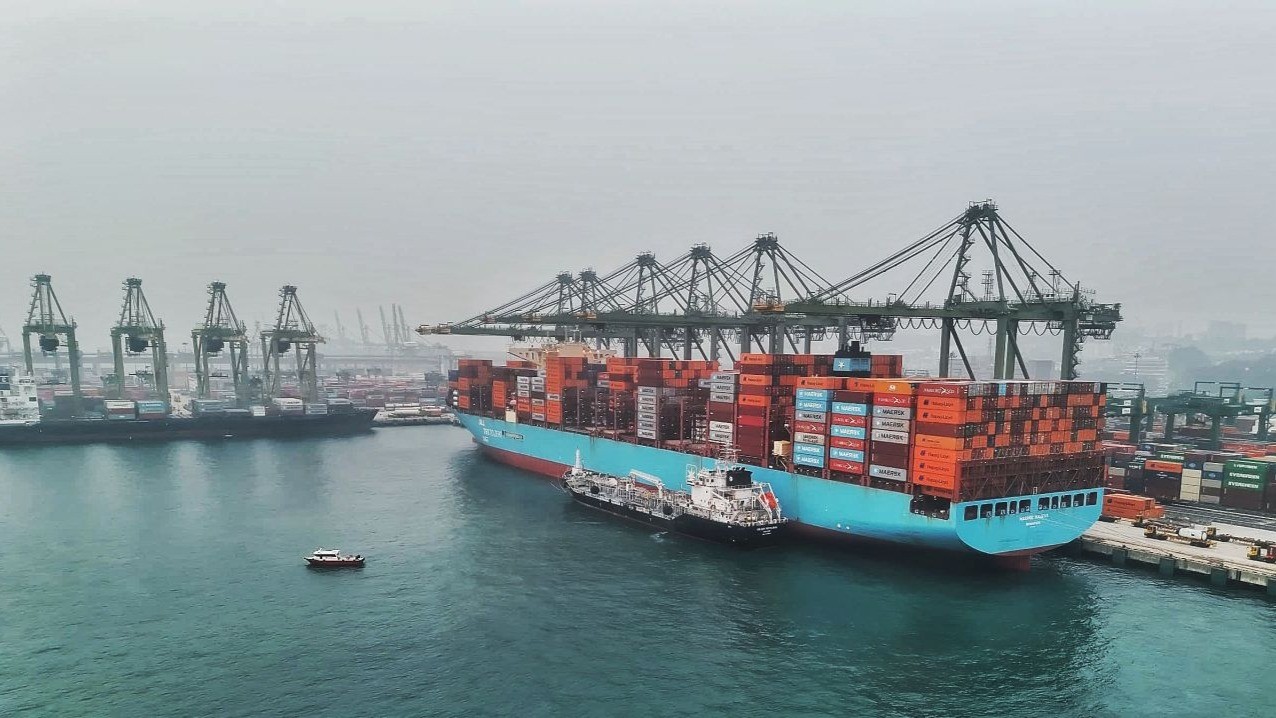
5,000 Tonnes: Maersk Completes World’s Largest Ethanol Bunkering in Singapore
 Sustainability
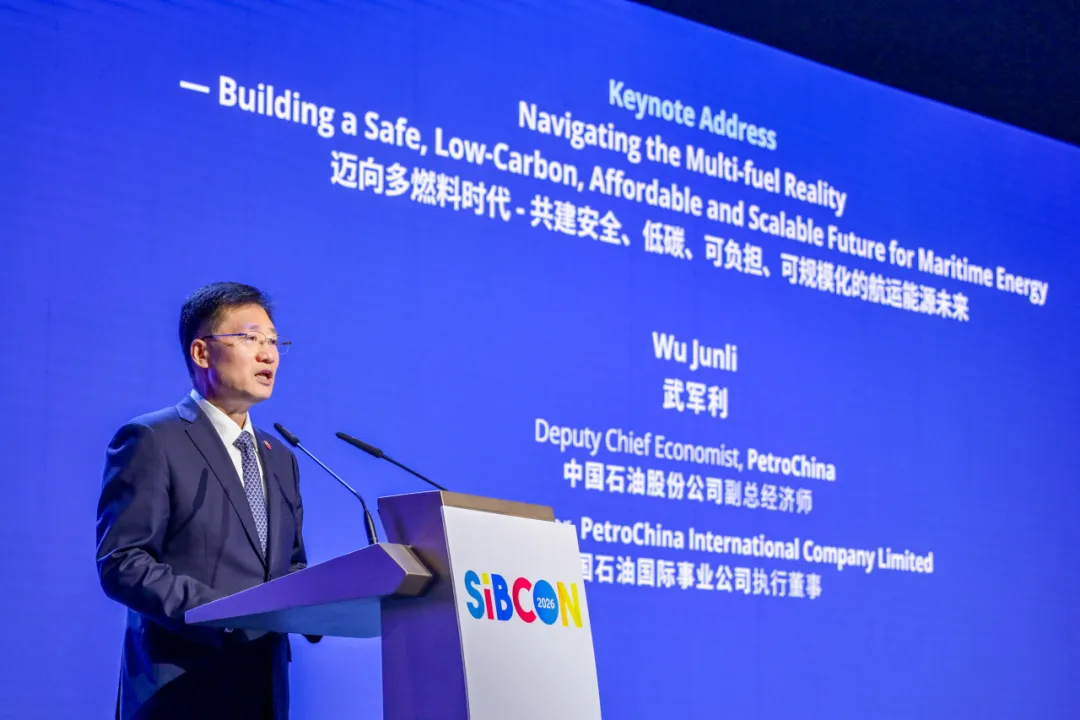
PetroChina Expands Multi-Fuel Bunkering in Singapore
 Sustainability
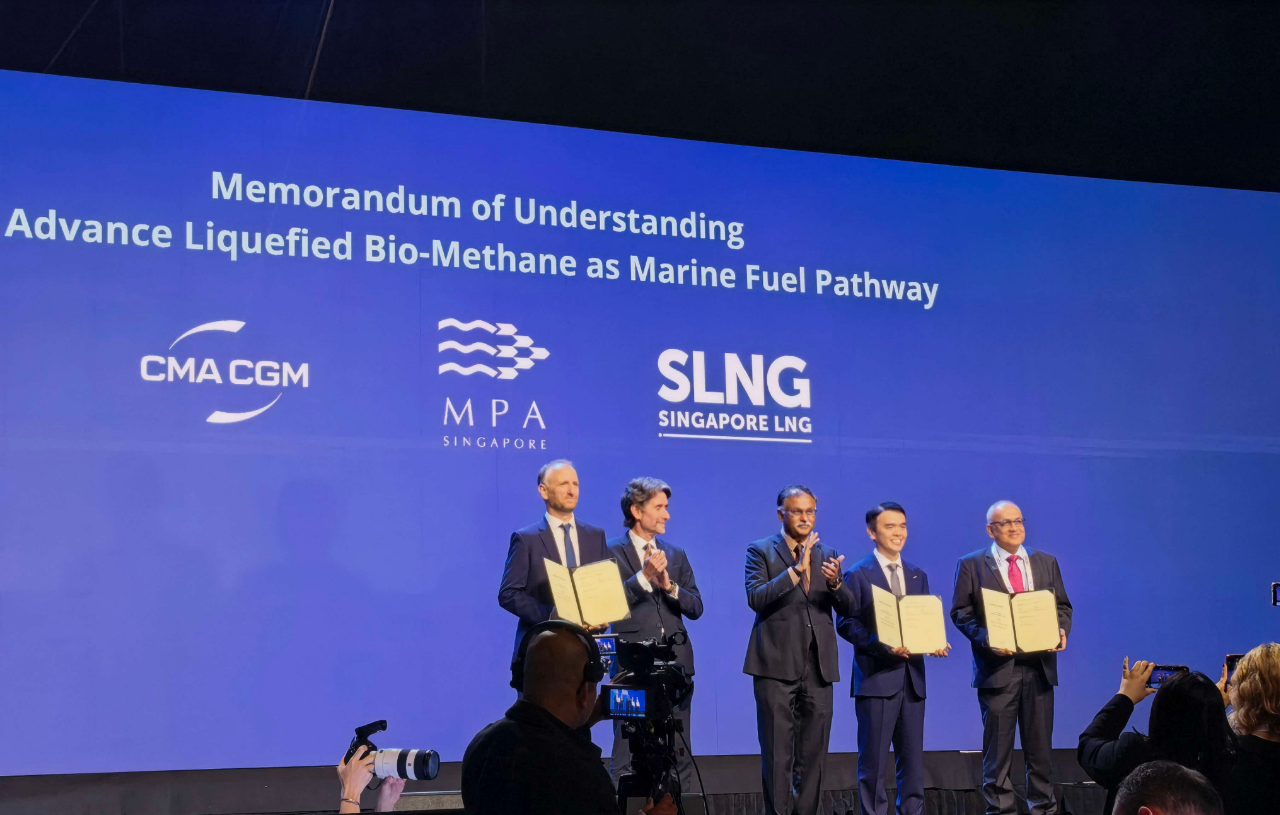
MPA, CMA CGM and SLNG Join Forces on Bio-LNG Bunkering
 Sustainability
Singapore Offers Up to S$250,000 for Electric Harbour Craft
 Sustainability
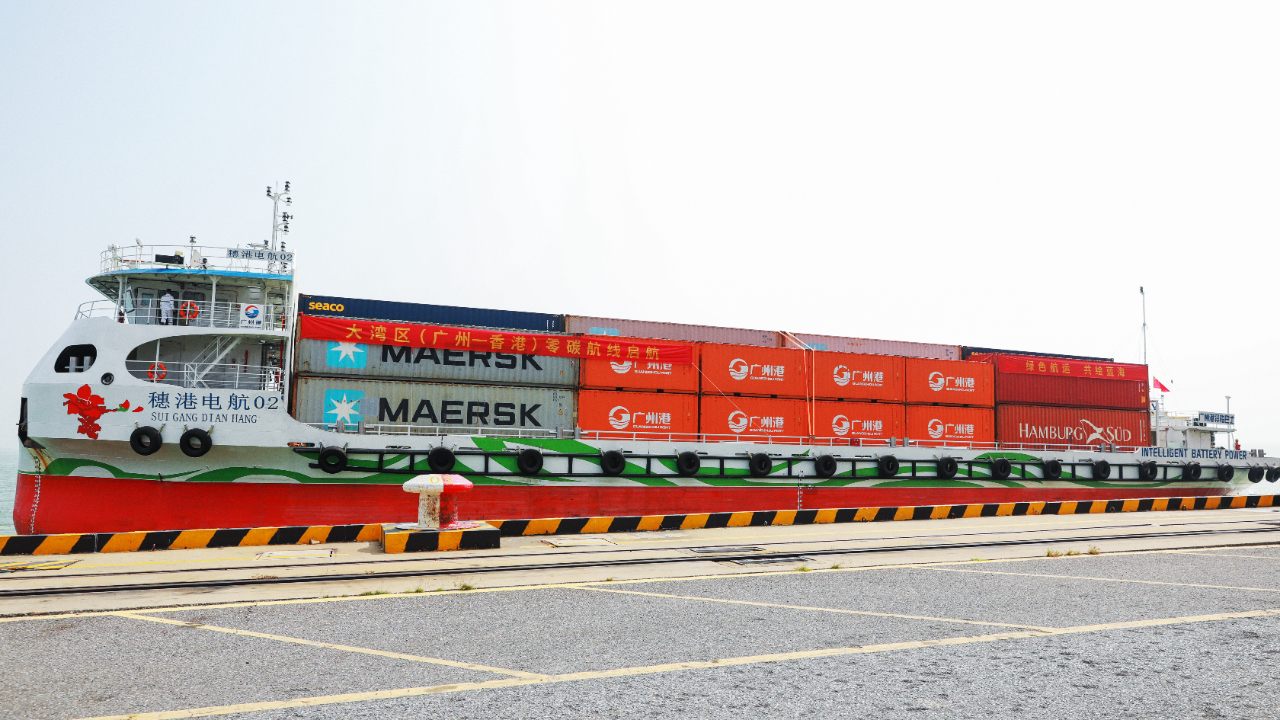
Greater Bay Area Launches First Zero-Carbon Container Shipping Route Between Guangzhou and Hong Kong
 Sustainability