


Car Carriers Face Fuel Supply and Emissions Accounting Challenges
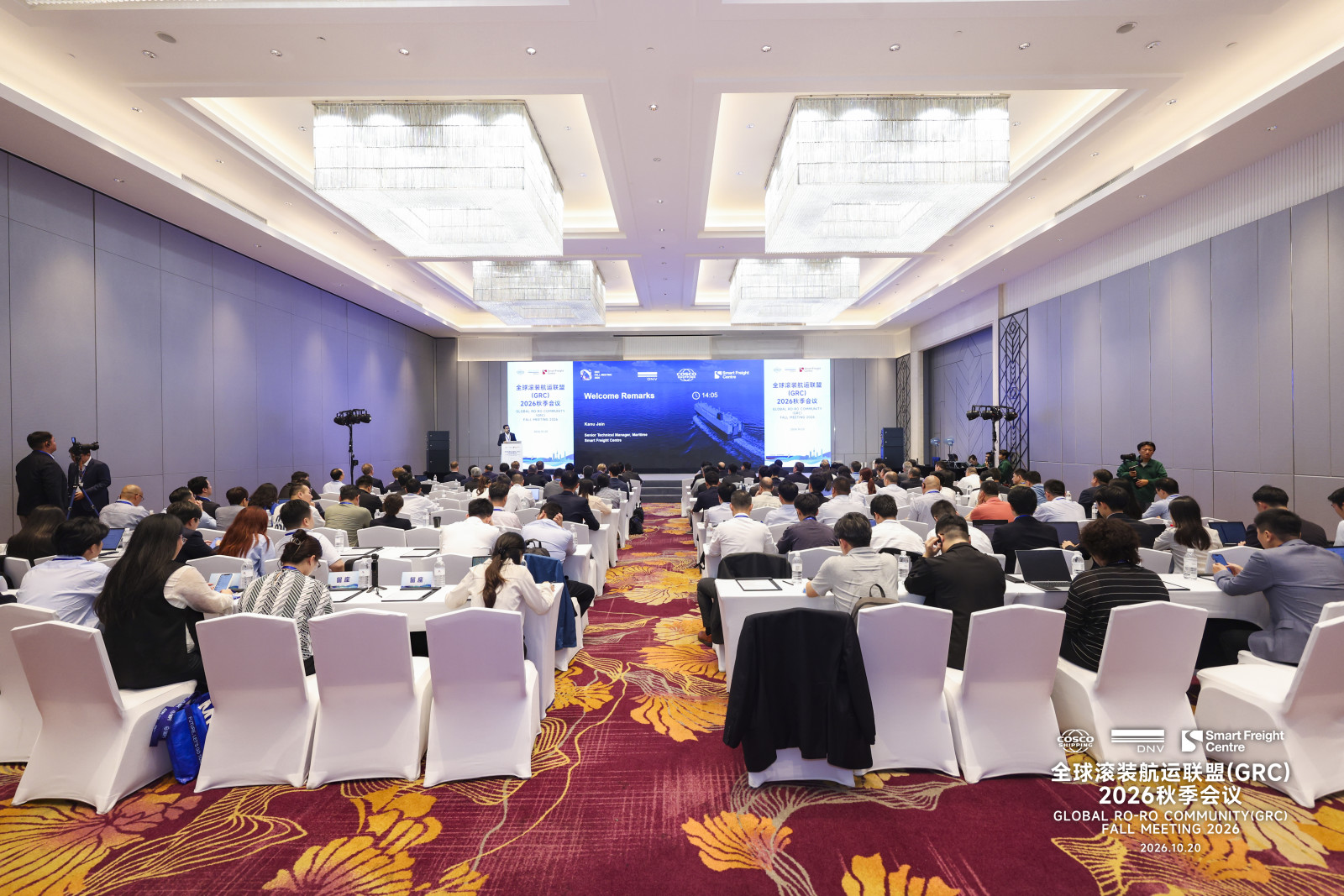

The growing fleet of dual-fuel car carriers is bringing new challenges for shipping companies, as high alternative fuel costs, limited bunkering infrastructure and inconsistent emissions reporting continue to complicate the industry's decarbonisation efforts.
These issues were discussed at the Global Ro-Ro Community (GRC) Fall Meeting 2026, held in Shanghai on 20 October and hosted by DNV. The event, GRC's first major fall meeting in China, brought together more than 140 representatives from shipping companies, classification societies, ports, shipyards, automotive manufacturers and research organisations.
The discussions covered alternative fuel adoption, emissions accounting, green shipping corridors and the safe transportation of new energy vehicles.
China's Expanding Car Carrier Fleet
China's expanding automotive exports have driven significant investment in new car carrier capacity. According to Clarksons data cited at the meeting, Chinese shipyards have secured more than 80% of global pure car and truck carrier (PCTC) newbuilding orders in recent years. Most of these vessels feature LNG dual-fuel propulsion or other energy-saving technologies.
Shanghai has also become a major vehicle export hub. In 2025, Haitong's terminal network handled approximately 2.74 million vehicle exports, up more than 40% year on year.
In his opening keynote, Du Xiaotian, Deputy General Manager of COSCO SHIPPING Car Carriers, provided details of the company's fleet development and emissions performance.
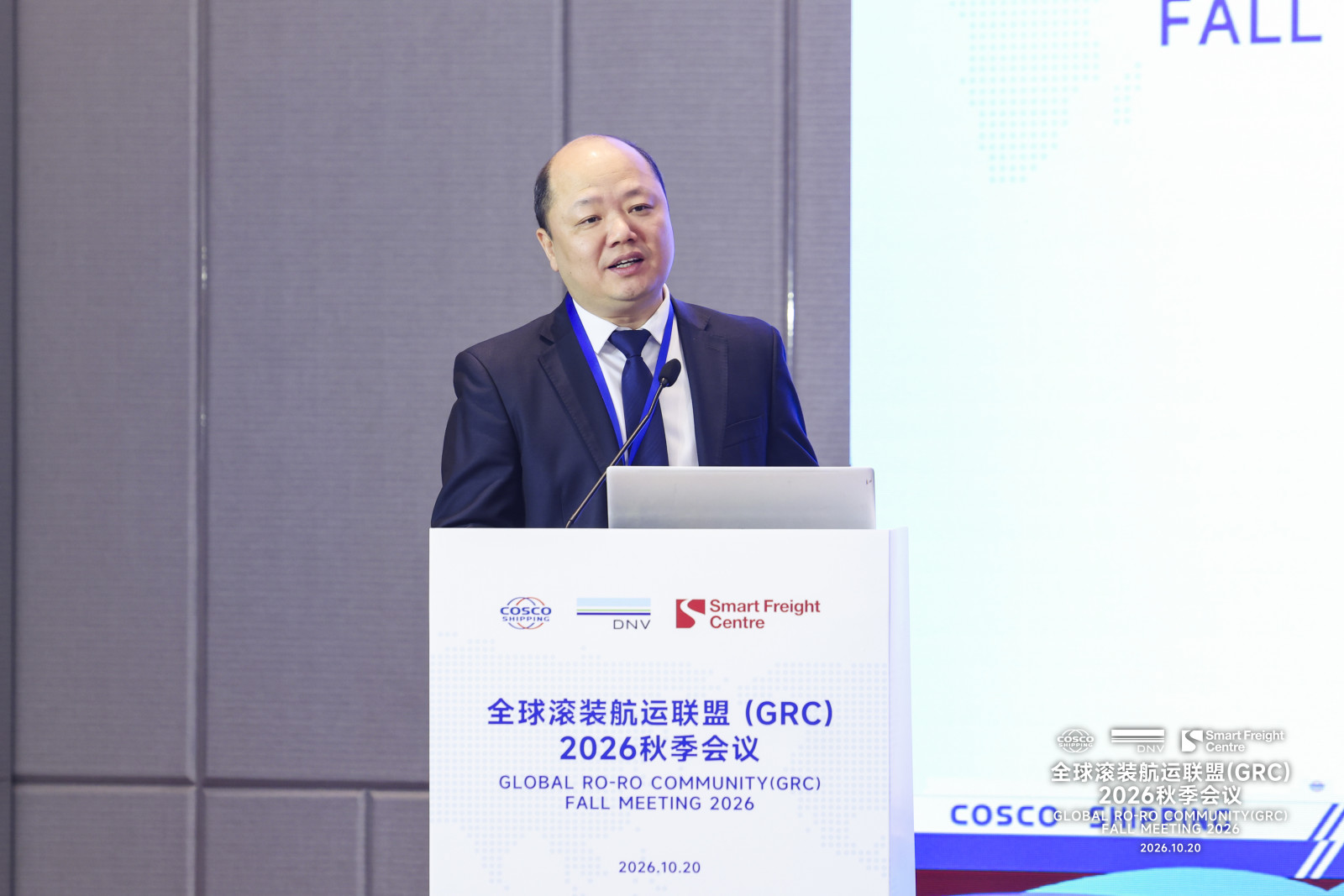
COSCO SHIPPING Car Carriers currently operates 34 vessels with a combined capacity of approximately 220,000 car equivalent units (CEU). Around 75% of its operating vessels are equipped with LNG dual-fuel propulsion, while other technologies include onboard solar power systems and shore power connections.
According to Du, the company's new-generation vessels have approximately 35% lower life-cycle carbon intensity than conventional Ro-Ro ships.
In 2025, 85% of the company's operating vessels achieved an A or B rating under the IMO's Carbon Intensity Indicator (CII). The company also reported better-than-industry-average operational carbon intensity on its main European and Mediterranean routes.
COSCO SHIPPING Car Carriers uses digital systems to monitor vessel operations, fuel consumption and emissions, and provides customers with verified emissions reports.
However, the adoption of dual-fuel propulsion does not guarantee substantial emissions reductions. The environmental performance of these vessels depends heavily on the fuels they actually use.
DNV experts Vegar Rype and Benjamin Witt noted that car carriers have been relatively quick to adopt alternative-fuel technologies, but the availability and cost of lower-emission fuels remain significant obstacles.
While new vessels may be technically capable of using alternative fuels, shipowners still face limited supplies, uneven bunkering infrastructure and higher operating costs. These factors can prevent vessels from fully using their alternative-fuel capabilities in commercial service.
Industry Moves Towards Common Emissions Reporting
A major topic at the meeting was the GRC's work on a standardised greenhouse gas accounting methodology for deep-sea Ro-Ro shipping.
Established in 2024 under the Smart Freight Centre, the GRC includes participants representing approximately 80% of global car carrier transport capacity.
The initiative aims to improve the consistency and comparability of emissions data reported by shipping companies to automotive manufacturers and other cargo owners. Its methodology is aligned with ISO 14083 and the Global Logistics Emissions Council (GLEC) Framework.
One particular challenge is accounting for ballast voyages.
Car carriers often sail empty or with limited cargo on return voyages because automotive trade flows are uneven. Although these voyages generate emissions, they produce little or no transport activity against which those emissions can be measured.
The GRC methodology addresses this by allocating emissions from ballast voyages to cargo-carrying transport activity. A ballast distribution factor of approximately 1.23 was discussed at the meeting, although the methodology requires the factor to be calculated using individual carriers' operational data rather than applying a single fixed value across the industry.
The resulting emissions intensity figures can be used to compare shipping services and calculate emissions associated with vehicle transportation.
This is particularly relevant for automotive manufacturers, which increasingly require shipping emissions data for their Scope 3 reporting.
The EU Emissions Trading System (EU ETS) and FuelEU Maritime are also increasing the importance of reliable emissions monitoring, although the two regulations impose different compliance requirements on shipping companies.
For car carrier operators, standardised reporting could reduce discrepancies between the emissions figures supplied by different carriers and provide customers with a clearer basis for assessing transport-related emissions.
Green Corridors Still Face Cost Barriers
The commercial prospects for green shipping corridors were another focus of the meeting.
Jesse Fahnestock of the Global Maritime Forum, Yasuyuki Sakurai of Wallenius Wilhelmsen, Tony Matsudaira of NYK Line and Chen Ge of Shanghai Haitong International Automotive Terminal discussed the practical barriers to establishing lower-emission shipping routes.
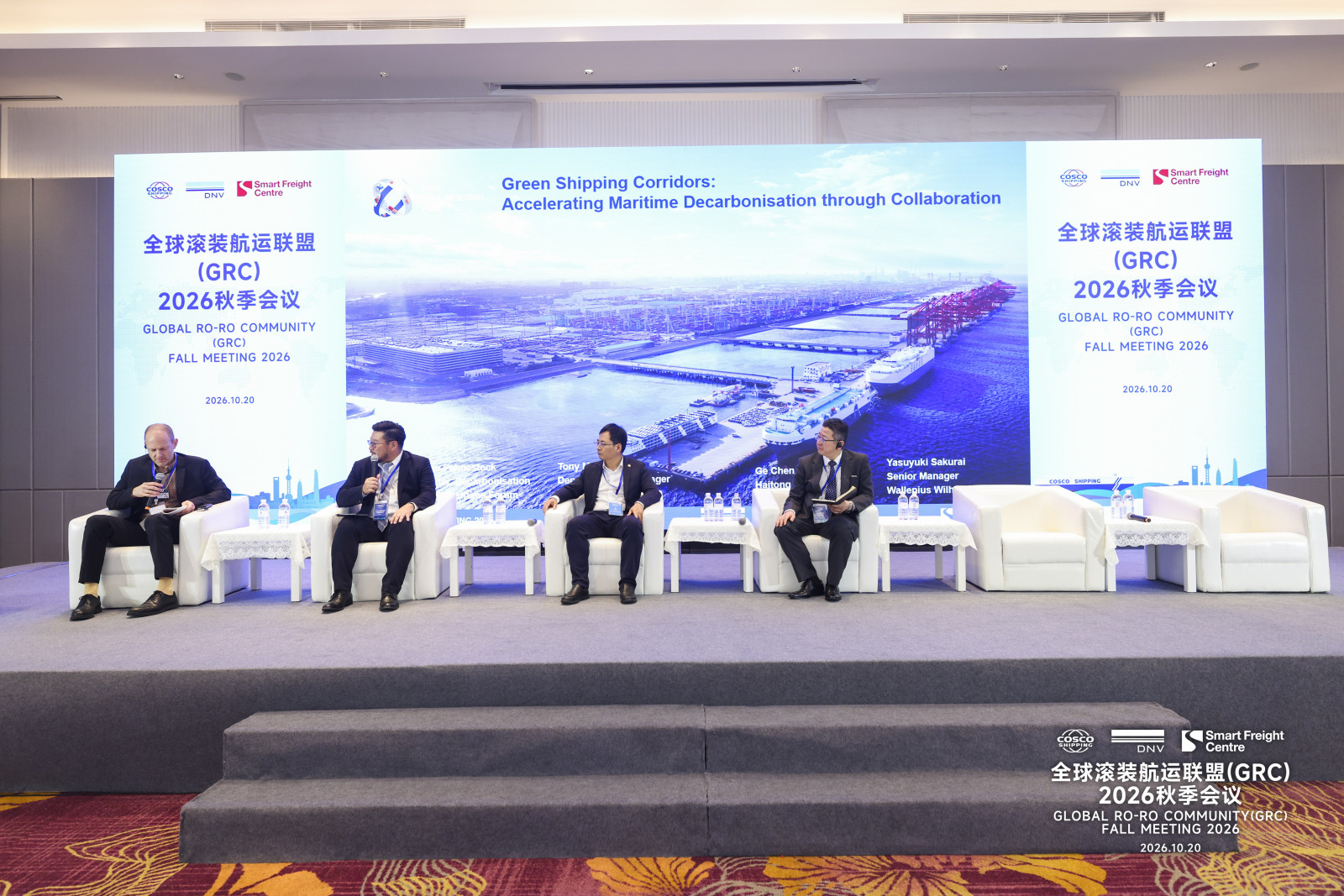
Among the issues raised were the availability of low-carbon fuels, the additional costs of greener shipping services and how those costs should be shared between shipping companies and cargo owners.
The discussion also covered book-and-claim mechanisms, which allow customers to purchase verified emissions reductions associated with lower-emission shipping services without necessarily using the same vessel on which those reductions occur.
Such mechanisms could help create demand for lower-carbon shipping, particularly where alternative fuels are not yet available on all routes. However, transparent accounting and independent verification are needed to prevent double counting and misleading environmental claims.
Participants also discussed the difficulties of moving green shipping corridor projects beyond initial demonstrations. Commercial deployment will depend on fuel availability, port infrastructure and the willingness of cargo owners to pay for lower-emission transport.
Electric Vehicle Safety and International Standards
The increasing number of new energy vehicles transported by sea has also raised questions about fire safety and operational procedures on car carriers.
Du said COSCO SHIPPING Car Carriers has been working with China Classification Society (CCS) on safety research and operational guidelines for transporting new energy vehicles.
The company has submitted five proposals to the International Maritime Organization (IMO) and proposed one ISO standard. It is also participating in discussions on amendments to the International Convention for the Safety of Life at Sea (SOLAS), with the aim of advancing relevant changes before 2032.
COSCO SHIPPING Car Carriers called for closer industry cooperation in three areas: consistent emissions accounting, the development of green shipping corridors and low-carbon fuel projects, and the sharing of safety research and operational experience related to new energy vehicle transportation.
The meeting concluded with a panel discussion on decarbonisation across the Ro-Ro value chain.
In her closing remarks, Cristina Saenz de Santa Maria, CEO Maritime at DNV, highlighted the importance of reliable emissions data and industry-wide reporting standards in supporting further emissions reductions.
On 19 October, GRC members also visited Shanghai Haitong International Automotive Terminal to observe vehicle handling operations, terminal infrastructure and environmental management practices.
The meeting highlighted a growing gap between the technical capabilities of new car carriers and the practical conditions needed to operate them with lower emissions. While shipowners continue investing in dual-fuel tonnage, fuel costs, supply infrastructure and emissions verification remain central to determining how much those investments can deliver.


READ MORE
 Sustainability
5,000 Tonnes: Maersk Completes World’s Largest Ethanol Bunkering in Singapore
 Sustainability
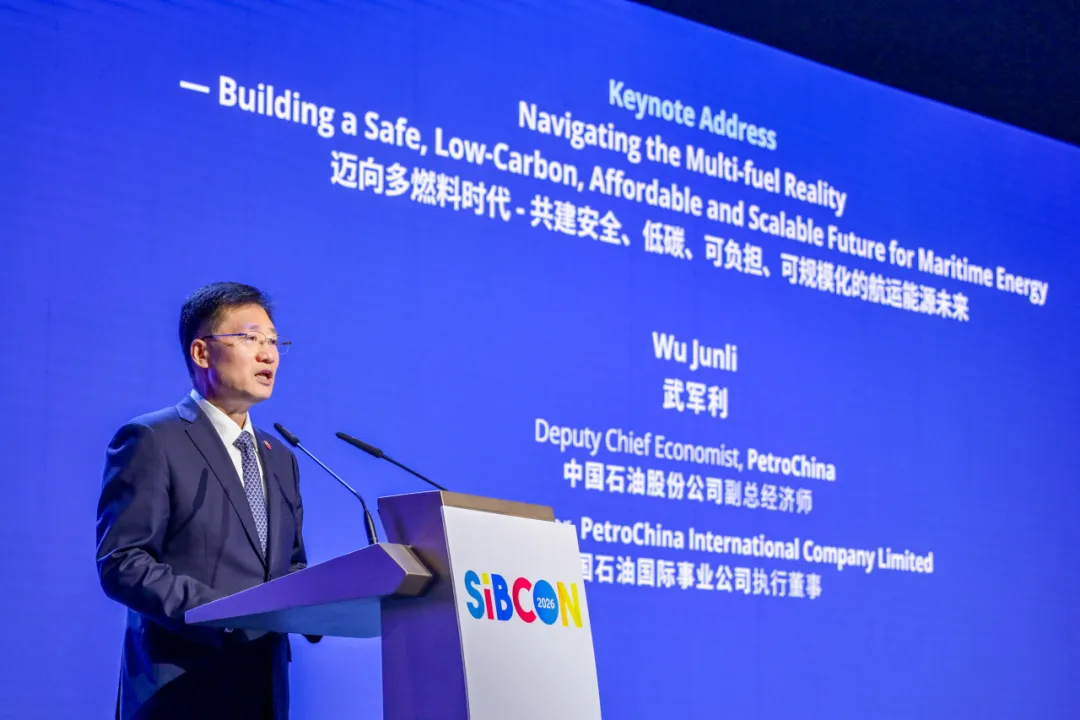
PetroChina Expands Multi-Fuel Bunkering in Singapore
 Sustainability
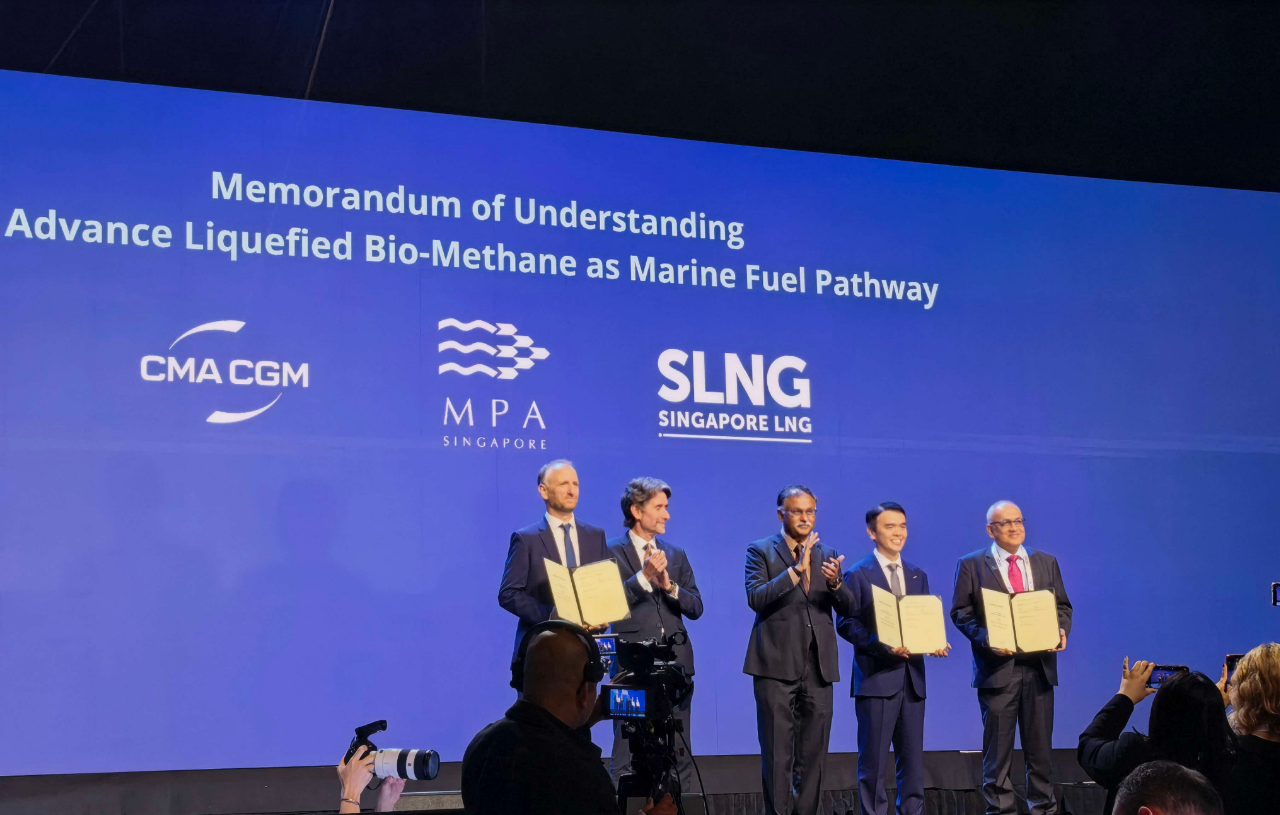
MPA, CMA CGM and SLNG Join Forces on Bio-LNG Bunkering
 Sustainability
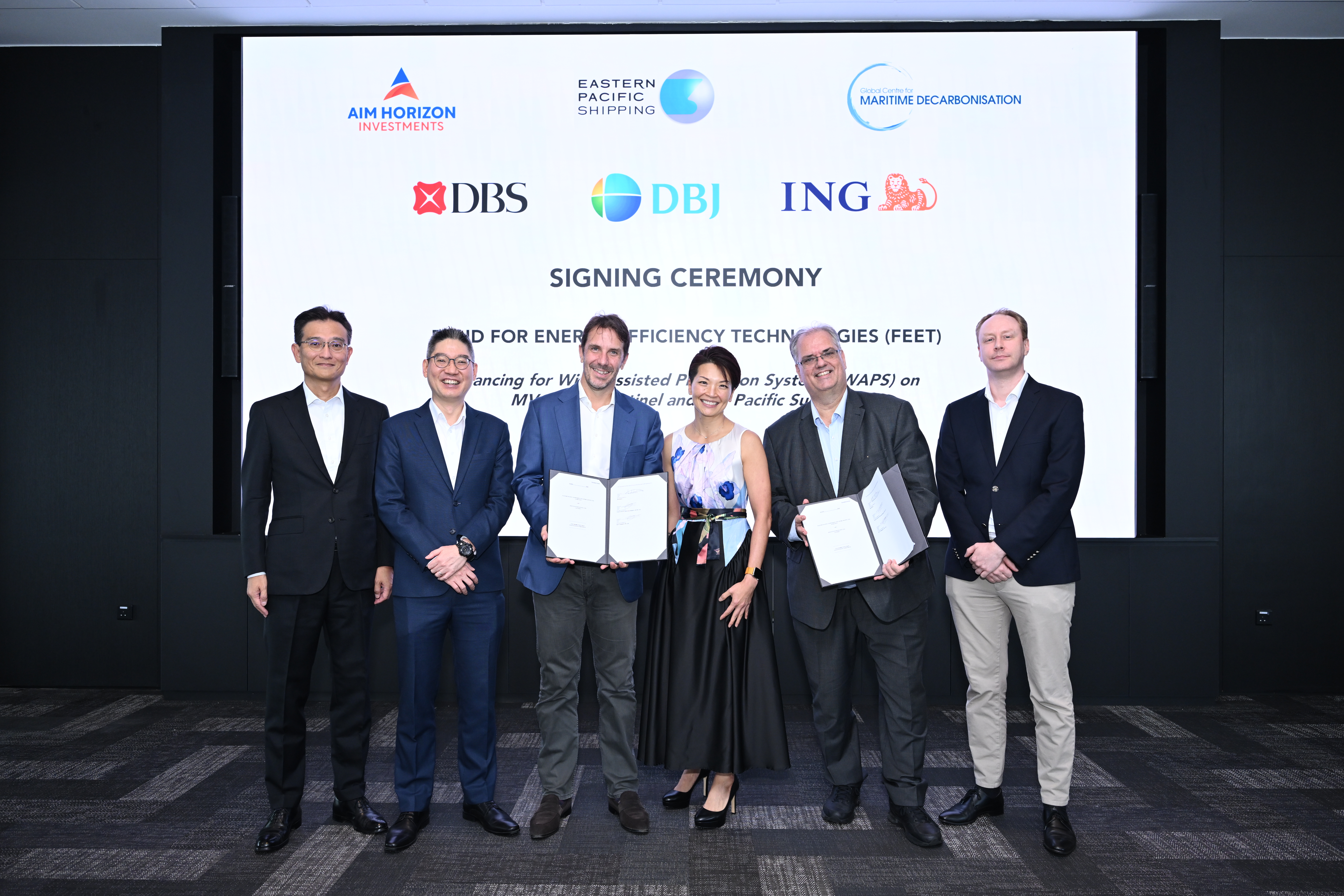
EPS Secures First FEET Financing for Two Wind-Assisted Vessels
 Sustainability
Singapore Offers Up to S$250,000 for Electric Harbour Craft
 Sustainability
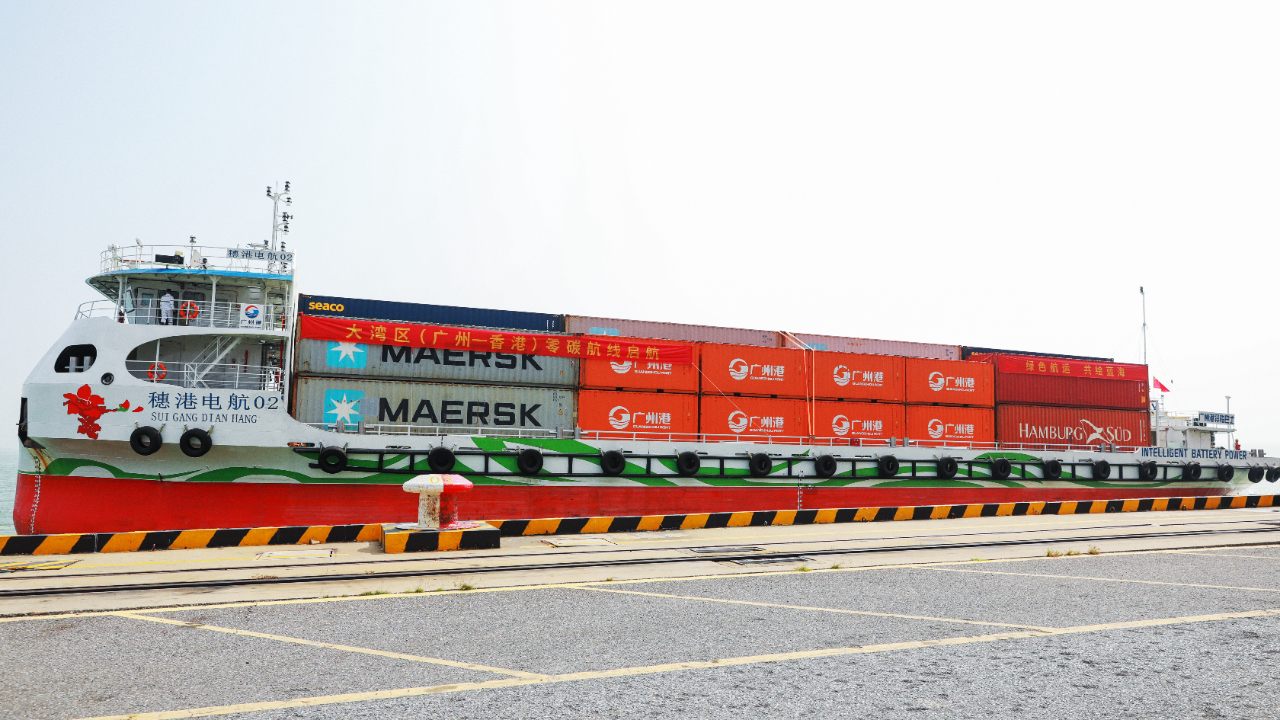
Greater Bay Area Launches First Zero-Carbon Container Shipping Route Between Guangzhou and Hong Kong
 Sustainability
1000Ton! CMB.TECH in World First Commercial STS Green Ammonia Bunkering
 Sustainability
China Sets 2028 Targets for Electric and Methanol-Powered Inland Vessels
 Sustainability
China Merchants Takes Delivery of Third Methanol Dual-Fuel Car Carrier
 Sustainability