


CATL’s Electric Ship Arm Takes Stake in Jiangsu Kaiyang Shipbuilding
The move signals another step by China’s battery giant into the vessel electrification value chain, extending its presence from marine batteries and charging solutions toward shipbuilding-related assets.


CATL has taken a new step in China’s electric vessel sector. According to Chinese corporate information platforms cited by local financial media, Contemporary Amperex Electric Vessel Co., Ltd., a wholly owned subsidiary of CATL, has become a new shareholder of Jiangsu Kaiyang Shipbuilding Co., Ltd. The previous shareholder, Changzhou Longcheng Ship Repair & Building Co., Ltd., has exited, and changes have also been made to the company’s key personnel.
Jiangsu Kaiyang Shipbuilding was established in January 2024, with Zou Yu as its legal representative and a registered capital of RMB 70 million. Its business scope covers shipbuilding, ship design, ship repair, metal ship manufacturing, new-energy prime mover equipment manufacturing and specialised equipment manufacturing. After the latest change, the company is jointly held by Jiangsu Haotai New Energy Technology Co., Ltd., Suzhou Congrong Honghao Venture Capital Partnership, Contemporary Amperex Electric Vessel Co., Ltd. and other shareholders.
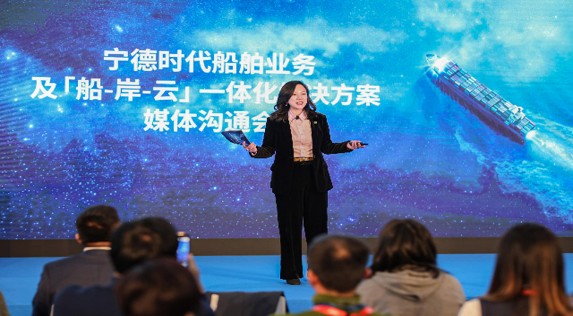
The move is notable because CATL has already been expanding beyond battery cells into system-level solutions for waterborne transport. In December 2025, CATL’s electric vessel subsidiary officially launched what the company described as the world’s first and only “ship-shore-cloud” zero-carbon shipping and integrated smart port solution at Marintec China 2025. CATL said the solution integrates onboard power systems, shore-based energy replenishment networks and cloud-based intelligent management, addressing pain points such as high upfront costs, inadequate charging infrastructure, range concerns and fragmented multi-supplier coordination.
CATL’s official materials also state that the company has been active in the maritime market since 2017, positioning vessel electrification as part of its wider expansion from land transport to waterways. The company’s marine solution is designed for the specific operating conditions of electric vessels, including high humidity, salt spray, long-duration operation and high-power requirements.
Industry reports indicate that CATL has already deployed batteries on around 900 vessels, mainly in coastal, port and inland waterway applications in China. The company also plans to more than double the size of its marine business team in 2026 to around 500 people, with a focus on independent R&D of marine batteries and global certification.
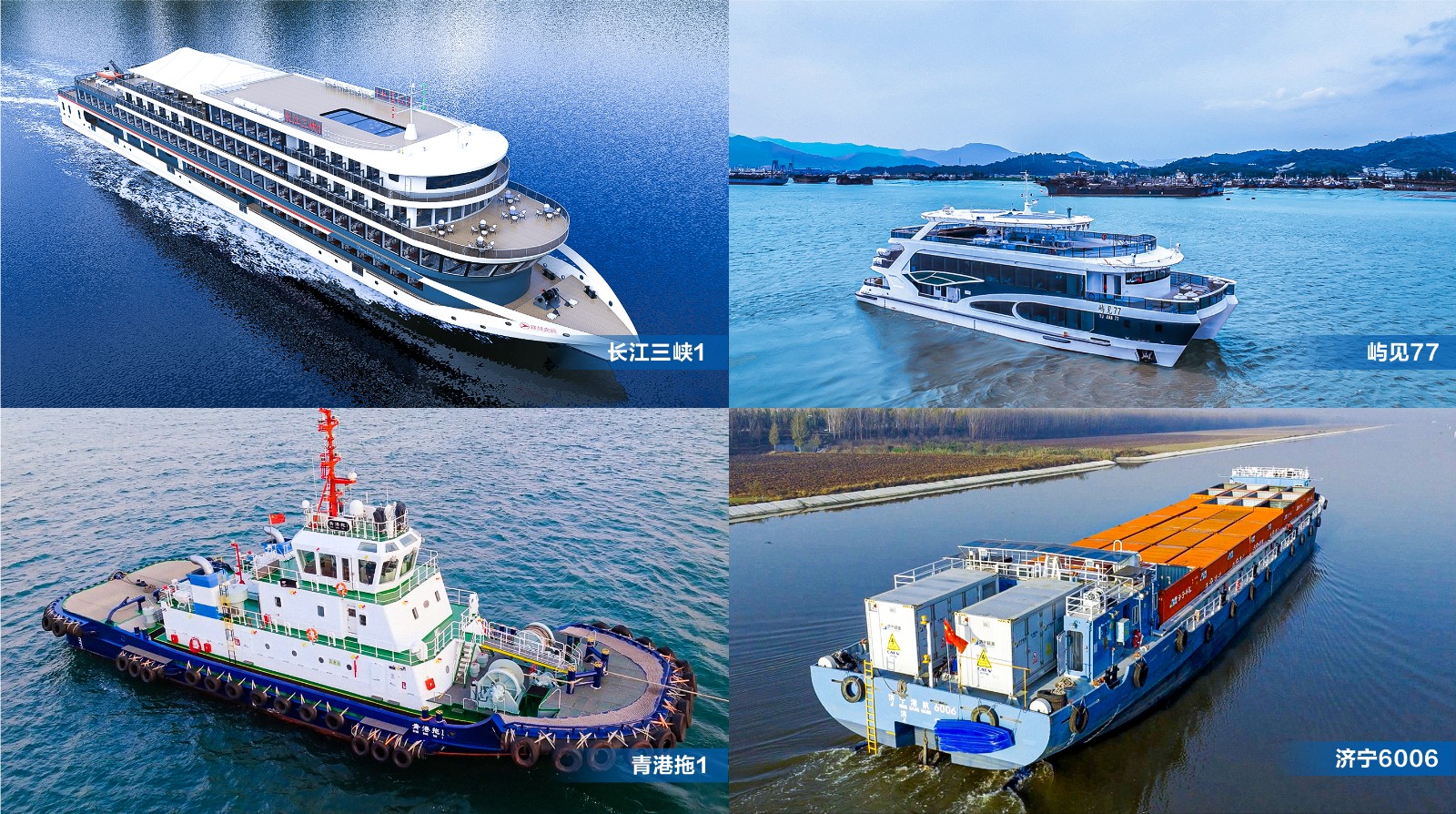
CATL has delivered nearly 900 electric ships, setting multiple "first" and "the most" records
The market backdrop is also becoming more favourable. EVTank has forecast that China’s electric vessel market will reach RMB 36.75 billion by 2026, driven by both new electric vessels and the electrification retrofit of existing ships. The same forecast expects demand for lithium-ion batteries in the sector to reach 11.2 GWh by 2026.
Against this background, CATL’s entry into Jiangsu Kaiyang Shipbuilding appears to be more than a simple financial investment. It suggests that the company is moving closer to the vessel manufacturing and integration side of the supply chain. For electric vessels, batteries alone are not enough. Commercialisation depends on coordination among ship design, shipbuilding, onboard power systems, charging and swapping infrastructure, classification approvals, lifecycle operation and digital management.
For CATL, a stake in a shipbuilding-related company could help strengthen its access to real shipbuilding scenarios and accelerate the integration of marine battery systems with vessel design and construction. For China’s electric vessel market, the transaction also reflects a broader shift: competition is moving from individual battery products toward full-chain ecosystem capability.
No investment amount or shareholding ratio has been disclosed in the public reports so far. But the corporate change marks another clear signal that China’s leading battery companies are moving deeper into maritime electrification, not only as component suppliers, but as participants in the reshaping of the electric vessel industrial chain.

READ MORE
 Shipbuilding
Amid China’s Shipbuilding Boom, a State-Owned Yard Quietly Enters Liquidation
 Shipbuilding
Yichang Changyun plans RMB120m inland bulker programme
 Shipbuilding
Steel Giant Shagang Eyes Shipbuilding as a Booming Market Draws Industrial Capital
 Shipbuilding
Another Chinese Bridge Builder Moves Into Shipbuilding
 Shipbuilding
Hengli Secures 12 Tanker Orders, Retaining World’s Largest VLCC Orderbook
 Shipbuilding
Hengli Signs 11 VLAC Contracts in One Week
 Shipbuilding
China ZWI Enters Ocean Shipping with VLGC Acquisition and Chemical Tanker Newbuild Project
 Shipbuilding
World’s First 325,000-DWT Methanol Dual-Fuel Ore Carrier Delivered
 Shipbuilding
CIMC Raffles Extends NOCC Car Carrier Programme to 2030
 Shipbuilding