


Wallenius Wilhelmsen Adds Four Firm PCTCs With Options for Eight More

Wallenius Wilhelmsen has agreed to build four additional pure car and truck carriers (PCTCs) at Jinling Shipyard (Jiangsu) in China, with options for eight more. The 9,900-car-equivalent-unit (CEU) LNG dual-fuel vessels extend its fleet renewal programme into the next decade, with potential deliveries running through 2032. Announced on 28 October 2026, the agreement would involve approximately $1.5 billion in capital expenditure if all options are exercised, adding to a broader round of investment by vehicle carrier operators, tonnage providers and automakers.
Deliveries extend through 2032
The four firm vessels are scheduled for delivery from mid-2030. The options cover four ships for delivery in 2031 and another four in 2032. Together with the 14 vessels previously contracted under the Shaper programme, the latest agreement takes cumulative firm commitments to 18 ships, including vessels already entering service. Exercising all eight new options would expand the programme to 26.
The new ships will combine hoistable decks, strong ramps and adaptable cargo spaces. These features support a varied cargo mix and give an operator greater flexibility when allocating vessels across its network. For WW, the investment is intended to modernise its fleet, add capacity and respond to changing customer requirements.
Xavier Leroi, chief operating officer for shipping services, linked the decision to the company’s confidence in the market’s long-term fundamentals. The delivery schedule makes that investment horizon clear: the ships will have to earn their returns under the trading conditions of the next decade.
Three years of expanding Shaper commitments
WW launched the programme in 2023, signing a letter of intent in August before concluding contracts in October for four ships and options for eight more. It progressively expanded its firm commitments during 2024, declaring options for four ships in February, four in May and two in November. By the end of that sequence, the programme comprised 14 firm vessels.
The company also revised specifications as the project developed. In the second quarter of 2025, it changed the engine configuration for seven of the 14 ships to LNG dual-fuel, leaving seven with methanol dual-fuel engines. The adjustment added approximately $80 million in capital expenditure while leaving the delivery schedule unchanged. WW said the change would diversify its fuel sourcing and prepare the fleet for future sustainable fuels.
The first Shaper vessel, Arctic Tern, was delivered in July 2026 for deployment on Asia–Europe services through EUKOR, jointly owned by WW and Hyundai Motor Group. With the original programme beginning to enter operation, WW is now arranging its next phase of deliveries. Operating experience from the first ships can inform later vessels as the series develops.
Capital raised ahead of construction
The latest shipbuilding agreement followed a capital raise earlier in October. On 6 October, WW announced that it had completed a private placement raising approximately $300 million. At that stage, the company was in advanced discussions over four LNG dual-fuel newbuildings and eight options. It said the proceeds, together with debt financing, would fund its overall newbuilding programme and general corporate purposes.
The sequence connects financing with a staged commitment to shipyard capacity. Equity provides part of the capital required during construction, while options preserve scope for further investment. For a programme extending several years beyond the initial order, financing costs, instalment schedules and future operating income will all influence returns.
Other owners secure their next generation of tonnage
WW’s expansion comes alongside substantial commitments by other participants in the vehicle carrier market. Following MSC’s acquisition of Gram Car Carriers in 2024, the renamed Global Car Carriers (GCC) has expanded its newbuilding programme to 22 vessels, all at Chinese yards. Its fleet list comprises eighteen 8,600-CEU ships and four 7,000-CEU vessels for delivery between 2028 and 2030. The latest additions are two 8,600-CEU ships at Changhong International, scheduled for 2030.
Höegh Autoliners announced six additional 9,100-CEU Aurora-class vessels in August and formally signed the contract with China Merchants Group in September. Deliveries are scheduled for 2029–2031. The order brings firm commitments under the Aurora programme to 18 vessels, with options for four more and reserved building slots for a further four, providing scope to reach 26.
Guangzhou Shipyard International signed contracts on 1 September for ten 8,200-CEU LNG dual-fuel PCTCs worth more than $1 billion, with deliveries expected between 2029 and 2031. The listed shipbuilding company did not identify the buyer, while industry reports have linked the order to Ray Car Carriers. Alongside the WW, GCC and Höegh programmes, the contract demonstrates the scale of vehicle carrier investment continuing to flow into Chinese shipbuilding.
Further orders illustrate the range of business models involved. SFL has disclosed four 7,000-CEU LNG dual-fuel newbuildings for delivery in 2029, representing approximately $363 million in investment. Two already have five-year charters to a major Asian automaker. Sallaum Lines has added three firm 8,600-CEU ships and three options across agreements with Xiamen Shipbuilding and China Merchants Shipyard. Investment is coming from both transport operators and owners whose vessels earn revenue through charters.
Automakers and regional trades shape different requirements
Automakers are also seeking greater control over transport capacity. BYD executive vice president Stella Li recently said the company had bought another ten ships and was continuing to seek capacity from external partners. She did not specify the vessels’ sizes, shipyards or commercial structures. Her emphasis on scheduling and flexibility nevertheless points to the importance of shipping in the company’s overseas delivery operations.
SAIC Anji has launched an international tender for two 11,000-CEU LNG dual-fuel PCTCs, requiring the first vessel before September 2029 and the second within three months of the first delivery. Dedicated vessels, long-term charters and third-party services can meet different parts of an automaker’s logistics requirements. For professional owners and operators, securing those customer relationships will help determine how new capacity is employed.
Regional trades are generating a different set of orders. UECC has contracted two 3,000-CEU multi-fuel battery-hybrid vessels at China Merchants Jinling Shipyard in Nanjing, while Kawasaki Kisen Kaisha has ordered four 1,380-vehicle LNG dual-fuel carriers for its European subsidiary KESS. These projects focus on shortsea networks, port restrictions and frequent shipments of smaller cargo parcels. Their specifications show why fleet investment must be matched to individual trades.
Employment and operating costs will determine returns
Much of this new capacity is scheduled to arrive between 2028 and 2032. Larger, more efficient vessels can improve an individual owner’s competitive position, but their earnings will depend on utilisation, turnaround times, port compatibility and return-leg cargo. The market’s overall balance will also be influenced by older ships leaving service, changes in chartered capacity and shifts in vehicle trade.
Fuel strategy adds another long-term consideration. WW is developing a fleet with both methanol and LNG dual-fuel propulsion, while seven Japanese companies, including NYK and K Line, announced plans on 27 October for four ammonia-fuelled car carriers and a supporting fuel supply chain, targeting operation in 2030. Each pathway requires coordination between vessel technology, fuel procurement and bunkering infrastructure. Reliable supplies at commercially workable prices will be central to operating performance.
For shipbuilders, repeat orders create opportunities to refine designs, coordinate equipment supply and improve series construction. They also extend customer relationships into delivery and operation, where equipment reliability, loading efficiency and service support can influence subsequent orders.
WW’s latest agreement secures a further stage of fleet development well beyond the delivery of its first Shaper vessels. By 2030–2032, the commercial test will be how effectively those ships serve contracted cargo, fit established networks and control voyage costs. The commitments being made today will shape the assets with which vehicle carriers compete in that market.

READ MORE
 Car Carriers
MSC Expands Its Car Carrier Fleet and Orderbook to 43 Ships
 Car Carriers
NYK and K LINE plan four ammonia-fuelled car carriers for 2030
 Car Carriers
GCC takes car carrier orderbook to 22 with Changhong deal
 Car Carriers
Wallenius Wilhelmsen Orders Four Car Carriers in China, Secures Eight Options
 Car Carriers
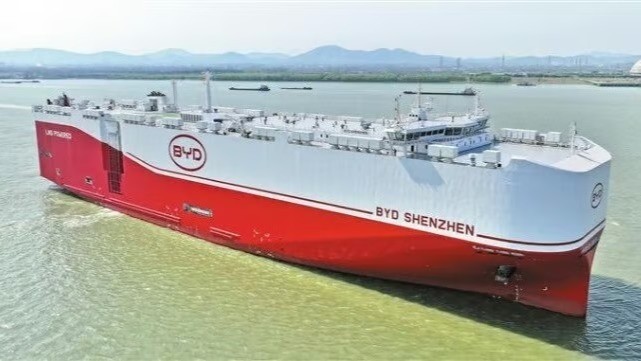
BYD Has Bought another 10 More Ships, Says Stella Li,Executive Vice President of BYD
 Car Carriers
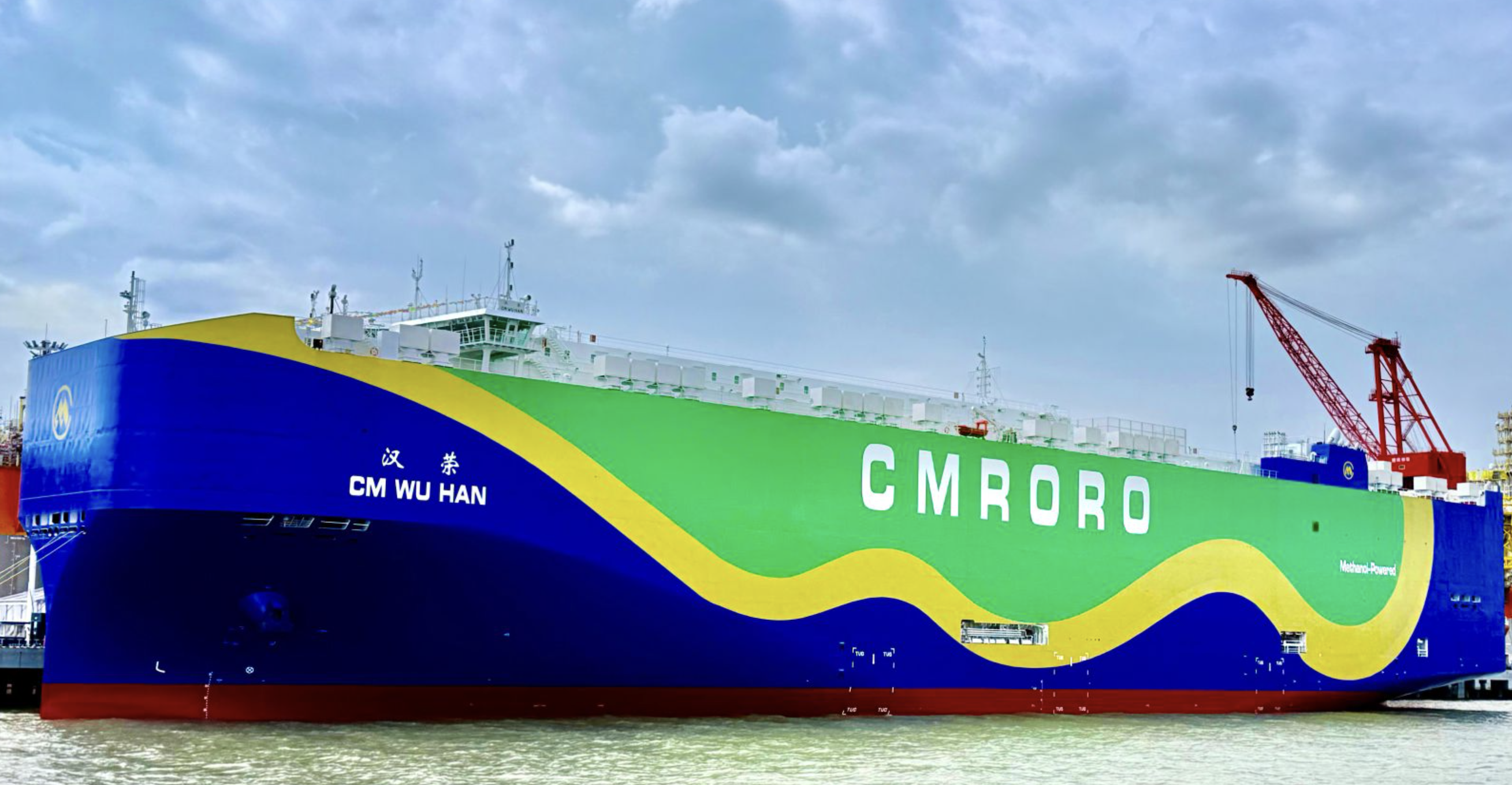
China Merchants Takes Delivery of Methanol Dual-Fuel Car Carrier CM WUHAN
 Car Carriers
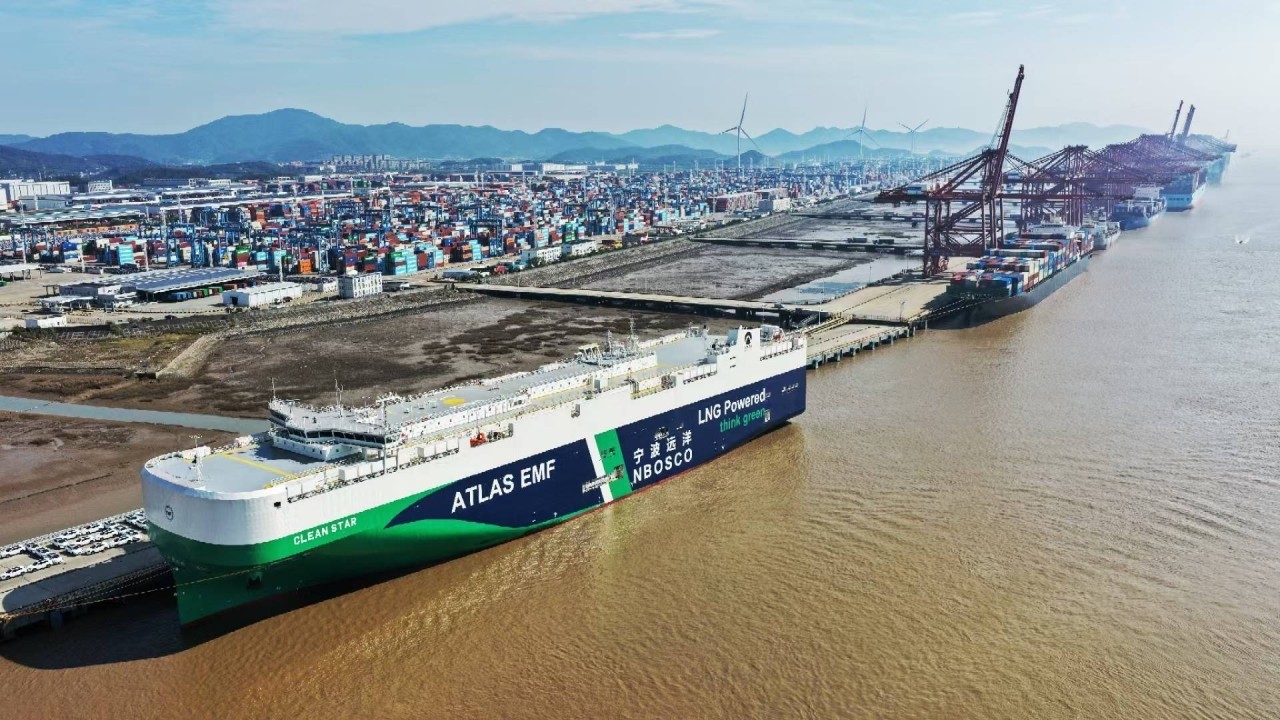
Ningbo Ocean Shipping Plans Two More PCTCs to Expand Its Car Carrier Fleet
 Car Carriers
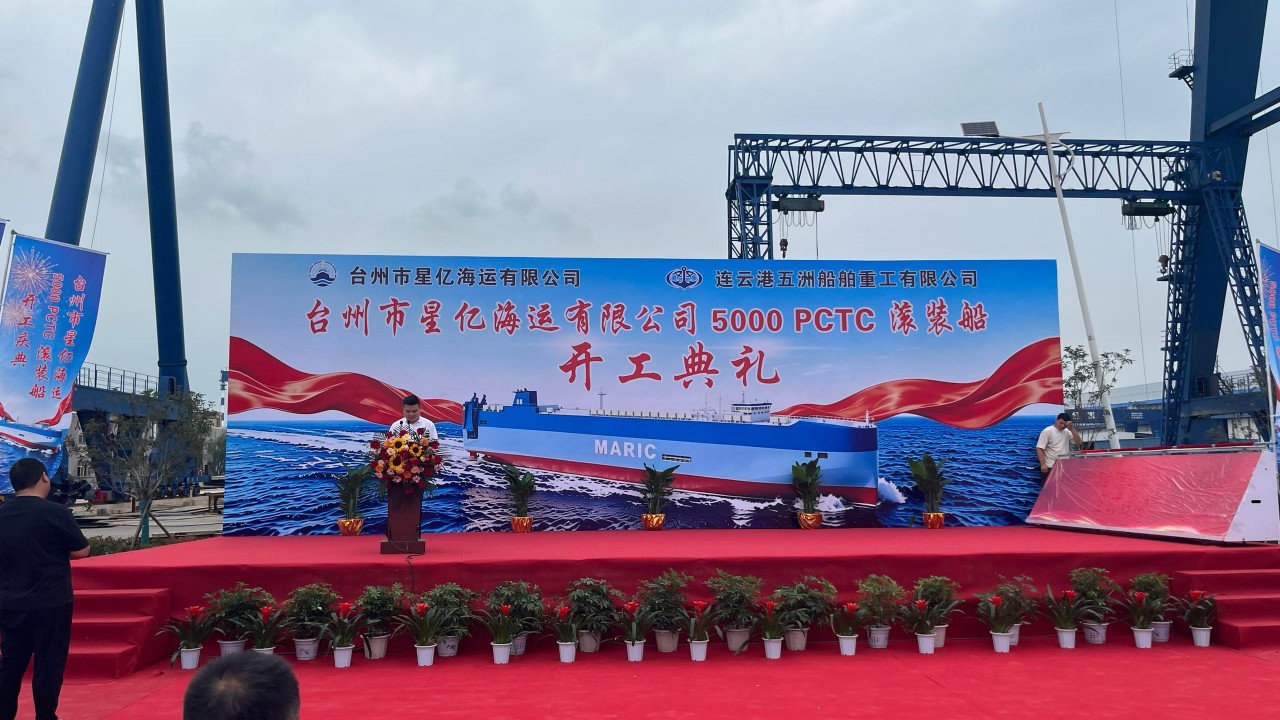
Another Chinese Shipowner Enters PCTC Market — and Another Chinese Yard Moves into 5,000-CEU Construction
 Car Carriers
Up to 26 PCTC! Höegh Autoliners Signs 6 More Aurora Car Carriers with China Merchants
 Car Carriers