


Up to 26 PCTC! Höegh Autoliners Signs 6 More Aurora Car Carriers with China Merchants
Firm programme reaches 18 vessels, with options and reserved slots offering a path to 26

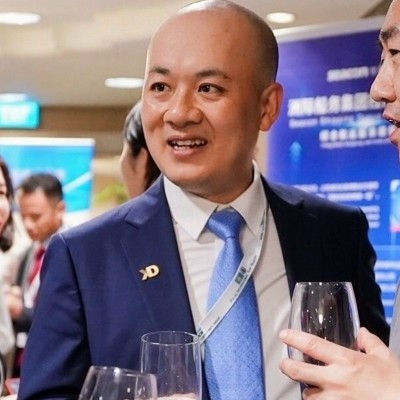
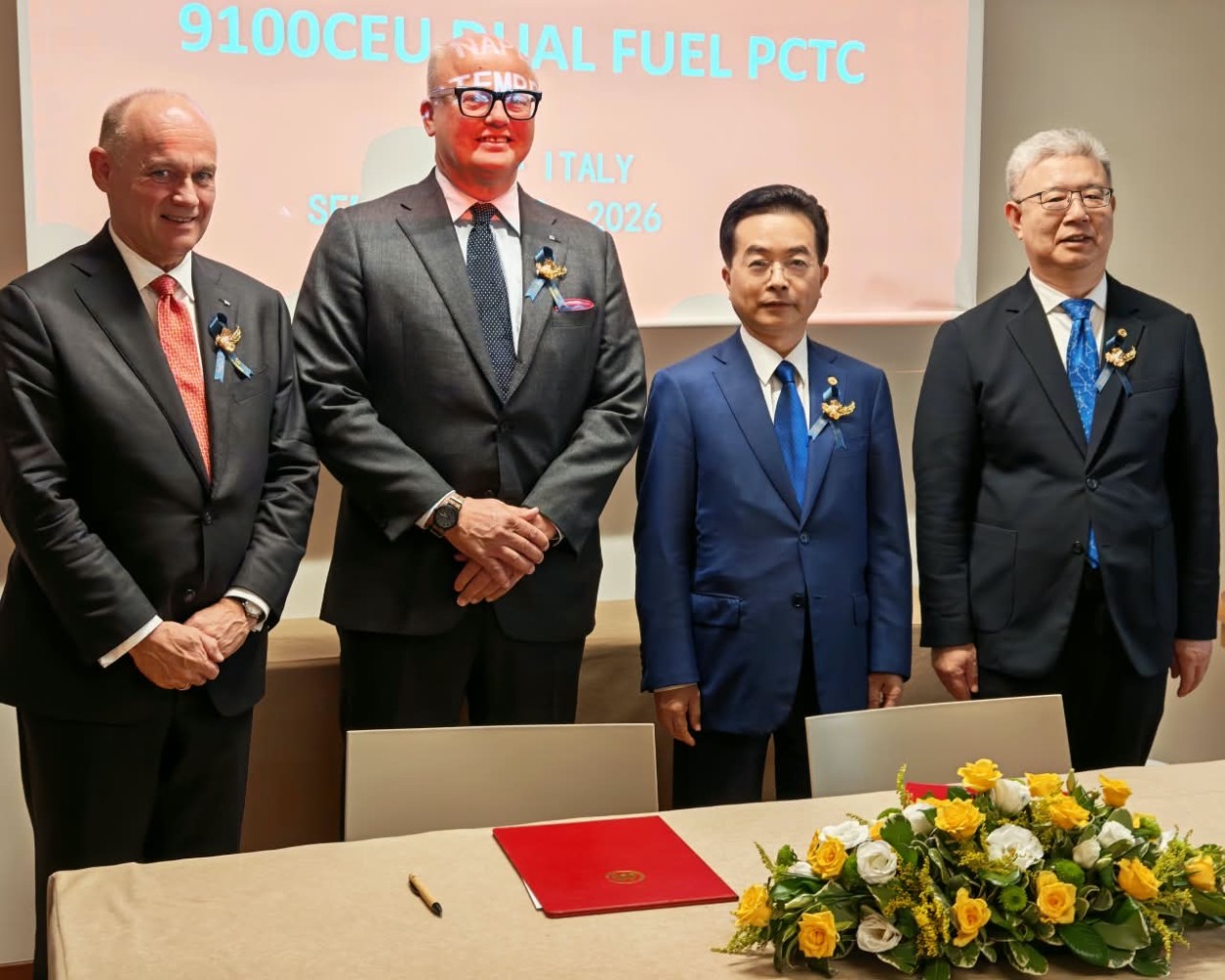
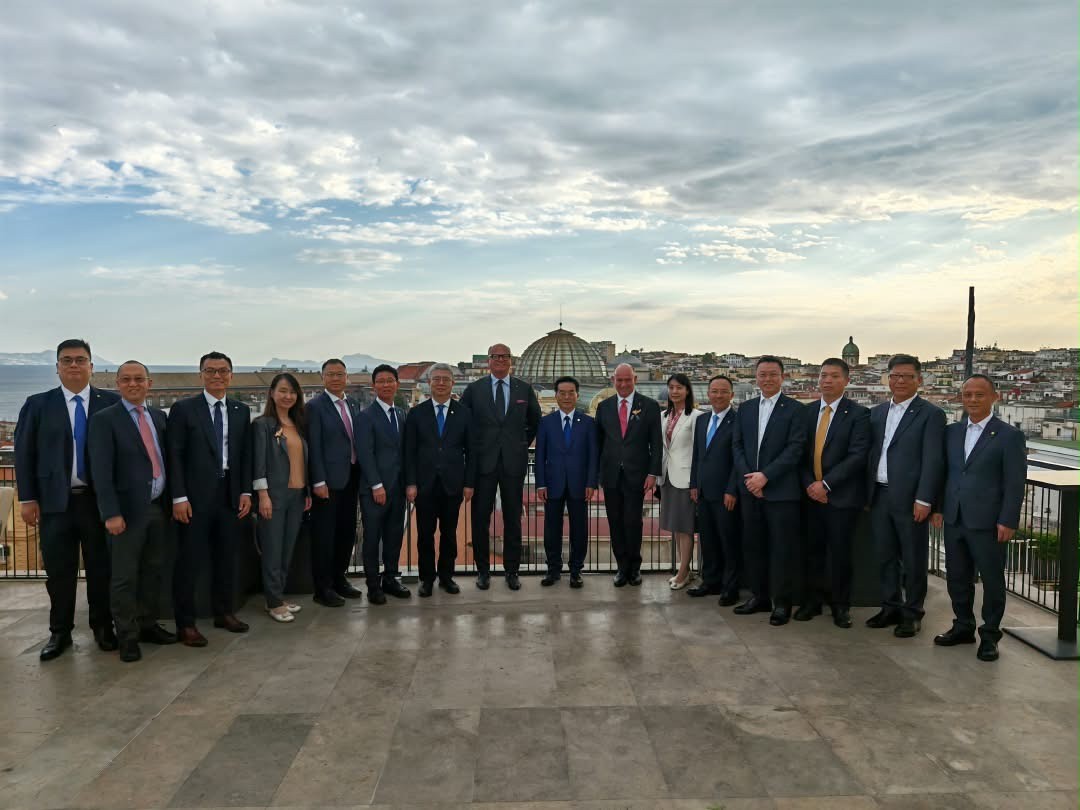
Höegh Autoliners and China Merchants Group formally signed a contract for six additional Aurora-class pure car and truck carriers (PCTCs) in Naples, Italy, on 22 September. China Merchants Group Chairman Miao Jianmin attended the ceremony alongside Höegh Autoliners Chair Leif O. Høegh and CEO Andreas Enger. The 9,100-CEU vessels will be built by China Merchants Heavy Industry (Jiangsu) and delivered between 2029 and 2031.
Höegh had already disclosed the six-vessel order on 25 August. The Naples ceremony formalised that transaction; it did not add another six ships. The agreement takes the firm Aurora programme to 18 vessels, all assigned to the Jiangsu yard. Four further vessels are covered by options, while construction slots have been reserved for another four. If both arrangements result in orders, the series could eventually reach 26 ships.
Eighteen Firm Vessels, Eight More Possible
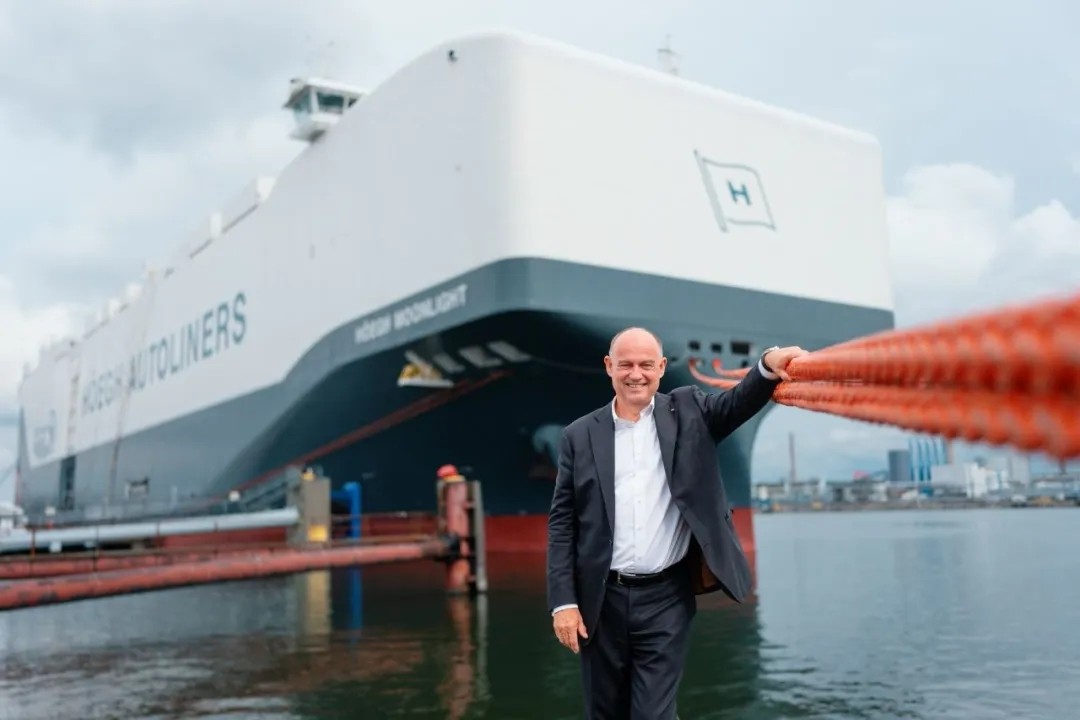
Höegh’s relationship with the yard began with its first Aurora contracts in 2022. Subsequent orders and exercised options brought the programme to 12 ships in 2023. Eight have since been delivered, including Höegh Rainbow in January 2026. Four vessels from the earlier programme remain scheduled for delivery in 2027 and 2028; the latest six extend the delivery pipeline into 2031. The current total therefore comprises eight delivered vessels and ten firm vessels awaiting delivery.
The remaining eight require separate decisions. Höegh may exercise the first four options on the same commercial terms within six months of its 25 August announcement. For the other four, it holds reserved construction slots and must give notice by 31 December 2027. Keeping those commitments distinct matters for assessing both the yard’s confirmed workload and Höegh’s future capital spending. The firm order is 18 vessels; 26 is the programme’s potential upper limit.
One Ship Platform, Three Stages of Fuel Development
The Aurora fleet also shows how Höegh is sequencing its fuel investments. Its first eight ships were delivered with LNG dual-fuel engines and provisions for future ammonia conversion. Vessels nine to twelve are planned for delivery with ammonia dual-fuel engines: three are expected in 2027 and the fourth in 2028. China Merchants Group previously indicated that the first ammonia dual-fuel PCTC in the programme was scheduled for delivery in the third quarter of 2027.
The six newly contracted ships will use LNG dual-fuel propulsion while retaining DNV ammonia-ready and methanol-ready notations. Their design preserves conversion possibilities as alternative fuels and the infrastructure needed to supply them develop. Höegh says the Aurora class can reduce carbon emissions per car transported by up to 58% compared with a conventional PCTC. That is a comparison of transport intensity between vessel types, rather than a fleet-wide reduction figure. An LNG-fuelled vessel also continues to produce greenhouse gas emissions during operation.
This staged approach gives Höegh experience with ammonia-capable tonnage while preserving flexibility across the larger fleet. The commercial use of clean ammonia will depend on fuel availability, bunkering infrastructure, cost and the regulatory framework. For ships expected to operate over several decades, their value will reflect both present operating efficiency and the practical ability to change fuels later.
Export Growth Meets a Rising Supply of Car Carriers
The investment comes as vehicle exports continue to generate demand for ocean transport. Höegh’s 2025 annual report put Chinese vehicle exports at approximately 7.1 million units, a figure that includes overland and short-sea shipments, and estimated that global deep-sea light-vehicle shipments grew by around 10% that year. In its second-quarter 2026 results, the company reported 66% year-on-year growth in Chinese vehicle exports during the first half. Höegh also extended a transport agreement with a major Asian carmaker through December 2029, with forecast volumes expected to add approximately $300 million in revenue over the extension period.
Ship supply is expanding as well. Höegh’s annual report counted 773 vessels in the global deep-sea PCTC fleet at the end of 2025. During that year, 76 newbuildings were delivered and two vessels left the fleet; the firm orderbook stood at 139 ships at year-end. Those figures provide context for a decision extending into 2031: export growth supports additional capacity, while continued newbuilding deliveries make the timing and cost of each investment consequential. Höegh’s four options and four reserved slots allow it to revisit the final scale of the Aurora programme as the market develops.
Funding the Next Phase
Höegh reported second-quarter 2026 revenue of $376 million, EBITDA of $122 million and net profit of $86 million. Its results also showed the effect of Middle East service disruptions and higher fuel costs, with fuel surcharge recovery lagging the increase in bunker prices by around five to six months. Against that operating backdrop, the company has emphasised the importance of securing competitive capacity costs through a repeated vessel design and a long-term relationship with the yard.
Alongside the new order, Höegh completed a private placement in August that raised NOK 1.42 billion, approximately $152 million. The company said it would combine the proceeds with debt financing to fund its newbuilding programme. It has not disclosed the contract price of the latest six ships. The approximately $1.5 billion of investment and commitments reported for the original 12-vessel programme in its 2025 annual report is a broader project figure and does not establish a price for this new batch.
For China Merchants Heavy Industry (Jiangsu), the agreement extends a production relationship from eight Aurora vessels already in service to ammonia dual-fuel ships under construction and a further six vessels due by 2031. Höegh has attributed the terms of the latest order to that established relationship, economies of scale and the benefits of repeating the design. The programme gives the yard a sustained role in developing and delivering successive fuel configurations of the same large PCTC platform.
At the signing, Leif Høegh linked the investment to the company’s approaching centenary and said the new vessels would shape its fleet for decades. Enger described the expanded Aurora programme as central to fleet renewal and to securing efficient, flexible capacity for the future. Miao congratulated Höegh ahead of its 100th anniversary in 2027 and characterised the partnership as an alliance between two companies with long maritime histories. Their remarks place the six-ship contract within a cooperation that now spans delivery, fuel development and fleet planning through the next decade. Andreas Enger Camilla Knappskog

READ MORE
 Car Carriers
BYD Orders Another 10 x 9,200 CEU-CEU Car Carriers?
 Car Carriers
Up to 14 More PCTCs: Höegh Doubles Down on China as Aurora Programme Could Grow to 26 Ships
 Car Carriers
PCTC Are Running Short: COSCO Moves 13,052 Chery Vehicles to Europe in Containers, Tapping Boxship and Multipurpose Vessel Networks
 Car Carriers
917 Chinese Vehicles Arrive at Chancay as COSCO SHIPPING Expands Rack-Based Auto Logistics
 Car Carriers
Ningbo Ocean Shipping Officially Enters the Car Carrier Market
 Car Carriers