


Yantian Port plans RMB3.79bn Zhangjiagang terminal
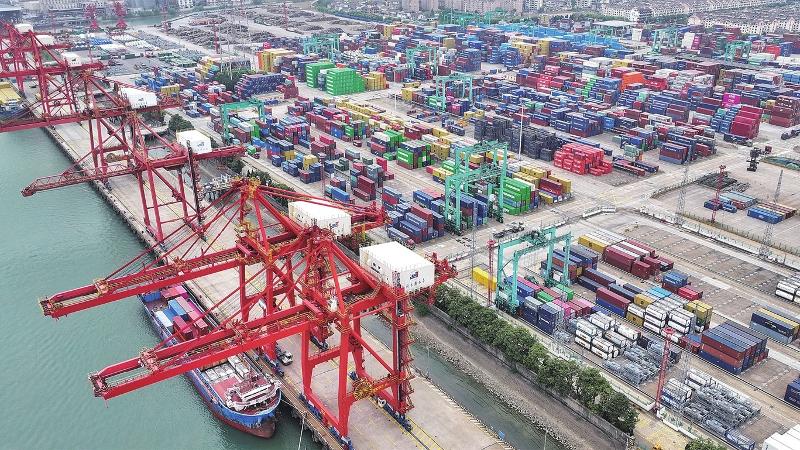

The proposed development would add a lower-Yangtze hub to the Shenzhen-listed company’s inland port network, with investment approval still pending a shareholder vote.
Shenzhen Yan Tian Port Holdings Co., Ltd. (000088.SZ) plans to invest about RMB3.79 billion in a terminal at Zhangjiagang in Jiangsu province, extending a port network that already includes operations in Hubei and Hunan.
The first phase of the Shenzhang terminal, in the Metallurgical Industrial Park operating area of Suzhou Port’s Zhangjiagang port area, would combine cargo handling, warehousing and multimodal transport services. It would be developed through a wholly owned Jiangsu subsidiary.
The board approved the investment on 10 October, according to a filing dated 13 October. Shareholders are scheduled to vote on the proposal on 29 October. The investment filing said relevant project contracts had not yet been signed.
Building on an established Yangtze network
Yantian Port’s expansion along the Yangtze has been under way for more than a decade. Huangshi New Port in Hubei began operations in September 2015. In January 2020, the company established a headquarters platform in Hubei to coordinate port and industrial development, including its interests in Huangshi, Changde and Jinshi.
Changde and Jinshi are in Hunan, giving the company access to inland cargo markets beyond the Yangtze’s main channel. Its portfolio combines these river port operations with equity interests in Yantian’s container terminals in Shenzhen and other coastal port businesses.
A terminal at Zhangjiagang would give the company an additional position on the lower Yangtze, close to the industrial markets of the Yangtze River Delta. The potential benefit is greater scope to organise cargo movements across its ports, alongside storage and onward transport services. That would depend on developing commercial links between the assets.
Bulk cargo and river-sea transport
Earlier planning documents point to a substantial bulk cargo development. A 2023 procurement notice envisaged four bulk berths: one of 200,000-tonne class, one of 50,000-tonne class and two of 10,000-tonne class. It specified 952 metres of waterfront and annual design throughput of 40 million tonnes.
Those figures describe the historical scheme. The latest investment filing does not restate the berth configuration or throughput target, so they should not be treated as confirmed specifications for the current development.
Zhangjiagang’s industrial and trading base provides a rationale for the location. The city’s 2025 government work programme identified steel, chemicals, grain and edible oils, and textile raw materials as established cargo and commodity trading strengths.
For bulk cargo, river-sea transport connects ocean shipping with inland distribution. A terminal on the lower river can receive cargo from seagoing vessels and transfer it to river vessels serving inland destinations. Warehousing can help match large arriving shipments with customers’ delivery schedules. The commercial value depends on how efficiently those services are coordinated.
Rail connections remain part of the plan
Rail could broaden the project’s reach. In a response dated 16 May 2025, Zhangjiagang’s municipal government outlined a proposed railway of about 17.3 km from Zhangjiagang North station to the metallurgical industrial park and the Shenzhang port hub.
The government described the railway as being at the scheme-study and feasibility stage, with approvals and construction to follow the port project’s progress. Its potential role is to connect the waterfront with inland rail markets; the document does not establish an operational rail link to the proposed terminal.
Funding and the next approval
The financing plan calls for approximately RMB1.52 billion in equity, representing 40% of investment, with the remaining roughly RMB2.27 billion to be raised through bank loans and other channels. The company may also explore introducing strategic investors as the project progresses.
The company flagged exposure to fluctuations in bulk commodity demand and competition as other Jiangsu river ports expand cargo handling capacity. Securing sustained cargo volumes will therefore matter to the project’s utilisation and returns.
The immediate decision is the shareholder vote on 29 October. The investment filing did not specify a construction timetable or commissioning date.


READ MORE
 Ports & Terminals
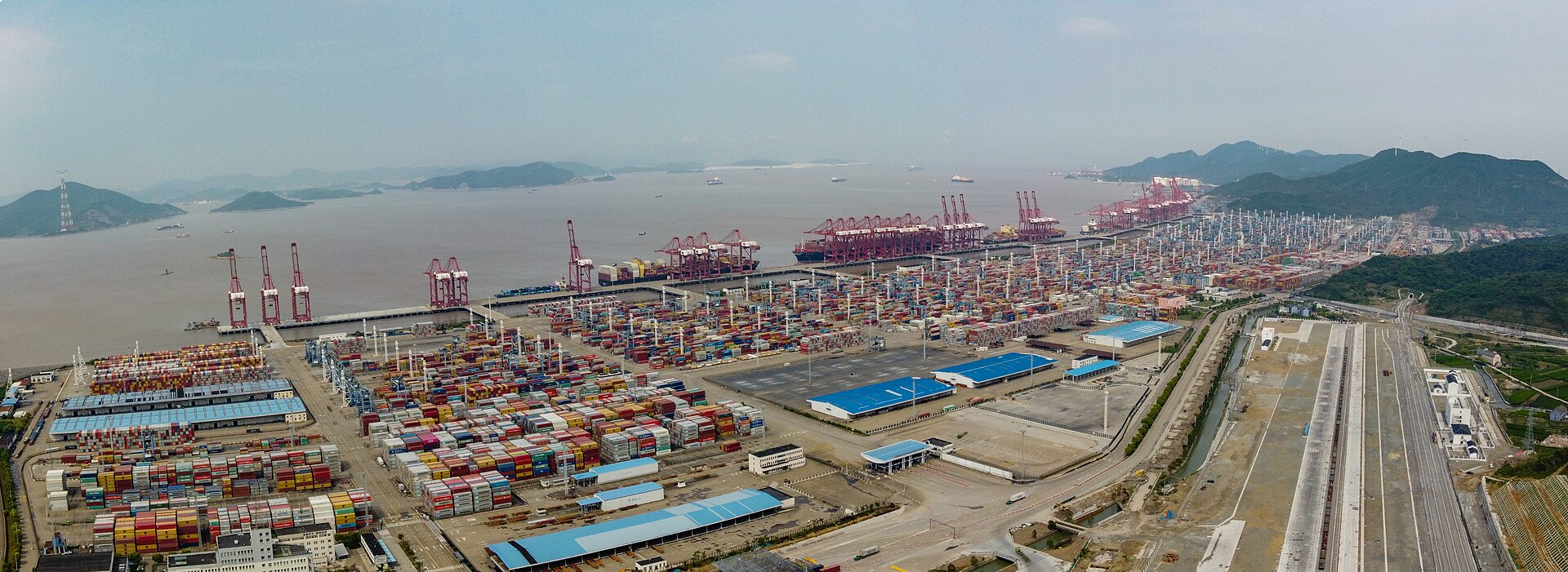
Ningbo Port’s September Box Volumes Rebound 9.3%
 Ports & Terminals
Germany Blocks COSCO’s Zippel Deal, Testing Inland Logistics Expansion
 Ports & Terminals
Keep buying!Inside the Maersk Family’s Infrastructure Buying Spree——From 70-Plus Ships to 50-Plus Terminals
 Ports & Terminals
Vietnam’s Cai Mep Terminals Open 1,200-Metre Shared Berth
 Ports & Terminals
US Fees on Chinese-Built Ships May Be Delayed Until January, Pending USTR Action
 Ports & Terminals
COSCO SHIPPING and Shanghai Post Launch 28-Day Postal Sea Route to Peru via Chancay
 Ports & Terminals
Pinglu Canal opens a new river-to-sea route for southwest China
 Ports & Terminals
China’s $10.7bn Pinglu Canal to Open Sept. 16, Cutting Southwest–ASEAN Shipping Route by 560 km
 Ports & Terminals
Northern Europe Port Strikes Add New Pressure to Asia–Europe Container Schedules
 Ports & Terminals