


Pinglu Canal opens a new river-to-sea route for southwest China
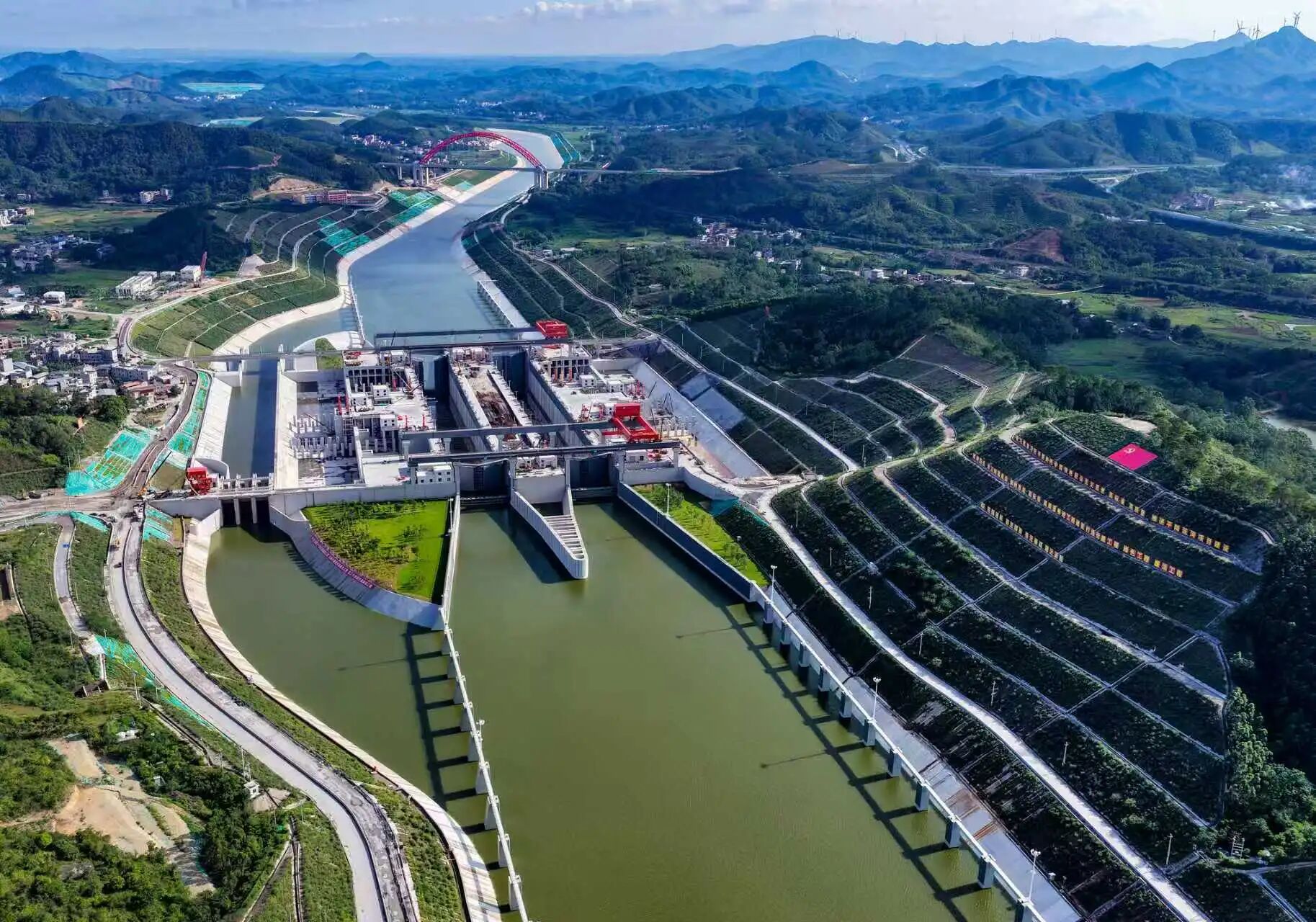

China has opened the 134.2-kilometre Pinglu Canal in Guangxi, creating a direct waterway between the Xijiang river system and the Beibu Gulf. The project could shorten inland cargo routes by more than 560 kilometres, but its commercial impact will depend on whether ports, railways and logistics operators can turn physical connectivity into reliable cargo flows.
China formally opened the Pinglu Canal to navigation on September 16, creating a new southbound route from the inland river network of southwest China to the Beibu Gulf and the maritime trade lanes of Southeast Asia.

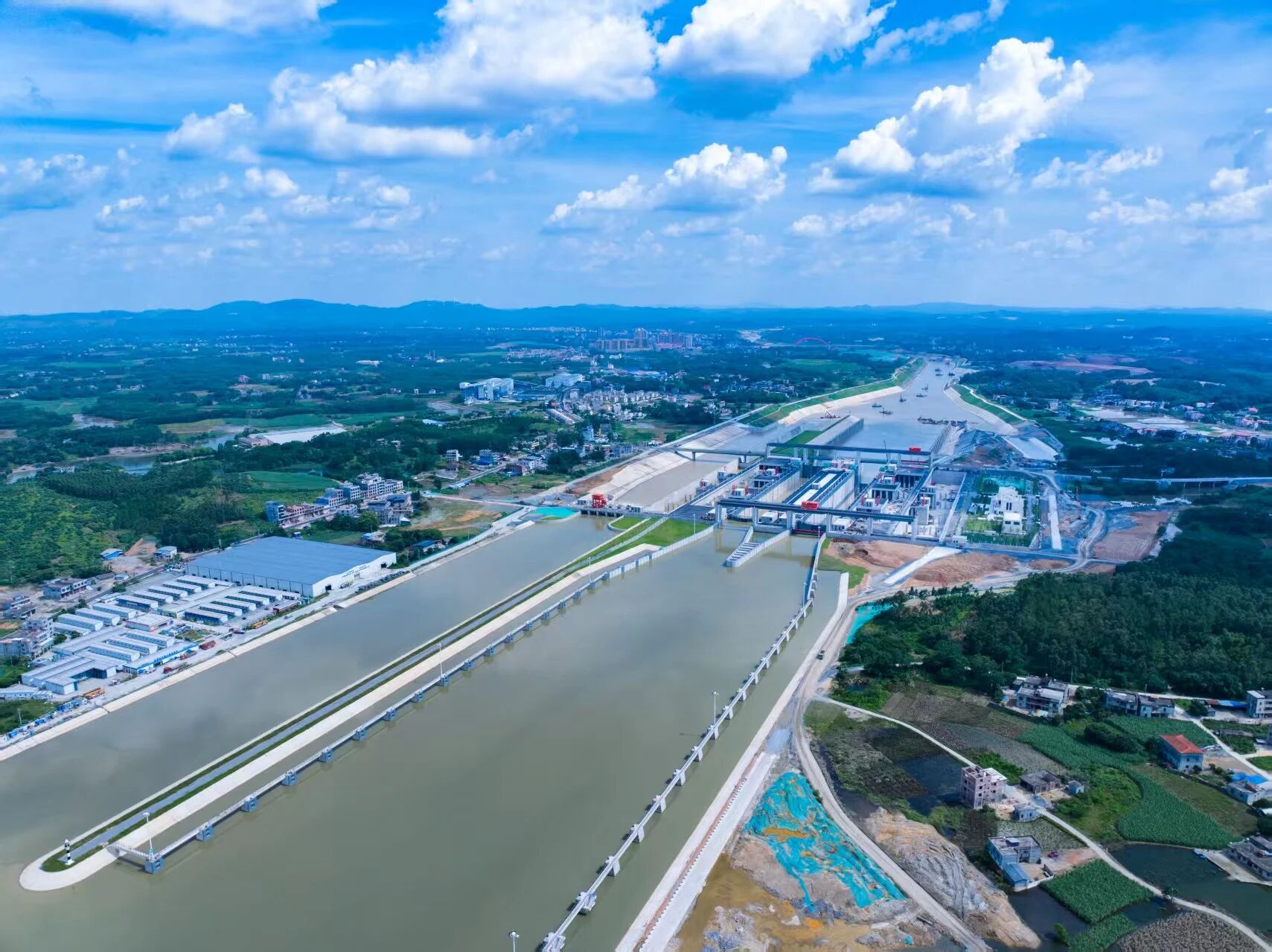
The 134.2-kilometre canal was built in just over four years at a reported cost of 72.7 billion yuan. It links the Xijiang river system with the Qinjiang River and the Beibu Gulf, allowing river cargo to bypass the traditional eastbound route through the Pearl River Delta. The waterway can accommodate vessels of up to 5,000 tonnes, according to reports on the opening.
The canal’s importance lies less in the waterway alone than in the logistics geography it is intended to create. Guangxi and neighbouring inland provinces now have a shorter river connection to Beibu Gulf ports, particularly Qinzhou, instead of relying entirely on longer combinations of inland waterway, road, rail and coastal shipping through the Pearl River Delta.
According to Guangxi logistics officials cited in the opening coverage, the route could reduce cargo distances by more than 560 kilometres and lower overall logistics costs by between 18% and 30%. Those figures are official estimates rather than independently verified market results, and the actual savings will depend on cargo type, vessel utilisation, port handling and the availability of onward services.

A new outlet for inland cargo
For manufacturers in Guangxi and the wider southwest, the canal offers a more direct route to customers and production bases in Southeast Asia.
The region has become increasingly integrated with manufacturing supply chains involving Vietnam, Indonesia and other ASEAN markets. Automotive components, machinery, furniture, agricultural products and manufactured goods can now move south through the Xijiang system, pass through the canal and reach Beibu Gulf ports without first travelling east towards Guangdong.
The practical benefit is not simply a shorter line on a map. A river-to-sea route can reduce the number of cargo transfers, especially where goods can remain on the same barge or river-sea vessel between an inland terminal and the coastal port. Fewer transfers can reduce handling costs and the risk of delay, although this advantage will only materialise if inland terminals, customs procedures and port schedules are properly coordinated.
The canal’s 5,000-tonne vessel limit also defines its role. It is not an alternative for ocean-going container vessels or large bulk carriers entering the interior. Instead, it is a feeder and inland distribution corridor, linking smaller river-sea vessels with larger ships at Beibu Gulf ports.
That distinction is important. The canal will not replace the deep-sea function of Qinzhou or other coastal terminals. Its commercial value will depend on how efficiently it feeds those ports and whether cargo can be consolidated into competitive services to Vietnam, Indonesia, Singapore and other regional destinations.
The first reports after the opening indicated that cargoes from inland cities including Nanning, Sichuan and Chongqing had begun moving towards Vietnam. El País. The longer-term test, however, will be whether such voyages develop into regular services rather than remaining symbolic opening-day movements.
Pressure on regional logistics networks
The Pinglu Canal is likely to increase the competitive importance of Beibu Gulf ports in southwest China’s cargo market.
For years, the Pearl River Delta has benefited from its established ports, dense manufacturing base and extensive logistics infrastructure. Cargo generated in Guangxi and parts of the southwest has often moved through that network because it offered scale, frequency and a broad choice of international services.
The new canal gives Beibu Gulf ports a structural advantage in distance for certain cargoes. It may encourage shippers to reconsider routing decisions, particularly for lower-value bulk commodities and containerised manufactured goods where inland transport costs account for a significant share of the delivered price.
But distance alone does not determine port choice. Shippers will compare total door-to-door cost, transit time, schedule reliability, equipment availability, customs clearance and the frequency of ocean services. A shorter waterway route can lose its advantage if vessels wait for locks, cargo remains at terminals for several days or containers need to be transferred repeatedly before reaching an international sailing.
That is why the next phase of the project will be less visible than the construction itself. The critical investment will be in terminal operations, rail connections, digital information systems, customs coordination and regular commercial services.
A number of the proposals linked to the canal focus on precisely these issues. Guangxi logistics officials have called for the development of multimodal hubs and cross-border logistics services aimed at ASEAN trade. Other proposals seek a unified information platform and a “single document” system covering rail, road, river and sea transport.
The experience of other transport corridors suggests that these systems are not secondary details. They determine whether cargo moves through a corridor as one integrated shipment or is repeatedly treated as separate movements by different operators and authorities.
The canal’s commercial test
The Pinglu Canal is also part of China’s broader effort to strengthen the Western Land-Sea New Corridor, which connects inland provinces with ports in Guangxi and international markets.
That strategy has gained importance as manufacturers seek more diversified export routes and as China’s trade with ASEAN continues to expand. A southern outlet may also improve access to imported raw materials for inland industries, although the economics will vary significantly by commodity and direction of trade.
The canal’s environmental design will be another factor in its long-term operation. The project includes fish passages, ecological conservation areas and measures intended to protect water sources along the route. The relocation of a drinking-water intake in Qinzhou was undertaken because of concerns about saltwater intrusion associated with the canal’s operation, according to the material provided for the project.
Such measures are not merely presentational. A canal linking river and sea systems changes water flows, sediment patterns and ecological conditions. Maintaining safe navigation while protecting water quality and biodiversity will require continuous monitoring after the opening, not only during construction.
The Pinglu Canal therefore begins commercial life with a clear strategic purpose but without a guaranteed market outcome. It has created the physical option for southwest China to reach the sea by a shorter southern route. Whether that option becomes a durable shipping corridor will depend on cargo volumes, service frequency and the ability of ports and logistics operators to remove the institutional friction between river, rail and ocean transport.
The opening ceremony marked the completion of the canal as an infrastructure project. For the shipping and logistics industry, the more important phase has now begun: proving that the new route can attract regular cargo and compete on the full cost and reliability of the supply chain.

READ MORE
 Ports & Terminals
Northern Europe Port Strikes Add New Pressure to Asia–Europe Container Schedules
 Ports & Terminals
Shanghai-Ningbo Delays Stretch to 11 Days as Typhoon Backlog Spills Into Liner Networks
 Ports & Terminals
Container Schedule Reliability Slumps to 56.4% as Port Congestion Spreads
 Ports & Terminals
China’s $10.7bn Pinglu Canal to Open Sept. 16, Cutting Southwest–ASEAN Shipping Route by 560 km
 Ports & Terminals
Hormuz Toll Debate Tests the Rules Governing the World’s Strategic Straits
 Ports & Terminals
Record $5.3 Million Panama Canal Bid: SK Gas Secures Transit Slot for G.SPIRIT
 Ports & Terminals
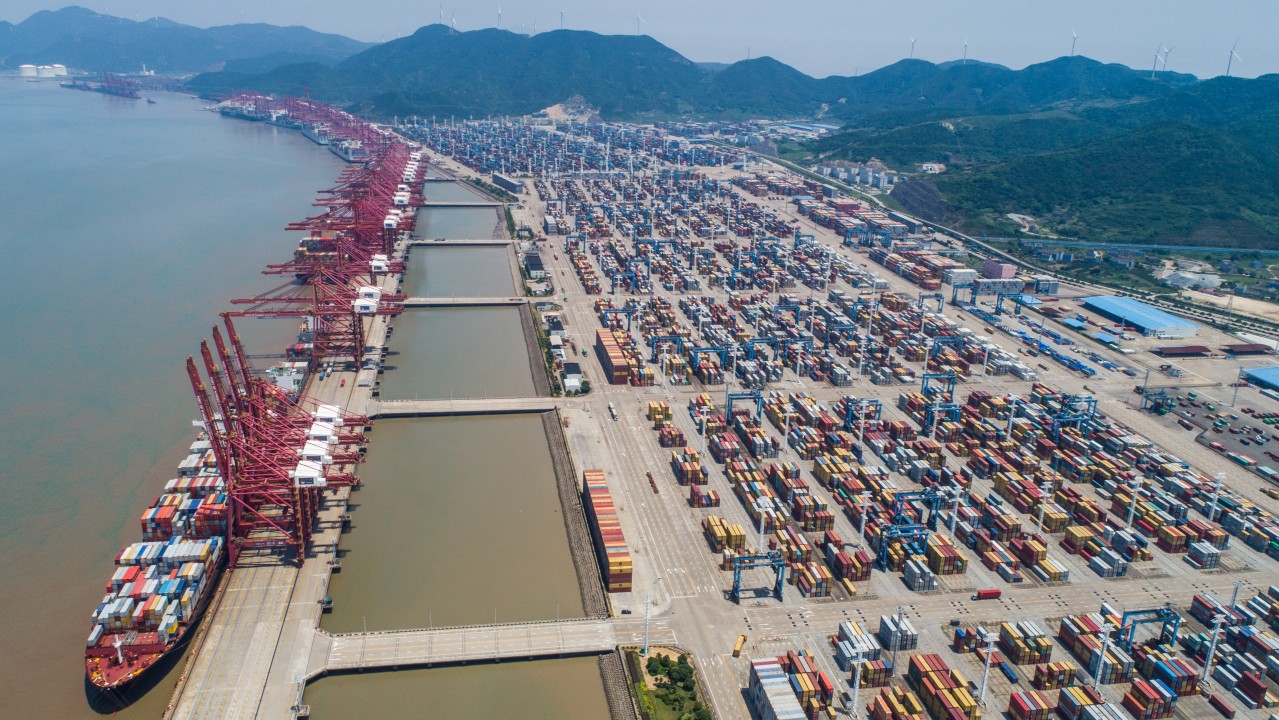
Global No. 2 Changes Hands: Ningbo-Zhoushan Overtakes Singapore for the First Time in H1
 Ports & Terminals
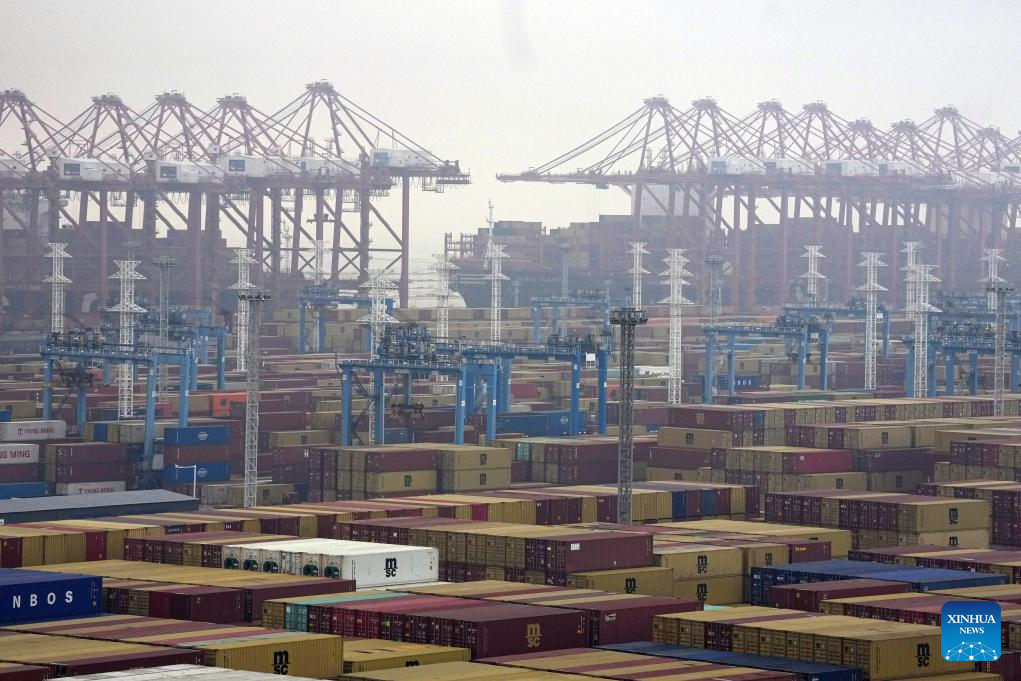
Ningbo-Zhoushan Edges Singapore for No. 2 Boxport Spot in First Half
 Ports & Terminals
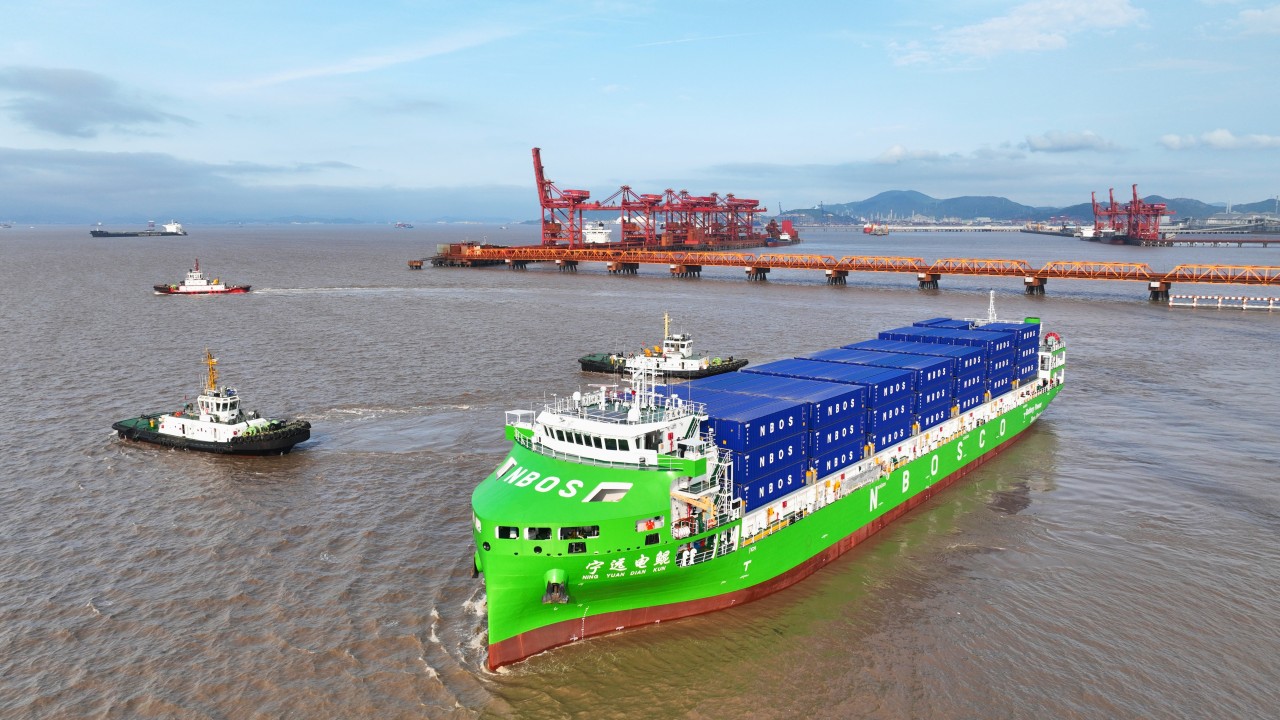
Why Are Two Chinese Port Groups Joining Forces? Ningbo and Beibu Gulf Build a New China–ASEAN Shipping Corridor
 Ports & Terminals