


Ningbo Port’s September Box Volumes Rebound 9.3%
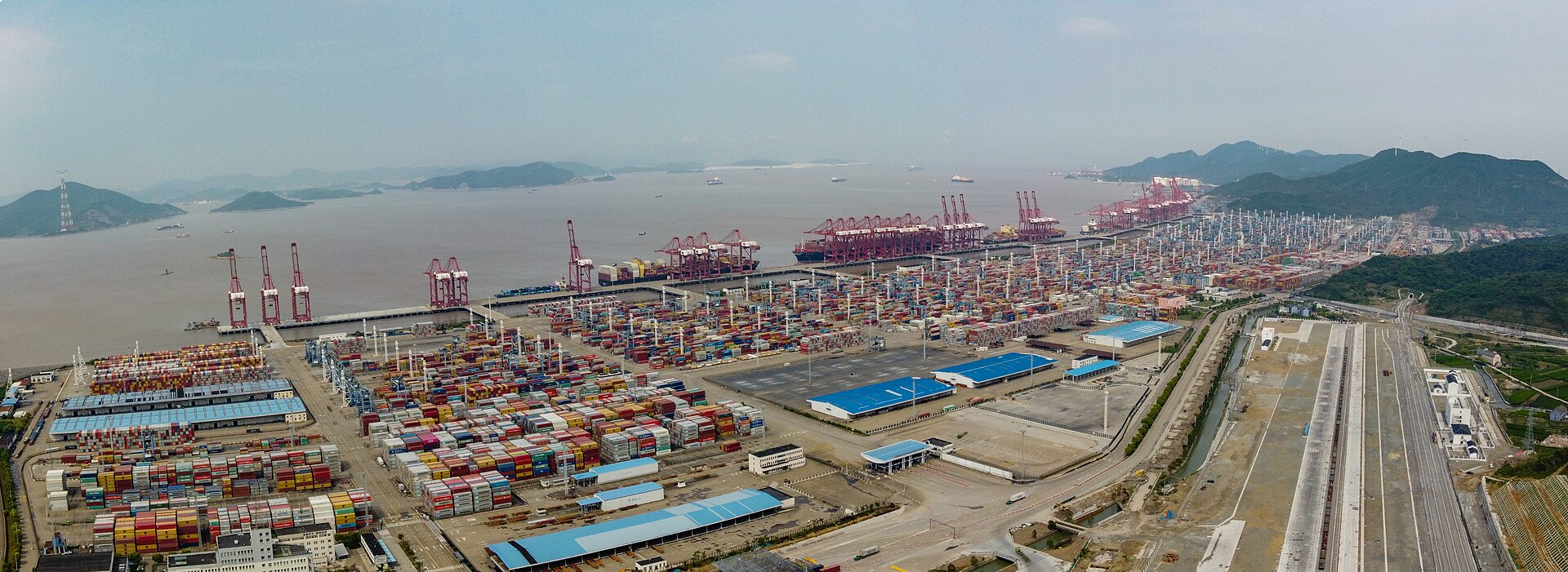

Ningbo Zhoushan Port Company Limited returned to year-on-year container growth in September, handling an estimated 5.07 million TEU, up 9.3%, after a decline in August.
The Shanghai-listed operator’s container throughput reached 41.64 million TEU in the first nine months of 2026, an increase of 6.1%. Total cargo throughput, however, fell 2.1% to 892.55 million tonnes over the same period, highlighting different trends across its cargo businesses.
September cargo tonnage rose 1% to 106.18 million tonnes. The company said the figures, published in a filing dated October 10, were preliminary and could differ from final results.
The improvement follows a weaker August, when the company reported container throughput of 4.32 million TEU, down 10.6% year on year. Cargo tonnage that month declined 21.7% to 86.21 million tonnes.
Based on the preliminary monthly figures, September container volumes increased by 750,000 TEU, or approximately 17.4%, from August. The company did not identify the specific reasons for the rebound.
The recovery strengthens the nine-month container result, but the divergence from total cargo tonnage warrants closer attention. Container throughput measures activity in twenty-foot equivalent units, while cargo throughput measures weight across cargo categories. Establishing the drivers requires a breakdown of container flows and major bulk and general cargo trades.
The latest figures come amid increased attention to Ningbo-Zhoushan’s position among the world’s largest container ports. According to Alphaliner data reported by Singapore broadcaster 8world, the port handled approximately 22.90 million TEU in the first half of 2026, up 8.8%, overtaking Singapore’s approximately 22.74 million TEU to rank second globally for that period.
Those port-wide figures have a different reporting scope from the listed company’s production statistics. The distinction is visible in August: Ningbo’s transport authority recorded 3.713 million TEU for the port of Ningbo-Zhoushan, compared with the listed operator’s 4.32 million TEU. The authority put the port’s January–August total at 30.396 million TEU.
Consequently, the company’s September release cannot by itself establish whether the port maintained or widened its lead over Singapore in the first nine months. That comparison requires matching port-wide statistics for the same period.
Located in Zhejiang province on China’s east coast, Ningbo-Zhoushan connects a substantial manufacturing hinterland with international liner networks. A July update published on the company’s website reported more than 110 sea–rail intermodal routes, 41 inland dry ports and 260 international container routes. It also identified three major container terminal clusters—Chuanshan, Meishan and Beilun–Daxie—each operating at a scale exceeding 10 million TEU annually.
These connections help bring inland cargo to ocean services. For shippers, their value depends on the combined cost and reliability of inland transport, terminal handling and vessel connections. For carriers, concentrated cargo flows and dependable terminal operations support port-call economics.
The monthly release does not quantify how much of September’s growth came from new services, intermodal traffic or transshipment. It therefore offers an activity indicator rather than evidence of a broad-based acceleration in export demand.
The company’s first-half financial results provide a fuller view of how rising activity translates into earnings. Revenue increased 12.76% to RMB16.87 billion, while net profit attributable to shareholders fell 2.12% to RMB2.54 billion. Net profit excluding non-recurring items rose 2.53% to RMB2.36 billion.
Container handling and related revenue grew 16.87%. The company attributed that increase both to higher business volumes and to the inclusion of Ningbo Far East Terminals in its consolidated accounts from December 2025. Revenue from other cargo handling and related activities declined 6.04%, reflecting lower volumes in some cargo categories.
Costs also increased. First-half operating costs rose 15.54%, faster than revenue, as higher activity lifted labour, outsourcing and transport expenses. Assets entering service added depreciation and amortisation charges.
September’s rebound improves the company’s production picture heading into the final quarter. Its earnings contribution will depend on the cargo mix, handling revenue and costs associated with that additional activity—details the monthly throughput release does not yet provide.


READ MORE
 Ports & Terminals
Germany Blocks COSCO’s Zippel Deal, Testing Inland Logistics Expansion
 Ports & Terminals
Keep buying!Inside the Maersk Family’s Infrastructure Buying Spree——From 70-Plus Ships to 50-Plus Terminals
 Ports & Terminals
US Fees on Chinese-Built Ships May Be Delayed Until January, Pending USTR Action
 Ports & Terminals
Vietnam’s Cai Mep Terminals Open 1,200-Metre Shared Berth
 Ports & Terminals
COSCO SHIPPING and Shanghai Post Launch 28-Day Postal Sea Route to Peru via Chancay
 Ports & Terminals
Pinglu Canal opens a new river-to-sea route for southwest China
 Ports & Terminals
China’s $10.7bn Pinglu Canal to Open Sept. 16, Cutting Southwest–ASEAN Shipping Route by 560 km
 Ports & Terminals
Northern Europe Port Strikes Add New Pressure to Asia–Europe Container Schedules
 Ports & Terminals
Shanghai-Ningbo Delays Stretch to 11 Days as Typhoon Backlog Spills Into Liner Networks
 Ports & Terminals