


Asia is no longer just driving shipping growth – it is shaping the industry’s future
By Demetris Chrysostomou, Deputy CEO and CEO Asia, Columbia Group
For decades, Asia has been described as the engine room of global shipping. It is where much of the world’s cargo moves, where most ships are built and where a significant proportion of the industry’s seafarers originate. That description remains true, but it is no longer sufficient.
Asia is moving up the entire maritime value chain. China, Korea and Japan accounted for around 91% of global shipbuilding by gross tonnage in 2025, while China and Japan remain among the world’s largest shipowning economies. But increasingly we need to add capital, technology, alternative fuels, digitalisation, management capability and strategic decision-making to the list. Put simply, Asia is moving from being where much of shipping happens to being where more of shipping is actually shaped.
We can already see this in technology. Asia has an enormous advantage in the concentration of shipyards, ports, owners, charterers, technology companies, fuel suppliers and governments. That creates an environment where ideas can move from concept to commercial application quickly. Singapore is particularly interesting. It does not need to compete with China, Korea or Japan on shipbuilding scale. Instead, it can become the connective tissue of the Asian maritime ecosystem, bringing together owners, managers, banks, insurers, classification societies, technology companies, regulators and alternative-fuel providers. It could become not necessarily the place where the most ships are owned or built, but one of the places where shipping’s future operating model is developed.
However, we should be careful about measuring progress by the number of pilots launched. The real test is not who pilots technology first. It is who can industrialise it across hundreds or thousands of vessels. AI or automation demonstrated successfully on one ship is innovation. Deploying it safely and consistently across a fleet, while integrating it with people, processes, cybersecurity and regulation, is transformation.
The same challenge applies to shipmanagement. As ownership moves east, it is logical that more technical management, procurement, crewing and strategic decision-making will follow. But geography alone will not determine where ships are managed. Shipmanagement remains a capability business. Owners want safety, reliability, transparency, cost efficiency and access to good people. As fleets become larger and ships more technologically complicated, those requirements become harder to deliver. This could create considerable opportunities for sophisticated third-party management. Alternative fuels, increasingly complex regulation, cyber risk, AI and geopolitical disruption are not making ships easier to operate. They are making them considerably harder.
For Columbia, this evolution is already reflected in the role we play across Asia. We have established operations in key maritime centres including Singapore, South Korea and China, supporting both Asian and international owners as their fleets and requirements become more complex. Increasingly, our role extends beyond traditional technical and crew management into areas such as digitalisation, procurement, training, regulatory compliance and operational optimisation. The opportunity for Columbia now is to combine the scale and specialist expertise of an international shipmanagement group with the local knowledge and relationships required in individual Asian markets.
That brings us to perhaps the biggest constraint on Asia’s next phase of maritime growth: people. Future officers will still need traditional seamanship, but increasingly they will also require knowledge of alternative-fuel safety, automation, cyber risk, digital systems and data-driven decision-making. Ashore, tomorrow’s superintendent may simultaneously need to be an engineer, risk manager, data user, interpreter of regulation and people manager.
AI may reduce some manpower requirements, but it will increase the premium on highly capable people. Technology can automate routine work. It cannot remove the need for judgement, particularly when something goes wrong. This is also why I do not see shipping’s future as a simple competition between Europe and Asia. Europe possesses extraordinary accumulated maritime knowledge, institutions and management experience. Asia has scale, capital, shipbuilding expertise and increasingly powerful technology ecosystems.
You can move capital relatively quickly, you can move ships overnight but building maritime judgement takes decades. The real competition over the next decade will therefore be for talent, technology and maritime expertise. The places that can bring all three together will increasingly determine the direction of global shipping.
Ends


READ MORE
 People
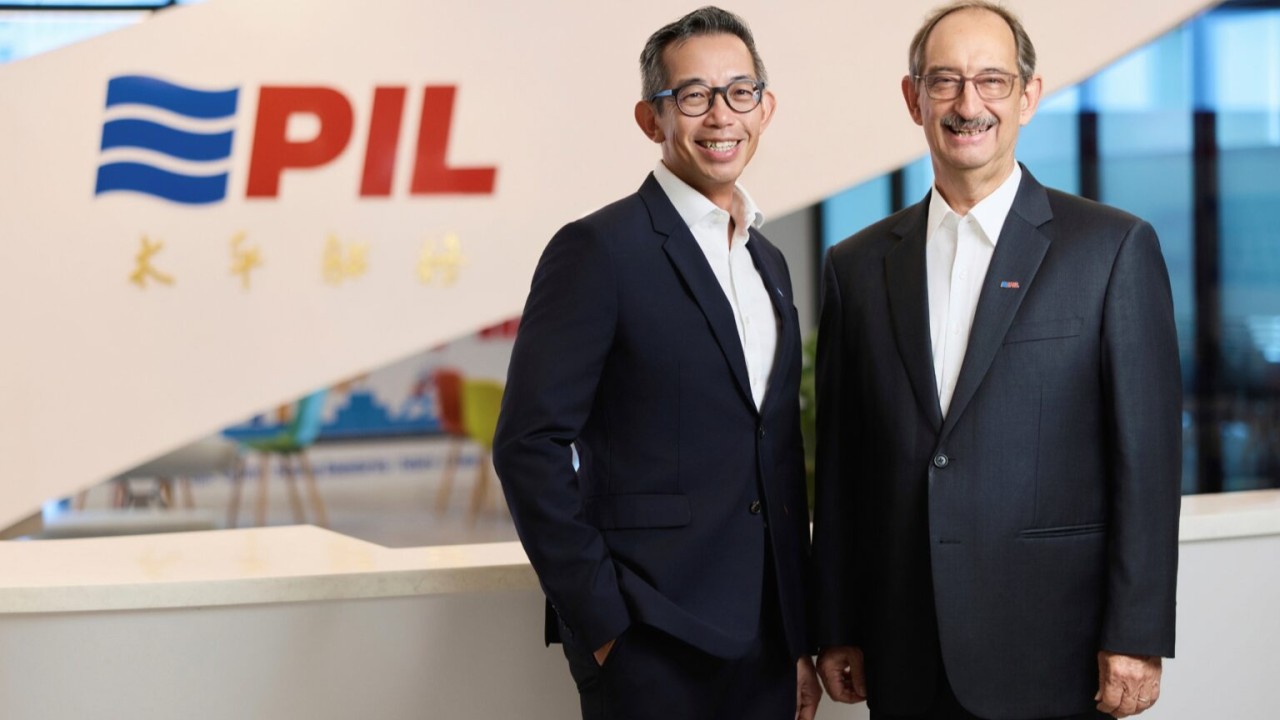
PIL Names Wan Chee Foong as Next CEO: A New Chapter Driven by Ports, Logistics and Strategy
 People
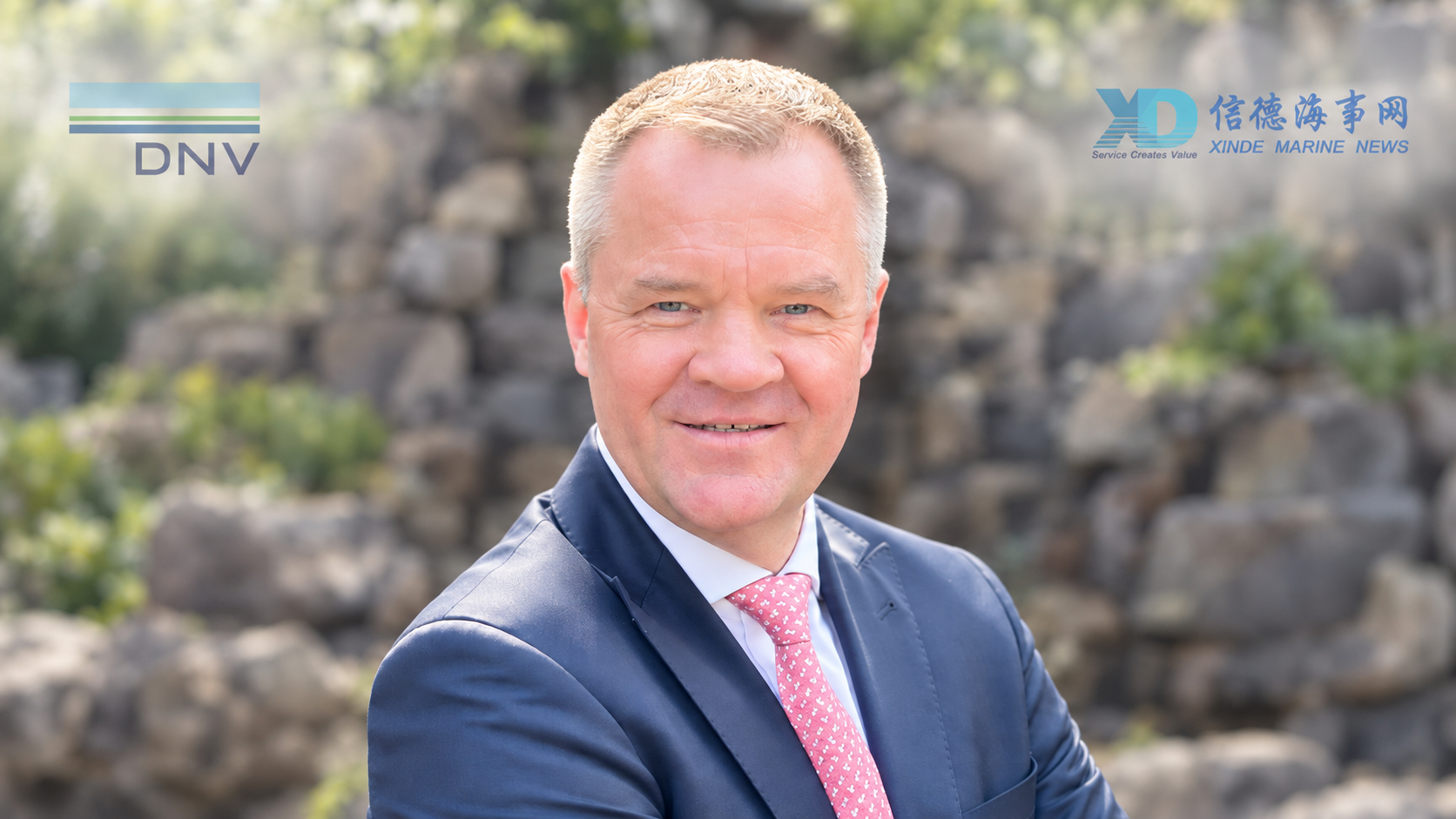
DNV’s Norbert Kray: China’s Shipbuilding Edge Now Extends Far Beyond Cost and Scale
 People
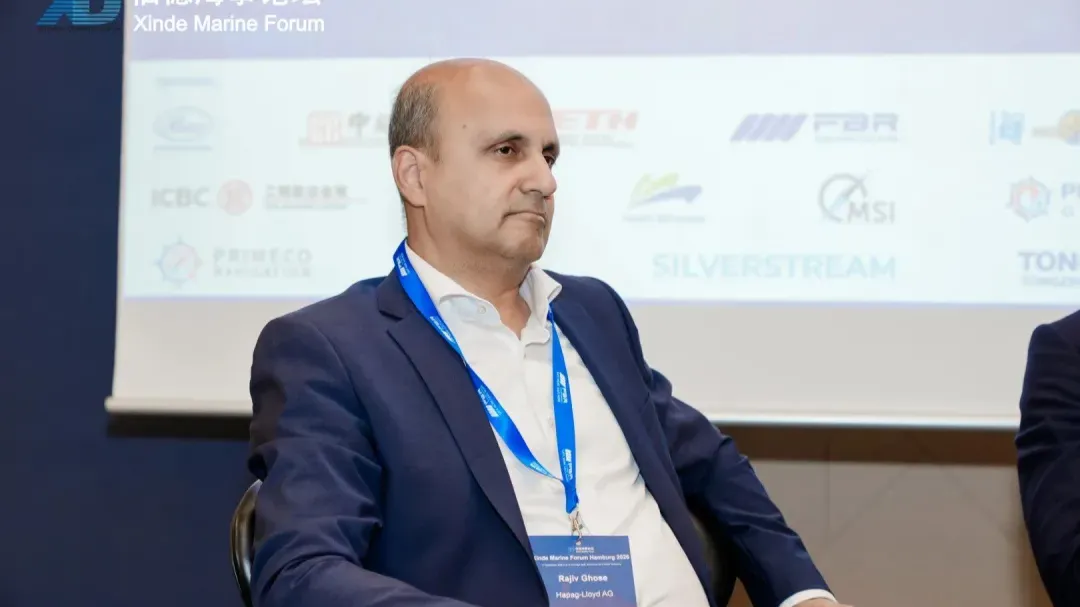
Exclusive Interview with Hapag-Lloyd’s Rajiv Ghose: How Gemini’s 90% Schedule Reliability Is Reshaping Shipping Resilience
 People
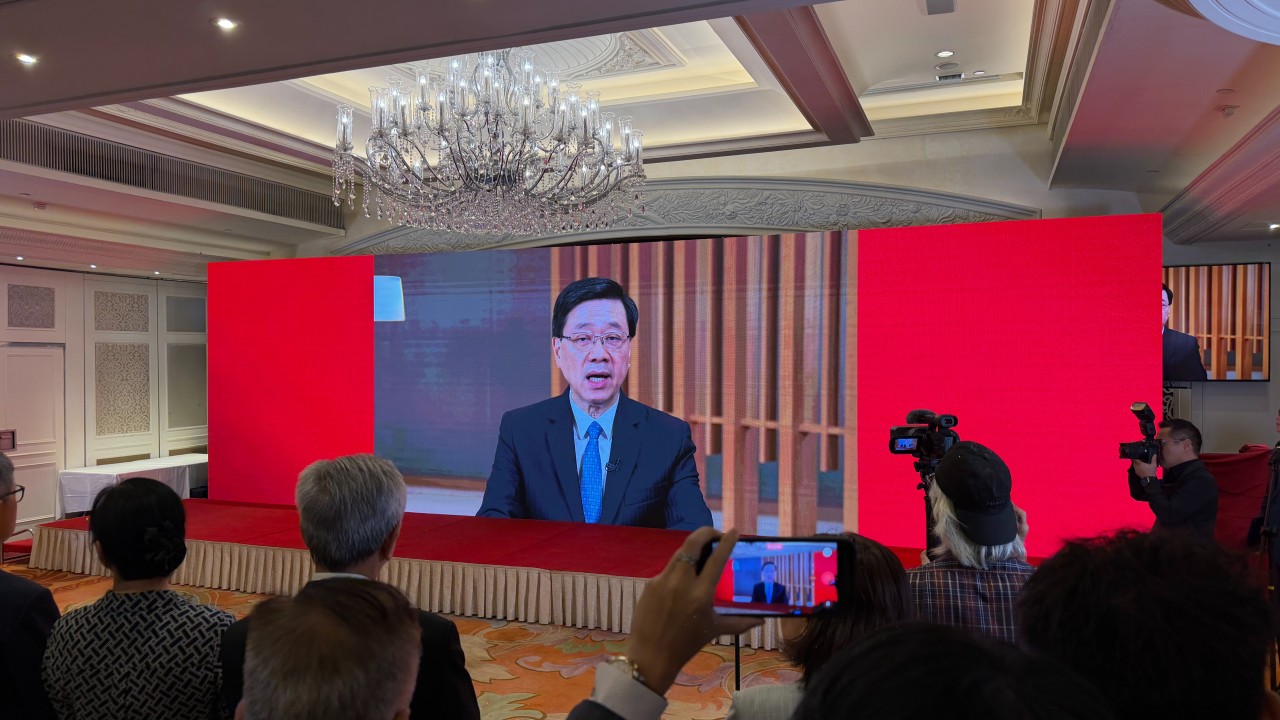
What John Lee’s Speech Signals for Hong Kong’s Maritime Industry over the Next Five Years
 People
Martin Roolvink has been appointed Managing Director of Bernhard Schulte Shipmanagement (Deutschland),
 People
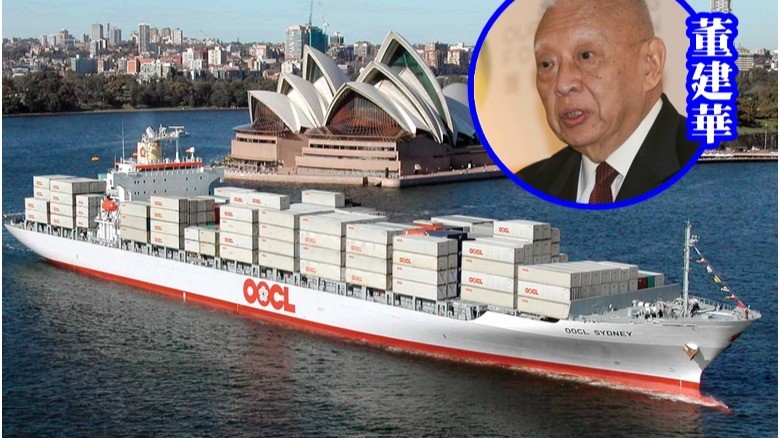
Tung Chee-hwa Dies at 89: From Shipping Executive to Hong Kong’s First Chief Executive
 People
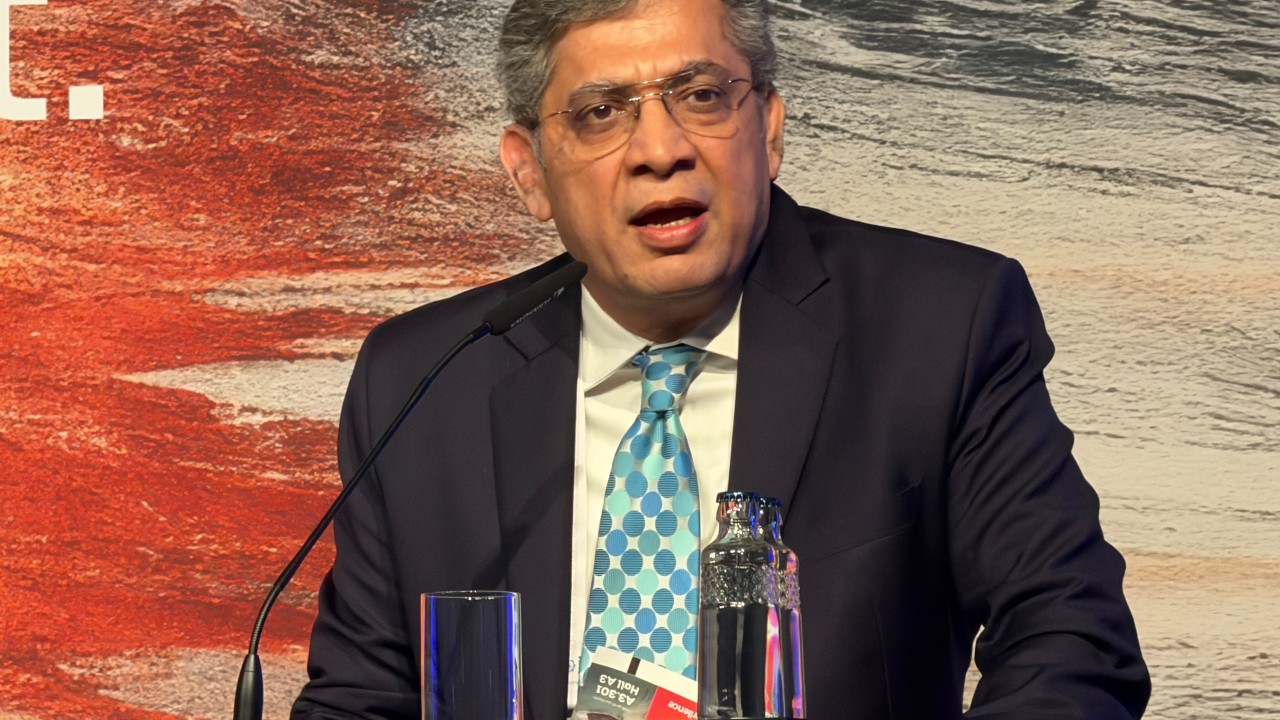
India Declares Its Maritime Ambition in Hamburg: Becoming a Global Shipping and Shipbuilding Power
 People
Euroseas Ltd.: Sustained Earnings, Disciplined Growth and Further Upside
 People
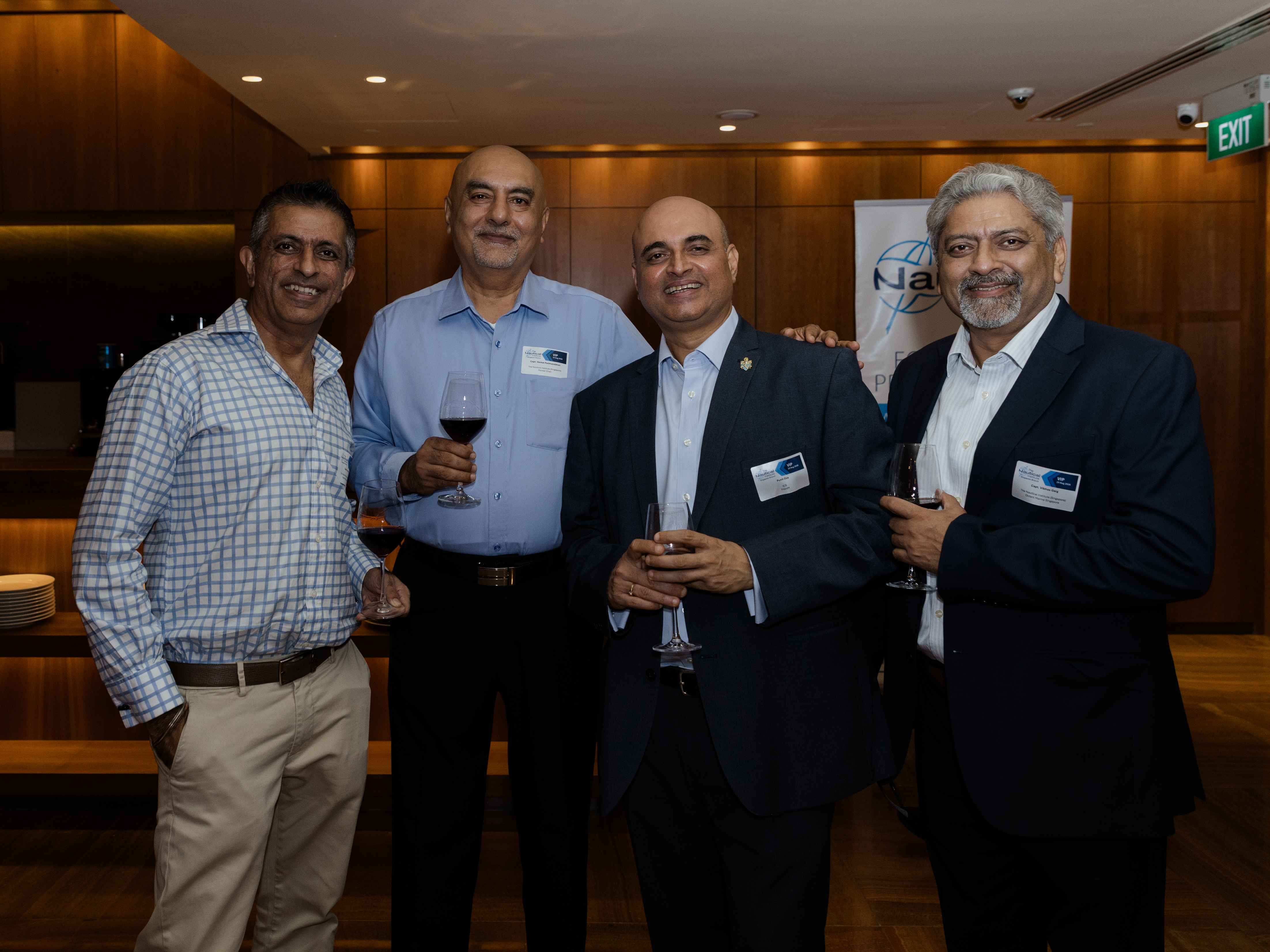
Nautical Institute (Singapore) Conference 2026 Brought Seaworthiness and the Future of Seafarers to Centre Stage
 People