


“We Are Buying Ships”: NORDEN Raises 2026 Profit Guidance for the Fourth Time
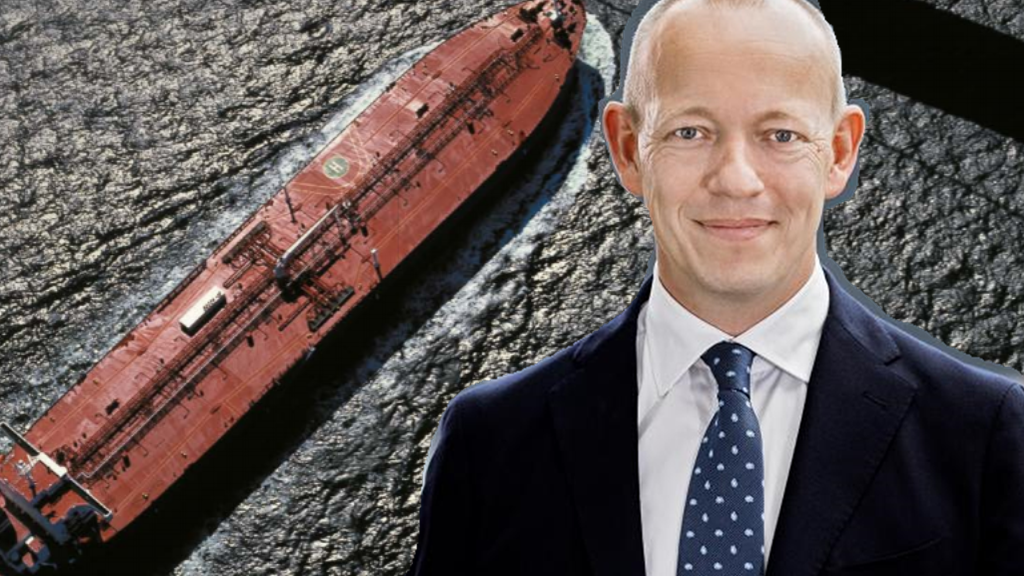
Danish shipping company DS NORDEN has raised its full-year 2026 net profit guidance to USD 180–230 million, marking its fourth earnings upgrade of the year as stronger tanker markets, improving dry cargo operations and regional fleet positioning lift its outlook.

Announced on 6 October, the revision increases both ends of the previous USD 140–190 million range by USD 40 million. At the start of the year, NORDEN expected net profit of USD 30–100 million. Its latest forecast implies growth of approximately 50–92% from the USD 120 million reported for 2025.
Expected gains from vessel sales remain unchanged at USD 79 million, the same figure disclosed in July and August. NORDEN attributed the latest improvement to strong performance in dry cargo and tankers, successful regional fleet positioning and higher market rates. The two most recent upgrades therefore reflect a stronger operating outlook without an increase in anticipated vessel-sale gains.
Alongside this earnings recovery, NORDEN is reshaping its fleet and business portfolio. It has sold selected MR product tankers and larger bulk carriers, acquired modern Handysize tonnage, expanded its multipurpose vessel commitments and developed logistics services supported by long-term cargo contracts.
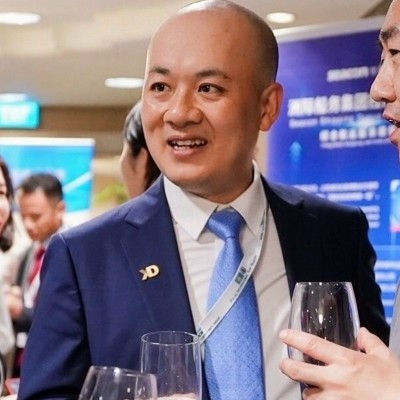
At Splash Singapore 2026 on 24 September, chief executive Jan Rindbo put the company's investment stance plainly: “We are buying ships.”
That statement sits alongside an active programme of vessel disposals. Together, these transactions illustrate NORDEN's approach: generating returns from differences in asset values, vessel segments and regional markets, while allocating more capital to specialised transport and services linked to longer-term customer demand.
Operating earnings take a larger role in the recovery
NORDEN's latest upgrades follow two years of declining annual earnings. Net profit fell from USD 400 million in 2023 to USD 163 million in 2024 and USD 120 million in 2025.
The 2024 result reflected a substantial divergence between businesses. Freight Services & Trading recorded a full-year loss of USD 74 million, while Assets & Logistics contributed net profit of USD 236 million. Vessel-sale gains of USD 82 million, favourable charter positions secured earlier and asset transactions helped offset pressure elsewhere in the business.
Asset trading remained an important contributor in 2025. Of the company's USD 120 million net profit, approximately USD 70 million came from vessel-sale gains, with the remaining USD 50 million described by NORDEN as the combined earnings contribution from operations. Vessel disposals therefore accounted for almost 60% of annual profit.
Against that background, NORDEN entered 2026 with a relatively cautious outlook. Its initial guidance, announced on 4 February, was for net profit of USD 30–100 million, including USD 20 million in anticipated vessel-sale gains. The company expected dry cargo operating margins to improve and tanker markets to remain strong in the first half before potentially easing.
The outlook subsequently improved in stages. On 28 April, NORDEN raised guidance to USD 70–140 million. On 2 July, the range increased to USD 120–190 million. On 13 August, the lower end rose to USD 140 million, before the 6 October announcement lifted the entire range to USD 180–230 million.
The midpoint has consequently increased from USD 65 million at the start of the year to USD 205 million, a rise of USD 140 million.
The composition of the upgrades is significant. Between the initial forecast and July, expected vessel-sale gains increased from USD 20 million to USD 79 million, making asset transactions an important part of the improving outlook. Since July, however, the anticipated contribution from vessel sales has remained unchanged while earnings guidance has been raised twice.
Subtracting USD 79 million in expected vessel-sale gains from the latest profit range leaves USD 101–151 million, compared with the USD 50 million operating contribution disclosed for 2025. This simple calculation is not an accounting measure of recurring operating profit. It nevertheless helps illustrate the changing earnings mix: vessel operations and commercial performance are providing more support for this year's recovery.
Strong tankers and recovering dry cargo operations support earnings
NORDEN's performance has been closely connected to disruption in the Persian Gulf and the resulting changes in energy trade. The same regional conflict has affected its tanker and dry cargo businesses in different ways.
In the first quarter, the Tankers business generated earnings before interest and tax, or EBIT, of USD 47.3 million on the business reporting basis excluding lease-accounting adjustments. Dry Cargo, meanwhile, recorded a loss of USD 45 million. With tanker strength offset by substantial dry cargo losses, group net profit was USD 11 million.
Tankers benefited from changing supply sources, altered transport routes and regional imbalances in vessel availability. These developments drove rates higher in parts of the market, widening earning opportunities for an operator with available tonnage and a global commercial network.
Dry cargo operations faced additional costs from disrupted voyages and contractual obligations. Some chartered vessels could not be deployed as planned, increasing waiting time, insurance and operating expenses, while NORDEN still had to fulfil existing cargo commitments.
The company also repositioned some dry cargo vessels into the Atlantic during the first quarter. This involved upfront voyage, fuel and chartering costs, with the expectation that stronger regional markets would subsequently provide a return.
Performance improved materially in the second quarter. Results released on 13 August showed group net profit of USD 100.8 million, approximately 94% above the USD 52 million reported a year earlier. Tankers EBIT reached USD 81.1 million, up 151%, while Dry Cargo moved from its first-quarter loss to a profit of USD 7.5 million.
Vessel sales remained part of those divisional results. The Tankers figure included USD 27.1 million in disposal gains, while Dry Cargo included USD 14.3 million. The return to positive EBIT in Dry Cargo therefore did not mean that all underlying activities had moved beyond their earlier difficulties.
There was, however, clear improvement within the operating businesses. Tanker Operator EBIT increased from a loss of USD 2.2 million a year earlier to a profit of USD 16.8 million. Dry Operator – Large Vessels improved from a first-quarter loss of USD 42.7 million to a second-quarter profit of USD 4.7 million. Dry Operator – Small Vessels moved from a loss of USD 9.2 million to a profit of USD 6.3 million.
Regional positioning was important. In its second-quarter reporting, NORDEN noted that the highest tanker rates were concentrated in western markets, while eastern markets were considerably weaker. The company maintained greater Atlantic exposure while seeking alternative cargoes and adjusting deployment east of Suez.
For a company operating hundreds of vessels, market averages explain only part of the result. A vessel's location, the timing of its release from an existing charter, and the loading port and route of its next cargo all affect earnings. Across a large number of voyages, differences in deployment and cargo matching can produce substantial differences in profitability.
The costs of the Persian Gulf disruption also remained material. NORDEN recognised approximately USD 30 million in related expenses during the first half. At the half-year stage, it said all previously affected chartered vessels had safely passed through the Strait of Hormuz by the end of June and that it expected no further such additional costs in the second half.
Higher tanker rates, recovering dry cargo operations and the expected easing of these extra costs together strengthened the earnings outlook.
Vessel sales, acquisitions and long-term charters reshape capital allocation
NORDEN's active participation in the sale-and-purchase market reflects its operating model. The company combines owned vessels, long-term chartered tonnage and purchase options to secure capacity while retaining flexibility over asset ownership.
In 2025, it sold 23 vessels, including 15 transactions involving purchase options under earlier charter agreements. During the same year, it entered into 24 additional charter agreements with purchase options and acquired one vessel outright.
Purchase options allow NORDEN to acquire a vessel later under previously agreed terms. When secondhand market values exceed the agreed purchase price, the company can exercise an option and subsequently sell the vessel to realise the difference. This gives it access to asset appreciation without requiring it to retain every vessel for the long term, while releasing capital for other investments.
The portfolio adjustments continued in 2026. On 8 January, NORDEN announced the sale of one MR product tanker and one Capesize bulk carrier, alongside two additional MPP newbuilding charters with purchase options and expected delivery in 2028. Xinde Marine News previously reported on this combination of disposals in conventional shipping segments and additional commitments in specialised tonnage.
By 28 April, NORDEN had disclosed seven vessel sales for the year. By 2 July, the total had reached nine. Three were owned vessels—two MR tankers and one Capesize—while six involved purchase options covering four Panamax and two Supramax bulk carriers.
At the same time, NORDEN was adding selected assets. On 13 May, it announced the purchase of four Handysize bulk carriers built in 2024, with handover planned for the second quarter. Their open-hatch and box-shaped hold arrangements make them suitable for cargoes with more demanding stowage and handling requirements.
Vessel age and cargo suitability were important considerations. NORDEN sees support for the Handysize segment from an ageing global fleet and a relatively limited newbuilding orderbook. Modern vessels capable of carrying conventional bulk cargoes as well as selected specialised shipments offer greater operational flexibility.
At the September forum in Singapore, Rindbo reiterated his positive view of dry bulk and described a shift in some capital exposure from tankers towards dry cargo. The company is using modern secondhand acquisitions, long-term charters and purchase options to secure future capacity.
Extended newbuilding lead times add context to that approach. Large containerships, tankers and other vessel types continue to compete for shipyard capacity, with delivery opportunities for some larger bulk carriers stretching into late 2029 or 2030. Modern secondhand ships can enter service sooner, while charter agreements and purchase options provide additional ways to obtain future tonnage.
NORDEN's transactions point to selective allocation across vessel segments. Tankers continue to generate cash, the sale of selected assets realises value, and investment is directed towards dry cargo and specialised transport opportunities.
MPP investment connects specialised tonnage with long-term cargo
Multipurpose vessels and project cargo have become an increasingly important part of NORDEN's development.
The acquisition of Thorco Projects' business in 2023 expanded its project cargo capabilities. The purchase of Norlat Shipping in 2024 added further expertise in steel, forest products and industrial parcel cargoes. By May 2025, NORDEN said its project cargo and related specialised transport activities had grown to approximately 50 operating vessels.
Alongside these acquisitions, the company has secured tonnage designed for specialised shipments. In 2025, it added newbuilding charters for 17,500 dwt MPP vessels. Some feature a forward-positioned bridge that frees up deck space for wind turbine blades, industrial equipment and steel cargoes. In January 2026, it added another two MPP newbuilding charters for delivery in 2028.
By August 2026, NORDEN had assembled a portfolio of 25 MPP newbuildings, scheduled to enter service from late 2026 through 2029. These vessels are intended to support the specialised cargo business developed through acquisitions, customer relationships and the integration of operating activities.
Some commitments are tied to identified customers and cargo flows from the outset. On 27 March, NORDEN announced a contract of affreightment of up to ten years with Swedish mining group LKAB, together with orders for two 23,000 dwt ice-class MPP vessels at China's Wuchang Shipbuilding, for delivery in 2028.
The vessels will primarily serve the long-term requirement to transport bentonite from Greece to northern Sweden. Each will be equipped with two 80-tonne cranes, meet Finnish-Swedish Ice Class 1A requirements and be capable of using biofuels. Vessel specifications, trading conditions and customer requirements have therefore been incorporated into the transport arrangement from the beginning.
Long-term cargo contracts improve visibility over future employment, while specialised vessel designs allow NORDEN to serve customers with particular requirements for loading, hold configuration, trading areas or delivery schedules. The company aims to expand the base earnings generated by operational expertise and customer services, reducing the dependence of part of its business on short-term freight rate movements.
There is also some overlap between MPP and Handysize employment. Certain MPP vessels can carry conventional bulk and breakbulk cargoes, while suitably configured Handysize ships can transport selected industrial equipment and project shipments. For an operator with access to diverse cargo flows, this flexibility can broaden employment opportunities and improve cargo matching between voyage legs.
Specialised shipping places greater demands on execution. Stowage, securing, lifting arrangements, port suitability and delivery schedules all influence costs. Additional vessels expand capacity, but sustained returns depend on reliable cargo flows and effective project management.
Transshipment and maritime logistics deepen customer relationships
Beyond fleet investment, NORDEN is becoming involved earlier in customers' supply-chain planning. Xinde Marine News' September coverage of NORDEN Maritime Logistics examined this development: designing transport arrangements around cargo availability, port constraints and customers' export requirements.
In Gabon, NORDEN has established a long-term logistics relationship with Comilog, the manganese producer owned by France's Eramet. Local port limitations prevent some larger vessels from loading directly alongside. NORDEN uses barges and offshore transshipment facilities to move ore to an offshore loading location, where it is transferred to Capesize vessels for export.
In 2025, NORDEN signed a port logistics agreement with Australia's Kimberley Metals Group covering barging and associated transshipment arrangements at Wyndham in Western Australia. In December of the same year, it announced a logistics agreement with Africa Oil Supply in Guinea, with services for local bauxite shipments planned to begin in early 2026.
The Guinea arrangement combines different vessel sizes with floating cranes. Panamax vessels carry cargo from the terminal to an offshore transshipment area, where it is loaded onto Capesize ships for onward transportation to China. Coordinating port operations, transfer equipment and ocean-going capacity allows NORDEN to address draught and handling restrictions and improve the economics of long-distance transport.
These services involve a broader operational responsibility. NORDEN must align cargo availability, vessel arrivals, transshipment capacity and the subsequent ocean voyage. Its role becomes more closely connected to the customer's production and export schedule.
Maritime Logistics has become a priority area, with NORDEN offering to design solutions lasting ten, 15 or even 25 years around customer requirements. Longer relationships can improve revenue visibility and provide a clearer demand basis for investment in vessels and equipment.
The business nevertheless faces execution challenges. In the second quarter of 2026, Logistics recorded an EBIT loss of USD 4 million, partly reflecting operating difficulties at a project in Guinea. NORDEN said the relevant problems had been addressed by early May.
The result illustrates the limits of contractual visibility. Long-term agreements do not automatically produce stable profits. Equipment reliability, cargo-handling efficiency, coordination between vessels and project cost control all affect returns. As NORDEN expands the scope of its services, its execution capabilities must develop alongside them.
Fleet fragmentation and emerging cargo flows support dry bulk investment
NORDEN's investment in dry cargo and specialised vessels also reflects its assessment of changing trade patterns.
At Splash Singapore 2026, Rindbo said dry bulk markets had performed better than the company previously expected despite tariffs, sanctions and geopolitical conflict. Transport distances, regional sourcing changes and the availability of suitable vessels all influence demand for shipping capacity.
West African mineral exports are one important part of this picture. Guinea's bauxite exports and the development of future iron ore projects in the region create long-haul employment opportunities for larger bulk carriers. When Asian buyers source raw materials from more distant suppliers, longer voyages can absorb additional capacity even without a proportionate increase in imported tonnes.
At the same time, sanctions, compliance requirements, long-term commitments and regional operating costs constrain the ability of vessels to move freely between markets. The headline size of the global fleet may differ considerably from the capacity actually available on a particular route at a particular time.
This fragmentation increases operational complexity and places greater value on global networks and scheduling capabilities. For an international operator such as NORDEN, understanding regional cargo availability and vessel positions helps turn changes in trade into specific transport opportunities.
Smaller vessels may benefit from another set of demand drivers. Rindbo identified the energy transition, industrial electrification and artificial intelligence infrastructure as potential sources of additional shipments of copper, nickel, manganese and related equipment.
Data centres and their supporting power networks require substantial physical inputs. Demand can spread through mining, processing, equipment manufacturing and international transport, creating opportunities across different cargo types.
These developments could support Handysize, MPP and specialised freight activities. Raw materials, wind energy equipment and industrial components have differing requirements for vessel design and cargo handling. Operators able to assemble cargo flows and match them with suitable tonnage may be well placed to expand their involvement.
The opportunities still depend on individual project schedules and actual trade flows. Some of the current market strength reflects longer voyages, congestion or constraints on vessel deployment, which could ease if transport efficiency improves. Future supply, demand and operating costs will determine the returns on today's investment decisions.
Stronger earnings create room for investment as new businesses face their next test
NORDEN generated approximately USD 112 million in net profit during the first half of 2026, already close to the USD 120 million earned in the whole of 2025.
At the end of June, net asset value per share had risen to DKK 466 from DKK 379 at the end of 2025, an increase of 23%. The trailing twelve-month return on invested capital had recovered to 10.9%.
The latest full-year guidance implies a further USD 68–118 million in second-half net profit. NORDEN indicated that a larger share of the remaining earnings was expected to materialise towards the latter part of the fourth quarter. Its third-quarter results, scheduled for 29 October, will provide the next update on progress towards the annual forecast.
Tanker margins, dry cargo operating performance and the contribution from contracted fourth-quarter business will influence delivery of this year's result. MPP vessel deliveries, cargo coverage and the efficiency of logistics projects will shape earnings over a longer period.
The company continues to benefit from unusual market conditions. Persian Gulf disruption has altered energy trade and lifted rates in parts of the tanker market. Regional differences in vessel availability and changing trade routes have also created opportunities for flexible fleet deployment. As those conditions change, asset allocation, freight operations and specialised services will have to provide continuing support for profitability.
The progression from 23 vessel sales in 2025 to the acquisition of four modern Handysize ships in 2026, an expanded MPP portfolio, long-term cargo agreements and offshore logistics projects shows NORDEN adjusting the relationship between capital, capacity and customer demand.
Conventional tanker and dry bulk activities remain important sources of market earnings. Specialised transport and maritime logistics are being developed to make a greater contribution to longer-term earnings stability.
Four guidance upgrades demonstrate the improvement in NORDEN's performance this year and provide additional resources for investment. As new vessels enter service and long-term contracts move into execution, subsequent financial results will show the returns from those commitments. Converting today's stronger market earnings into operating capabilities that can sustain profitability through future shipping cycles will be central to the company's next phase.

READ MORE
 Finance
Overtaken by Shanghai, How Can London Keep Shipowners and Capital?
 Finance
Shipowners Have Made a Fortune. How Will They Spend It?
 Finance
HEIDMAR - Scaling for Growth: Capitalizing on Favorable Market
 Finance
Cetus Maritime Advances Oslo IPO Plans with $133.6 Million Seacon Deal
 Finance
Shipping’s Risk Equation Is Being Repriced as Finance, Insurance and Contracts Adapt
 Finance
Shandong Shipping and OSM Thome Form Singapore JV
 Finance
From RMB 1.87 Billion to RMB 4.55 Billion: What Changed at COSCO Shipping Energy in One Year?
 Finance
Net Profit Jumps 42% as NJTC Reshapes Its Liquid-Bulk Shipping Network
 Finance
Capital Is Available, but Ship Finance Is Repricing the Risk of Buying the Wrong Vessel
 Finance