


$444 Million More: ADNOC L&S Lifts Its Jiangnan LNG Carrier Programme to 12 Ships as Wider Partnership Reaches 30 Vessels

ADNOC Logistics & Services (ADNOC L&S), the shipping and maritime logistics arm of Abu Dhabi National Oil Company, has once again turned to China for additional large LNG carrier capacity. The company disclosed on August 25 that it had exercised options for two next-generation 175,000-cubic-metre LNG carriers at CSSC-controlled Jiangnan Shipyard. The two vessels have a combined value of approximately $444 million, are scheduled for delivery in 2029 and are expected to be deployed under long-term charter arrangements.

The decision follows a $900 million order placed with Jiangnan in July for four LNG carriers of the same capacity and delivery year. The latest option exercise therefore expands ADNOC L&S's 2026 order at the Chinese yard from four ships to six, representing a combined investment of approximately $1.344 billion, or an average of about $224 million per vessel. When the six LNG carriers ordered in 2022 and delivered between November 2024 and April 2026 are included, Jiangnan's cumulative LNG carrier programme for ADNOC L&S rises to 12 ships.
The new order also increases ADNOC L&S's planned LNG carrier fleet to 24 vessels. That figure includes ships still under construction: four legacy LNG carriers, six next-generation vessels already delivered and 14 newbuildings yet to enter service. Of the 14 vessels on order, six will be built by Jiangnan, while eight are under construction at Samsung Heavy Industries and Hanwha Ocean for delivery from 2028.
The eight Korean-built LNG carriers, representing an investment of around $2.5 billion, have already secured 20-year time charters with ADNOC Gas. ADNOC L&S has said the six new Jiangnan vessels are also expected to work under long-term charters, although the counterparties, charter periods and rates have not yet been disclosed. The distinction is commercially important: ADNOC L&S has a clear cargo-growth strategy, but the future cash flows attached to the six latest Chinese-built vessels have not yet been locked in to the same extent as those of the Korean programme.
First Six Deliveries Established the Basis for a Six-Ship Repeat Order
The large LNG carrier partnership between ADNOC L&S and Jiangnan began in 2022, when the parties concluded contracts for six 175,000-cubic-metre vessels with a total value of approximately $1.2 billion. The programme marked Jiangnan's entry into the construction of large Mark III membrane LNG carriers and represented the first direct large-LNG-carrier order placed with a Chinese shipyard by a leading international oil and gas company.
The first vessel, Al Shelila, was delivered on November 25, 2024, two months ahead of its contractual schedule. The sixth ship, Al Taweelah, followed in April 2026, completing the original $1.2 billion series. By June 2026, five of the six vessels had begun long-term employment with ADNOC Gas under charters of up to 15 years, allowing the new tonnage to begin generating predictable revenue shortly after delivery.
Jiangnan's first-generation “LNG Jumbo” design measures 298.5 metres in length and 46 metres in breadth. It uses GTT's Mark III Flex membrane containment system and has a boil-off rate of less than 0.085% per day. The design also incorporates an optimised hull form, high-efficiency propellers, a twin-skeg arrangement and an air-lubrication system. ADNOC L&S has said the vessels can reduce methane emissions by as much as 50% compared with older-generation technology.
The repeat order was therefore placed after the owner had gained direct experience of Jiangnan's design, construction quality and delivery performance. Completion of all six original vessels over roughly 17 months, combined with the gradual deployment of the ships on long-term contracts, materially reduced the execution risk associated with a second series.
Based on the headline investment figures, the original six vessels cost an average of approximately $200 million each, compared with about $224 million for the latest six. This represents a nominal increase of around 12%. The figures are approximate and may reflect differences in specifications, payment terms, financing structures and accounting treatment, so the increase should not be interpreted as a pure like-for-like movement in ship prices. Nevertheless, it is consistent with tighter premium shipyard capacity, higher equipment and labour costs and the continuing technical evolution of large LNG carriers. The four firm ships announced in July average about $225 million each, while the two option vessels average $222 million, indicating that the option ships remain broadly aligned with the pricing framework of the main contract.
Partnership Expands Across LNG, LPG, Ethane and Ammonia
The relationship between ADNOC L&S and Jiangnan now covers four major gas-shipping segments: LNG, LPG, ethane and ammonia. In 2020, AW Shipping, the joint venture between ADNOC L&S and China's Wanhua Chemical Group, ordered five 86,000-cubic-metre very large gas carriers at Jiangnan. The LPG dual-fuel vessels entered service in 2023 and transport cargoes sourced from ADNOC and other suppliers to Wanhua's manufacturing bases in China and other markets.

The six LNG carriers ordered directly by ADNOC L&S followed in 2022. In 2024, AW Shipping returned to Jiangnan with contracts for nine 99,000-cubic-metre very large ethane carriers and four 93,000-cubic-metre very large ammonia carriers, representing a combined investment of approximately $1.9 billion. The nine VLECs are supported by 20-year time charters that are expected to generate roughly $4 billion in revenue across 180 contracted vessel-years.
The six LNG carriers confirmed in July and August 2026 bring the cumulative partnership to 30 gas carriers: 12 LNG carriers, nine VLECs, five VLGCs and four VLACs.

The three programmes for which values have been made public amount to at least $4.444 billion, excluding the undisclosed value of the original five VLGCs. The scale of the relationship reflects a wider industrial structure. ADNOC supplies LPG and LNG volumes and long-term cargo demand, Wanhua contributes substantial requirements for ethane and LPG imports, AW Shipping provides the joint investment and operating platform, and Jiangnan supplies a portfolio of specialised gas carriers. This arrangement gives the yard recurring orders and a stable production rhythm, provides the cargo interests with dedicated shipping capacity, and allows the shipowner to convert capital expenditure into contracted revenue.
Jiangnan has consequently moved beyond the role of a supplier for an isolated project. It has become one of ADNOC L&S's most important Chinese shipbuilding partners across the gas value chain.
The Mathematics Behind ADNOC L&S's $2.7 Billion 2026 Fleet Investment
Including the latest option exercise, ADNOC L&S says it has announced approximately $2.7 billion in vessel acquisitions and newbuilding commitments during 2026. The total can largely be reconstructed from publicly disclosed transactions. The four LNG carriers ordered in July account for around $900 million. The acquisition of six VLCCs and five VLGCs announced in early August represents another $1.3 billion. The two latest LNG carriers add $444 million, while the purchase of one Ultramax bulker, three offshore support vessels and one flat-top barge during the first half contributed approximately $74 million. Together, these investments amount to around $2.718 billion, consistent with the company's rounded figure of $2.7 billion.
Nine of the 11 large crude and gas carriers acquired in August — six VLCCs and three VLGCs — came from the secondhand market and are scheduled to join the company during the third quarter of 2026. The other two VLGCs are newbuild resales from China's Hengli Heavy Industries and are due for delivery in the fourth quarter. Once all 11 ships have been delivered, ADNOC L&S's VLCC fleet will increase to 14 vessels and its VLGC fleet to 12.
The structure of the investment programme combines immediate and longer-term capacity. Secondhand VLCC and VLGC purchases can enter service quickly and contribute earnings almost immediately, while LNG carriers delivering in 2028 and 2029 are intended to match future cargo growth. Together, these investments strengthen ADNOC's control over the transportation of crude oil, LPG and LNG across its expanding export and trading operations.
ADNOC L&S's financial performance provides substantial support for this capital deployment. In the first half of 2026, revenue increased 46% year on year to $3.667 billion, while EBITDA rose 98% to $1.475 billion and the EBITDA margin reached 40%. Net profit climbed 179% to $1.173 billion, and operating free cash flow increased 89% to $1.145 billion. The Shipping segment generated $2.438 billion of revenue and $1.140 billion of EBITDA, representing increases of 132% and 292%, respectively.
Before the latest $444 million option exercise, ADNOC L&S had disclosed approximately $5.7 billion of committed capital expenditure. The new order will raise that figure further. The company continues to target a medium-term net debt-to-EBITDA ratio of 2.0 to 2.5 times, placing future instalments, financing requirements and charter coverage at the centre of the investment case.
2029 Deliveries Align with ADNOC's LNG Growth Schedule
The decision to concentrate the six new Jiangnan deliveries in 2029 closely matches ADNOC's upstream LNG and global trading timetable. The Ruwais LNG project comprises two liquefaction trains of 4.8 million tonnes per annum each, giving the facility total capacity of 9.6 mtpa. Commercial operations are scheduled to begin in 2028. Once fully operational, the project will more than double ADNOC Gas's existing operated LNG capacity from approximately 6 mtpa to around 15 mtpa. About 90% of Ruwais LNG's capacity has already been committed to buyers in Asia and Europe through long-term agreements.
ADNOC is also consolidating the LNG marketing activities of ADNOC Gas and XRG with ADNOC Trading to form an integrated global marketing and trading platform. The group is targeting 47 mtpa of combined marketable LNG by 2035. Shipping capacity, production, sales contracts and trading flexibility are therefore being developed under the same strategic framework. LNG carriers provide the physical infrastructure required to optimise cargo portfolios, redirect volumes between markets and expand destination flexibility.
The 2029 delivery window will also coincide with a major expansion in global LNG production. The International Energy Agency's June 2026 Global LNG Capacity Tracker estimates that projects already under construction or backed by final investment decisions could add around 345 billion cubic metres per year of LNG export capacity between 2025 and 2030 — the largest wave of additions on record.
This expansion should create substantial long-term demand for ocean transportation and flexible shipping capacity. It may also produce periods of tonnage imbalance if liquefaction projects are delayed, trade routes change or large numbers of new LNG carriers enter service ahead of cargo availability. ADNOC L&S has addressed much of this exposure by securing 20-year charters for the eight Korean-built ships. The charter details for the six Jiangnan vessels will therefore be an important measure of the commercial quality of the latest order.
Jiangnan Moves from Capability Breakthrough to Repeat LNG Production
The original six-ship order in 2022 allowed Jiangnan to enter the large membrane LNG carrier market. Delivery of the first ship in 2024 validated its design, containment-system installation and project-management capabilities. Completion of the series in 2026, followed almost immediately by a repeat order for another six vessels from the same customer, indicates that its LNG carrier business is progressing from an initial capability breakthrough into sustained series production.
A repeat order from a major energy company carries greater weight than a standalone prototype contract because it reflects operational experience with the vessels as well as confidence in delivery quality, after-sales support and yard organisation. A 12-ship programme based around the same capacity class also allows Jiangnan to retain specialist workers and suppliers, spread its learning costs across a longer production run and improve consistency in critical processes such as membrane containment-system installation.
The combination of VLGC, VLEC, VLAC and LNG carrier projects gives Jiangnan a broad product portfolio across the high-value gas-carrier market. For ADNOC L&S, the same relationship provides access to a Chinese yard capable of supporting several parts of its gas-shipping strategy, from established LPG and LNG trades to the developing ammonia market.
ADNOC L&S is simultaneously becoming a larger and more international shipping platform. It is adding secondhand vessels for immediate deployment, ordering new LNG capacity against future production and using Navig8's tanker fleet, commercial pools, bunkering business and shipmanagement network to expand third-party coverage. Its $999 million acquisition of an 80% stake in Navig8 in 2025 added 32 tankers and a global commercial network to the group.
The central figures now define the scale of the expansion: two option vessels worth $444 million; six new Jiangnan LNG carriers worth $1.344 billion; 12 ADNOC L&S LNG carriers ordered at Jiangnan across the two programmes; 30 gas carriers in the wider shipbuilding partnership; and a planned ADNOC L&S LNG fleet of 24 vessels, including 14 still under construction. Delivery performance, long-term charter coverage and the ramp-up of Ruwais LNG will determine how quickly these investments translate into earnings. Jiangnan has converted the successful completion of its first six-ship series into an equally large repeat order, while ADNOC L&S is assembling the shipping capacity required for the next phase of its global LNG growth.

READ MORE
 Sustainability
China Merchants Takes Delivery of Third Methanol Dual-Fuel Car Carrier
 Sustainability
Alexander Saverys :Green Ammonia Will Be Cheaper Than Diesel—Sooner Than You Think
 Sustainability
Beihai Delivers First Ammonia-Powered Bulker as Mineral Europa Sets Sail
 Sustainability
China Sets 2028 Targets for Electric and Methanol-Powered Inland Vessels
 Sustainability
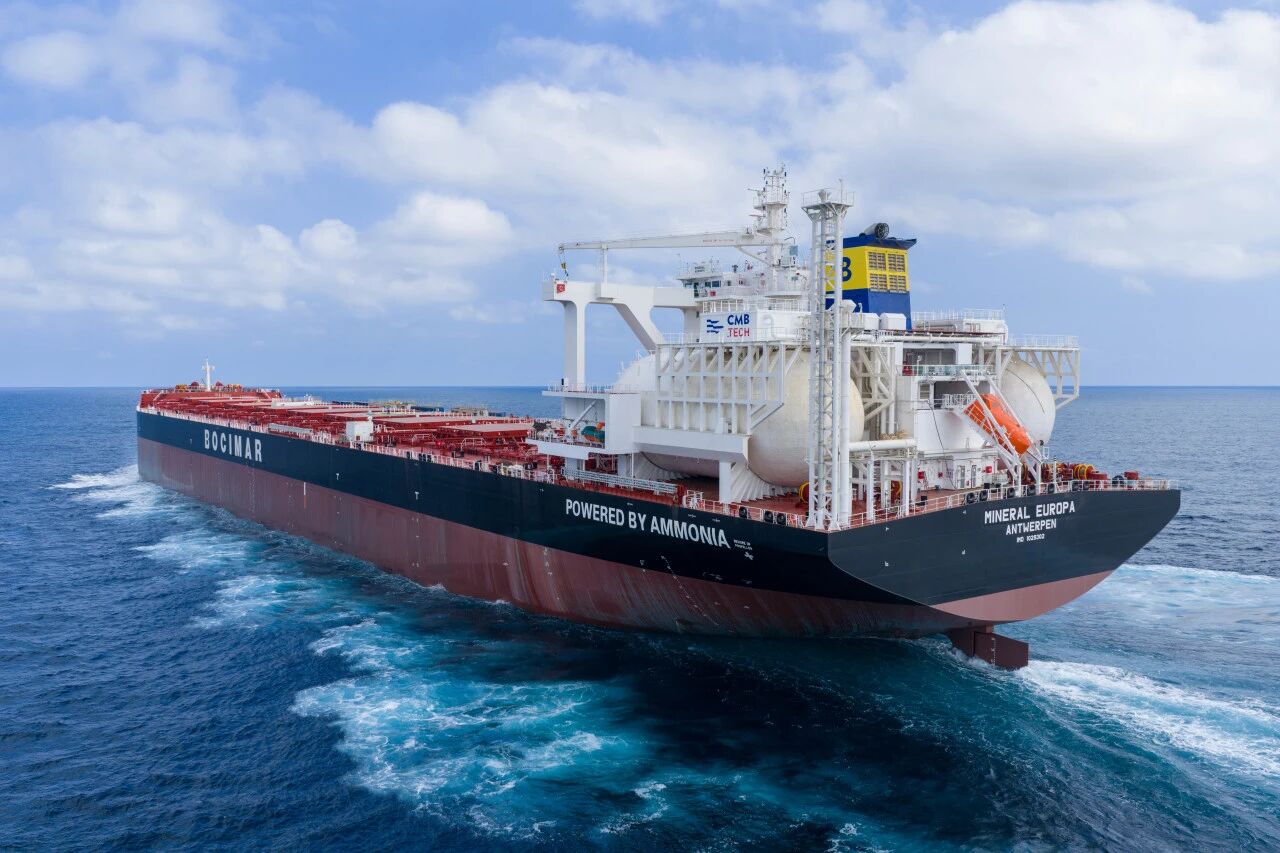
World's First Ammonia Dual-Fuel Bulker Delivered in China
 Sustainability
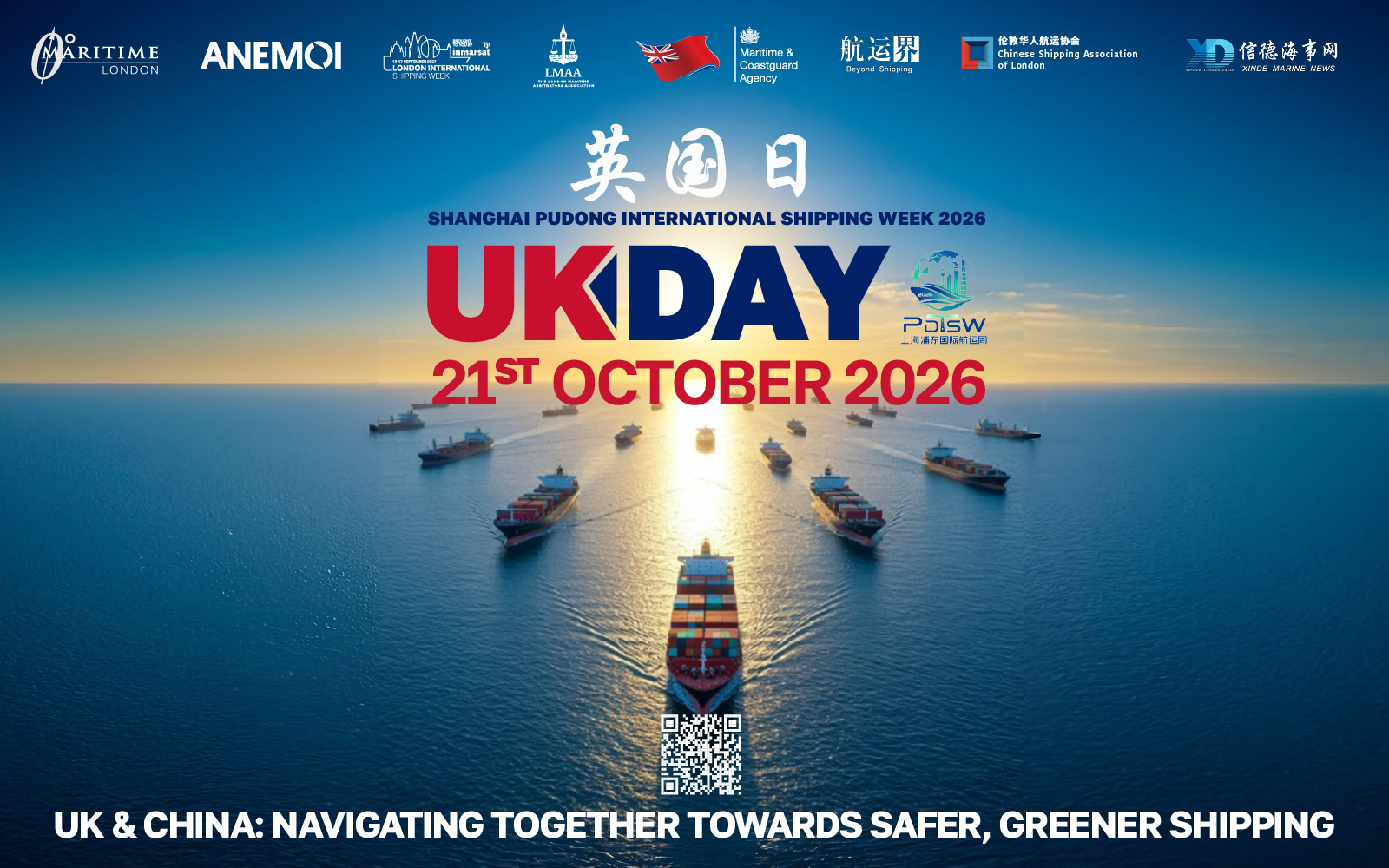
UK & CHINA: NAVIGATING TOGETHER TOWARDS SAFER, GREENER SHIPPING
 Sustainability
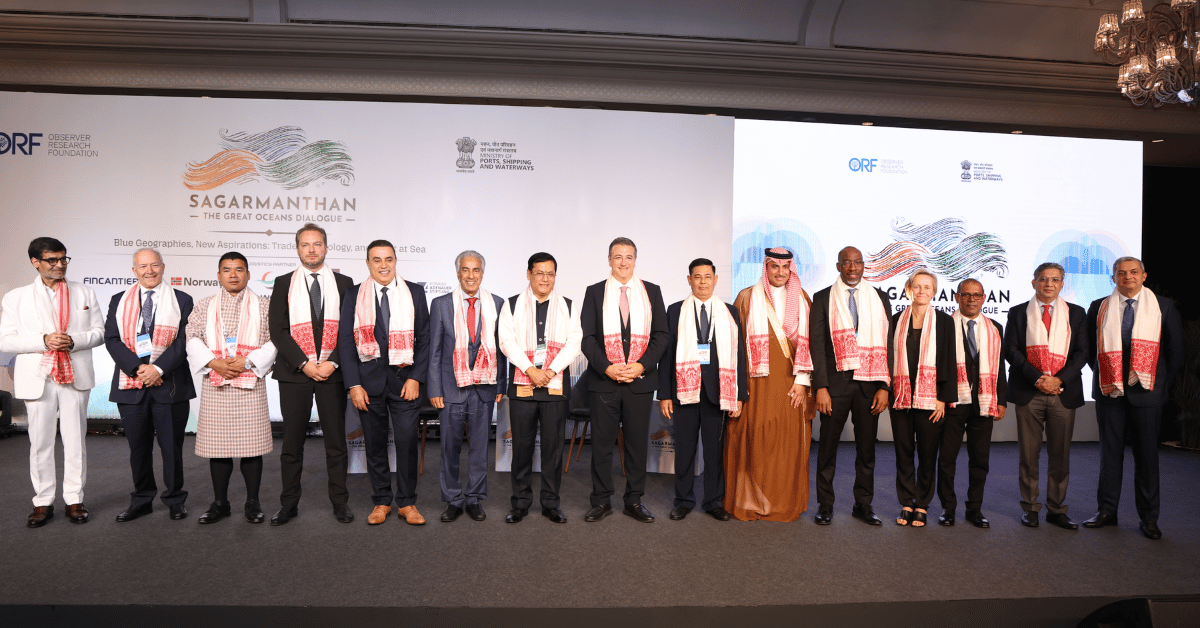
India, EU launch coalition to develop green shipping corridor
 Sustainability
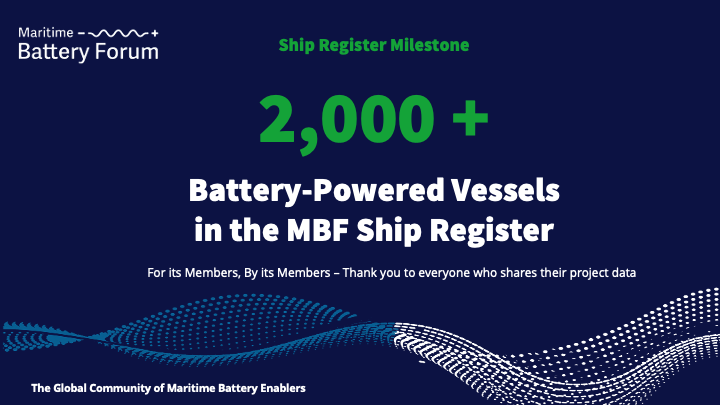
Global fleet of battery-equipped ships surpasses 2,000 vessels
 Sustainability
BIMCO adopts new contract addendum to ease investment in ship energy-saving retrofits
 Sustainability