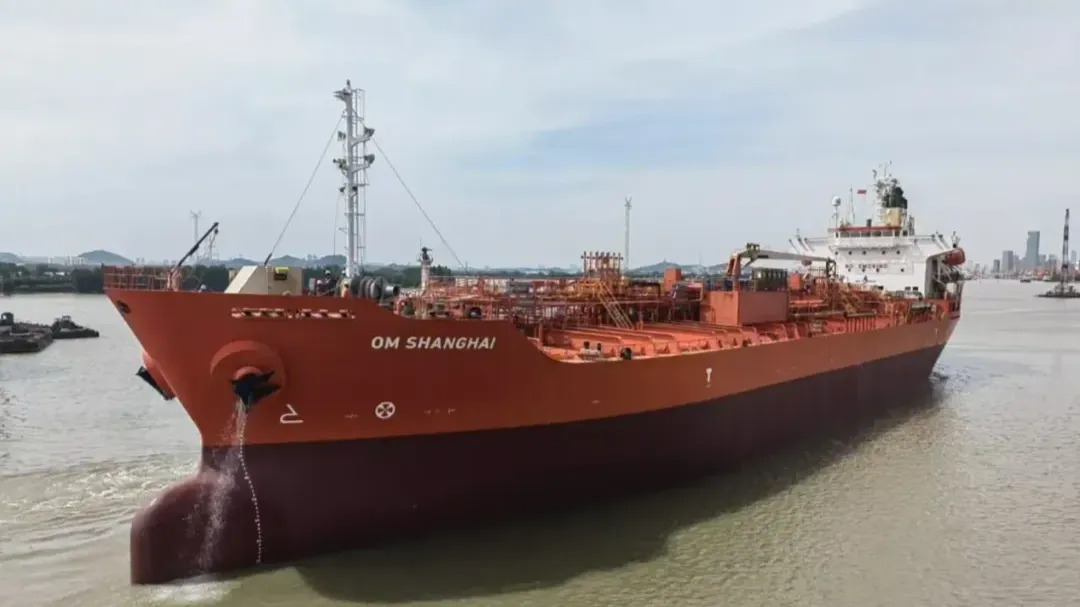


Is a Tanker Scrapping Wave Approaching? More Than 20% of the Fleet Is Over 20 Years Old

High freight earnings and shadow-fleet demand have delayed vessel retirements, but concentrated VLCC and Suezmax deliveries could make 2028 a critical turning point

ChatGPT Image 2026年7月31日 11_00_56
Walter (宏利)
Published 11:01

The crude tanker demolition market remains unusually quiet. Behind that calm, however, a large pool of ageing vessels is moving closer to retirement.

Drewry’s latest report, Crude Tanker Scrapping: The Calm Before the Storm, expects demolition activity to remain subdued through 2026, recover moderately in 2027 and accelerate more sharply from 2028. The combination of concentrated newbuilding deliveries, softer tanker earnings, rising regulatory costs and potential changes in shadow-fleet demand could push a growing number of older tankers out of service.

The central question facing the tanker market is therefore no longer limited to how many new vessels have been ordered. It is increasingly about how long the existing ageing fleet can remain commercially viable.

Strong earnings have extended the lives of older tankers

A shipowner’s decision to scrap a vessel is ultimately an economic calculation.

As long as an ageing tanker can generate sufficient earnings to cover fuel, maintenance, insurance, class surveys and financing costs, continued operation is generally more attractive than demolition. Even vessels over 20 years old may remain in service when freight markets are strong, or they may be sold to buyers with a higher tolerance for technical and compliance risk.

That has been one of the main reasons demolition activity has remained exceptionally low.

According to Drewry, only 52 crude tankers were demolished between 2022 and 2026, including seven VLCCs, 16 Suezmaxes and 23 Aframaxes. The number is small compared with the size of the ageing fleet.

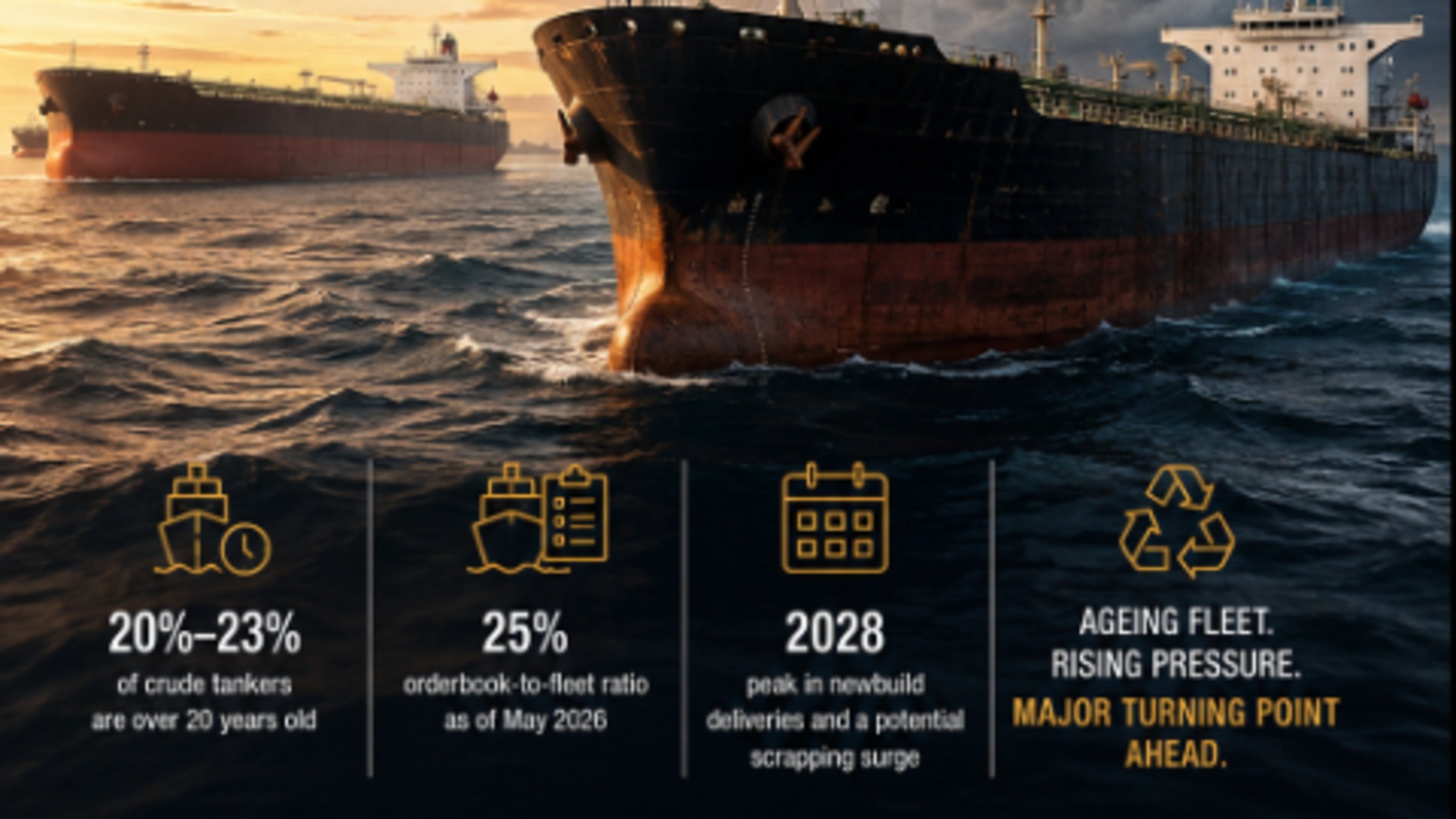
Nearly half of the active crude tanker fleet is now at least 15 years old, while approximately 20% to 23% of vessels are more than 20 years old. A substantial pool of tonnage has therefore already reached an age at which demolition would normally become a serious consideration.

High earnings and specialised trading demand have simply postponed the decision.

The shadow fleet has absorbed a large volume of ageing tonnage

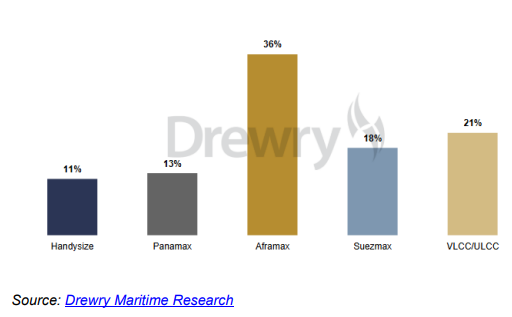
The proportion of sanctioned capacity in the crude oil fleet

Sanctions on Russian, Iranian and Venezuelan oil exports have created extensive demand for older tankers operating outside mainstream trading and compliance structures.

In conventional markets, older vessels can lose competitiveness because of higher fuel consumption, technical condition, insurance restrictions and tighter charterer vetting. In sanctioned trades, these considerations may carry less weight than a vessel’s ability to lift and transport cargo.

Drewry estimates that sanctioned or grey-market tonnage accounts for around 36% of the Aframax fleet, 21% of the VLCC and ULCC fleet, and 18% of the Suezmax fleet.

This helps explain why so many tankers over 20 years old have remained commercially active.

The shadow market has effectively become an alternative employment pool for vessels that might otherwise have been sold for recycling. As long as sanctioned exports continue to require this capacity, crude tanker demolition volumes are unlikely to rise rapidly.

Changes in sanctions policy could therefore become one of the most important external drivers of future scrapping.

If Iranian or Venezuelan oil gradually returns to conventional trading channels, demand for shadow tonnage could fall. Older vessels seeking to re-enter compliant markets may face substantial expenditure on class reinstatement, repairs, insurance, environmental upgrades and charterer approval.

For many tankers over 20 years old, the economics of making those investments would be weak. Recycling could become the more rational option.

Newbuilding deliveries will add pressure from the other side

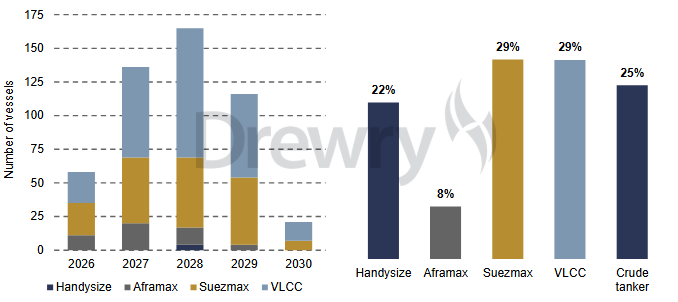
New ship order delivery planning and the proportion of the order fleet to the existing operating fleet

Source: Drewry Maritime Research

The survival of older tonnage will also depend on how quickly new vessels enter the market.

Drewry reports that 178 crude tankers were ordered during the first five months of 2026, including 112 VLCCs and 63 Suezmaxes. That already exceeded the 152 crude tanker orders placed during the whole of 2025.

The crude tanker orderbook rose from around 16% of the operating fleet at the end of 2025 to approximately 25% by May 2026. For both VLCCs and Suezmaxes, the orderbook-to-fleet ratio reached about 29%.

Based on current delivery schedules, newbuilding arrivals are expected to increase significantly in 2027 and peak in 2028.

These vessels will generally offer stronger fuel efficiency, lower emissions, greater reliability and better regulatory compliance. When oil majors, international traders and leading charterers select tonnage, modern eco-design vessels are likely to secure a growing share of premium cargoes.

Older tankers will consequently face pressure from both rising fleet supply and internal market segmentation.

A modern vessel can generate higher net earnings through lower fuel consumption while satisfying more demanding vetting and emissions requirements. Older ships may technically remain operational but gradually lose access to higher-quality employment, forcing them to accept discounted cargoes or move into riskier trading markets.

Why 2028 could become the key turning point

Drewry divides the outlook into three broad phases.

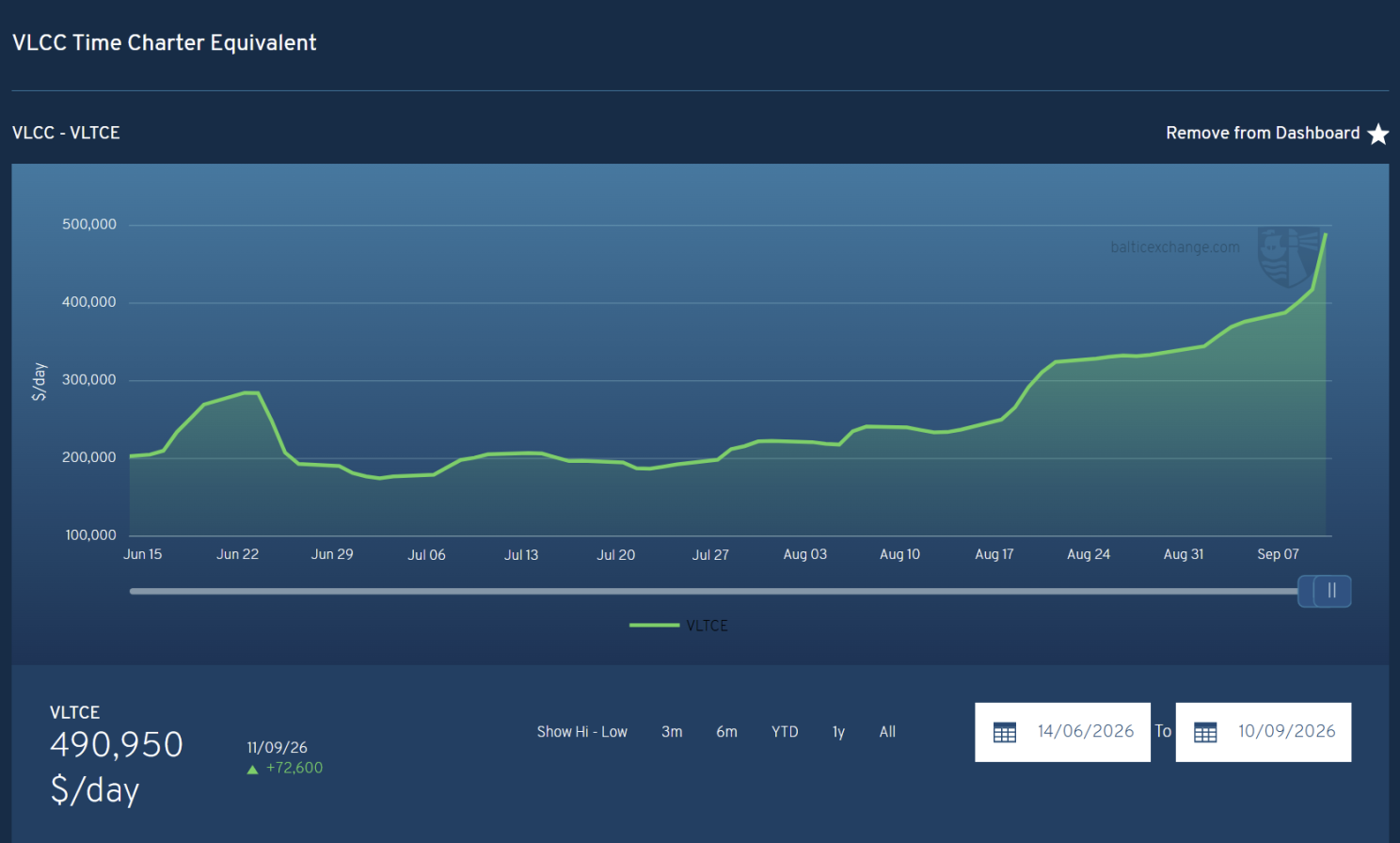
In 2026, tanker earnings are expected to remain relatively strong. Crude inventory restocking and the repositioning of vessels towards the Arabian Gulf could continue to support utilisation, leaving shipowners with little incentive to scrap tonnage.

In 2027, freight rates may ease from their 2026 highs as new vessel deliveries increase and the shortage of available tonnage begins to moderate. Ships in poor technical condition, or those approaching costly special surveys, could be the first to exit.

By 2028, the delivery programme will be much larger, while crude oil demand growth may slow. Lower fleet utilisation and weaker earnings could substantially reduce the economic viability of ageing vessels, leading to a more pronounced rise in demolition activity.

Whether 2028 produces a genuine scrapping wave will still depend on several conditions occurring together.

If tanker earnings remain elevated, owners may continue extending the lives of older ships. If sanctioned trade continues to absorb significant ageing tonnage, the shadow fleet will delay retirement. If environmental rules are implemented more slowly or impose lower costs than expected, demolition may also fall short of current forecasts.

Conversely, a combination of weaker freight rates, reduced sanctioned trade, heavy newbuilding deliveries and higher compliance costs could trigger a much faster release of accumulated scrapping demand.

Higher demolition does not automatically remove supply pressure

A rise in scrapping would not necessarily be sufficient to prevent tanker fleet growth.

The key comparison is between newbuilding deliveries and vessel removals. If 160 new tankers enter the fleet in one year while 60 older ships are demolished, the fleet still expands by 100 vessels.

Effective supply is also influenced by sailing speeds, voyage distances, congestion, floating storage and sanctioned trading patterns. The same number of ships can generate very different levels of effective capacity under different operational and trade conditions.

Higher demolition would initially improve the fleet’s age profile and remove some of its least efficient tonnage. It would only materially ease overall supply pressure if recycling volumes begin to approach, or exceed, the pace of newbuilding deliveries.

The crude tanker fleet is approaching a major renewal window

Over the past several years, strong freight earnings and shadow-trade demand have provided ageing tankers with an extended commercial life, masking the scale of the fleet’s underlying renewal requirement.

The market is now being squeezed from both ends. Approximately 20% to 23% of the crude tanker fleet is over 20 years old, while the orderbook has expanded to around 25% of the operating fleet.

For shipowners, 2026 and 2027 may offer an important window to dispose of ageing assets while freight earnings and secondhand values remain supportive. Selling a vessel before the delivery wave intensifies could prove more attractive than waiting until freight rates weaken and recycling becomes the only realistic exit.

The tanker market’s next phase will depend on four questions: how long strong earnings can last, how much older tonnage the shadow fleet can continue to absorb, how severely new deliveries affect utilisation, and how quickly environmental and safety requirements raise the cost of operating older vessels.

Today’s low demolition numbers do not mean that retirement pressure has disappeared. A large number of tankers that might normally have exited the fleet remain in operation. Once the factors supporting those ships begin to reverse, the crude tanker market could face a faster and more extensive fleet-renewal cycle.

PURCHASE MEMBERSHIP

You need to purchase a membership to read this article

Payment