


First Hormuz. Now Bab el-Mandeb? Shipping may soon face fees at both chokepoints
The most important shipping development today may not be another attack.
It may be the attempt to turn maritime disruption into a permanent revenue model.
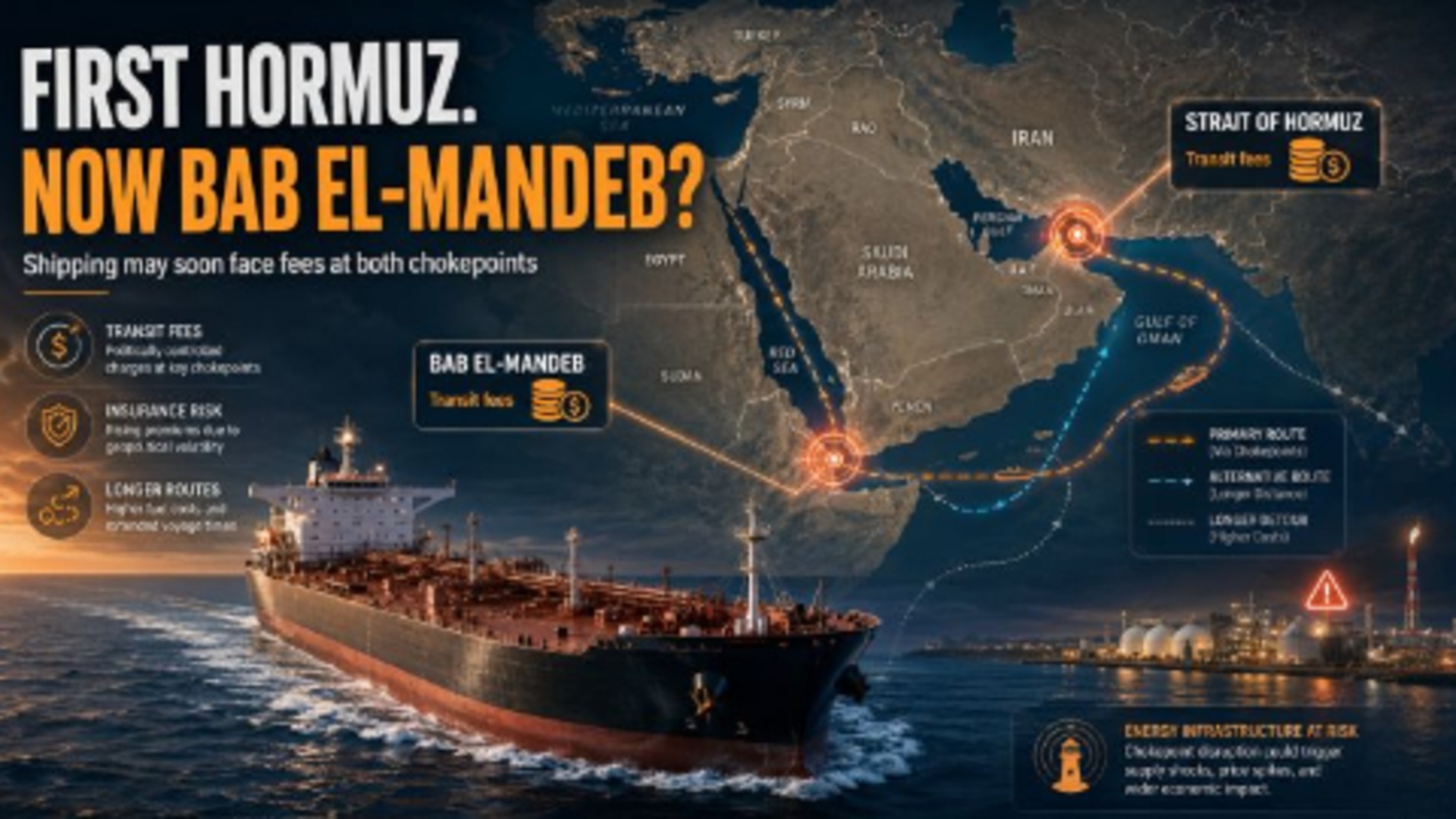
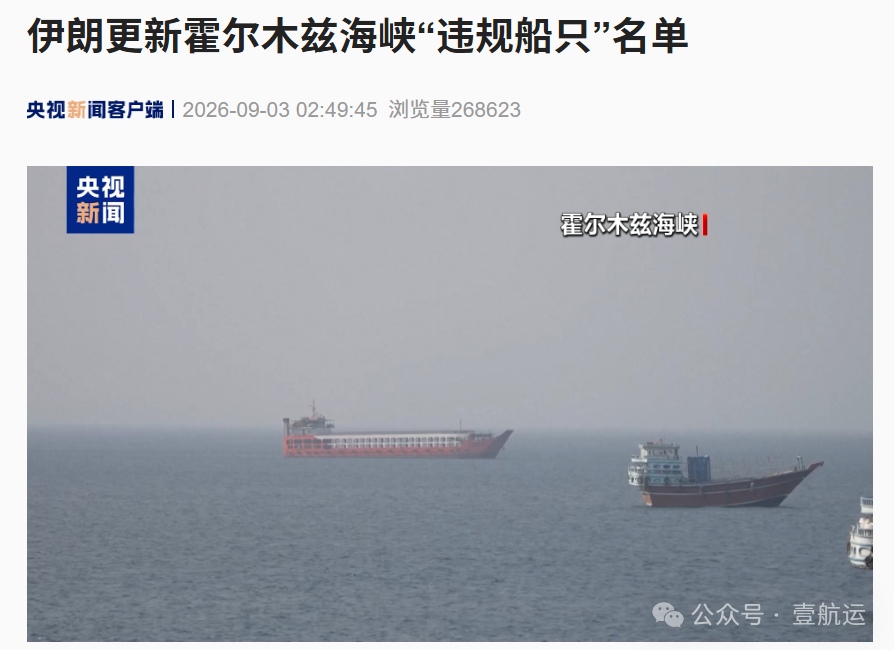
Reports suggest that the Houthis are studying a mechanism to charge vessels passing through the southern Red Sea and Bab el-Mandeb, potentially borrowing elements from Iran’s approach in the Strait of Hormuz.
The proposal has not been formally confirmed, and reports of possible exemptions for China-linked voyages should be treated cautiously.
But the direction is clear.
If this is True,Shipping could soon face politically controlled access arrangements at both ends of one of the world’s most important energy and trade corridors.
This creates a much bigger problem than an additional transit cost.
A shipowner paying for “safe passage” may also face sanctions, counterterrorism-financing concerns, insurance restrictions and banking compliance risks. A route can therefore remain physically open while becoming commercially unusable.
The same issue is already emerging in Hormuz.
The United States has sanctioned ten entities and eight tankers linked to what it describes as an Iranian insurance, security and transit-fee network. Six China-based companies were reportedly included.
This means reopening Hormuz is no longer only about military security. It is also about which insurer, authority, agent and payment mechanism a vessel is allowed to use.
Meanwhile, the risk is spreading beyond the chokepoints themselves.
The FSRU Energos Winter was reportedly struck by a drone while berthed at Egypt’s Damietta port, with the fire temporarily spreading to the nearby LNG carrier GasLog Salem. Egyptian authorities confirmed the fire but have not formally confirmed the drone as its cause.
For LNG shipping, the implication is serious: even vessels inside ports and energy terminals may no longer be considered fully protected from regional conflict.
Yet shipowners continue investing for the long term.
BTW,Ports are becoming part of the same strategic picture. Adani Ports reported 14% cargo growth, while MSC’s planned investment in Vizhinjam shows how carriers are using capital to secure long-term control over terminal capacity and cargo flows.
The common message is simple:
Geopolitical risk is no longer only changing where ships sail.
It is changing who controls maritime access, who gets paid, which ships can obtain insurance, where new vessels are built and how major shipping groups secure ports, cargoes and financing.
The next major shipping cost may not only come from fuel or freight.
It may come from permission to pass.

READ MORE
 Safety
Shipping’s New Risk Equation: Flexibility Becomes the Premium Asset
 Safety
25 Killed in Fire Aboard Ocean Melody at Qingdao Beihai Shipyard
 Safety
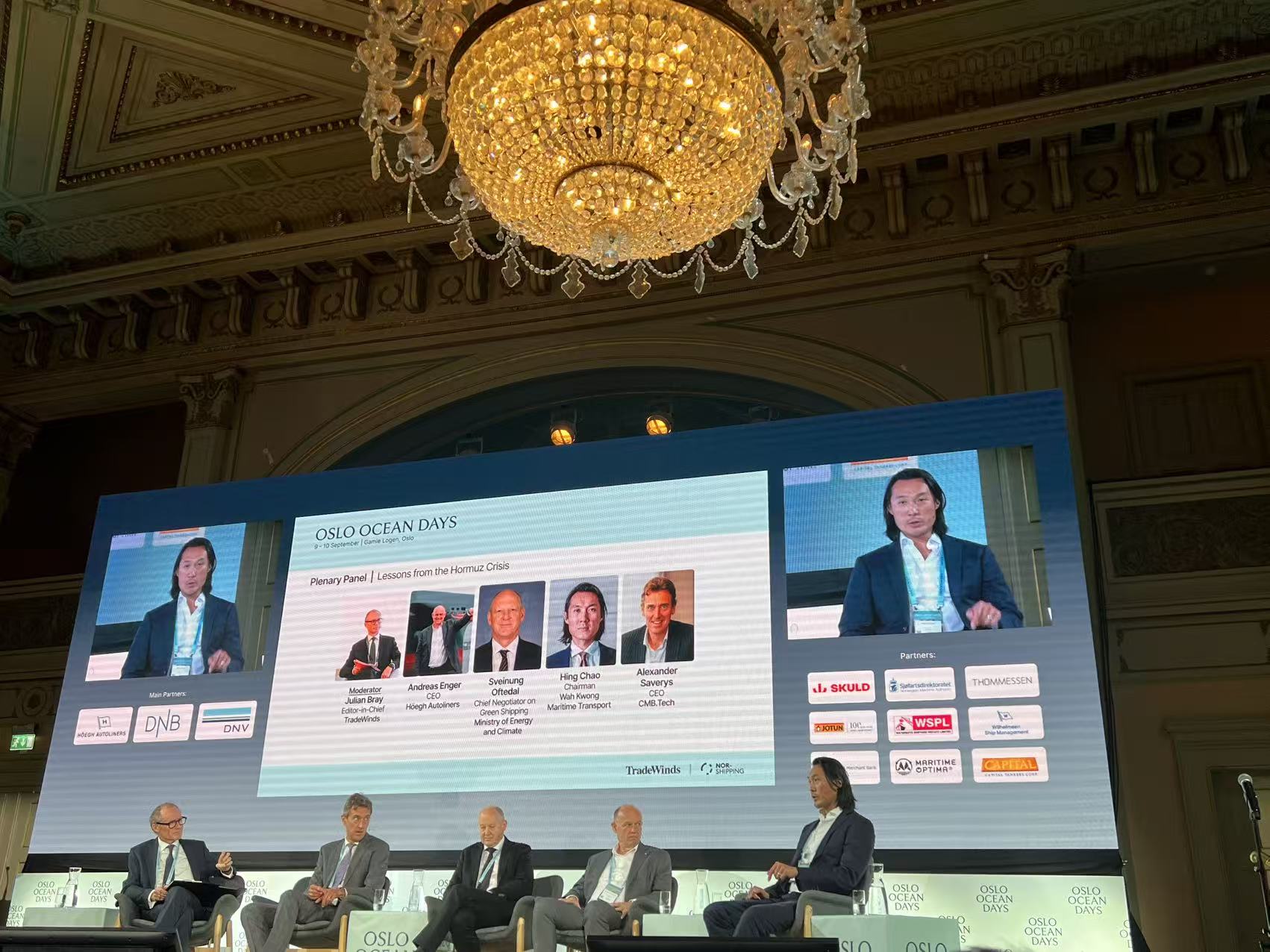
Hormuz Crisis Exposes Shipping’s Three Fault Lines. Shipping Leaders Confront the Lessons of the Hormuz Crisis
 Safety
Houthis Seize Mocha as Bab el-Mandeb Risks Rise — but Signal “Safe Passage” for Non-Saudi Shipping
 Safety
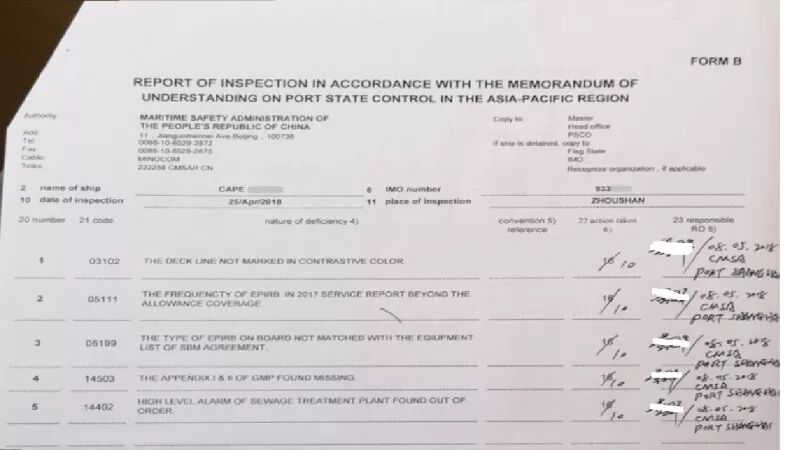
Forged PSC Follow-Up Inspection Leads to Vessel Detention and Fines
 Safety
Two Tankers Collide Off Yangtze River Estuary
 Safety
36-Year-Old General Cargo Ship Sank in 11 Minutes After Collision, 10 Crews missing
 Safety
Aging Fiberglass Lifeboats After 23-Year-Old Vessel Total Loss
 Safety
Seafarer Jailed 3 Years for Bartering Seafood with Fishing Boat; Company Fined USD 140 Million
 Safety