


Aging Fiberglass Lifeboats After 23-Year-Old Vessel Total Loss
The U.S. Coast Guard has issued Safety Alert 12-26 urging shipowners, operators, and service providers to verify the material condition of aging fiberglass lifeboats. The alert follows a marine casualty in which a 23-year-old fiberglass lifeboat suffered a catastrophic structural failure at the forward hook release base during launch, causing it to fall into the water and resulting in a total loss.


Xinde Marine News
Incident Overview
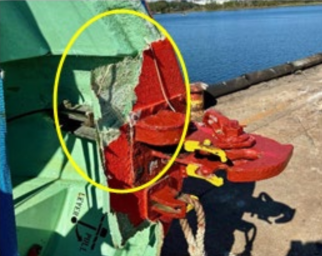
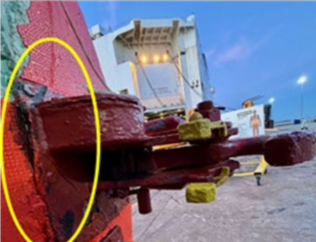
The lifeboat, constructed in June 2002, was being lowered by falls when the fiberglass supporting the forward hook assembly failed. The metal backing plate pulled free from the fiberglass base, causing the locking mechanism to rotate and the hook to open unintentionally. The lifeboat detached from the lowering cables and fell into the water, where it was declared a total loss.
Notably, the lifeboat had undergone regular, manufacturer-recommended inspections prior to the incident, with no anomalies recorded. The Coast Guard's investigation determined that the vessel's advanced age and prolonged exposure to the marine environment contributed to the gradual degradation and eventual failure of its fiberglass structure.
 Key Findings
• Lifeboat built: June 2002 — 23 years old at time of incident
• Failure point: Fiberglass support at forward hook assembly; metal backing plate pulled free
• Failure mode: Fiberglass delamination leading to unintended hook release under load
• Inspection history: Regular manufacturer-recommended inspections completed; no defects detected
• Regulatory gap: Neither U.S. regulations nor SOLAS specify a maximum service life for lifeboats; manufacturer provided no recommended service life for this model
 USCG Recommendations
1. Conduct thorough inspections of release mechanisms per U.S. Coast Guard Navigation and Vessel Inspection Circular (NVIC) 03-19, focusing on hook assemblies to identify compromised or delaminated fiberglass between metal backing plates and hook attachment points.
2. Replace components showing excessive wear, corrosion, cracking, deformation, or other damage that may degrade system integrity.
3. Implement manufacturer-recommended inspection intervals and devote additional attention to high-stress, load-bearing areas. These areas should be inspected while under load — i.e., with the lifeboat suspended in the cradle — to reveal compromised structural integrity that may not be visible in the unloaded state.
Marine inspectors, port state control officers, surveyors, and servicing technicians are urged to maintain heightened awareness of these issues. During re-inspections under 46 CFR §199.45(b) and SOLAS Chapter III/20 ("Operational readiness, maintenance and inspections"), examiners should confirm the actual material condition and operational integrity of lifeboats and their release mechanisms.
Source: U.S. Coast Guard Safety Alert 12-26,


READ MORE
 Safety
US Says It Disabled Hong Kong-Owned Bulker off Oman
 Safety
Attacked Just 42Days After Delivery: George Prokopiou’s 115,000-Dwt Tanker Hit in Hormuz
 Safety
Five Seafarers Reported Dead as Puntland Retakes Hijacked Tanker Honour 25
 Safety
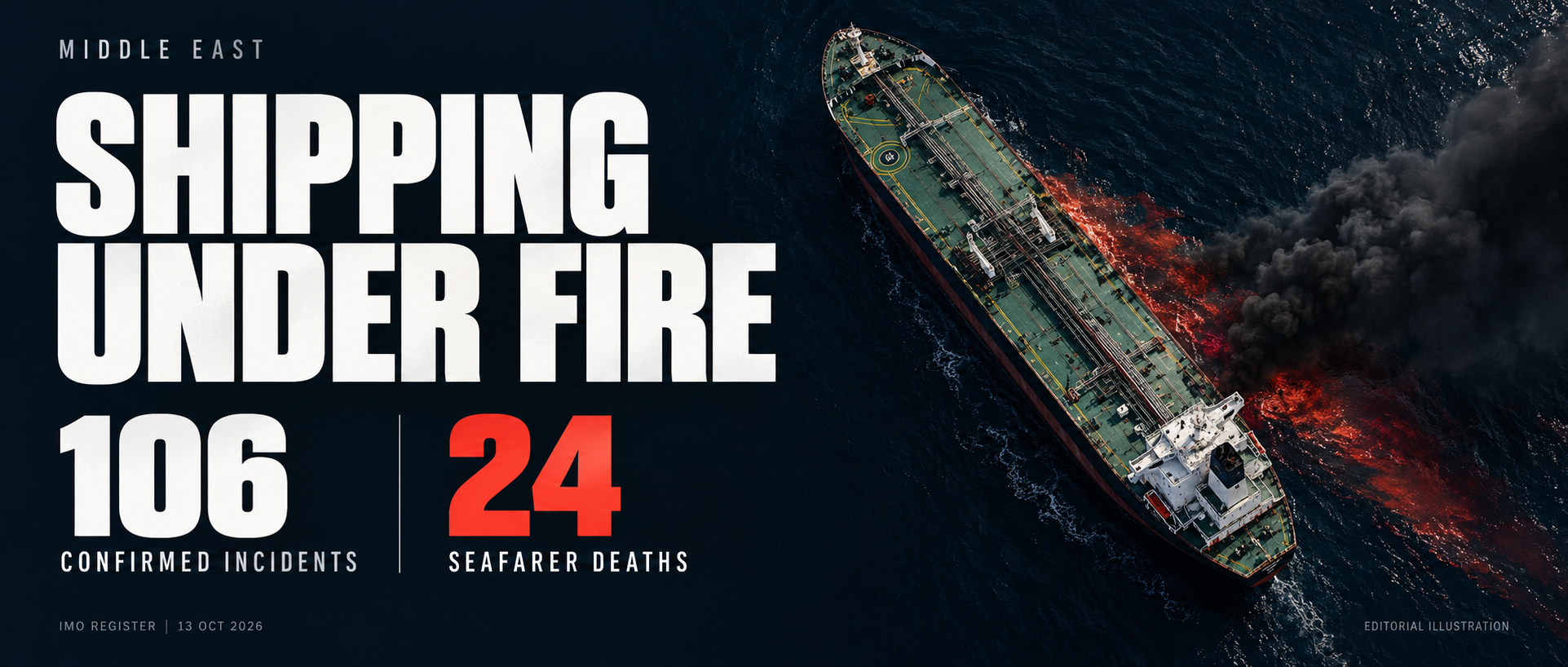
Middle East war leaves mounting toll on merchant shipping
 Safety
China-U.S. Consensus Highlights Free Navigation: No Country or Entity Should Impose Transit Fees on International Waterways
 Safety
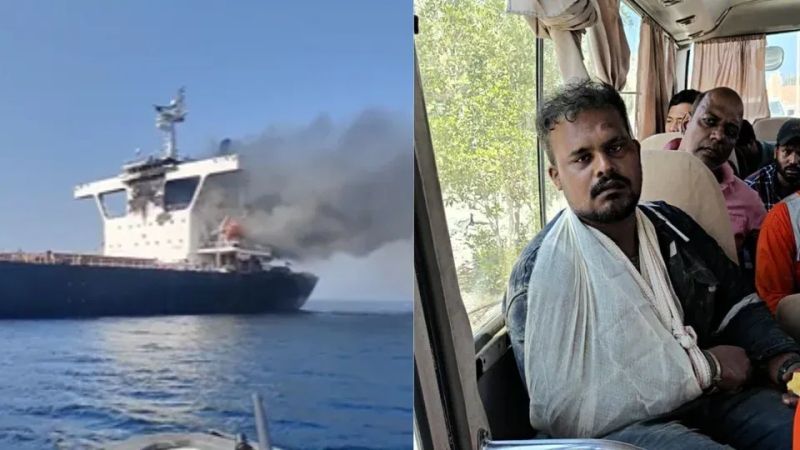
1 seafarer killed, Fatal attack in the Strait of Hormuz: Capesize bulker CAPE DAO hit by unknown projectile
 Safety
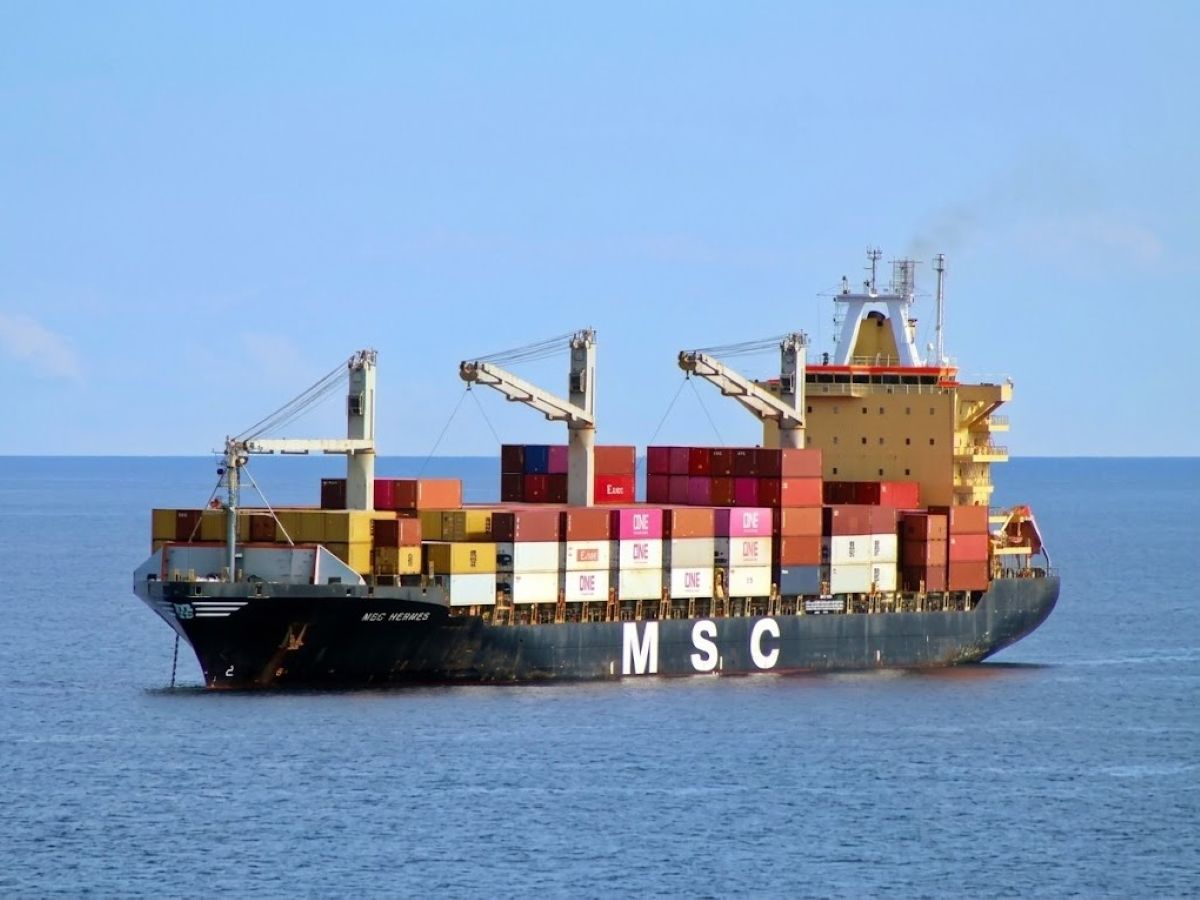
25 Crew Abandon MSC Container Ship in the South China Sea — All Rescued, Vessel Still Adrift
 Safety
MSC Hermes III Adrift Unmanned in South China Sea After 25 Crew Abandon Ship
 Safety
Dangerous Goods Container Fire Reported at NPCT1 Terminal in Jakarta
 Safety