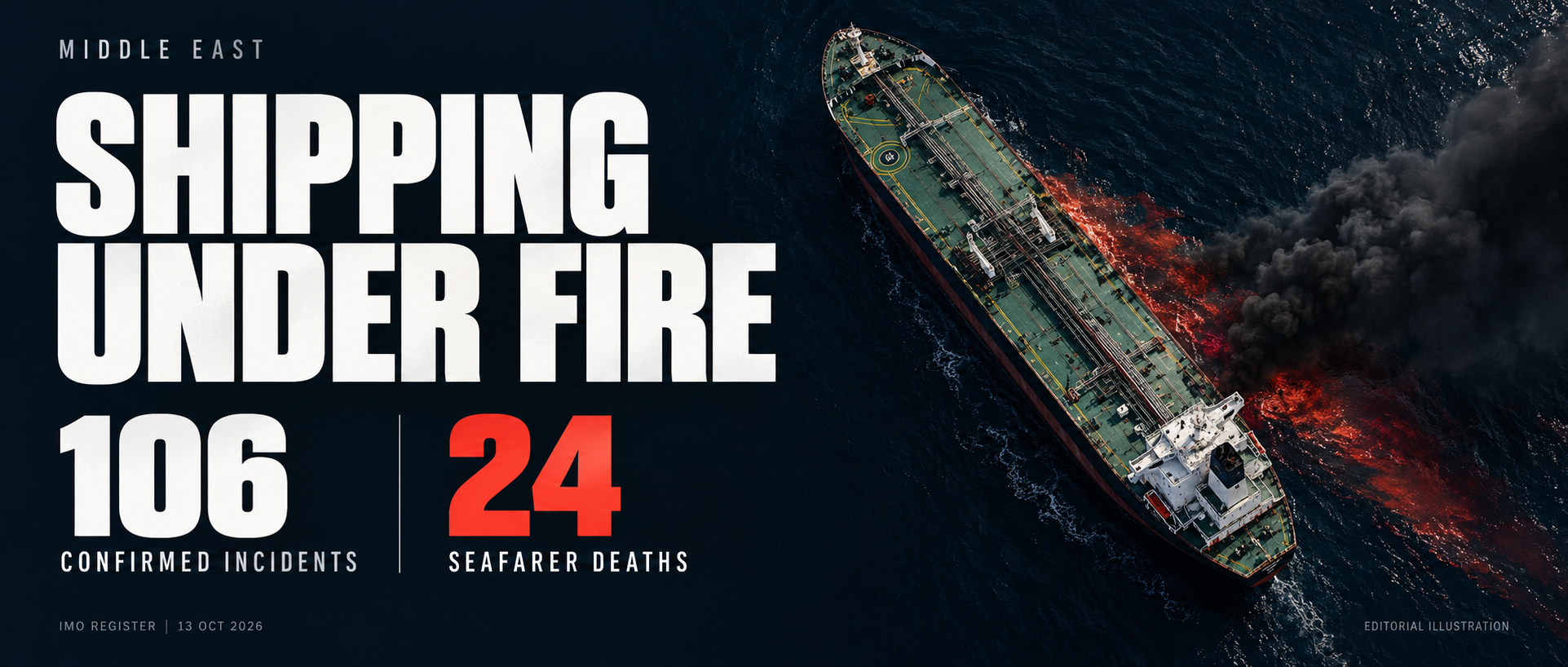
From the Red Sea crisis to rising tensions around the Strait of Hormuz, geopolitical risks are increasingly becoming a direct factor affecting global shipping operations.
A question that has attracted growing attention among shipowners is:
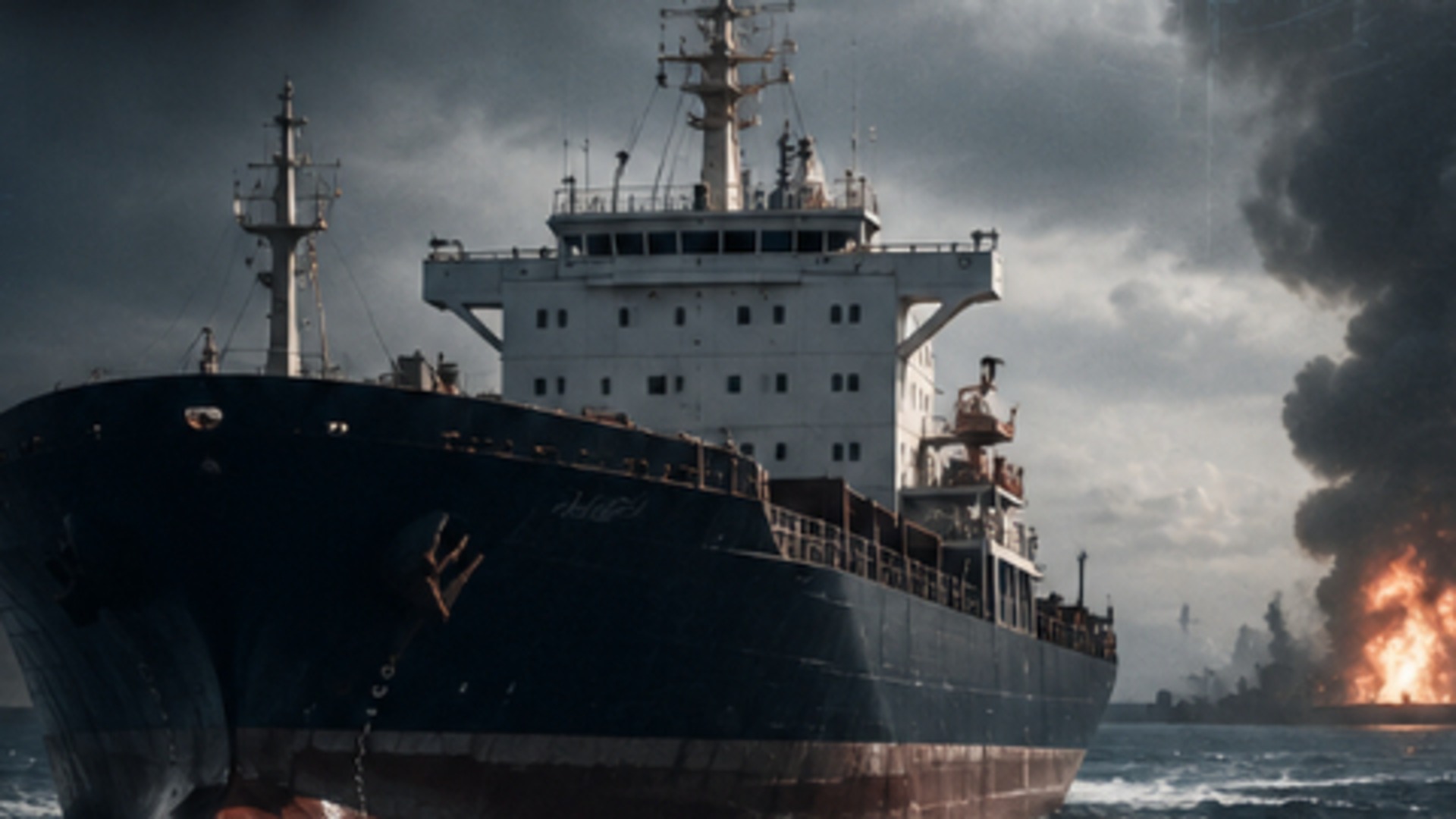
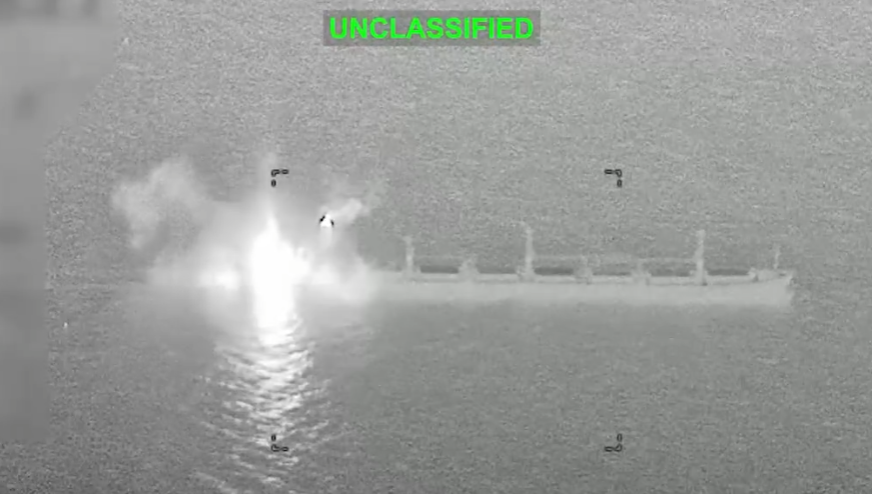
If a commercial vessel is hit by a missile, drone, or military attack during a conflict, will the insurance still respond?
Many people assume that if a vessel has war risk insurance, any war-related damage should automatically be covered. In reality, the situation is far more complicated.
Marine war risk insurance is not a blanket guarantee that allows vessels to operate anywhere during wartime. It remains a commercial insurance product based on risk assessment and contractual terms. Insurers provide coverage for risks that can still be evaluated, priced, and managed. When a conflict escalates beyond those limits, insurers may cancel existing coverage, increase premiums, restrict trading areas, or require completely new terms.
This is why the market often sees a situation where war risk insurance does not disappear entirely, but the conditions surrounding it change dramatically.
A vessel’s normal insurance package usually includes Hull & Machinery insurance and Protection & Indemnity (P&I) insurance. Hull & Machinery insurance mainly covers physical damage to the vessel, such as collision, grounding, fire, and machinery breakdown. P&I insurance covers third-party liabilities, including crew injuries, pollution claims, cargo liabilities, and legal responsibilities.
However, war-related risks are generally excluded from standard marine insurance policies. Risks such as missile attacks, military strikes, mines, hostile acts, government seizure, and confiscation require separate war risk insurance coverage.
The reason is simple: war risk is fundamentally different from ordinary maritime risk.
A vessel damaged by a storm is usually an isolated event. A regional conflict, however, can affect hundreds of vessels, ports, terminals, and cargoes at the same time. For insurers, this creates a systemic risk that cannot easily be spread across a large insurance portfolio.
Therefore, war risk insurance has always been based on one principle: the risk must remain measurable.
During periods of relatively stable geopolitical conditions, insurers may continue providing coverage even for areas with elevated security concerns. They can manage the risk through higher premiums, additional conditions, and specific trading restrictions.
However, when a conflict escalates — for example, when drone attacks become frequent, military forces become directly involved, or merchant ships become deliberate targets — the original risk assumptions may no longer apply.
At that stage, insurers usually respond in several ways.
The first is additional war risk premium. Vessels entering designated high-risk areas may need to pay extra insurance charges based on factors such as vessel value, voyage details, location, and duration of exposure.
The second is tighter insurance conditions. Insurers may increase deductibles, reduce coverage limits, require additional security measures, or impose restrictions on specific routes.
The third is withdrawal from certain risks altogether.
The common perception that “insurance stops paying once a war begins” largely comes from cancellation clauses contained in war risk policies.
War risk insurance contracts generally allow insurers to cancel coverage when there is a significant change in the risk environment. The insurer may issue a cancellation notice, after which the original terms no longer apply. The shipowner and insurer must then negotiate new premiums, coverage conditions, and trading arrangements.
However, cancellation does not mean insurers can refuse claims for incidents that occurred while valid coverage was still in place.
If a vessel was properly insured, the voyage was declared, additional premiums were paid when required, and the damage falls within the insured war risks, the insurer remains responsible according to the policy terms.
The key question is therefore not simply whether a war exists.
The key question is:
Was the insurance valid at the moment the incident occurred?
For example, if a tanker enters a high-risk area with insurer approval and later suffers missile damage, the loss may fall within war risk coverage. But if the owner failed to notify the insurer, entered a prohibited area, or violated policy conditions, the claim could be affected.
The most extreme scenario is a full-scale war.
Insurance markets can absorb limited regional conflicts, but they cannot realistically cover unlimited global warfare. Large-scale conflicts involving major powers, nuclear risks, or widespread military confrontation could generate losses beyond the capacity of commercial insurers and the global reinsurance market.
For this reason, many war risk policies include automatic termination clauses for certain extreme events.
The Red Sea crisis provides a practical example of how the system works.
Following attacks by Houthi forces, shipowners were not necessarily left without any insurance coverage. Instead, they faced higher war risk premiums, stricter conditions, and additional security requirements. Some owners chose to reroute vessels around the Cape of Good Hope, not simply because insurance was unavailable, but because they had to consider the combined impact of insurance costs, crew safety, delays, and commercial risks.
The same logic applies to the Strait of Hormuz.
Even if insurers are willing to provide coverage, shipowners still need to decide whether entering the area makes commercial sense. Insurance can compensate for financial losses, but it cannot fully solve operational risks such as crew safety, port disruption, or supply chain interruptions.
For decades, global shipping operated under the assumption that maritime trade remained broadly stable and accessible. Insurance, financing, chartering, and route planning were all built around that environment.
Recent events — including the Russia-Ukraine conflict, Red Sea attacks, Panama Canal restrictions, and tensions around Hormuz — are changing how shipping companies make decisions.
Shipowners are no longer asking only:
“How profitable is this voyage?”
They are increasingly asking:
“Can this route still obtain insurance?”
“How much will the additional risk cost?”
“Will banks and charterers accept the exposure?”
“Are crews willing to operate there?”
War risk insurance is becoming more than a financial protection tool. It is becoming a key element of geopolitical risk management in shipping.
Future competition in the maritime industry will not only depend on fleet size, cost efficiency, and operational capability. It will also depend on how effectively companies can manage uncertainty.
The evolution of war risk insurance is becoming one of the clearest indicators of how global security conditions are reshaping the shipping industry.






 Safety
 Safety
 Safety
 Safety
 Safety
 Safety
 Safety
 Safety
 Safety
 Safety