


No Security, No Shipping: Maritime Risk Is Becoming a Systemic Threat to the Global Economy


Security moved to the centre of the global maritime agenda as SMM Hamburg 2026 opened on 1 September. At an event traditionally dominated by new ships, propulsion systems, alternative fuels and digital technologies, the opening conference placed maritime security and resilience ahead of almost every other issue. SMM’s official post-event statement said that both had moved to the forefront of industry priorities, while the exhibition introduced Naval Hall B8 as a dedicated platform for naval forces, maritime defence, critical infrastructure and dual-use technologies for the first time.
The message running through the opening conference was clear: maritime security can no longer be confined to naval escorts, piracy and armed attacks against ships. It now includes geopolitical conflict, strategic sea lanes, ports, subsea cables, offshore energy infrastructure, shipboard digital systems, cyber risk, artificial intelligence, alternative fuels, nuclear propulsion and the safety of seafarers.
The traditional distinction between “security”, referring mainly to external threats and hostile acts, and “safety”, covering technical, operational and human risks, is becoming increasingly difficult to maintain. On a highly connected and increasingly automated ship, a cyberattack may become a navigational or machinery-safety incident. An alternative fuel introduced to reduce emissions may create new toxicity, fire, training and emergency-response risks. A geopolitical conflict may begin as a security crisis but quickly become a crew-safety, insurance, emissions and supply-chain problem.
Shipping is becoming collateral in geopolitical conflict
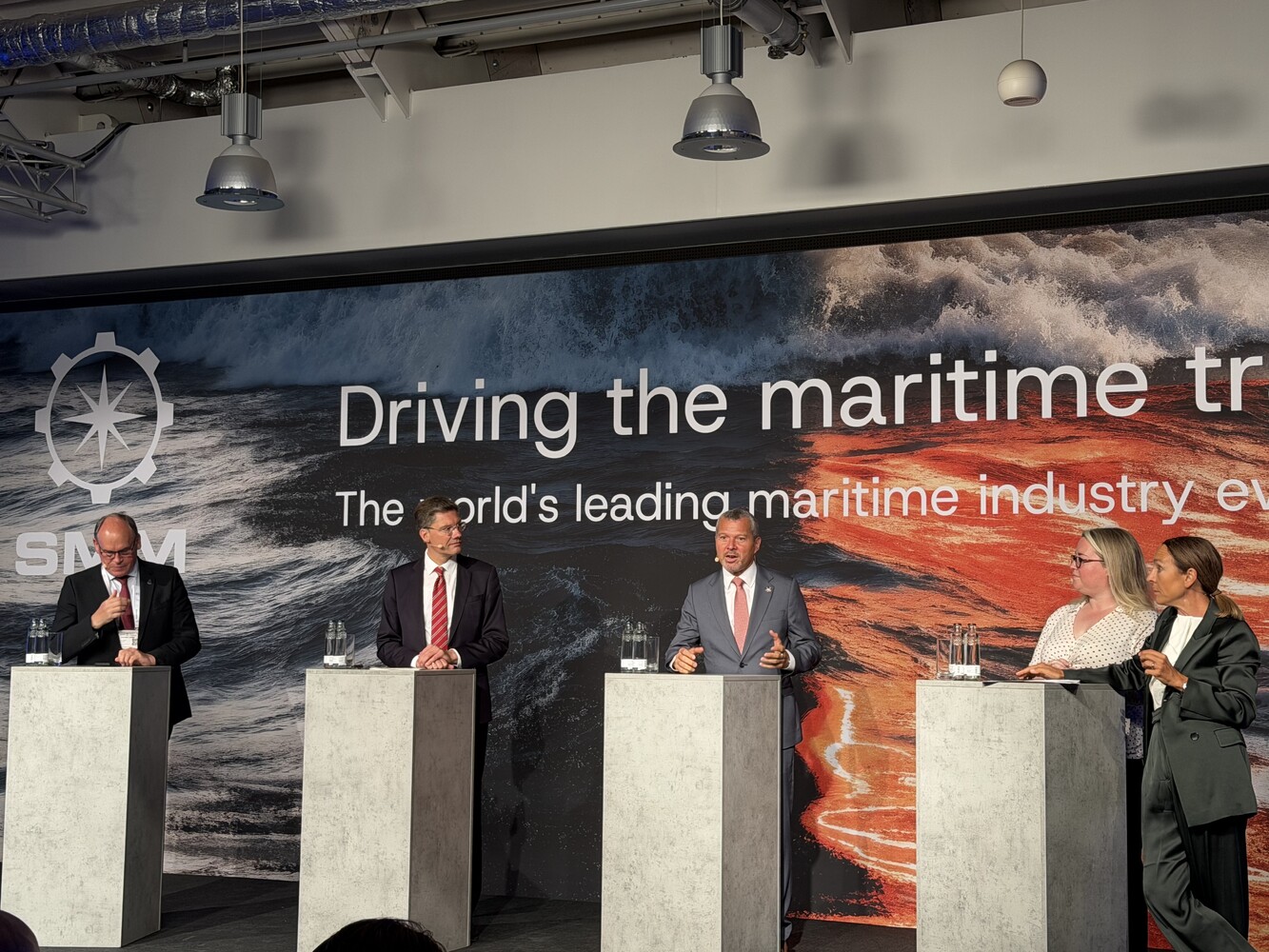
“The greatest maritime-security vulnerability is geopolitics,” IMO Secretary-General Arsenio Dominguez told the opening panel, “Securing the Maritime Domain: Security as a Prerequisite for Prosperity — No Shipping, No Shopping.”
Shipping is increasingly being drawn into conflicts it did not create. Merchant ships, seafarers, ports and international trade routes are being used as leverage in wider disputes between states and armed groups. The consequences extend far beyond the vessels directly involved. Attacks and threats disrupt the movement of energy, food, raw materials and manufactured goods, forcing shipping companies to reroute vessels, strengthen onboard protection, revise insurance arrangements and redesign supply chains.
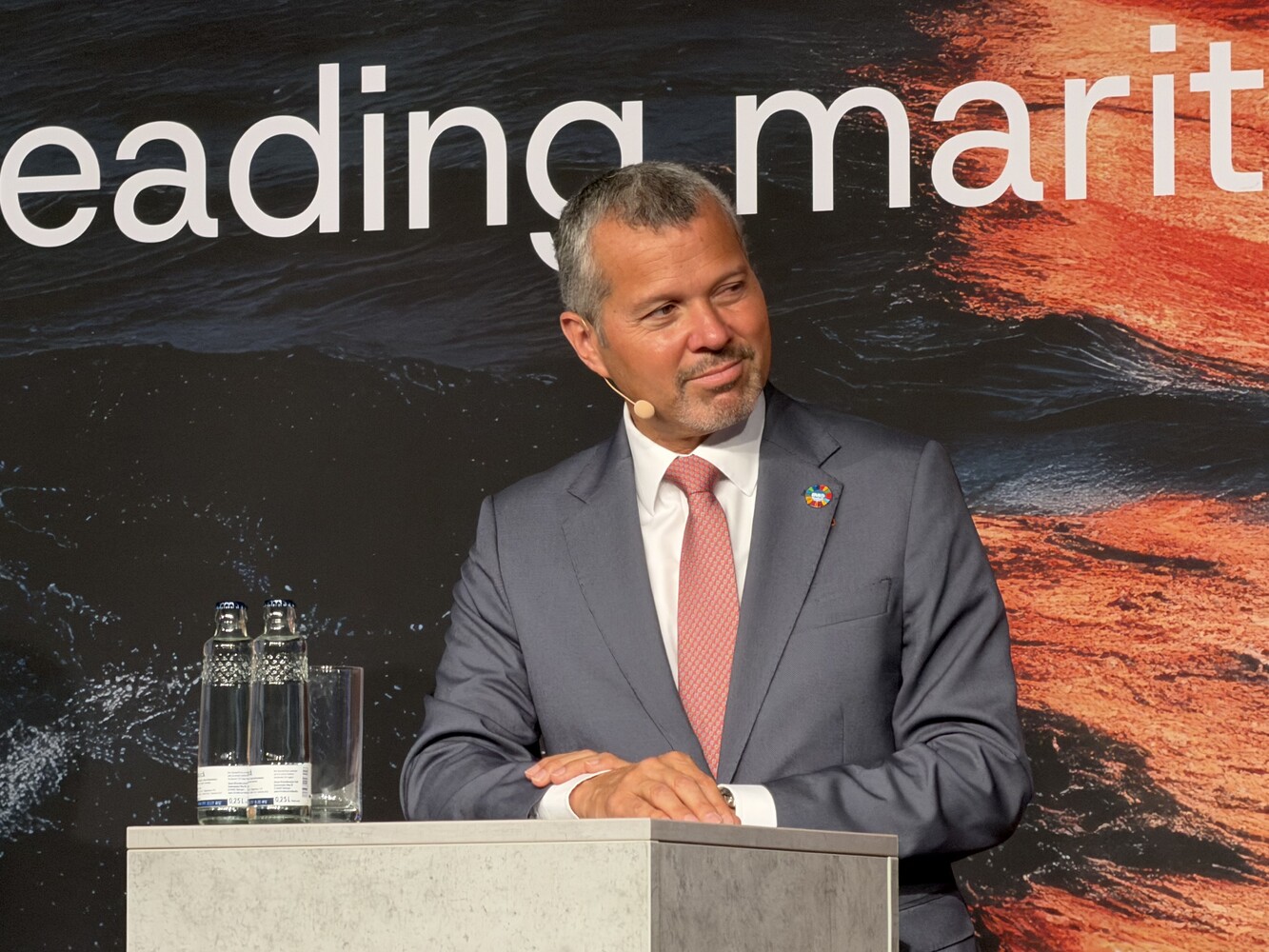
International Chamber of Shipping Chairman @John Denholm used the Red Sea crisis to illustrate the limits of military protection. Even a relatively narrow body of water cannot be secured completely against missiles, drones and other forms of asymmetric warfare. Naval power remains essential, but it cannot resolve the political causes of the conflict or guarantee the safety of every commercial vessel at all times.
Shipping companies therefore respond through operational adaptation. They avoid areas of intense conflict, divert ships around the Cape of Good Hope and accept longer voyages, higher fuel consumption, greater emissions and more expensive insurance. World trade continues to flow, but the cost of keeping it moving rises sharply.
The effects do not remain at sea. Longer routes absorb capacity, disturb schedules and port connections, raise fuel bills and increase the cost of moving cargo. War-risk premiums, crew bonuses and security expenditure are eventually reflected in freight rates and commodity prices. Maritime insecurity has become an embedded cost in the global economy.
“No Shipping, No Shopping” is more than an industry slogan. When secure shipping is disrupted, the consequences reach energy markets, food supplies, manufacturing systems and everyday consumer goods.
Europe’s underwater capability gap is being exposed
The panel devoted considerable attention to subsea infrastructure following a series of incidents affecting cables, pipelines and other installations in the Baltic and North seas.
Dr @Emma Salisbury, a Senior Fellow at the Foreign Policy Research Institute and an Associate Fellow at the Royal Navy Strategic Studies Centre, argued that the protection of critical underwater infrastructure must be supported by credible military capability. Many European countries reduced investment in their naval and underwater capabilities after the Cold War. Sustained reinvestment is now required in surveillance, identification, deterrence and emergency response.
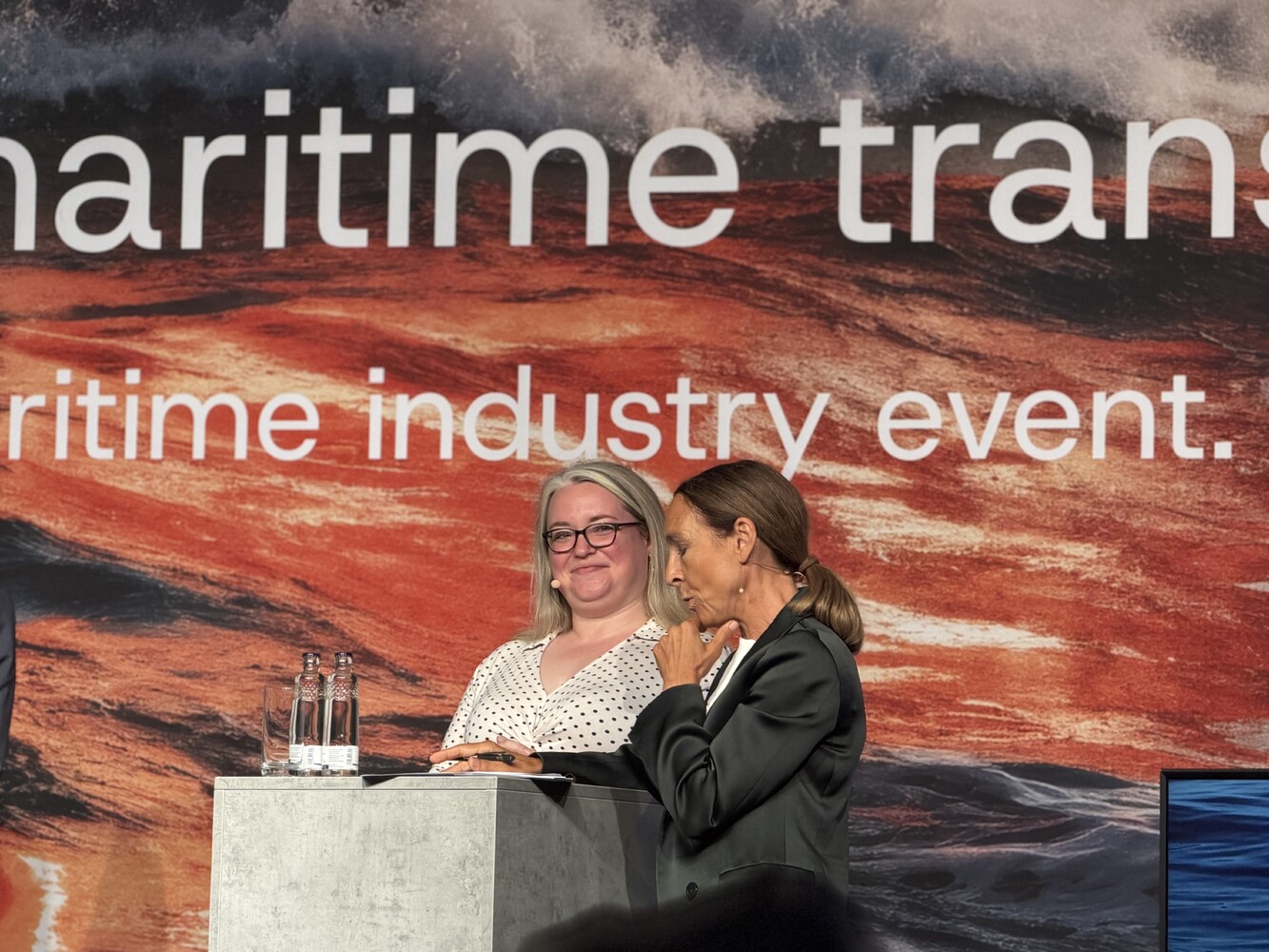
Salisbury made an important distinction between deterrence and resilience. Deterrence is primarily a military responsibility: a potential attacker must believe that hostile action will bring serious consequences. Resilience requires a much wider coalition involving governments, international organisations, shipping companies, ports, telecommunications operators and offshore-energy businesses.
Resilience means providing system redundancy, strengthening cyber defences, creating backup communication and supply arrangements, and ensuring that the wider network can continue operating when one component is damaged. A maritime-security system must be capable of preventing attacks while also absorbing disruption and recovering quickly.
Germany’s Parliamentary State Secretary at the Federal Ministry of Transport, Christian Hirte , described the institutional cooperation being developed in Germany. The country’s Maritime Security Centre brings together federal and regional authorities, the military and private-sector operators. Information from ports, ships, aircraft, offshore facilities and government agencies can contribute to a shared understanding of maritime activity and potential threats.
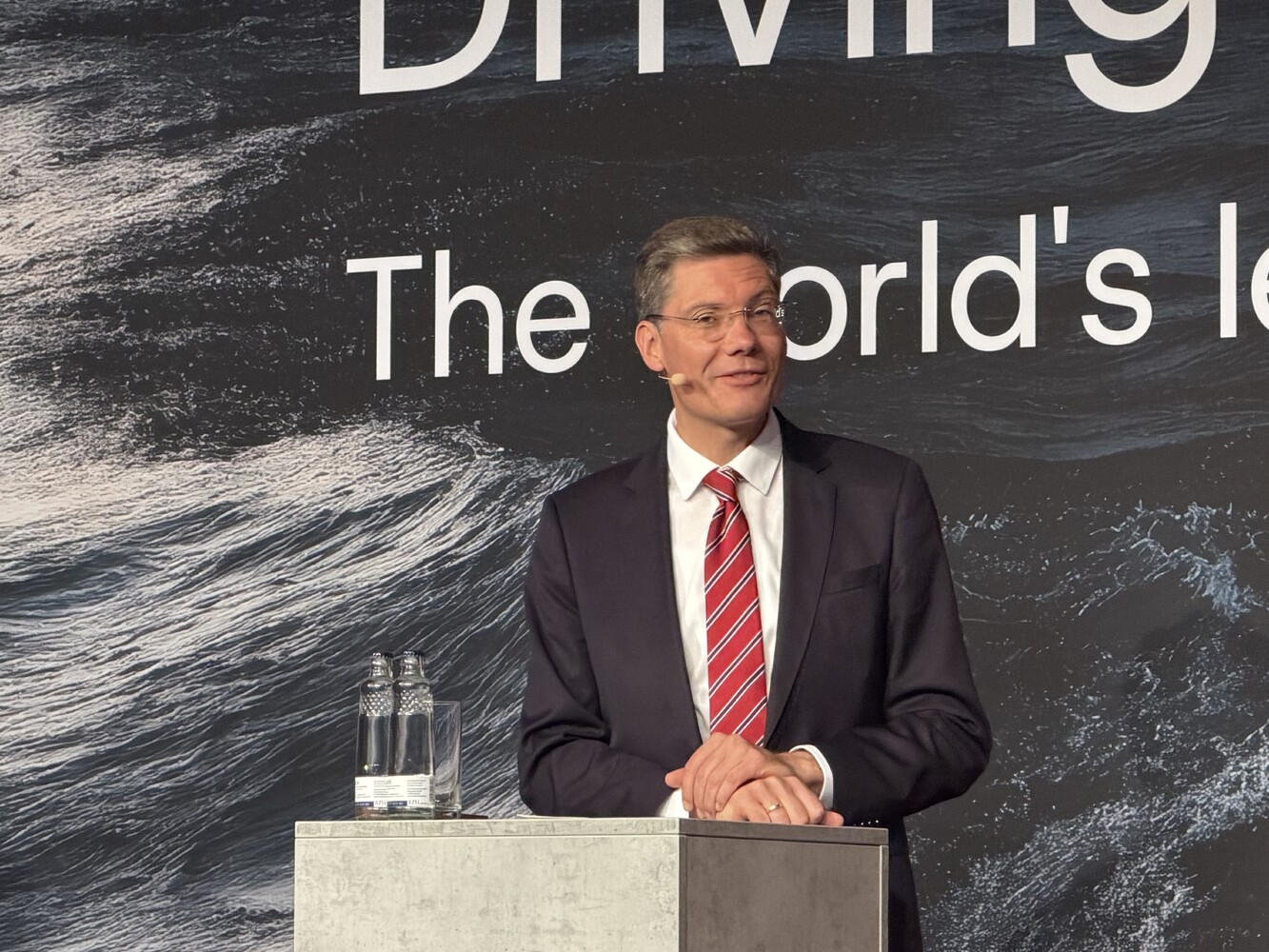
The system relies on controlled access. Private companies can contribute information without automatically gaining access to classified defence data, while military and security authorities receive information appropriate to their responsibilities. This model attempts to balance operational cooperation with national-security and commercial confidentiality.
The challenge is significant. The moderator noted that an estimated 95% of international data traffic passes through subsea cables. Damage to these networks could affect financial transactions, cloud services, government communications, energy systems and multinational business operations. Ports, cables, pipelines, offshore wind farms and shipping lanes have together become part of the economic-security foundation of modern states.
Information-sharing has become a strategic capability
The maritime sector has successful precedents for cooperation. Denholm cited the international response to piracy in the Gulf of Aden and the Horn of Africa. Shipping companies reported vessel positions, suspicious activity and incidents, while naval forces, including the European Union’s Operation Atalanta, coordinated patrols and supplied threat information to the industry.
The combination of commercial reporting, naval capability and shipboard protective measures helped bring the threat under greater control. It demonstrated that merchant shipping and military organisations can exchange information effectively even though the IMO does not regulate military operations.
That experience remains relevant in the Red Sea, Baltic Sea and other areas of heightened risk. Merchant ships need timely and credible information that can be converted into navigational and operational decisions. Naval and government agencies also benefit from the observations of thousands of commercial vessels and offshore facilities.
Future maritime-security capability will increasingly depend on who can combine vessel movements, satellite imagery, underwater sensors, port information and cyber alerts quickly enough to identify abnormal activity before it becomes a major incident.
Yet Dominguez acknowledged that security information is still not shared consistently. Data may be classified as national-defence information or restricted by companies and governments. When information remains isolated, the industry loses opportunities to recognise patterns, learn from incidents and prevent repetition.
Cyber risk is connecting security with operational safety
The ICS Maritime Barometer 2025–2026, as cited during the panel, ranked geopolitical instability as the industry’s leading risk, followed by cyberattacks. As propulsion, navigation, communications, cargo management and machinery-control systems become more digital, cyber risk is moving directly into the ship-safety framework.
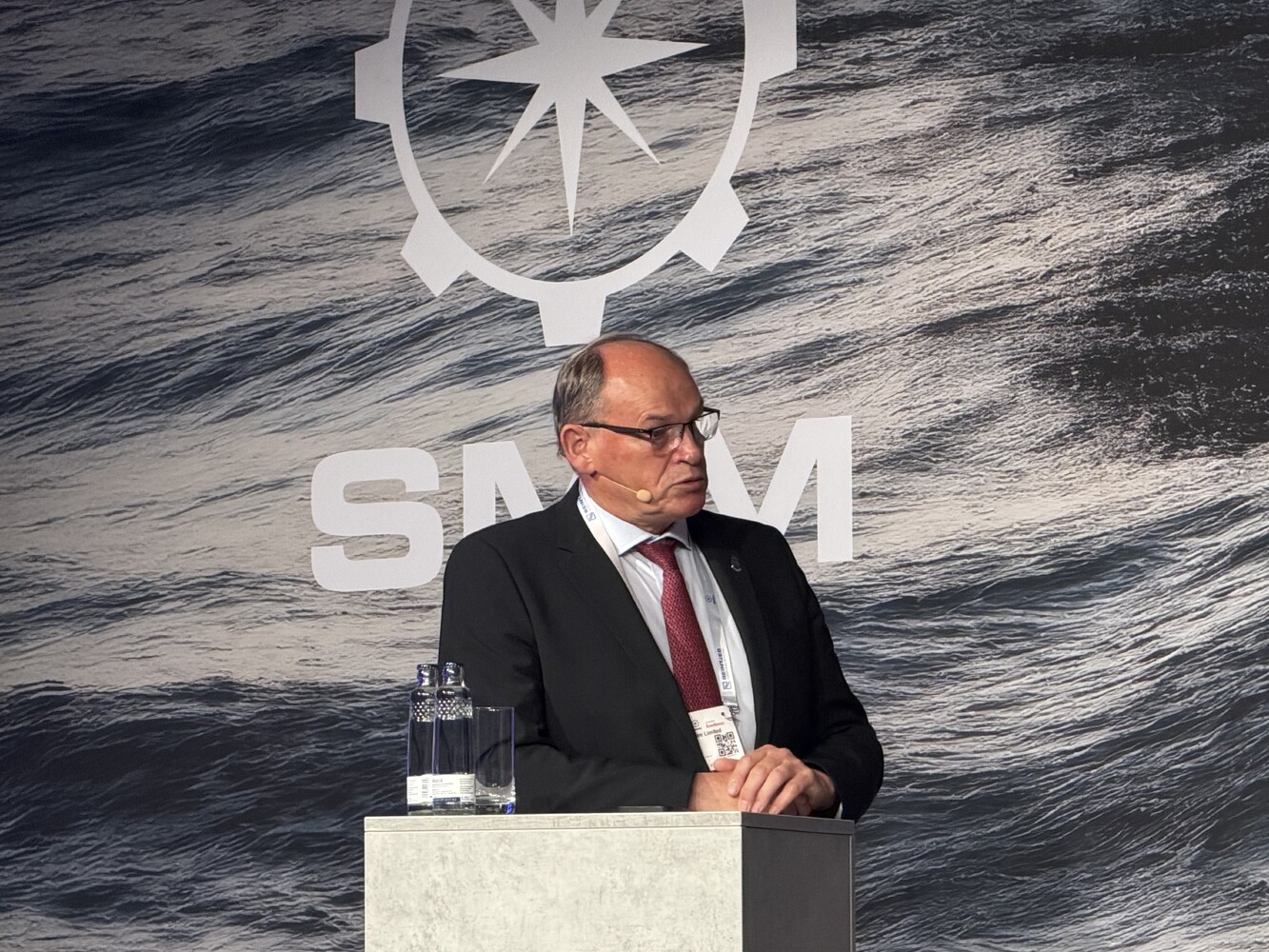
Denholm recalled that little more than a decade ago, an engine could undergo rigorous classification while software updates to its computer systems received far less oversight. That gap has since narrowed, with digital systems increasingly incorporated into classification, safety management and inspection requirements.
Absolute cyber protection, however, remains impossible. Technical safeguards may be bypassed, systems may contain previously unknown vulnerabilities, and an employee can still click the wrong link at a critical moment. Cybersecurity must therefore be treated as a company-governance, ship-safety and business-continuity issue rather than an isolated responsibility of the IT department.
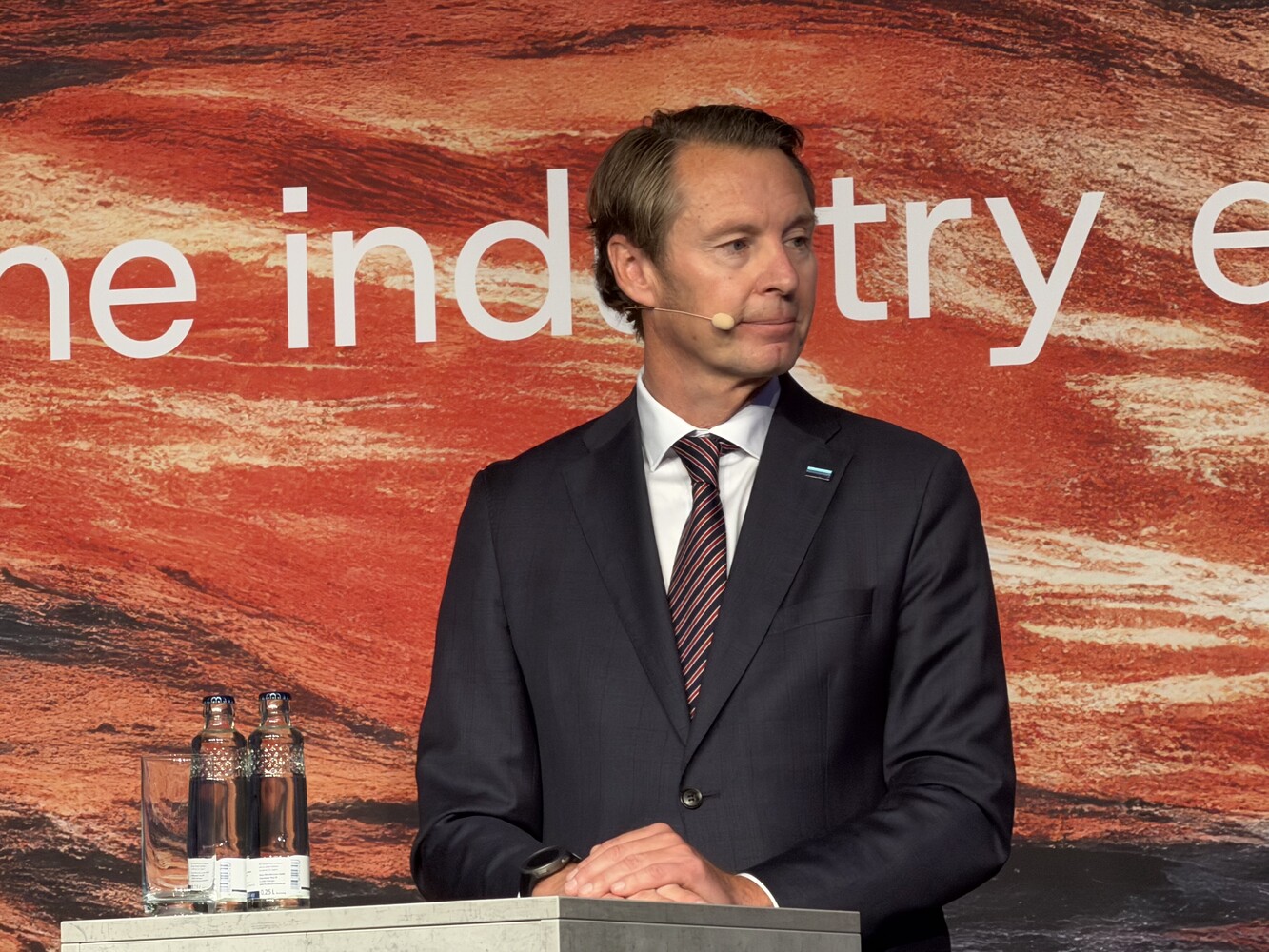
The subject returned during the second panel, “From Net Zero to AI: The Industrial Reality Check”. Everllence CEO Dr Uwe Lauber said AI is already present in the maritime industry, while cybersecurity is the more urgent issue. The sector should use AI to improve efficiency, but it must also control system access, data quality and operational authority.@
German Shipowners Association President Dr Gaby Bornheim stressed that shipping already uses digital systems for forecasting, voyage planning and fuel efficiency. AI can support operational decisions, but the master remains responsible for the final decision on board. Technology should strengthen human judgement rather than remove it.
DNV Group President and CEO Knut Ørbeck-Nilssen added that AI requires structured and reliable data, while much of the industry’s information remains fragmented. Companies must retain control of data governance, security and sovereignty. Experienced people also remain essential when ships encounter unusual conditions that fall outside the assumptions built into an automated system.
The more automated a vessel becomes, the more clearly responsibilities between people and machines must be defined. Ships also need to remain safe when data is incomplete, communications are interrupted, sensors provide conflicting information or a cyberattack compromises part of the system.
Alternative fuels bring new safety challenges
Although the second panel focused on decarbonisation and competitiveness, safety repeatedly returned to the discussion. Ørbeck-Nilssen warned that low-GHG fuel production, port infrastructure, ship design and the safety systems required for new fuels must mature together.
Methanol, ammonia, hydrogen and other alternative fuels have different requirements concerning toxicity, flammability, storage temperatures, leakage, firefighting, ventilation and crew competence. The existence of a fuel or propulsion technology does not mean the full system is ready for global deployment.
IMO work shows how much remains to be resolved. Its Maritime Safety Committee identified 51 regulatory gaps and barriers that could hinder the adoption of alternative fuels and new technologies and developed 32 recommendations to address them. IMO has issued interim safety guidelines for ships using ammonia as fuel and is developing training provisions for seafarers operating vessels powered by alternative fuels. These efforts form part of a wider GHG safety framework intended to ensure that decarbonisation does not introduce unacceptable risks to ships or people.
Nuclear power also entered the discussion. Ørbeck-Nilssen argued that shipping should remain open to different technologies, including nuclear propulsion. A commercial vessel may remain in service for 25 or 30 years, however, and owners cannot move from one propulsion pathway to another every few years. They require long-term technological and regulatory certainty.
IMO has started revising the 1981 Code of Safety for Nuclear Merchant Ships and is reviewing amendments to SOLAS Chapter VIII to address the safety of nuclear-powered vessels. Whether nuclear propulsion develops into a commercial maritime option will depend on far more than reactor technology. Liability, port access, crew training, emergency response, security and public acceptance will all shape its future.
Regulatory uncertainty is already affecting investment in lower-emission propulsion. Lauber said around 60% of the engines Everllence delivered in 2025 were dual-fuel units, while dual-fuel engines now account for only about 30% of its current orderbook. When shipowners cannot identify the likely dominant fuel or the future global regulatory framework, they may avoid paying for transitional technology and return to conventional single-fuel engines.
Technology is moving faster than fuel supply, safety regulation and political decision-making. Prolonged uncertainty could therefore slow the transition and encourage more conservative investment choices.
Protecting seafarers remains the ultimate objective
The human consequences of maritime insecurity were present throughout the conference. Denholm said shipping companies must avoid waters where governments cannot guarantee safe navigation and should never expose crews to unnecessary danger. Repeated exposure to missile attacks, piracy, detention, kidnapping and extended voyages will intensify the industry’s existing recruitment and retention problems.
Dominguez returned to this point in his closing remarks. Secure sea lanes are essential for global trade, but the first responsibility is to protect people. Seafarers must be able to perform their jobs without placing their lives at unacceptable risk.
The IMO’s wider safety agenda includes fatigue, violence and harassment, alternative-fuel training, cyber risk and the effectiveness of safety-management systems. These subjects rarely generate the same public attention as military conflict, but they determine whether ships can continue operating safely.
The cost of protection cannot be ignored. Port security, naval deployments, vessel diversions, cyber systems, subsea redundancy and alternative-fuel safety infrastructure all require investment. Dominguez argued that governments, supply-chain companies and all participants benefiting from global trade must accept part of the responsibility.
Denholm offered a more direct economic conclusion: the consumer ultimately pays. The cost may be transferred through freight rates and service prices, or governments may fund security measures through taxation, but it eventually reaches the wider economy.
Global shipping still requires global rules
The final part of the security debate addressed the political foundation of maritime order. Salisbury warned that some major powers no longer consistently recognise the rules-based system and may believe they can secure their objectives through hard power. The international community must demonstrate that common rules benefit every major participant. Without that shared interest, states may withdraw from cooperation and act with fewer restraints.
Denholm emphasised that a global industry requires global rules. A growing patchwork of regional and unilateral requirements creates regulatory fragmentation and potentially conflicting obligations. Shipping cannot build resilience on national and regional measures that differ from one trading area to another.
SMM’s official conference summary reached the same conclusion: decarbonisation, digitalisation, security and resilience can no longer be addressed as separate challenges.
Dominguez remained optimistic about multilateral cooperation. The IMO handles more than 170 topics each year, and even where governments strongly disagree, they continue to sit around the same table. Maritime security may even bring countries closer together because no state can independently protect global sea lanes, subsea networks and international supply chains.
The opening of SMM Hamburg 2026 demonstrated how widely the definition of maritime security has expanded. Future capability will be measured through naval and coastguard strength, commercial risk management, critical-infrastructure protection, cybersecurity, information-sharing, supply-chain redundancy, alternative-fuel standards, AI governance and seafarer protection.
Shipping companies must incorporate security into fleet investment and corporate strategy. Ports and offshore operators require stronger redundancy and institutional coordination. Shipyards and equipment manufacturers must embed cyber resilience and new-fuel safety into vessel design. Governments need working connections between the military, transport authorities, regulators and private companies.
Security and resilience are also becoming elements of maritime competitiveness. The ability of a shipping company to maintain operations during a crisis, the speed at which a port can recover from a cyberattack, and the capacity of a country to preserve essential imports will increasingly influence their position in global supply chains.
World trade can reroute around danger and pay more for protection, but it cannot operate indefinitely without common rules and minimum security guarantees.
Without security, shipping cannot function reliably. Without shipping, the modern system of production, trade and consumption cannot be sustained. “No Shipping, No Shopping” has become a concise description of the global economy’s exposure to maritime risk.
This article was prepared from the full recording of the SMM Hamburg 2026 opening conference, the official programme and post-event materials. Speakers’ remarks have been translated and edited for clarity.

READ MORE
 Safety
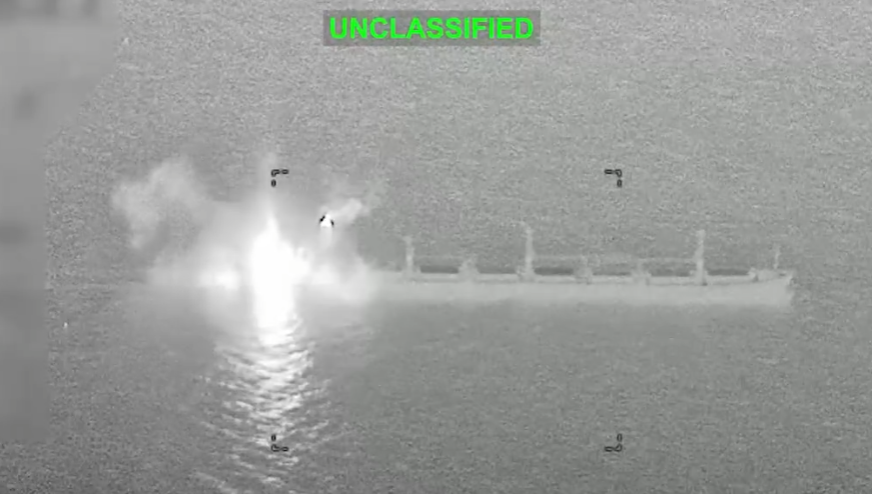
US Says It Disabled Hong Kong-Owned Bulker off Oman
 Safety
Attacked Just 42Days After Delivery: George Prokopiou’s 115,000-Dwt Tanker Hit in Hormuz
 Safety
Five Seafarers Reported Dead as Puntland Retakes Hijacked Tanker Honour 25
 Safety
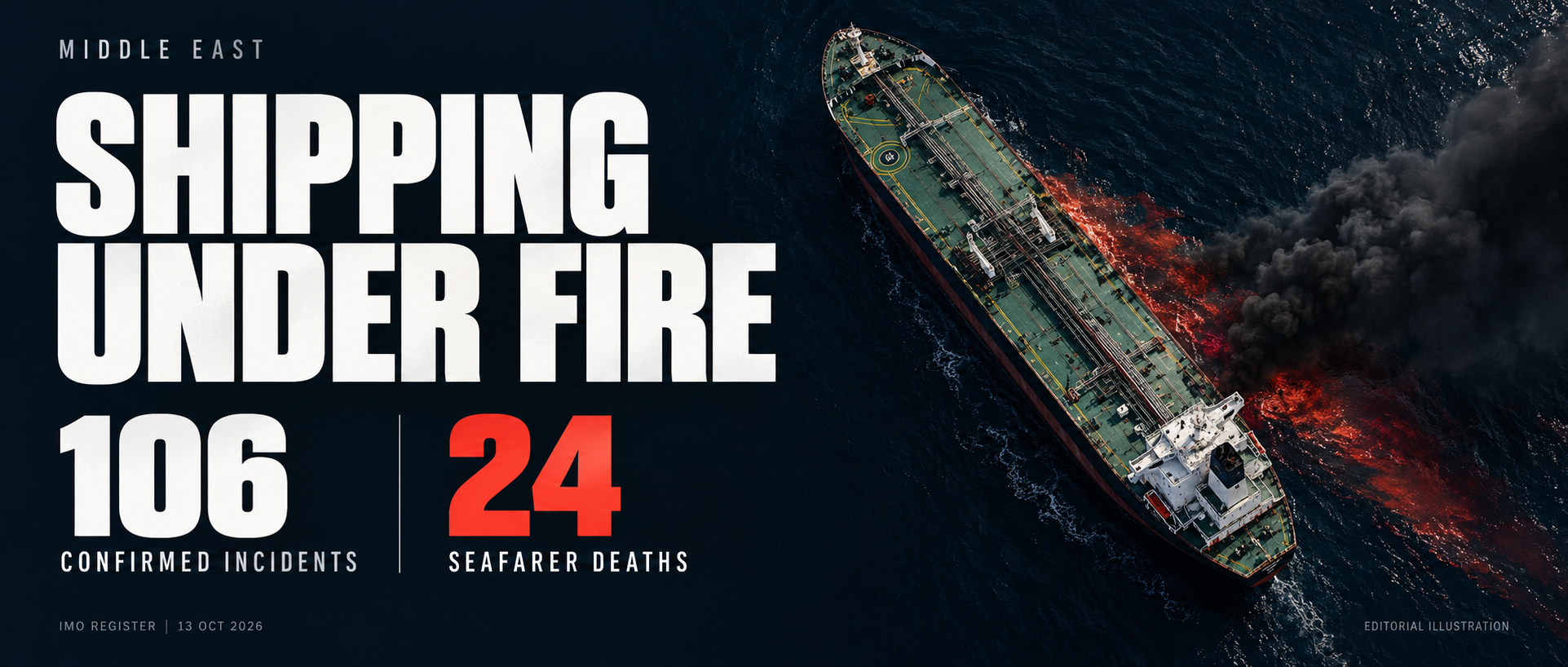
Middle East war leaves mounting toll on merchant shipping
 Safety
China-U.S. Consensus Highlights Free Navigation: No Country or Entity Should Impose Transit Fees on International Waterways
 Safety
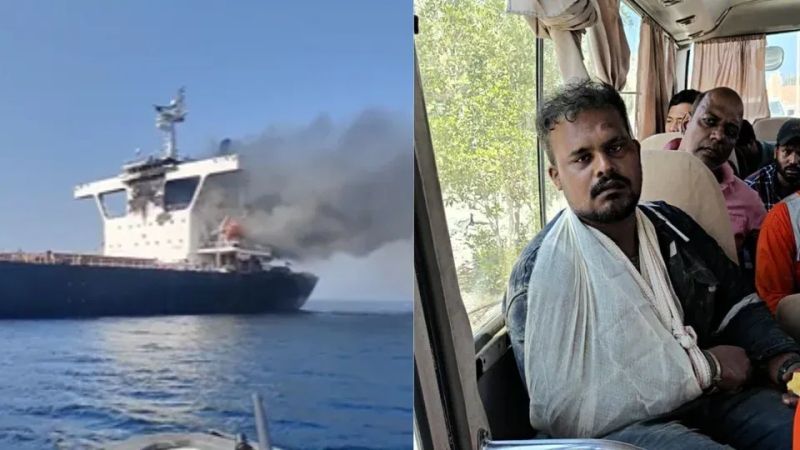
1 seafarer killed, Fatal attack in the Strait of Hormuz: Capesize bulker CAPE DAO hit by unknown projectile
 Safety
25 Crew Abandon MSC Container Ship in the South China Sea — All Rescued, Vessel Still Adrift
 Safety
MSC Hermes III Adrift Unmanned in South China Sea After 25 Crew Abandon Ship
 Safety
Dangerous Goods Container Fire Reported at NPCT1 Terminal in Jakarta
 Safety