


U.S. DOT and Port of Long Beach Sign Agreement to Explore Nuclear-Powered Shipping
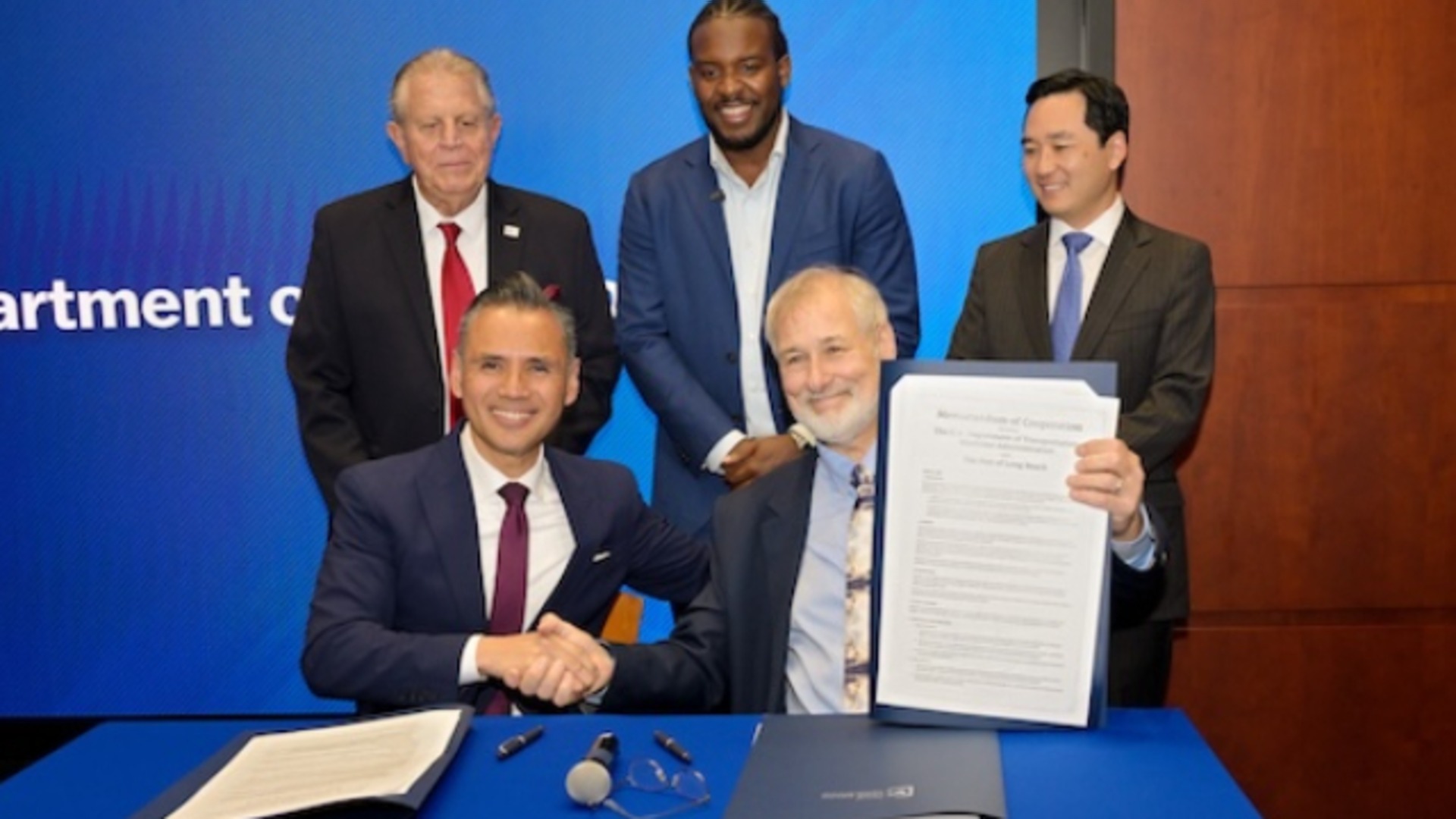

The U.S. Maritime Administration (MARAD) and the Port of Long Beach have signed a Memorandum of Cooperation to explore the use of small modular reactor technology in commercial shipping, port energy systems and maritime infrastructure.
Signed on July 22 by Maritime Administrator Captain Stephen M. Carmel and Port of Long Beach CEO Noel Hacegaba, the agreement establishes the first formal partnership between MARAD and a U.S. seaport focused on nuclear technology for commercial maritime applications.
The two parties will examine the potential integration of small modular reactors, or SMRs, into future vessel propulsion systems. Their cooperation will also cover resilient port microgrids, shoreside power architecture, infrastructure for emerging propulsion technologies and workforce development.
MARAD and the port are also expected to coordinate with the U.S. Coast Guard, Department of Energy and Nuclear Regulatory Commission. This work could support the development of operating protocols, safety standards, inspection procedures and other regulatory arrangements needed for future SMR-powered vessels to call at U.S. ports.
“This milestone agreement with the Port of Long Beach brings cutting-edge Small Modular Reactor technology into active testing,” Carmel said. He added that the initiative would support efforts to revitalize U.S. shipbuilding, strengthen maritime supply chains and train a new generation of skilled American mariners.
Hacegaba said the partnership would combine federal support with private-sector innovation to advance the next generation of shipping and port energy systems.
The Port of Long Beach handles approximately $300 billion in cargo each year and supports an estimated 2.7 million U.S. jobs. It also plans to expand its annual container handling capacity to 20 million TEUs by 2050. The electrification of cargo-handling equipment and terminal operations is expected to increase the port’s long-term electricity requirements significantly.
The agreement follows a request for information issued by MARAD in May. The agency is seeking industry input on developing a U.S.-built, scalable and commercially viable SMR system for the marine transportation sector. The consultation covers reactor architecture, liability and insurance arrangements, port acceptance, workforce development and the integration of technical standards.
However, the new agreement is nonbinding. It does not authorize the construction of nuclear-powered vessels or commit either party to funding, procurement or the deployment of any specific reactor technology.
The initiative therefore remains at an early stage focused on technical evaluation, regulatory preparation and port infrastructure planning. Nuclear safety, classification requirements, insurance liability, public acceptance and international port access will remain major challenges before nuclear-powered commercial ships can enter regular service.

READ MORE
 Sustainability
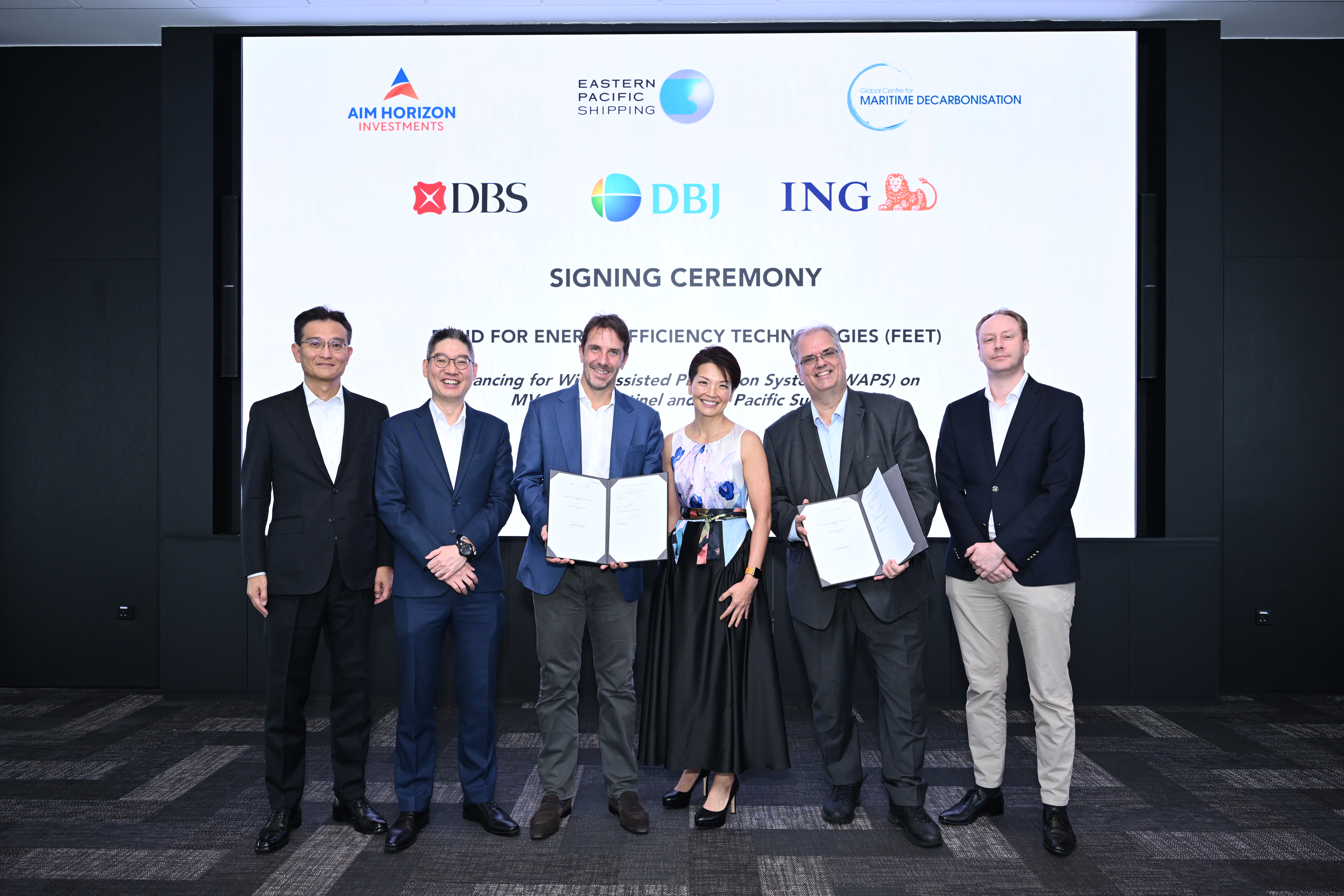
EPS Secures First FEET Financing for Two Wind-Assisted Vessels
 Sustainability
Car Carriers Face Fuel Supply and Emissions Accounting Challenges
 Sustainability
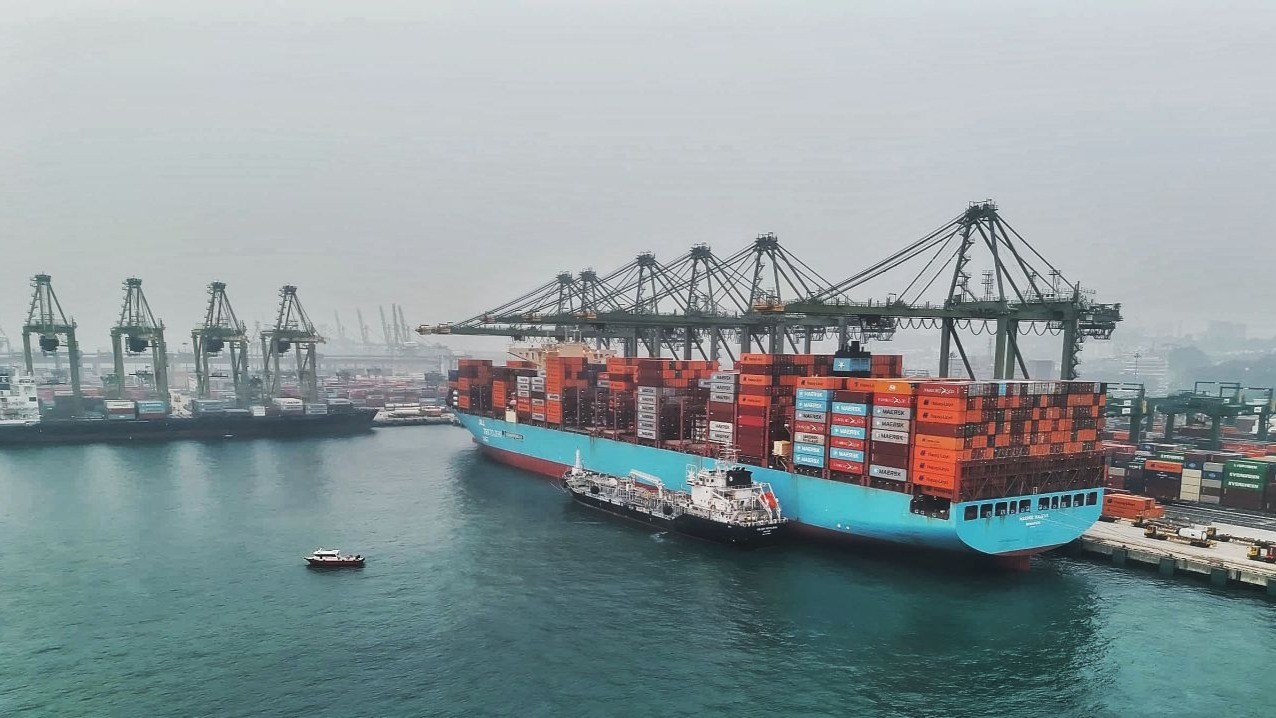
5,000 Tonnes: Maersk Completes World’s Largest Ethanol Bunkering in Singapore
 Sustainability
Shiptec China 2026.10.28-10.30 |Invitation of Green Energy for a Smart Future – Forum on New Energy Ship Technology and Ecosystem
 Sustainability
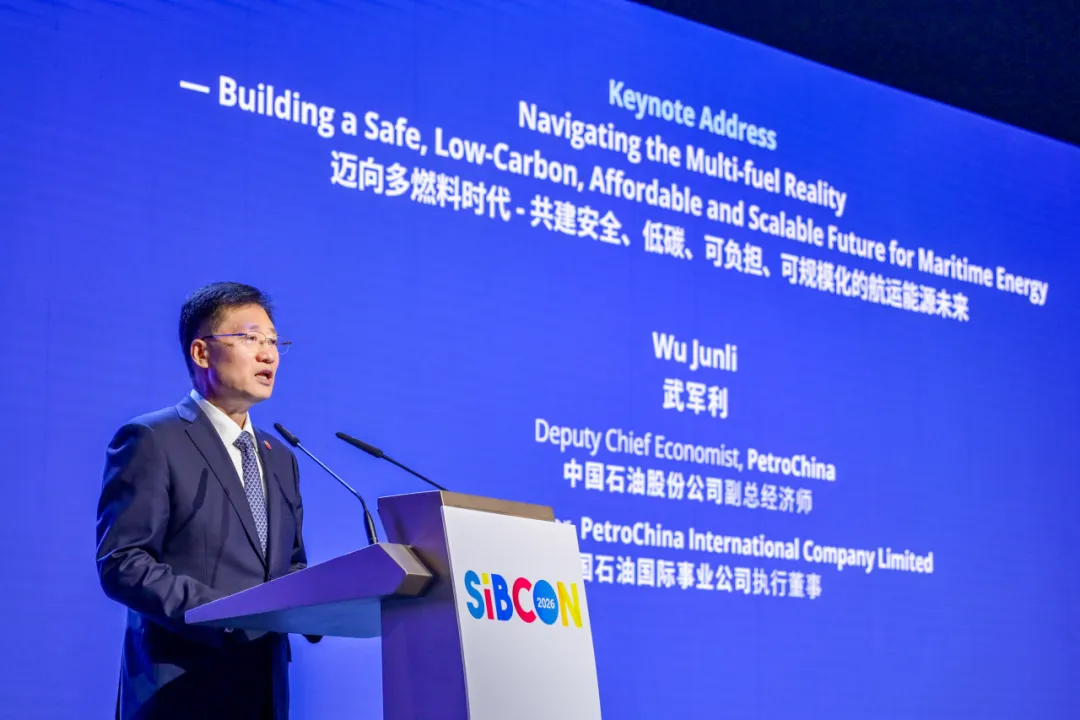
PetroChina Expands Multi-Fuel Bunkering in Singapore
 Sustainability
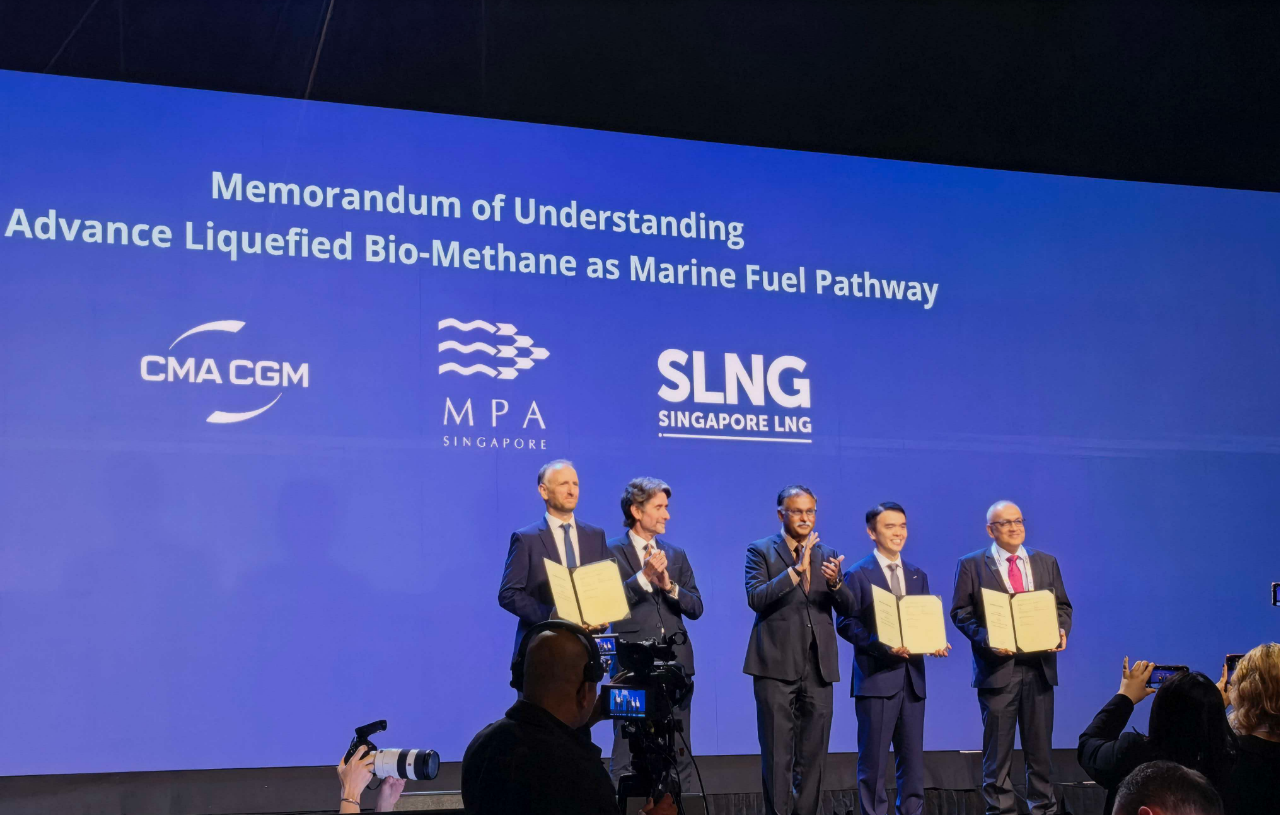
MPA, CMA CGM and SLNG Join Forces on Bio-LNG Bunkering
 Sustainability
Singapore Offers Up to S$250,000 for Electric Harbour Craft
 Sustainability
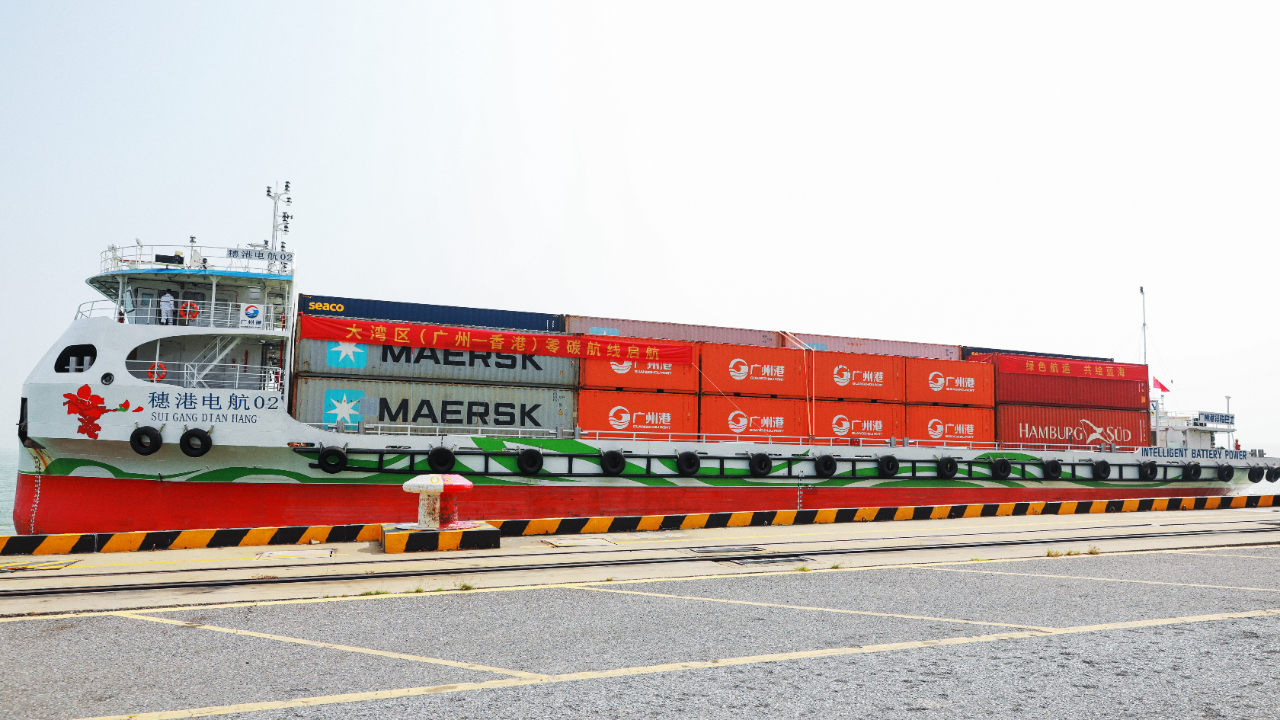
Greater Bay Area Launches First Zero-Carbon Container Shipping Route Between Guangzhou and Hong Kong
 Sustainability
1000Ton! CMB.TECH in World First Commercial STS Green Ammonia Bunkering
 Sustainability