


Hormuz Crisis Forces Index Reform as Baltic Exchange Drafts Back-Up Plan for Middle East Gulf Tanker Rates
The proposal covers the BDTI, BCTI and BLPG benchmarks and could allow alternative load ports outside the Middle East Gulf to be used when existing routes can no longer support representative assessments.
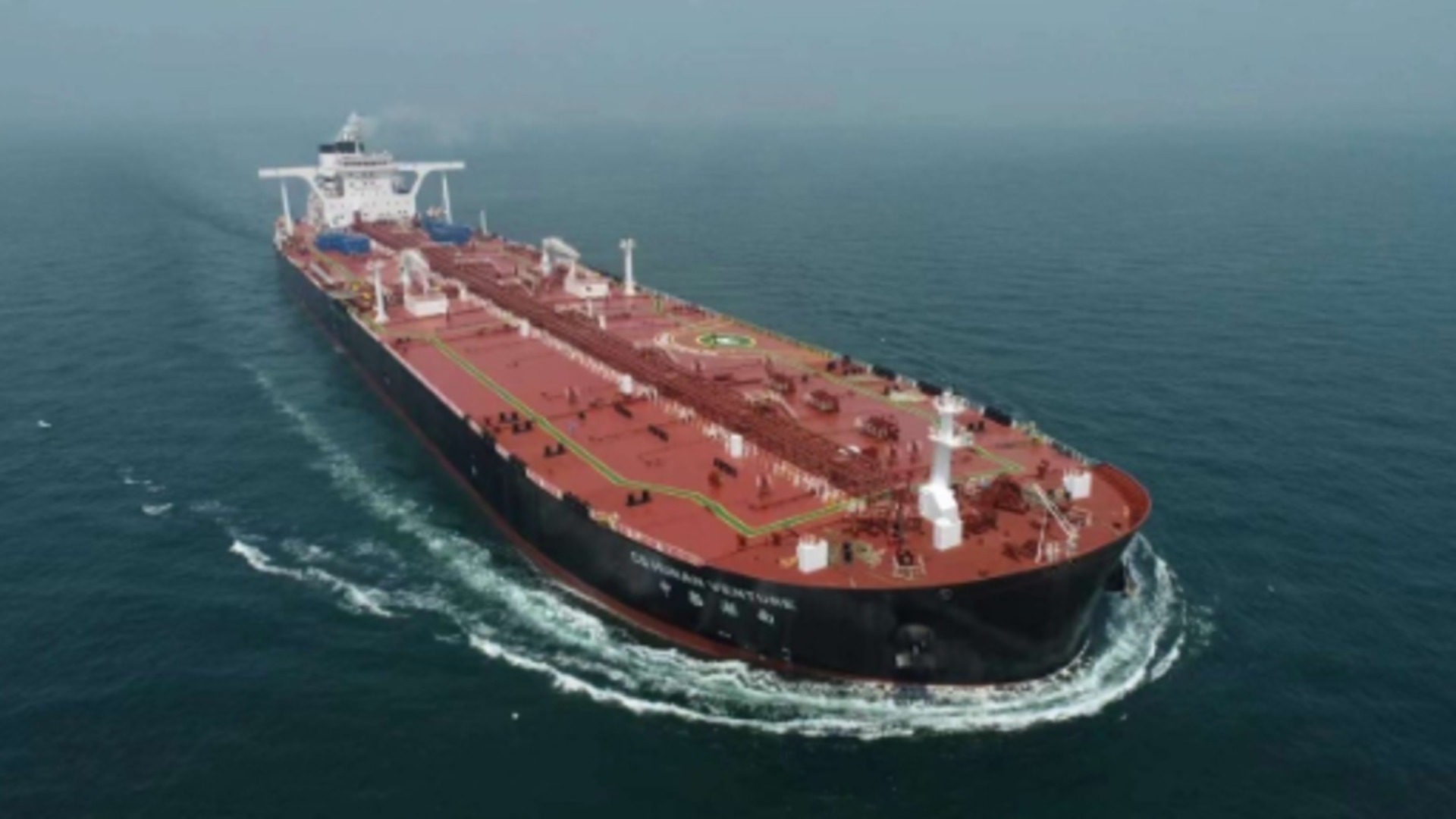

The Baltic Exchange is drawing up emergency rules for the next major disruption to Middle East Gulf shipping.
On 21 July, Baltic Exchange Information Services Limited, or BEISL, the benchmark administrator of the Baltic Exchange, issued Circular 44/26 and launched a new market consultation on back-up arrangements for tanker routes loading in the Middle East Gulf.
The central proposal is to allow alternative load ports outside the Middle East Gulf to be used in the calculation of affected freight assessments when war, prolonged conflict or a severe deterioration in market liquidity makes it difficult to produce representative assessments for existing routes.
The Baltic Exchange said the consultation contains two specific methodology options. Market participants have until 17:00 on 3 August 2026 to submit feedback.
The publicly available circular does not provide the full details of the proposed alternative ports, calculation methods or activation conditions. The detailed consultation paper is primarily available to Baltic Exchange members.
From Whether to Suspend an Index to How to Keep It Running
The latest consultation follows an emergency review of Middle East Gulf benchmark methodology launched by the Baltic Exchange in April.
On 20 April, amid mounting security risks in and around the Strait of Hormuz, the Baltic Exchange opened an initial consultation on whether affected route assessments should be amended or suspended.
At the time, it suggested that, if the conflict escalated or continued for an extended period, additional flexibility might be required. This could include allowing ports or loading areas outside the Middle East Gulf to be included in an assessment while retaining traditional Middle East Gulf loading ports as an option.
The purpose was to reduce the risk that benchmark publication would have to be suspended because of insufficient market information.
The Baltic Exchange published the outcome of that consultation on 23 April. Market feedback indicated that, if emergency measures became unavoidable, using alternative load ports outside the Middle East Gulf would generally be preferable to suspending the affected assessments altogether.
Respondents also stressed that any back-up method would need to be clearly defined, transparently calculated and communicated well in advance to participants in both the physical and derivatives markets.
The Baltic Exchange Index Council subsequently approved further work on the proposal and requested the development of a more detailed implementation plan.
Circular 44/26 therefore marks a shift from discussing the general principle of an emergency mechanism to designing the actual methodology.
The key question is no longer simply whether a route assessment should continue to be published. Attention is now turning to how an alternative loading basis should be selected and calculated when the original route can no longer provide a representative market assessment.
The Impact Extends Well Beyond TD3C
The consultation covers three major Baltic Exchange tanker and gas freight benchmark families:
the Baltic Dirty Tanker Index, or BDTI;
the Baltic Clean Tanker Index, or BCTI;
the Baltic Liquefied Petroleum Gas Index, or BLPG.
The most closely watched route is TD3C, the benchmark for transporting 270,000 tonnes of crude oil from Ras Tanura in Saudi Arabia to Ningbo in China by VLCC.
TD3C has long served as a major pricing reference for crude oil transportation from the Middle East Gulf to China. It is widely used in physical chartering contracts, long-term freight agreements and forward freight agreement settlements.
Other Middle East Gulf-related assessments include TD2 for VLCC voyages from the Middle East Gulf to Singapore, TC1 for LR2 voyages to Japan, TC5 for LR1 voyages to Japan, TC8 and TC20 for product tanker trades towards Europe, and BLPG1 for LPG transportation from the Middle East Gulf to Japan.
Any formal implementation of the back-up mechanism could therefore affect freight pricing across crude oil, refined products, naphtha, middle distillates and LPG markets.
What Would Changing the Load Port Actually Mean?
Moving the load port outside the Middle East Gulf may appear to be a relatively simple solution. In practice, it would alter a wide range of commercial and operational variables.
A different load port would affect voyage distance, ballast positioning, bunker consumption, port costs, voyage duration and the geographical balance between available tonnage and cargo demand.
For routes quoted on a Worldscale basis, a change in the loading location could also affect the standard voyage calculation and flat rate.
For time-charter equivalent assessments, the voyage duration, round-trip assumptions and waiting periods may all need to be recalculated.
The more difficult issue concerns freight derivatives and long-term contracts.
A large number of FFAs, charterparties and commodity trading agreements refer directly to routes such as TD3C, TC1 or BLPG1. If the loading basis were moved from Ras Tanura or another port inside the Strait of Hormuz to the Gulf of Oman or another location outside the strait, the benchmark would begin measuring a different voyage risk and a different transport economy.
Any back-up mechanism must therefore answer three fundamental questions.
First, what conditions would trigger the alternative methodology?
Second, how would the replacement load port or loading area be selected?
Third, how would the benchmark return to its original route once normal trading conditions resumed?
The Baltic Exchange acknowledged during its April consultation that emergency methodology changes could not completely eliminate the possibility of an index suspension. They could, however, increase the likelihood that assessments would remain publishable during a severe market disruption.
Shipping Benchmarks Also Need Resilience
The Hormuz crisis has exposed a difficult weakness in freight benchmark governance.
A shipping route may continue to exist in geographical and legal terms, while the number of actual fixtures, executable enquiries and available vessels falls sharply.
The benchmark administrator must then determine whether the route still represents a functioning market.
Broker judgement can maintain the continuity of an assessment when completed transactions are scarce. If a market remains without verifiable fixtures for an extended period, however, questions will inevitably arise over the representativeness, reliability and reproducibility of the assessment.
Suspending the benchmark creates a different set of problems. Physical freight contracts, FFAs and cleared derivatives positions may be left without a recognised settlement reference.
The Baltic Exchange is now attempting to establish a pre-defined transition mechanism between those two outcomes.
Shipowners, charterers, commodity traders and freight derivatives participants will need to pay close attention to the proposed activation criteria, the selection of alternative load ports, the price-conversion methodology and the treatment of existing contracts.
They may also need to consider whether future charterparties and freight agreements should contain more explicit benchmark-disruption and fallback-index clauses.
Circular 44/26 remains a consultation document and has not changed any existing Middle East Gulf benchmark.
Its final design could nevertheless have major implications for the pricing of Middle East energy transportation. It may also establish an important precedent for the governance of shipping benchmarks during future wars, blockades and other extreme market disruptions.


READ MORE
 Dry Cargo
Can Dry Bulk Match Tankers’ Earnings?
 Dry Cargo
How Much Longer Can Dry Bulk Stay Strong?
 Dry Cargo
Yangzijiang Maritime Orders 4+2 Kamsarmaxes as Watts Energy Expands into Merchant Shipbuilding
 Dry Cargo
Paliou Urges Fleet Discipline as Dry Bulk Faces Rising Supply and Changing Demand
 Dry Cargo
Yangzijiang Maritime linked to 4+2 Kamsarmax order
 Dry Cargo
Black Sea Wheat Loadings Plunge 78% as Grain Trade Reroutes
 Dry Cargo
China Merchants Signs $2.8 Billion-Plus Simandou Shipping Deal
 Dry Cargo
Seaspan Enters Newcastlemax Market, with Yangzijiang Set to Build Two Tri-Fuel Ore Carriers
 Dry Cargo
Shipowners Bet on Ultramaxes: 42 Ships for Chinese Yards, Deliveries Stretch into 203
 Dry Cargo