


Cetus Maritime Prepares for IPO: 13-Vessel Deal and 70% Equity Payment Could Open a New Chapter for the Handysize Giant
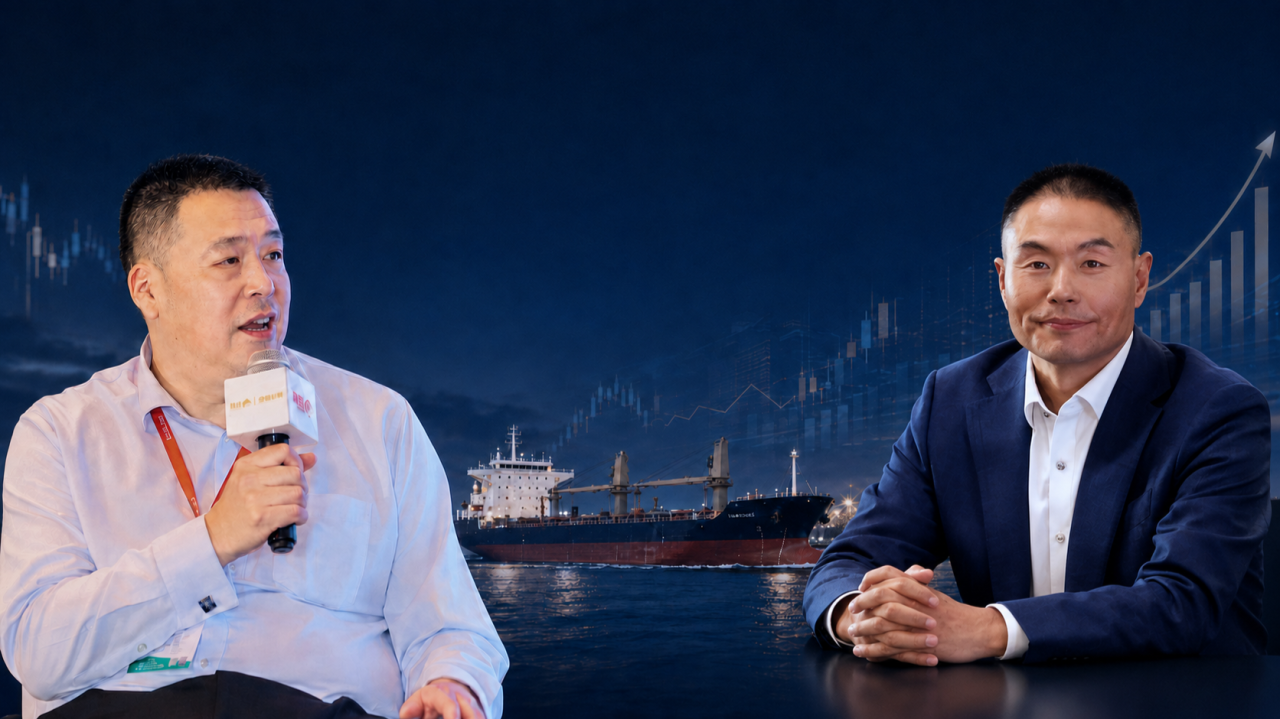
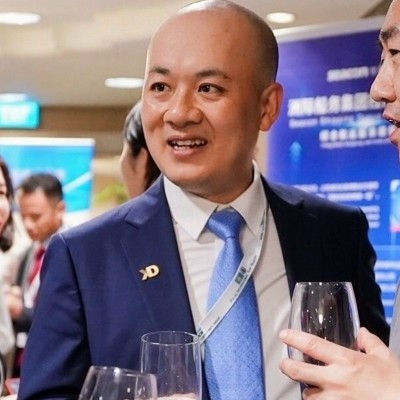
One of the world’s largest privately held Handysize shipping platforms is preparing to enter the public capital markets.
On August 28, Hong Kong-listed Seacon Shipping Group Holdings Limited disclosed that it was in discussions with Cetus Maritime Holdings Limited over a potential transaction involving interests in 13 vessels. Under the structure currently under consideration, Cetus would acquire interests in certain Seacon subsidiaries holding the relevant vessel interests. Approximately 30% of the consideration would be paid in cash, while the remaining 70% would be settled through the allotment and issuance of ordinary shares in Cetus Maritime—or an affiliated entity—immediately before a proposed initial public offering.
Seacon’s announcement states explicitly that the potential purchaser is seeking a listing on an overseas stock exchange.
This is the first formal public disclosure linking Cetus Maritime, known in Chinese as Xingda Shipping(兴达海运), to a proposed IPO. More importantly, the structure of the 13-vessel transaction suggests that the company may be preparing for more than a conventional fundraising exercise. The combination of vessel interests, net asset value-based share calculations, a 70% equity component and an issuance scheduled immediately before the IPO points towards a broader pre-listing consolidation of assets and shareholders.
For Cetus, the proposed transaction could enlarge the asset base of the future listed group without requiring the entire acquisition to be financed with cash or debt. For Seacon, it could convert direct interests in individual vessels into a combination of cash and equity in a larger global dry bulk platform. If the transaction and IPO are completed, Seacon could move from being a seller of shipping assets to becoming a shareholder in a publicly traded Handysize owner and operator.
The IPO signal is clear, but the listing is not yet confirmed
The boundaries of what has—and has not—been confirmed remain important.
The announcement establishes that Cetus Maritime or an affiliated entity is seeking an overseas listing and that the proposed share consideration for the 13-vessel transaction is intended to be issued immediately before the IPO. The number of shares would be determined by reference to the agreed net asset values of the relevant fleets and corporate entities. This indicates that the listing process has progressed far enough for a substantial asset transaction to be structured around the proposed IPO vehicle.
However, Cetus has not disclosed its intended listing venue, filing timetable, sponsors, underwriters, fundraising target, indicative valuation or planned use of proceeds. It also remains unclear whether the listed company would be the existing Cetus Maritime Holdings Limited or another holding entity created through a pre-IPO restructuring.
Seacon has further cautioned that no final or legally binding agreement has been signed for the vessel transaction. The proposed terms could still be amended, delayed or abandoned. The 13 vessels have not been identified, and details including vessel types, ages, ownership percentages, valuations, debt arrangements and chartering status have not been published.
The most accurate conclusion at this stage is therefore that Cetus has begun or is actively advancing preparations for an overseas IPO. It would be premature to describe the company as having secured a listing or established a definitive timetable.
Nevertheless, the strategic direction is now unmistakable. Cetus is preparing to move from a large private Handysize owner and operator into the public capital markets, potentially giving the company a permanent equity platform for financing, acquisitions and future fleet consolidation.
The 13-vessel deal carries the hallmarks of pre-IPO consolidation
A conventional secondhand vessel sale would normally involve an agreed price paid in cash, with the buyer using internal funds, bank debt or leasing finance to complete delivery. The structure under discussion between Cetus and Seacon goes considerably further.
Cetus may acquire interests in the companies holding the vessel interests, rather than purchasing only the physical ships. The consideration would be linked to the net values of the fleets and relevant entities, while most of the purchase price would be converted into shares immediately before the proposed listing. Vessel assets, corporate ownership, shareholder composition and IPO valuation are therefore being brought together in the same transaction.
From Cetus’ perspective, one likely effect would be to strengthen the asset base presented to public-market investors. Shipping IPOs are commonly assessed through net asset value, or NAV, together with the number of owned vessels, fleet age, vessel specifications, market values, net debt, EBITDA, operating cash flow, charter coverage and future capital expenditure.
A company with extensive commercial capabilities but a high dependence on chartered-in tonnage may be valued primarily as an operator, with earnings that can fluctuate sharply as charter costs and freight markets change. A larger owned or equity-accounted fleet can provide a clearer asset base, greater access to secured financing and more visible exposure to vessel values and operating cash flow.
In an interview with Xinde Marine News earlier this year, Cetus Maritime CEO Mark Yang said the company owned approximately 30 vessels and operated close to 50 ships when chartered-in and commercially managed tonnage was included. Cetus’ corporate website currently describes a worldwide fleet of more than 40 vessels ranging from 8,500 to 45,000 dwt, with over 1.3 million dwt of owned tonnage on the water and offices across five continents.
The exact figures vary according to whether the measurement includes owned, jointly owned, commercially managed and chartered-in vessels. Even against the higher operating-fleet figure, a transaction involving interests in 13 ships would represent a substantial addition. Against the approximately 30 owned vessels cited by Y, it would involve a number equivalent to more than 40% of the existing owned fleet, although the lack of disclosed ownership percentages means it cannot yet be assumed that Cetus will acquire 13 fully owned ships.
The vessels could consequently become part of the asset and valuation framework for the proposed IPO. The simultaneous appearance of 13 vessel interests, a 70% equity payment and a share issuance immediately before listing gives the transaction clear characteristics of pre-IPO asset consolidation, although its final legal and accounting treatment will depend on the definitive agreements and future listing documents.
The 70% equity component may be more significant than the number of ships
The most strategically revealing figure in the announcement may not be 13. It may be 70%.
A cash acquisition of interests in 13 vessels could require Cetus to deploy substantial liquidity. Financing the same transaction predominantly with bank loans or leasing debt would increase interest expenses, leverage and exposure to changes in vessel values. Those risks become particularly relevant when asset prices are elevated and the company is preparing to present its balance sheet to public-market investors.
Settling approximately 70% of the consideration in shares creates a different route. Cetus could enlarge its fleet and asset base while limiting the immediate cash outflow and avoiding an equivalent increase in debt. Seacon, meanwhile, would retain substantial exposure to the future value of the enlarged platform.
In economic terms, Cetus would exchange corporate equity for shipping assets. Seacon would exchange direct vessel interests for cash and an equity interest in Cetus.
This structure is closely aligned with the investment principles Yang has articulated in recent interviews. He has repeatedly stressed the importance of cash flow and leverage when evaluating vessel investments. High vessel prices do not automatically eliminate investment opportunities, but high prices combined with excessive debt can make a shipping company highly vulnerable when freight earnings and asset values decline.
Yang has also said that Cetus does not currently have a clearly defined plan to place a large series of direct newbuilding orders. The company remains involved in discussions with Chinese maritime investors and specialist vessel partners concerning future designs, cargo requirements and operating suitability, but it does not necessarily need to be the party ordering and financing every ship on its own balance sheet.
The proposed Seacon transaction follows that logic on a larger corporate scale. Cetus may significantly increase its vessel exposure without committing to a speculative newbuilding programme and without paying the full acquisition cost in cash. Equity would absorb most of the consideration, allowing the company to preserve liquidity and potentially maintain greater balance-sheet flexibility.
This could represent an evolution of the financial discipline Cetus has applied to individual vessel investments. The company has historically emphasised modern secondhand tonnage, fleet renewal, partnerships and carefully selected acquisitions. It may now begin using equity-funded corporate transactions to pursue the same objectives at platform level.
Cetus itself was built through consolidation
The proposed IPO is easier to understand when viewed against Cetus’ corporate history. The company did not reach its current position through a continuous programme of large-scale newbuilding orders. It was assembled through a series of mergers, acquisitions and regional integrations.
Cetus’ predecessor, Asia Maritime Pacific, or AMP, was established in 2008. In 2016, AMP combined with US-based Sono Shipping, strengthening its presence in the Americas and across Atlantic dry bulk trades. In 2018, it integrated Hong Kong Handysize player Fenwick Shipping, further expanding its fleet and Asian operating platform.
The most transformative step came in late 2022, when AMP and Germany’s Hamburg Bulk Carriers agreed to merge and create Cetus Maritime. The combined company was expected to have 40 owned vessels and approximately 25 chartered ships, supported by an international office network covering locations including Hong Kong, Singapore, Shanghai and Hamburg.
That combination brought together more than ships. AMP contributed an established presence across Asian, African and Pacific markets, while Hamburg Bulk added European customers, Atlantic cargo relationships and German shipping expertise. Cetus emerged as a genuinely global Handysize owner and operator with commercial capabilities across both Eastern and Western markets.
In 2024, Cetus completed another major combination with Chilean shipping company Nachipa Corp. The enlarged enterprise had approximately 31 owned vessels and around 25 chartered ships on the water at any given time, supported by roughly 120 shoreside employees. Nachipa added modern Japanese-built Handysize vessels, but its regional relationships, South American cargo knowledge and experienced local team were equally important.
Cetus described the Nachipa transaction as another step in the consolidation of the highly fragmented Handysize sector. The company cited increasingly complex regulatory and technical requirements, together with rising funding costs, as factors strengthening the benefits of scale. It also made clear that further acquisitions and combinations would remain under consideration.
In 2025, Rhumb Maritime formally joined the group and became Cetus Maritime (Australia) Pty Ltd, reinforcing the company’s on-the-ground presence in Australia and New Zealand. Cetus had already worked with Rhumb for almost two decades, and the integration brought a longstanding regional relationship directly into the group.
Seen together, the additions of Sono, Fenwick, Hamburg Bulk, Nachipa and Rhumb show that Cetus has consistently acquired operating capabilities as well as vessels. Each transaction has brought combinations of ships, customers, cargo access, personnel, local knowledge and regional infrastructure. The company’s growth model has therefore been based on building a global platform from previously separate shipping businesses.
An IPO could provide that established consolidation model with a more powerful financial instrument.
Publicly traded shares could become Cetus’ acquisition currency
Privately held shipping companies have a relatively limited range of acquisition tools. They can use internal cash, raise bank or leasing debt, attract private investors or negotiate bespoke joint ventures. As the company and its fleet grow, however, each subsequent acquisition requires more capital. Continued expansion through debt can also weaken the balance sheet and reduce resilience during a market downturn.
A listed company has access to another form of consideration: publicly traded equity.
Shares with an observable market price and a degree of liquidity can be issued directly to acquire vessels, fleets or entire companies. The seller can take cash, receive shares or accept a mixture of both. This creates a way for private owners to combine their businesses with a larger platform without completely exiting their exposure to shipping.
The proposed Seacon deal is already demonstrating this possibility. Seacon would receive only about 30% of the consideration in cash, with the majority converted into shares in Cetus or its affiliated listing vehicle. If the IPO is completed, Seacon could hold equity in a global Handysize platform rather than continuing to own the same vessel interests directly.
For Cetus, the model could become highly scalable. Future acquisitions could be completed with different combinations of cash, debt and shares depending on vessel prices, the company’s own valuation and the preferences of the seller. A private shipowner could realise part of the value of its fleet in cash while retaining an economic interest in the enlarged listed group.
This is particularly relevant in Handysize shipping, where many companies own relatively small fleets and remain controlled by families or concentrated groups of private shareholders. A full cash sale may be unattractive to owners who believe vessel values or freight markets still have room to rise. An equity-based combination allows them to contribute their fleet and operating platform while continuing to participate in future earnings, dividends and capital appreciation.
If Cetus can complete its IPO and establish a credible public valuation, its shares could become a repeatable acquisition currency. The company’s future growth might then be measured less by the size of its next newbuilding order and more by the fleets and regional businesses it is able to bring into the platform.
Why Seacon may accept most of the consideration in shares
The proposed structure also needs to be considered from Seacon’s perspective.
By accepting approximately 70% of the consideration in shares, Seacon would not be making a conventional disposal that converts vessel interests entirely into cash. It would be exchanging direct exposure to a group of ships for a combination of liquidity and corporate equity.
The cash portion could be used to support Seacon’s existing fleet-development plans, repay financing or fund new capital commitments. The equity portion would preserve exposure to dry bulk shipping through a larger platform with an established global commercial network.
Such an arrangement would require Seacon to have confidence in several elements: the valuation assigned to the relevant Cetus entity, the quality of the enlarged fleet, the company’s future earnings, the probability of a successful IPO, the liquidity of the resulting shares and any restrictions on when those shares could be sold.
The final exchange ratio will be especially important. Because the shares are expected to be calculated by reference to the agreed NAVs of the respective fleets and relevant entities, both parties will need to reach a view on vessel values, associated debt, corporate liabilities and the value attributed to Cetus’ operating platform.
The transaction could therefore be understood as a strategic exchange of asset forms. Cetus would use equity to acquire scale. Seacon would obtain immediate cash while retaining participation in the future value of the combined business. This is materially different from an outright vessel sale and could establish a longer-term relationship between the two companies.
A fragmented Handysize market creates room for a listed consolidator
Handysize shipping remains one of the most fragmented segments of the global merchant fleet. These vessels serve smaller ports, developing economies and highly diverse cargo flows. They carry grains, steel products, fertilisers, forest products, cement, minerals, project cargoes and numerous minor bulks, often in parcels too small or ports too restricted for larger ships.
The business depends heavily on local customer relationships, knowledge of individual ports, cargo-handling experience and the ability to switch between regions and commodity groups. These operating characteristics have supported the continued presence of many regional owners, family-controlled companies and specialist operators.
At the same time, the fixed cost of operating a shipping business is increasing. Decarbonisation regulations, the EU Emissions Trading System, FuelEU Maritime, CII requirements, sanctions compliance, insurance, cybersecurity, crew management, digital systems and more complex financing reviews all require specialist expertise and investment.
A company operating ten ships may need many of the same compliance systems, legal capabilities, technical expertise and digital infrastructure as a company operating 50. Scale can therefore reduce unit costs, support stronger procurement and financing terms, and justify more sophisticated commercial and technical teams.
A larger global fleet also creates operational advantages. Ships can be matched more efficiently with cargoes across different regions, exposure to individual trade lanes can be reduced, and ballast voyages may be managed more effectively. When competition increases in one region, commercial resources can be redirected towards South America, Australia, Asia or other emerging trades.
Cetus has already assembled many of these components. Its network spans Asia, Europe, North America, South America and Australia, while its activities include chartering, commercial management, technical management and third-party shipmanagement. Its fleet ranges from smaller regional Handysize vessels to larger ships approaching 45,000 dwt, and the company has increasingly focused on modern, fuel-efficient and versatile tonnage.
A listed Cetus could combine this operating network with permanent access to public equity. That combination—shipping assets, global cargo relationships, local teams and acquisition currency—could position the company as a distinctive consolidator in the Handysize sector.
The valuation debate will extend beyond NAV
How the capital markets ultimately value Cetus will depend on whether the company can demonstrate that its operating platform is worth more than the sum of its vessels.
Traditional shipping valuations are heavily influenced by NAV. Investors estimate the current market value of the fleet, deduct net debt and compare the result with the company’s market capitalisation. Freight earnings, charter coverage, vessel age, capital expenditure and dividend policy then influence whether the shares trade at a premium or discount.
Cetus, however, is not a pure asset-holding shipowner. It operates owned vessels, chartered-in ships and commercially managed tonnage. It also provides chartering, technical management and third-party management services, while using its international teams to match cargoes and vessels across multiple regions.
This creates the possibility of two competing valuation frameworks.
If investors view Cetus primarily as the owner of a group of Handysize bulk carriers, its valuation will remain closely linked to NAV and the dry bulk cycle. If the company can demonstrate that its cargo network, operating expertise, chartering activity and integration capabilities generate sustainable earnings beyond the return produced by individual ships, it may be able to argue for a platform premium.
That case will require evidence. Cetus will need to show that the integration of Sono, Fenwick, Hamburg Bulk, Nachipa, Rhumb and other partnerships has created measurable commercial benefits: higher vessel utilisation, lower ballast exposure, broader cargo access, reduced unit costs, stronger customer retention and better performance through different market conditions.
The proposed acquisition of 13 vessel interests could serve both valuation narratives. It may increase the NAV of the future listed group, while also demonstrating Cetus’ ability to use equity to absorb external shipping assets. One transaction will not establish a complete platform model, but it could become an important first case for investors assessing how Cetus intends to grow after listing.
Public ownership will test Cetus’ capital discipline
Access to public capital will also introduce new constraints.
As a private company, Cetus has been able to make fleet and investment decisions within a relatively concentrated shareholder structure. It can take a long-term view of freight cycles, vessel values and regional opportunities without having to respond constantly to quarterly market expectations.
A listed Cetus would face regular financial reporting, public scrutiny of major vessel transactions, investor expectations regarding dividends and capital returns, and continuous comparison between its share price and NAV. Management would have to explain whether available capital should be used for acquisitions, newbuildings, debt reduction, dividends or share repurchases.
This is particularly challenging in shipping because the most profitable periods are often also the most expensive times to buy vessels. Strong freight rates improve cash flow and encourage expansion, but they also drive up secondhand values and newbuilding prices. Companies that combine peak asset prices with aggressive leverage can face severe pressure when freight earnings, vessel values and financing conditions reverse.
Young’s emphasis on cash flow, leverage control, selective secondhand acquisitions and caution towards large direct newbuilding programmes has so far provided a clear framework for managing this risk. The proposed use of shares for the majority of the Seacon transaction appears consistent with that approach.
The larger test will come after the IPO. A high share price could make equity-funded acquisitions attractive, while a share price below NAV could make new issuance dilutive for existing investors. Cetus will need to compare the cost of its equity with vessel values and debt costs before every major transaction.
Its ability to maintain discipline after gaining access to public capital may ultimately matter more than the amount raised in the IPO. The strongest long-term model would allow Cetus to acquire assets when pricing is attractive, preserve liquidity when the market is expensive and choose between cash, debt and shares according to the lowest available cost of capital.
From AMP to Cetus—and now towards the public markets
The development of Cetus Maritime can be divided into several distinct stages.
AMP began as a Handysize owner and operator. Through Sono and Fenwick, it expanded its presence across the Americas and Asia. The merger with Hamburg Bulk combined Eastern and Western commercial networks and created the Cetus brand. Nachipa strengthened South American coverage, while Rhumb brought the Australian business directly into the group. Partnerships with external maritime investors added another model in which third-party capital could own ships while Cetus contributed commercial and operating capabilities.
The next stage is now emerging.
Cetus Maritime is preparing for an overseas IPO, while Seacon is considering contributing interests in 13 vessels in exchange for approximately 30% cash and 70% equity in the future listing platform.
The proposed structure connects Cetus’ history of industrial consolidation with a new capital-market strategy. Until now, the company has used mergers and partnerships to build a larger shipping platform. Following an IPO, it may be able to use that platform—and its publicly traded shares—to accelerate further consolidation.
The significance of the transaction therefore extends beyond the 13 vessels currently under discussion. It could establish a template for how Cetus acquires fleets and businesses in the future, particularly from private owners that want liquidity without giving up their entire exposure to shipping.
The immediate questions concern whether the Seacon transaction will be finalised, where Cetus will seek its listing, how the company will be valued and how much capital it intends to raise. The deeper issue is how Cetus plans to use the public market once access has been secured.
If the IPO serves mainly as a one-off fundraising event, its impact will be concentrated on the balance sheet. If Cetus intends to use listed equity repeatedly to acquire vessels, integrate regional owners and expand its commercial network, the offering could mark the beginning of a more consequential change in the structure of the Handysize market.
The proposed Seacon transaction may be the first rehearsal for that model.
Today, the visible elements are 13 vessels, a 70% equity component and preparations for an overseas IPO. The longer-term story could involve the next fleet, the next regional operator and the next phase of consolidation.
From Asia Maritime Pacific to Cetus Maritime, and from one of the world’s largest private Handysize operators towards the public capital markets, the company is preparing to enter a fundamentally different stage of development.

READ MORE
 Dry Cargo
Yangzijiang Maritime linked to 4+2 Kamsarmax order
 Dry Cargo
Black Sea Wheat Loadings Plunge 78% as Grain Trade Reroutes
 Dry Cargo
China Merchants Signs $2.8 Billion-Plus Simandou Shipping Deal
 Dry Cargo
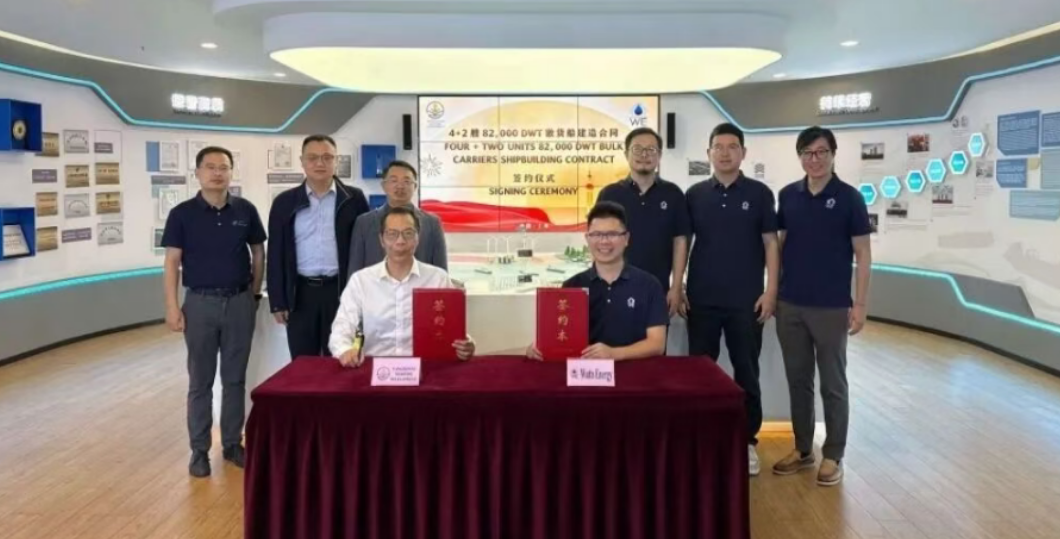
Yangzijiang Maritime Orders 4+2 Kamsarmaxes as Watts Energy Expands into Merchant Shipbuilding
 Dry Cargo
Seaspan Enters Newcastlemax Market, with Yangzijiang Set to Build Two Tri-Fuel Ore Carriers
 Dry Cargo
Shipowners Bet on Ultramaxes: 42 Ships for Chinese Yards, Deliveries Stretch into 203
 Dry Cargo
“We Are Buying Ships”: Why Dry Bulk Is Beating Expectations
 Dry Cargo
40 Days from Brazil to China: COSCO SHIPPING Bulk’s New Grain Fleet Takes Shape
 Dry Cargo
Wooyang orders four triple-fuel Newcastlemax bulkers at China’s New Times for Vale contracts
 Dry Cargo