


Hormuz at War, Bab el-Mandeb Under Threat: Conflict Is Shrinking Global Shipping Capacity


Fighting around the Strait of Hormuz continues, while the Houthis have expanded their threats to vessels using Saudi ports. With two of the Middle East’s most important energy export routes under pressure, the consequences extend far beyond higher oil prices. Seafarer safety, vessel deployment, war-risk insurance and the effective capacity of the global fleet are all being repriced.
A scenario long feared by the shipping industry is beginning to take shape.
On one side, merchant ships continue to face attacks in and around the Strait of Hormuz. Vessel traffic has fallen to extremely low levels. Kpler data showed that only four commodity-carrying vessels transited the strait on 20 July, down from seven the previous day. Most were linked to Iranian trade, while normal international energy movements remained severely disrupted.
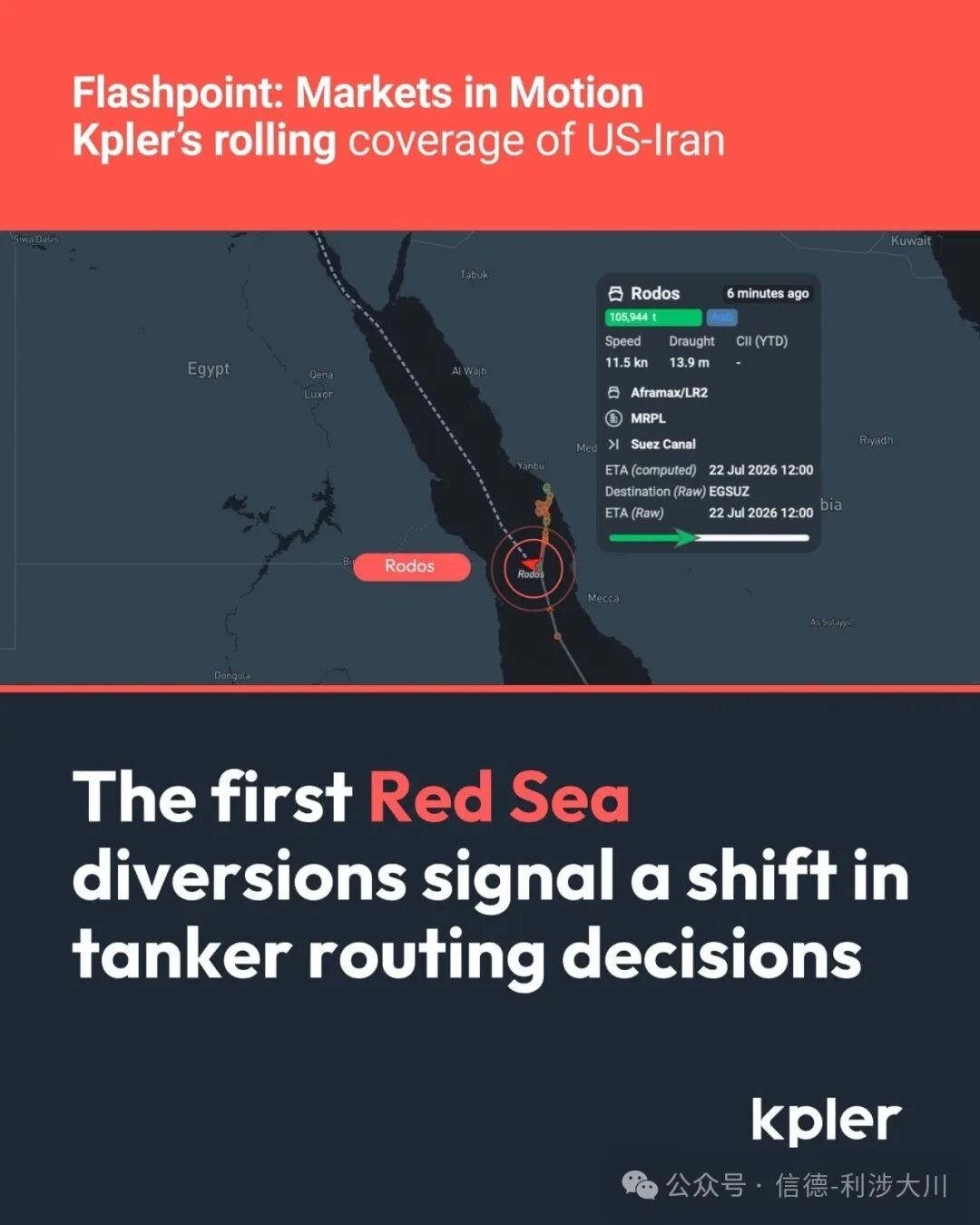
On the other side, Yemen’s Houthi movement has declared what it calls a maritime blockade against Saudi Arabia. It has warned shipping companies not to load or discharge cargoes at Saudi ports, threatening that vessels which do so could be targeted.
Two tankers carrying Saudi crude from the Red Sea port of Yanbu and originally bound for China and India subsequently reversed course in the Red Sea and headed north towards the Suez Canal.
This does not mean that Bab el-Mandeb has been physically closed to all commercial traffic. The Houthi threat is currently directed primarily at vessels connected to Saudi trade.
For the shipping market, however, the decisive question is whether the threat is strong enough to change the decisions of shipowners, charterers, insurers and crews.
Once vessels begin turning around, the threat is already having a commercial impact.
Two Strategic Chokepoints Are Pressuring Middle East Energy Exports
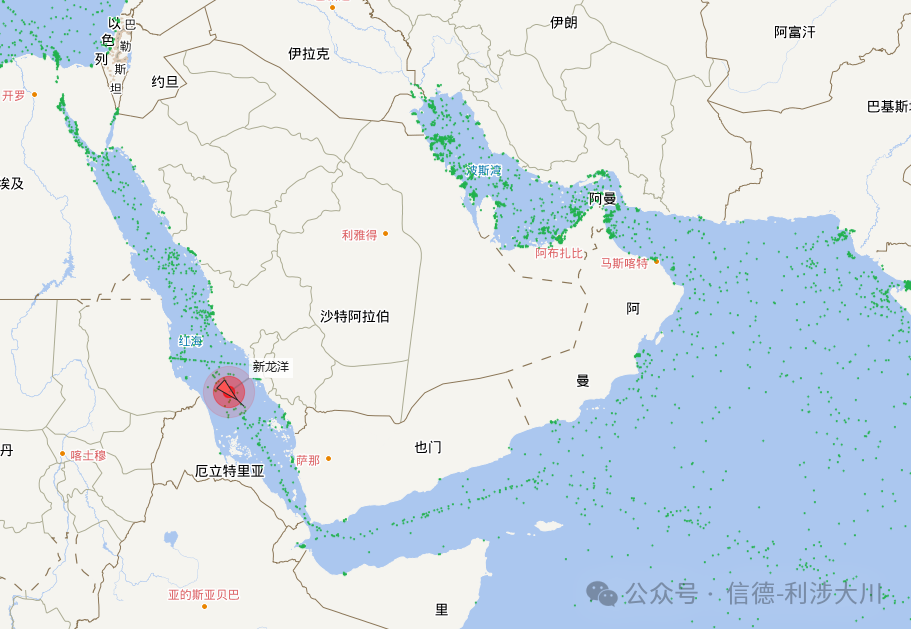
The Strait of Hormuz is the only maritime exit from the Gulf into the Gulf of Oman and the Indian Ocean. It is also one of the world’s most important energy shipping chokepoints.
Large volumes of crude oil, refined products, LNG and petrochemicals exported by Saudi Arabia, Iraq, Kuwait, Qatar, the United Arab Emirates and Iran normally pass through the strait.
The US Energy Information Administration identifies Hormuz and Malacca as the world’s two largest oil transit chokepoints. If Hormuz remains seriously disrupted, the region’s existing pipelines can divert only part of the export volume normally carried by sea.
As conditions around Hormuz deteriorated, Saudi Arabia increased its use of the East-West Pipeline, which transports crude from the kingdom’s eastern production areas to Yanbu on the Red Sea.
This route bypasses Hormuz. Tankers loading at Yanbu normally sail south through the Red Sea and Bab el-Mandeb before entering the Gulf of Aden and the Indian Ocean on voyages to China, India, Japan and South Korea.
The latest Houthi threat directly challenges that alternative route.
A tanker unable to pass safely through Bab el-Mandeb after loading at Yanbu would have to consider an exceptionally long diversion. It would sail north through the Suez Canal into the Mediterranean, continue west through the Strait of Gibraltar into the Atlantic, travel south along the African coast, round the Cape of Good Hope and then re-enter the Indian Ocean.
Shipping sources cited by Reuters said such a voyage could add as much as four weeks compared with the normal southbound route from Yanbu, sharply increasing fuel consumption, freight costs and vessel employment time.
Fully laden VLCCs may also face Suez Canal draught restrictions. Some cargoes could therefore require partial discharge into Egypt’s SUMED pipeline before the ship transits the canal, followed by reloading on the Mediterranean side.
The crude may still reach Asia, but the transport economics would change fundamentally.
Hormuz constrains exports from the Gulf. The Bab el-Mandeb threat undermines exports from Yanbu. Pressure on both routes reduces the options available to Middle Eastern producers and leaves Asian importers facing longer, more expensive and less predictable supply chains.
The recent discussion about charging vessels for passage through the Strait of Malacca belongs in a different category. Indonesia’s finance minister subsequently clarified that the government had no plan to impose a transit toll and would respect the United Nations Convention on the Law of the Sea.
The episode can therefore be treated as a policy debate over the economic value and maintenance costs of international straits, rather than as an immediate threat comparable with the wars around Hormuz and the Red Sea.
Seafarers Are Being Pushed to the Front Line
Among all the consequences for shipping, seafarers are carrying the most immediate and personal risk.
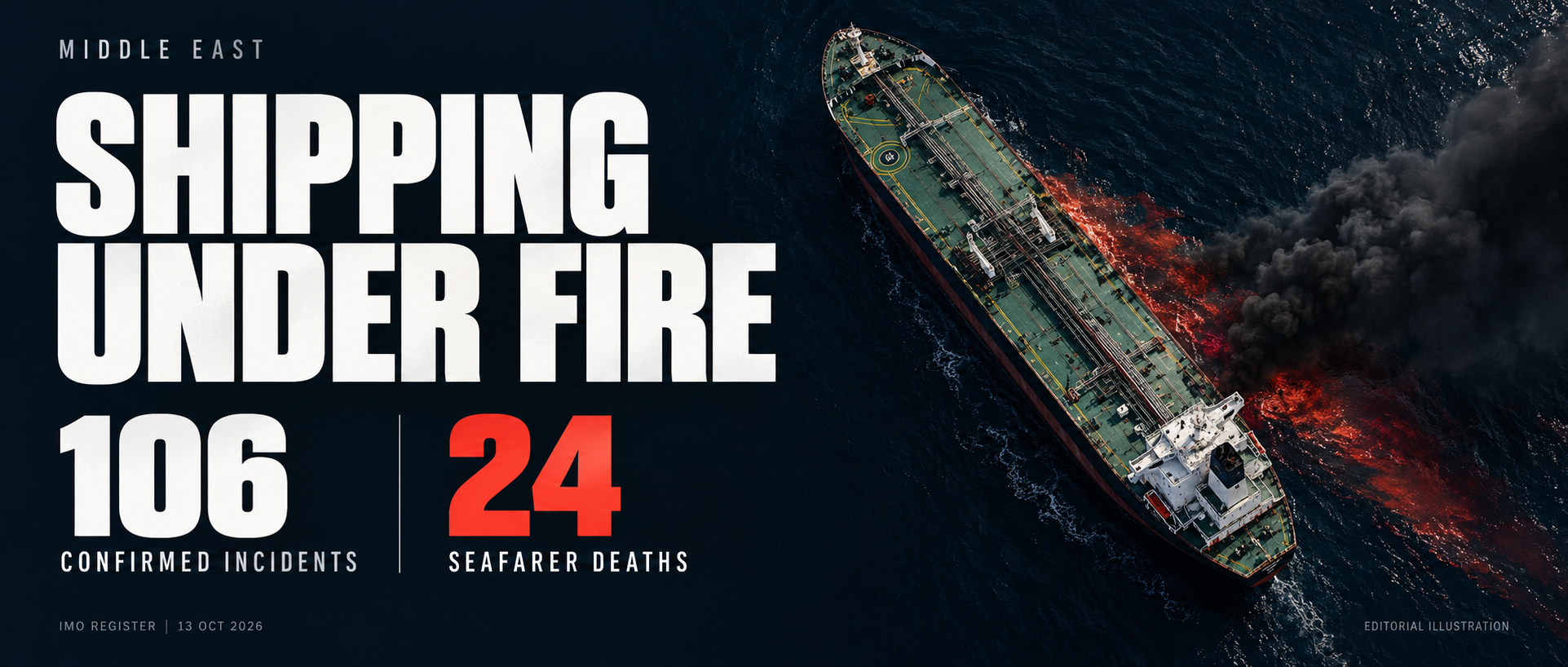
According to the International Maritime Organization, dozens of confirmed security incidents involving merchant ships have occurred across Hormuz and nearby Middle Eastern waters during the conflict, causing seafarer deaths, injuries, fires and vessel abandonments.
Thousands of seafarers have also been affected by ships becoming unable to enter or leave the Gulf safely.
Seafarers do not decide when states go to war. They do not determine the political origin of a cargo, the ports a vessel must call at or the charterparty instructions it receives.
Yet when a vessel is struck by a missile, drone or other projectile, the people on board are the first to face fire, explosion, abandonment and delayed medical assistance.
Some ships have switched off their automatic identification system in high-risk waters to reduce the possibility of being identified and tracked.
Such measures may make deliberate targeting more difficult, but they also weaken the maritime traffic picture available to nearby ships and shore-based authorities. This can increase collision risk and make emergency response and search-and-rescue operations more difficult.
Longer voyages create additional pressures.
Crews may face extended contracts, delayed relief, fatigue, psychological strain and uncertainty over food, water, fuel, medical supplies and spare parts. A route extended by several weeks requires shipmanagers to reorganise almost every part of onboard logistics and crew planning.
Crew willingness is also becoming a direct determinant of effective vessel supply.
A shipowner may have a vessel available. A charterer may have a cargo. An insurer may even agree to provide cover. The voyage still cannot proceed if a qualified crew is unwilling to enter a war-risk area.
Some shipping companies have already offered substantial additional compensation to persuade seafarers to undertake Hormuz voyages. This shows that human availability is becoming as important as vessel availability.
The Fleet Has Not Disappeared, but Effective Capacity Is Contracting
Global fleet capacity is usually measured in vessel numbers, deadweight tonnage or container slots.
Under wartime conditions, those figures no longer provide a complete picture of the market. The more important question is how many voyages each vessel can complete within a given period and how many ships are genuinely available to accept new cargoes.
Waiting, turning back, rerouting, changing ports and conducting ship-to-ship transfers all extend voyage duration.
A tanker forced to add four weeks to avoid Bab el-Mandeb is tied up for almost an extra month. Transporting the same volume of crude therefore requires more ships, while the number of vessels available for new fixtures declines.
When dozens or hundreds of ships are diverted at the same time, the market loses thousands of vessel operating days.
The ships remain in fleet databases, but the capacity available to charterers contracts. That contraction first appears in spot freight rates, war-risk premiums, crew compensation and demurrage, before spreading into the delivered cost of crude oil, refined products, LNG and other commodities.
Shipping has experienced a similar mechanism before.
After the Red Sea crisis forced large numbers of container ships to reroute around the Cape of Good Hope, the global containership fleet continued to expand through new deliveries. Longer voyages nevertheless absorbed a large amount of capacity and delayed the full impact of the expected supply surplus.
The Hormuz crisis is producing a comparable effect in tanker and LNG shipping.
Ships are waiting inside and outside the Gulf. Some owners are refusing to enter high-risk waters. Others require special security arrangements, altered tracking practices or additional crew incentives.
The total number of tankers has not suddenly declined. The number of safe, insurable, compliant and adequately crewed vessels available for immediate employment has.
Conflict can therefore shrink effective global capacity without sinking large numbers of ships.
It does so by extending voyages, reducing vessel productivity and narrowing the areas in which commercial shipping can operate safely.
Gibraltar Matters, but the Cape Carries the Real Diversion Burden
The Strait of Gibraltar has a role in the current rerouting of trade, but it cannot substitute for either Hormuz or Bab el-Mandeb.
Gibraltar connects the Mediterranean with the Atlantic. It is essential for vessels entering or leaving the Mediterranean and for ships that have already passed through the Suez Canal before continuing into the Atlantic.
It could therefore form part of an extreme diversion for Saudi crude loaded at Yanbu.
Such a voyage would run north through Suez, across the Mediterranean, west through Gibraltar, south along the African coast, around the Cape of Good Hope and back into the Indian Ocean.
Gibraltar is indispensable within that particular routing.
For the wider global shipping system, however, the Cape of Good Hope remains the main alternative to the Red Sea and Suez Canal.
Ships sailing between Asia and Northern Europe can round the Cape and proceed directly along the west coast of Africa towards the English Channel and northern European ports. They do not need to enter the Mediterranean or pass through Gibraltar.
Gibraltar becomes critical mainly for Mediterranean destinations or for vessels that are already inside the Mediterranean.
The Cape provides shipping with a final layer of geographical flexibility. It is not a narrow strait that can easily be closed at a single point, and no single coastal state can fully control passage around southern Africa.
That flexibility comes at a substantial price.
Ships must sail thousands of additional nautical miles, consume more fuel, remain employed for longer and produce more emissions. Crews spend more time at sea. Vessels also face difficult weather conditions around southern Africa and require revised arrangements for bunkering, supplies, repairs and crew changes.
Global shipping has not been reduced to a single surviving passage.
Alternative routes remain available, but every alternative is longer, more expensive and more demanding on vessels and crews.
Shipping Is Entering an Era of Security-Based Pricing
In the past, routing decisions were driven primarily by distance, fuel consumption, port costs and freight rates.
The current crisis has introduced a much more complex set of considerations.
Shipowners must assess whether a vessel could become a target. Charterers must consider the political origin of the cargo and the vessel’s previous port calls. Insurers must decide whether the voyage remains coverable. Crews must decide whether they are willing to sail into a war zone.
Charterparties must also determine who bears the cost of diversion, additional insurance, delays, alternative ports and crew compensation.
A sea lane does not have to be completely closed to lose much of its commercial value.
If crews refuse to sail, owners decline orders, charterers cannot accept the liability or insurers withdraw cover, effective traffic through that route can collapse even while the passage remains legally open.
This will change the basis of competition across shipping.
Companies with global fleet deployment capabilities, stable crew pools, strong insurance relationships and experienced shore-based crisis teams will have a stronger ability to perform contracts.
Ships capable of switching between routes, markets and regulatory regimes will also carry greater strategic value.
Ports will be reassessed in the same way. Those able to provide reliable bunkering, water, spare parts, repairs, medical support, crew changes and emergency refuge will become more important as shipping networks are reconfigured.
Energy buyers will also have to include security in their procurement calculations.
A crude grade may appear cheaper at the loading terminal, but its delivered cost can become much higher if it must pass through a heavily contested chokepoint.
Atlantic Basin crude may be geographically more distant from Asia, but its routes may offer greater diversification and fewer single-point security risks.
The broader conclusion is clear:
War has not reduced the headline size of the global fleet. It is reducing the waters in which ships can sail safely, the voyages seafarers are willing to undertake and the capacity the market can actually deploy.
Hormuz remains on the map. Bab el-Mandeb has not disappeared.
Yet an open route on a chart does not necessarily mean that commercial shipping can use it normally.
Every attack raises the danger faced by seafarers. Every diversion consumes additional vessel days. Every insurance reassessment increases the cost of global trade.
Shipping will continue to operate, but the era of short, low-risk and highly predictable routes is fading.
The market will increasingly compete for more than vessels and cargoes.
Ships that can sail safely, seafarers willing to undertake the voyage, and the insurance and shore-based systems capable of supporting them are becoming the industry’s most scarce strategic resources.

READ MORE
 Safety
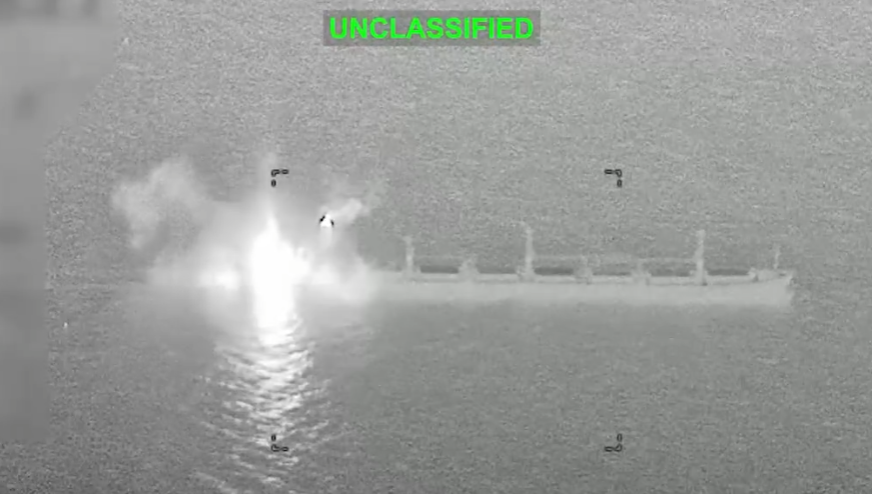
US Says It Disabled Hong Kong-Owned Bulker off Oman
 Safety
Attacked Just 42Days After Delivery: George Prokopiou’s 115,000-Dwt Tanker Hit in Hormuz
 Safety
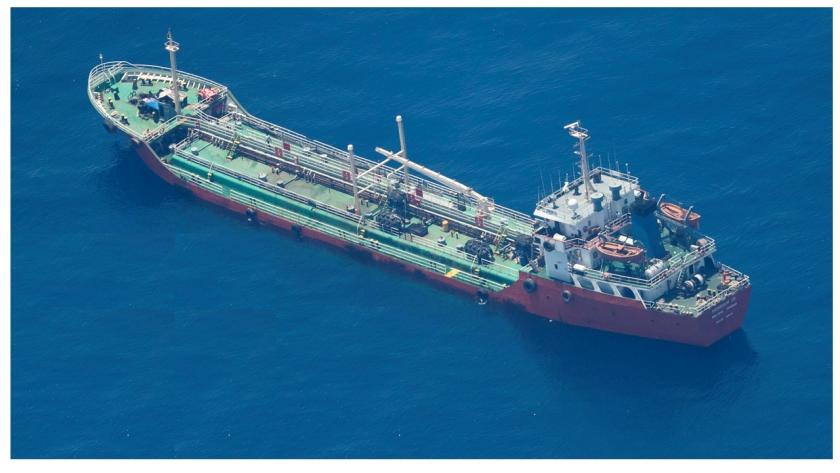
Five Seafarers Reported Dead as Puntland Retakes Hijacked Tanker Honour 25
 Safety
Middle East war leaves mounting toll on merchant shipping
 Safety
China-U.S. Consensus Highlights Free Navigation: No Country or Entity Should Impose Transit Fees on International Waterways
 Safety
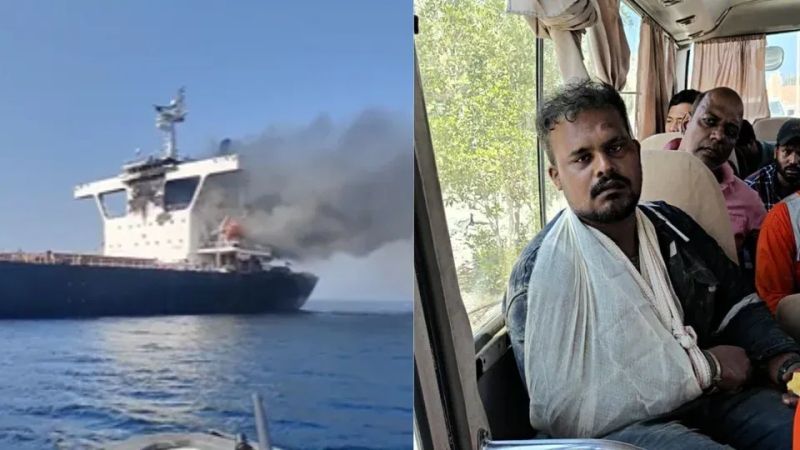
1 seafarer killed, Fatal attack in the Strait of Hormuz: Capesize bulker CAPE DAO hit by unknown projectile
 Safety
25 Crew Abandon MSC Container Ship in the South China Sea — All Rescued, Vessel Still Adrift
 Safety
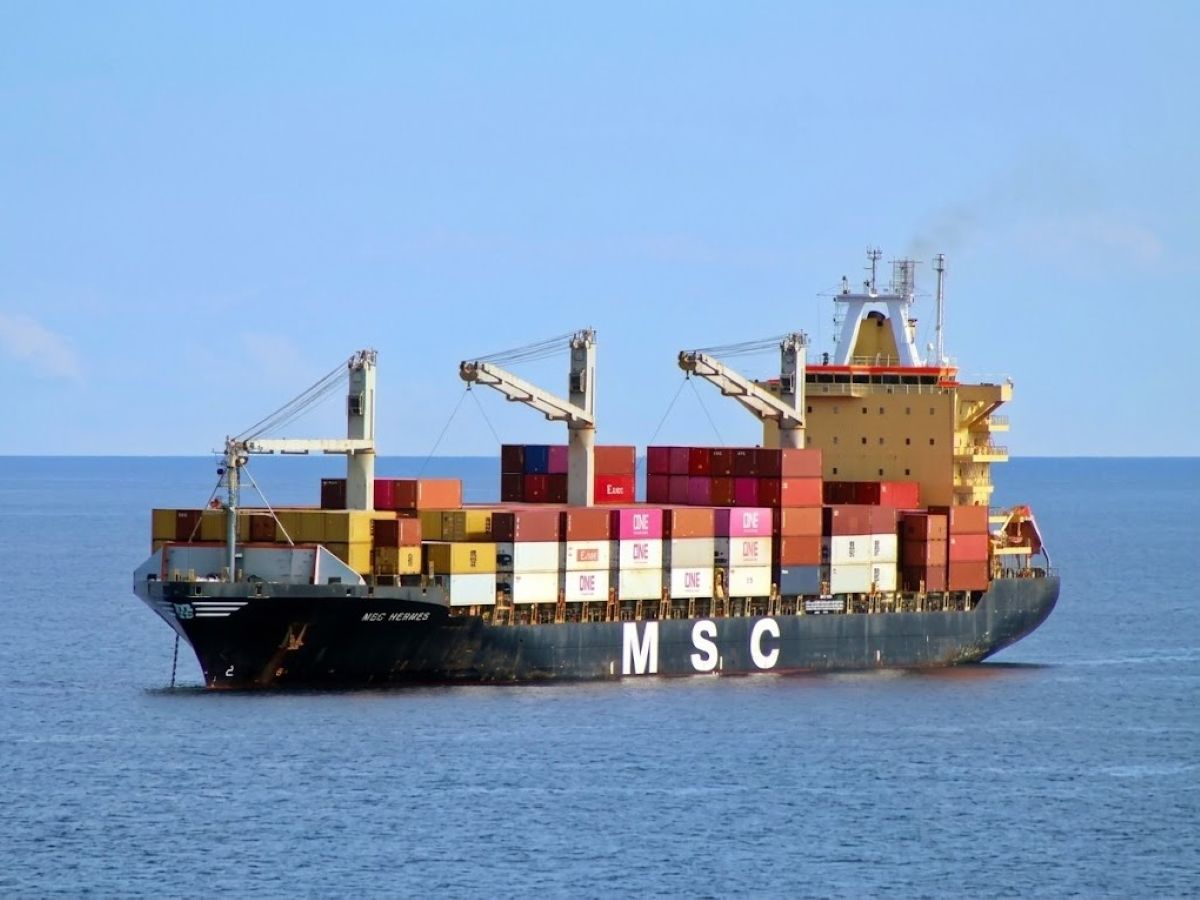
MSC Hermes III Adrift Unmanned in South China Sea After 25 Crew Abandon Ship
 Safety
Dangerous Goods Container Fire Reported at NPCT1 Terminal in Jakarta
 Safety