


After Spending Billions on Tankers, Sinokor Offers Seafarers Six Months’ Pay for One Hormuz Voyage
At least 59 merchant ships have reportedly been attacked and 17 seafarers killed. Tankers worth more than US$100 million can be insured. The people sailing them must confront the danger directly.
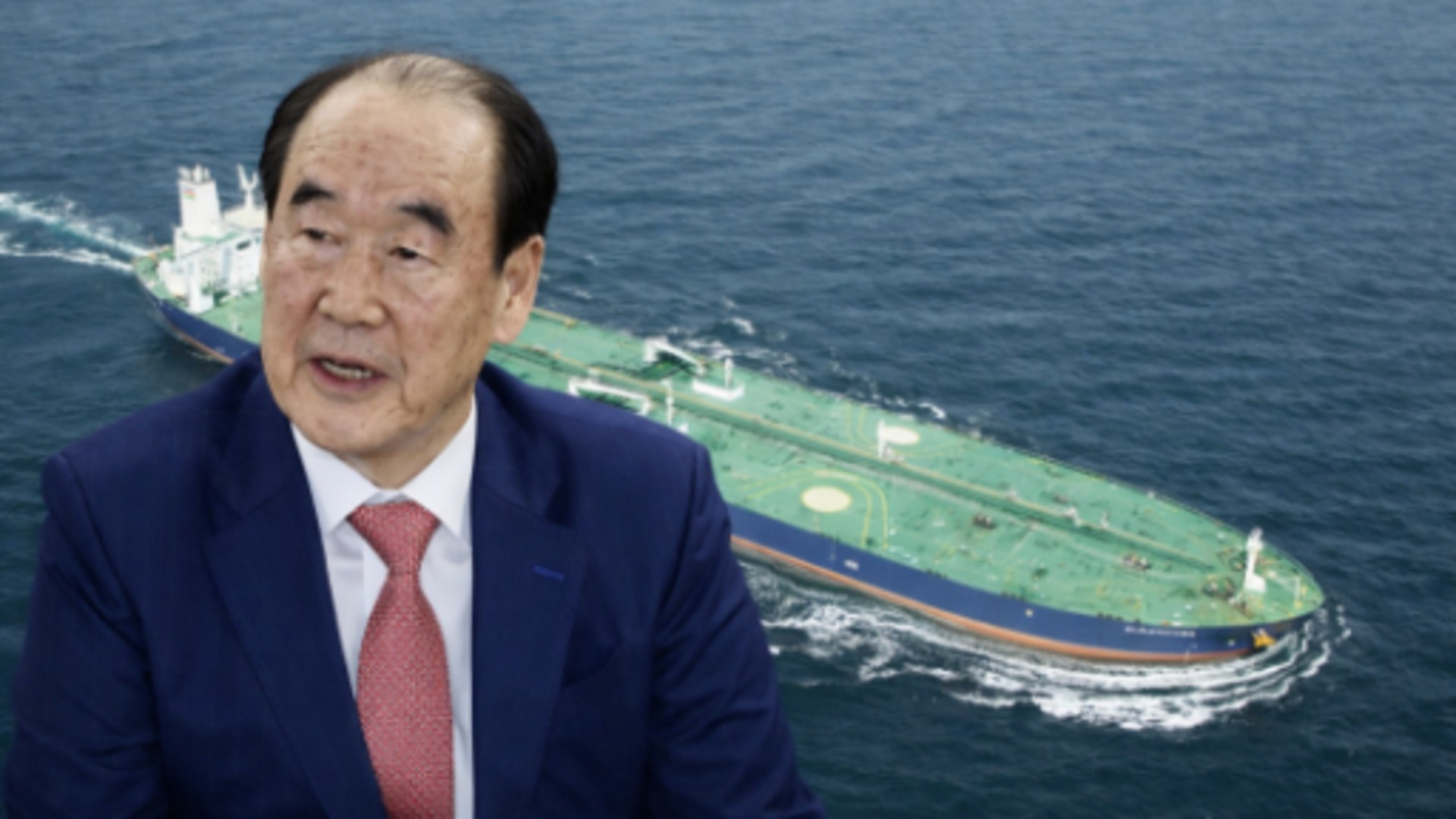

Sail through the Strait of Hormuz once, and receive an additional six months’ salary.
The extraordinary bonus reportedly offered by South Korean shipping company Sinokor Merchant Marine may appear highly attractive.
The assignment behind it, however, involves taking a tanker carrying millions of barrels of crude oil through waters threatened by missiles, drones and unidentified projectiles.
This is not ordinary overtime pay. Nor is it a routine retention bonus.
One Hormuz voyage, six months’ extra pay
According to a document obtained by Bloomberg, Sinokor recently introduced a special incentive for seafarers willing to take tankers through the Strait of Hormuz into the Persian Gulf.
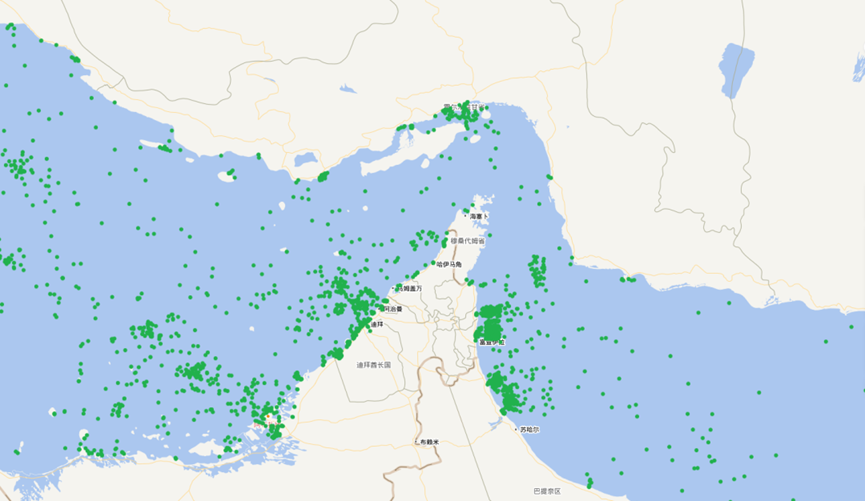
The vessels would load crude oil in Saudi Arabia or Iraq before sailing back through the strait to discharge in the Gulf of Oman.
The round voyage is expected to take about one month.
In practical terms, a seafarer completing approximately 30 days of high-risk operations would receive a bonus equivalent to six months of normal salary.
Based on salary estimates provided by shipping industry sources, a tanker master may earn as much as US$15,000 per month, while a junior support-level seafarer may earn around US$1,500.
On that basis:
A tanker master could receive a special bonus of as much as US$90,000, while a junior crewmember could receive approximately US$9,000.
For many seafarers, such an amount could materially improve their family’s financial position.
The decision they face, however, is far more serious than whether to accept an opportunity to earn additional income.
They must decide whether six months’ salary is enough to justify boarding a tanker that could become a target in one of the world’s most dangerous commercial waterways.
The bonus is exceptionally high because the danger is exceptionally real.
At least 59 merchant ships attacked and 17 seafarers killed
The reason behind Sinokor’s reported offer is straightforward.
The threat surrounding the Strait of Hormuz has moved beyond hypothetical risk and become a pattern of actual attacks.
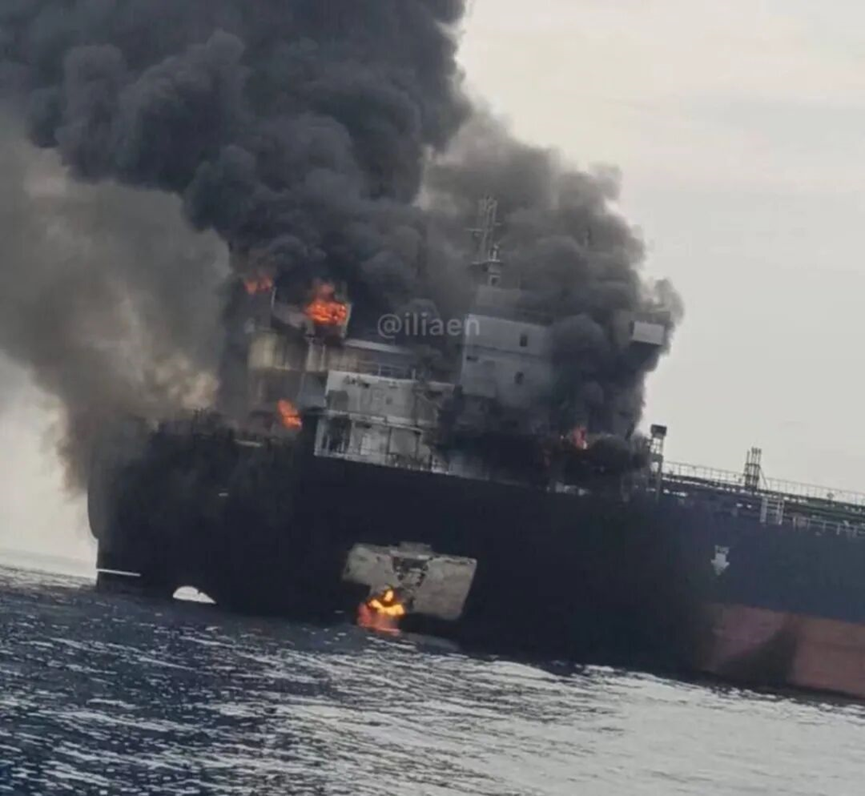
According to figures cited by Bloomberg from international maritime sources, at least 59 merchant vessels have reportedly been attacked in and around the Persian Gulf since the escalation of hostilities in late February, with 17 seafarers killed.
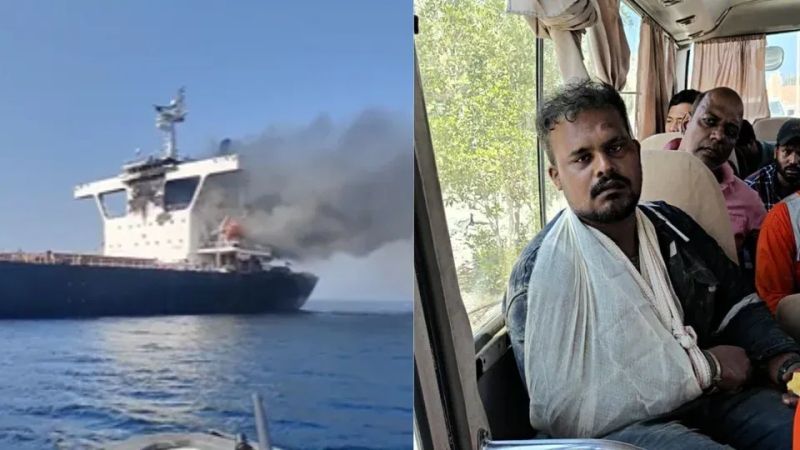
Recent incidents have included tankers and bulk carriers being struck by unidentified projectiles, engine-room fires and crews being forced to abandon ship.
Behind every statistic is a vessel that was genuinely hit—and seafarers who did not return home.
For those calculating voyage economics ashore, a single Hormuz transit may generate millions of dollars in revenue.
For those onboard, one missile, drone or projectile could turn the voyage into their last.
The shipowner calculates voyage returns. The seafarer carries the immediate physical risk.
Even six months’ pay is not enough for everyone
Despite the size of the reported bonus, some seafarers have still refused to enter the high-risk area.
Some have requested to leave their vessels. Others have asked to be replaced.
Their reluctance is understandable.
If a tanker is struck, the crew may face an explosion, fire, toxic smoke, loss of electrical power, propulsion failure, abandonment and an extended wait for rescue.
A large oil tanker carries enormous quantities of flammable cargo. Damage to the engine room, deck piping or cargo-handling systems could rapidly turn a limited strike into a major maritime disaster.
Even after successfully abandoning ship, seafarers may remain exposed to extreme heat, rough seas and continuing security threats while waiting for assistance far from shore-based rescue services.
Sinokor’s reported six-month bonus therefore resembles a price placed on exposure to armed attack.
The larger the incentive, the clearer it becomes that this voyage lies far outside normal commercial shipping risk.
After spending billions on VLCCs, Sinokor is entering one of shipping’s most dangerous markets
The attempt to mobilise crews with exceptional financial incentives comes after Sinokor’s aggressive expansion in the tanker market.
During 2026, the South Korean shipping group reportedly spent billions of dollars acquiring second-hand very large crude carriers, rapidly establishing one of the world’s largest commercially controlled VLCC fleets.
Veson Nautical previously reported that Sinokor was linked to 35 of the 45 VLCC sale-and-purchase transactions completed in the opening period of 2026—approximately 78% of the total.
Reuters also reported, citing brokers and industry sources, that Sinokor controlled around 78 VLCCs trading in the spot market and could soon expand that number to at least 88, with the fleet potentially exceeding 100 vessels.
In the asset market, Sinokor demonstrated what substantial capital could achieve.
With a sufficiently high bid, ships can be purchased.
Once those vessels are ordered into the Strait of Hormuz, however, a different set of questions emerges:
Who is willing to stand on the bridge?
Who will remain in the engine room?
Who will report to the fire station when the alarm sounds?
Who is prepared to take a US$100 million tanker through a conflict zone knowing they may not return home?
High-risk voyages can also generate exceptional earnings
The security crisis has discouraged many shipowners from sending vessels into the Persian Gulf, making tankers capable of passing through Hormuz increasingly scarce.
Sinokor has reportedly deployed several VLCCs on crude-oil shuttle operations between loading ports inside the Persian Gulf and discharge or transfer locations in the Gulf of Oman.
Some vessels have reportedly sailed at night, travelled in groups or followed routes closer to the Omani coast in an effort to reduce their exposure.
According to vessel-tracking estimates cited from Kpler and Vortexa, Sinokor-controlled tankers carried an average of at least 680,000 barrels per day of crude exports from the United Arab Emirates from April, with the figure reportedly rising to around 1.4 million barrels per day in June.
At least 10 Sinokor-linked tankers were said to have participated in such high-risk shuttle operations.
Brokers estimated that operations involving only three tankers since mid-April may have generated between US$60 million and US$120 million in revenue.
War-related freight premiums for tankers entering the Persian Gulf have reportedly reached three to four times their pre-conflict levels.
From a purely financial perspective, paying an entire VLCC crew a six-month salary bonus may represent only a limited share of the revenue generated by a single high-risk voyage.
For the people onboard, the calculation is fundamentally different.
The shipowner puts up the bonus. The seafarer puts life and safety at risk.
The ship can be insured. A life cannot be replaced
A modern VLCC may be worth more than US$100 million. Its cargo may carry a similar or even greater value.
The hull, machinery and cargo can all be insured.
If a tanker is attacked, some of the financial loss may be distributed through hull and machinery cover, war-risk insurance, protection and indemnity insurance and contractual arrangements.
The human risk cannot be removed through financial engineering.
A damaged ship can be repaired.
A lost ship can eventually be replaced.
Cargo losses may be compensated.
When a seafarer loses their life, no insurance payment or special bonus can return that person to their family.
This is why some seafarers continue to refuse such voyages even when offered six months’ additional income.
Their refusal should not be interpreted as a lack of courage.
It reflects a clear understanding that they are being asked to confront missiles, drones, explosions and fires—not the ordinary hazards of commercial navigation.
A large bonus cannot replace informed consent
Every seafarer has the right to know where the vessel will operate, what attacks have recently occurred, what security measures have been arranged and whether effective rescue support will be available in an emergency.
Those who do not wish to enter a war-risk area must retain a genuine right to refuse or leave the vessel.
They should not face dismissal, demotion, withheld wages, blacklisting or other indirect penalties for declining a voyage through an active conflict zone.
A high bonus must also not become a reason to minimise the danger, shorten the decision-making period or pressure seafarers into accepting an assignment.
For those who do agree to sail, shipowners should provide comprehensive war-risk protection, additional personal insurance, clear death and disability compensation, emergency evacuation plans, medical support and effective communication arrangements for their families.
Additional pay may compensate for part of the financial risk. It cannot guarantee that the tanker will not be attacked—or that every seafarer will return home.
Conclusion
At the beginning of 2026, Sinokor used its financial strength to acquire dozens of VLCCs and build one of the largest supertanker fleets in the market.
Only months later, it is reportedly offering seafarers six months’ additional pay to accept voyages through the Strait of Hormuz.
The situation exposes the harshest side of high-risk shipping.
Exceptional freight rates may allow a shipowner to recover billions of dollars invested in tanker assets. A single voyage through a conflict zone may generate millions of dollars.
Yet every dollar of that revenue ultimately depends on a full crew physically taking the vessel through waters threatened by missiles and drones.
On a financial statement, six months’ additional pay is a voyage expense.
For seafarers and their families, it represents a decision in which personal safety—and potentially life itself—is at stake.
Sinokor can purchase more VLCCs. It can also use substantial bonuses to persuade some seafarers to accept the assignment.
But a tanker worth more than US$100 million can be replaced. A lost life cannot.
Six months’ pay may indicate the level of danger attached to the voyage. It can never represent the value of a human life.

READ MORE
 Safety
US Says It Disabled Hong Kong-Owned Bulker off Oman
 Safety
Attacked Just 42Days After Delivery: George Prokopiou’s 115,000-Dwt Tanker Hit in Hormuz
 Safety
Five Seafarers Reported Dead as Puntland Retakes Hijacked Tanker Honour 25
 Safety
Middle East war leaves mounting toll on merchant shipping
 Safety
China-U.S. Consensus Highlights Free Navigation: No Country or Entity Should Impose Transit Fees on International Waterways
 Safety
1 seafarer killed, Fatal attack in the Strait of Hormuz: Capesize bulker CAPE DAO hit by unknown projectile
 Safety
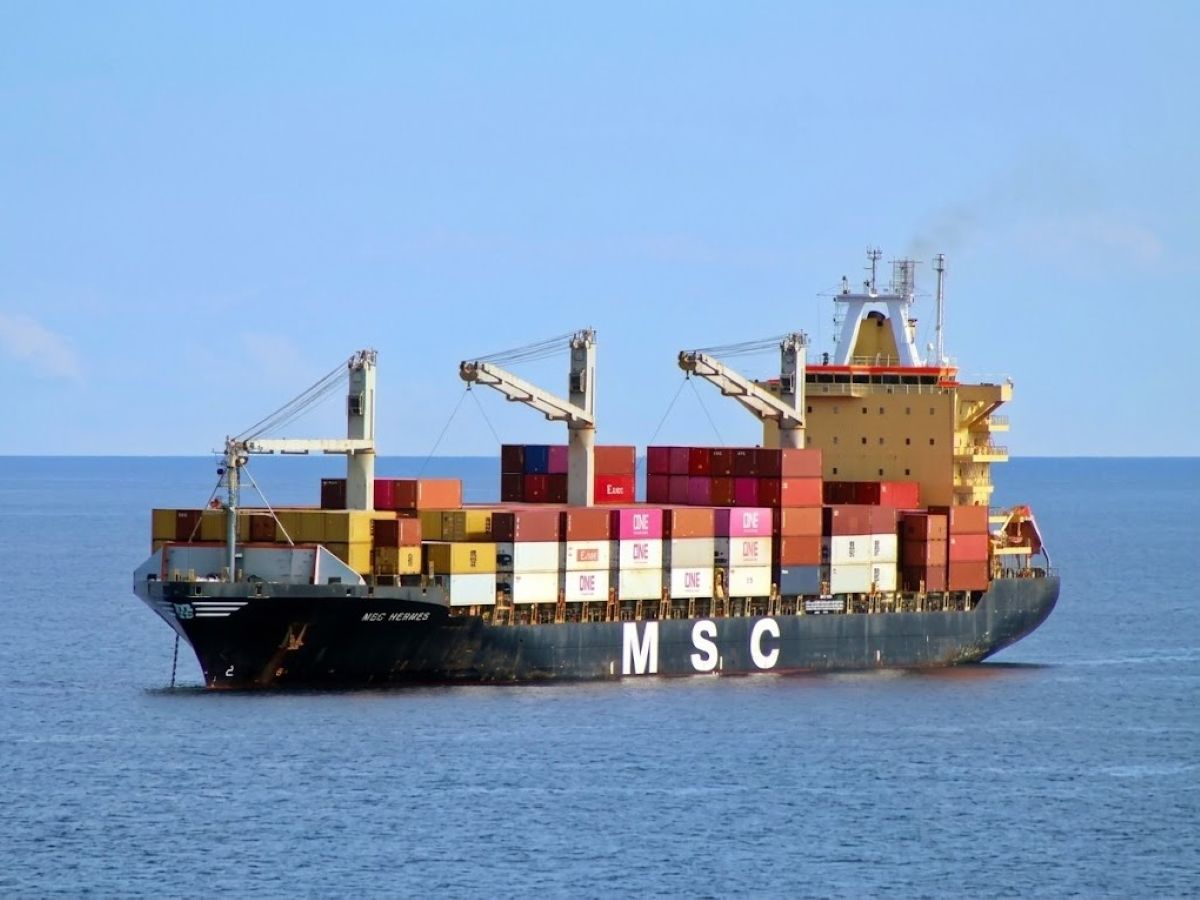
25 Crew Abandon MSC Container Ship in the South China Sea — All Rescued, Vessel Still Adrift
 Safety
MSC Hermes III Adrift Unmanned in South China Sea After 25 Crew Abandon Ship
 Safety
Dangerous Goods Container Fire Reported at NPCT1 Terminal in Jakarta
 Safety