


UK day in Shanghai: Shipping Leaders Urge Closer UK–China Cooperation on Safety and Decarbonisation


China’s fleets, ports and shipyards offer a basis for closer cooperation with UK maritime services. Speakers at Shanghai’s UK Day stressed that investment also depends on consistent international rules and early engagement with regulators.
SHANGHAI — Shipping industry and regulatory leaders called for closer UK–China cooperation on safe operations, cleaner ships and maritime technology in their opening addresses at UK Day on 21 October 2026.
Their remarks connected the commercial opportunities between China’s maritime industries and UK professional services with the conditions needed to develop projects: predictable regulation, access to finance and technical cooperation that incorporates safety from the outset.
The event, convened by Maritime London, took place at the Shanghai International Convention Center as part of Shanghai Pudong International Shipping Week 2026.
Consistent rules underpin investment
John Denholm, chairman of the International Chamber of Shipping (ICS), placed those commercial opportunities within the wider challenge of maintaining reliable international shipping.

Geopolitical tensions were affecting major maritime routes and complicating operating decisions, he said. Disruption to safe and efficient shipping could spread through supply chains, raising trade costs ultimately borne by businesses and consumers.
Denholm emphasised freedom of navigation and the consistent application of international rules. Shipowners needed predictable standards for safety, security and environmental performance, while diverging regional requirements risked adding complexity to operations across jurisdictions.
He highlighted the International Maritime Organization (IMO) as the global forum through which governments could agree common rules.
That predictability also mattered for decarbonisation. Denholm linked the transition to changes in energy systems, infrastructure, technology and financing, requiring coordination among governments, ports, shipping companies, energy suppliers and investors.
He argued that the UK and China had a shared interest in stable maritime trade. UK capabilities in maritime law, arbitration, insurance, finance and technology, combined with China’s maritime industrial capacity, provided a foundation for practical cooperation.
Bring regulators into projects early
Lars Lippuner, director of UK Customer Maritime Services at the Maritime and Coastguard Agency (MCA), focused on how government and regulatory services could help businesses move from ideas to implementation.

He said governments should provide regulatory clarity and predictability, support infrastructure and skills, and reduce unnecessary burdens on responsible investment and innovation.
For companies introducing new technologies, digital systems or operating models, his central message was to engage regulators early and incorporate safety into design and implementation.
Early discussions allow businesses to understand the requirements relevant to their proposals, while giving regulators the opportunity to assess technical evidence alongside the realities of ship operations.
Lippuner also outlined the role of the UK Shipping Concierge in helping international businesses and investors navigate the UK maritime sector. The government service connects companies seeking to work in or with the UK to relevant departments and expertise, including help with investment barriers.
He said the test of UK–China cooperation would be its ability to turn shared ambitions into practical partnerships and measurable improvements in safety and environmental performance.
Connecting Chinese maritime demand with UK expertise
Hui Chen, executive deputy secretary general of the China Shipowners’ Association, identified complementary capabilities across the two countries’ maritime sectors.

He pointed to China’s large fleet, major port clusters and extensive shipbuilding industry, alongside its work on alternative fuels, smart ships and global supply chains. The UK, he said, brings experience in maritime arbitration, shipping finance, technical standards and maritime regulation.
The potential areas of cooperation reflect changes already confronting shipowners. Chen said alternative fuels, improved vessel efficiency and associated regulatory mechanisms were reshaping ship design, operations and financing.
Digitalisation, artificial intelligence and smart shipping also offered opportunities to improve efficiency, identify operational risks and support decision-making.
He called for closer coordination among businesses, regulators, financial institutions and technology providers to turn these opportunities into practical projects. The China Shipowners’ Association would continue working with Maritime London and other partners to support bilateral maritime cooperation, he said.


READ MORE
 Sustainability
IMO Chief Defends Net Zero Ambition in Shanghai as Shipping Awaits Clearer Rules
 Sustainability
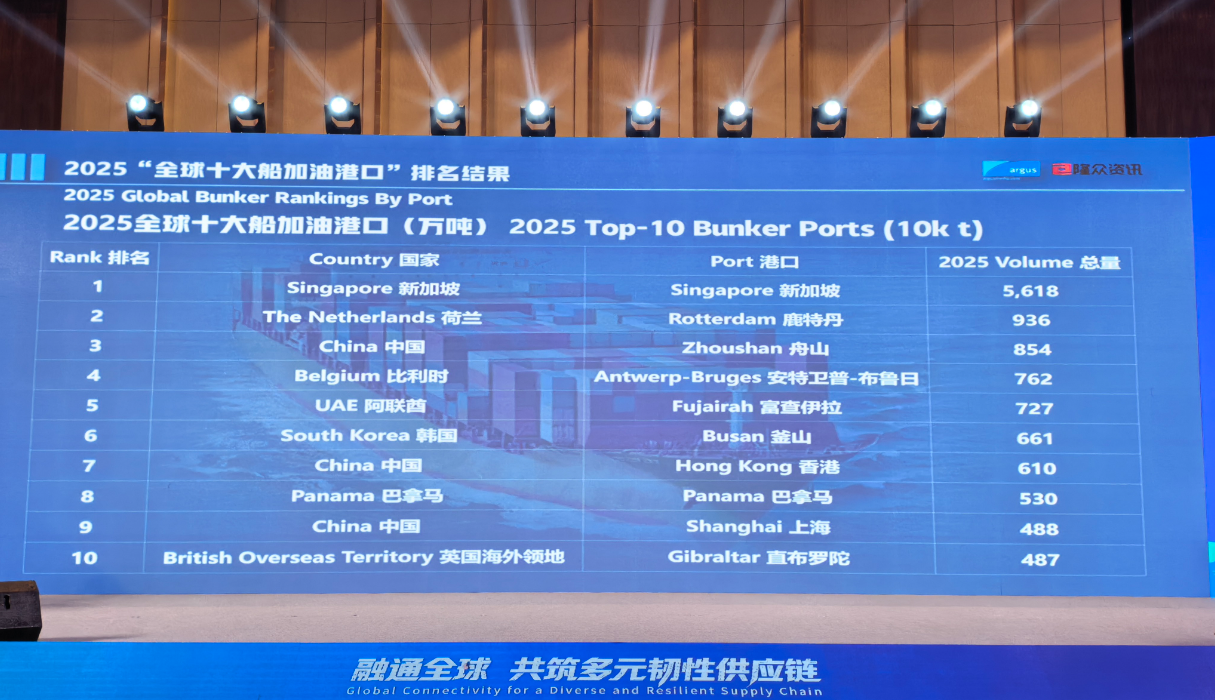
Zhoushan Overtakes Fujairah to Become World's Third-Largest Bunkering Port
 Sustainability
Shiptec China 2026.10.28-10.30 |Invitation of Green Energy for a Smart Future – Forum on New Energy Ship Technology and Ecosystem
 Sustainability
MI and Green Marine Partner to Strengthen Methanol Safety and Crew Training
 Sustainability
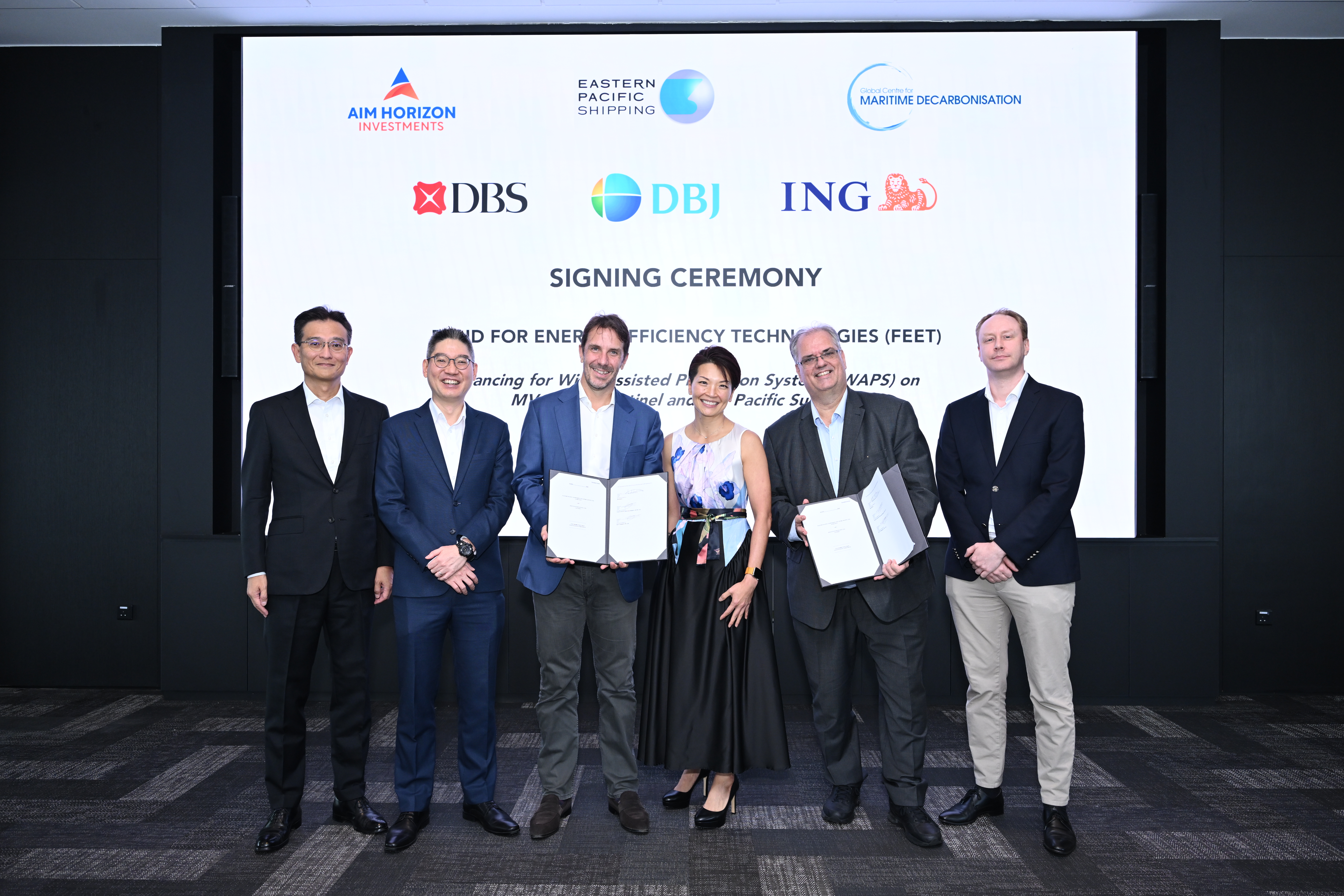
EPS Secures First FEET Financing for Two Wind-Assisted Vessels
 Sustainability
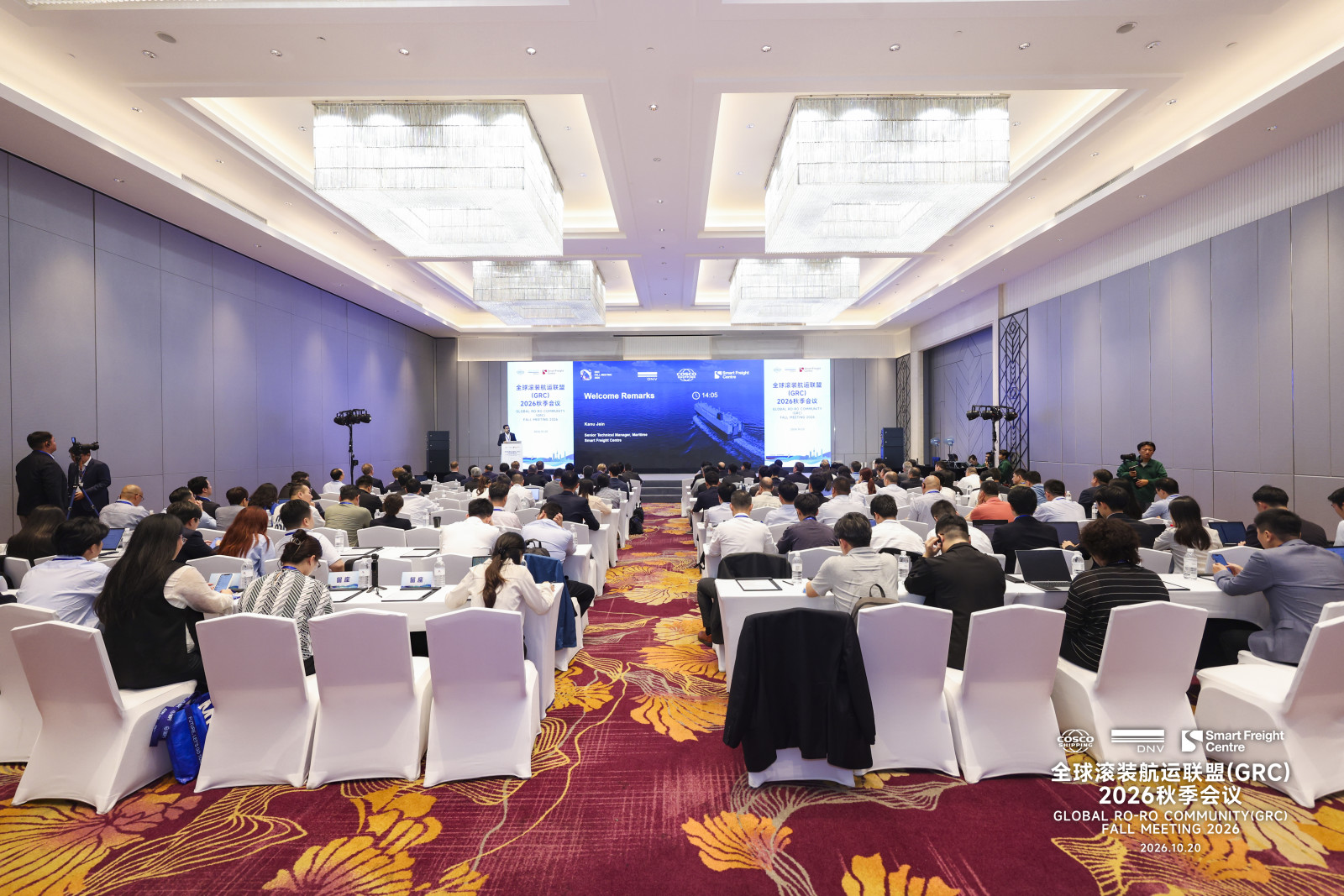
Car Carriers Face Fuel Supply and Emissions Accounting Challenges
 Sustainability
5,000 Tonnes: Maersk Completes World’s Largest Ethanol Bunkering in Singapore
 Sustainability
PetroChina Expands Multi-Fuel Bunkering in Singapore
 Sustainability
MPA, CMA CGM and SLNG Join Forces on Bio-LNG Bunkering
 Sustainability