


Global Newbuilding Orderbook Matches 2008 Peak as Clarksons Flags Faster Fleet Growth

The global newbuilding orderbook has matched its 2008 peak in absolute size, as shipping’s exceptionally strong cash generation supports another wave of fleet investment, according to Stephen Gordon, managing director and global head of Clarksons Research. The industry is committing capital to vessels that will expand transport capacity, replace ageing ships and meet changing fuel and efficiency requirements.
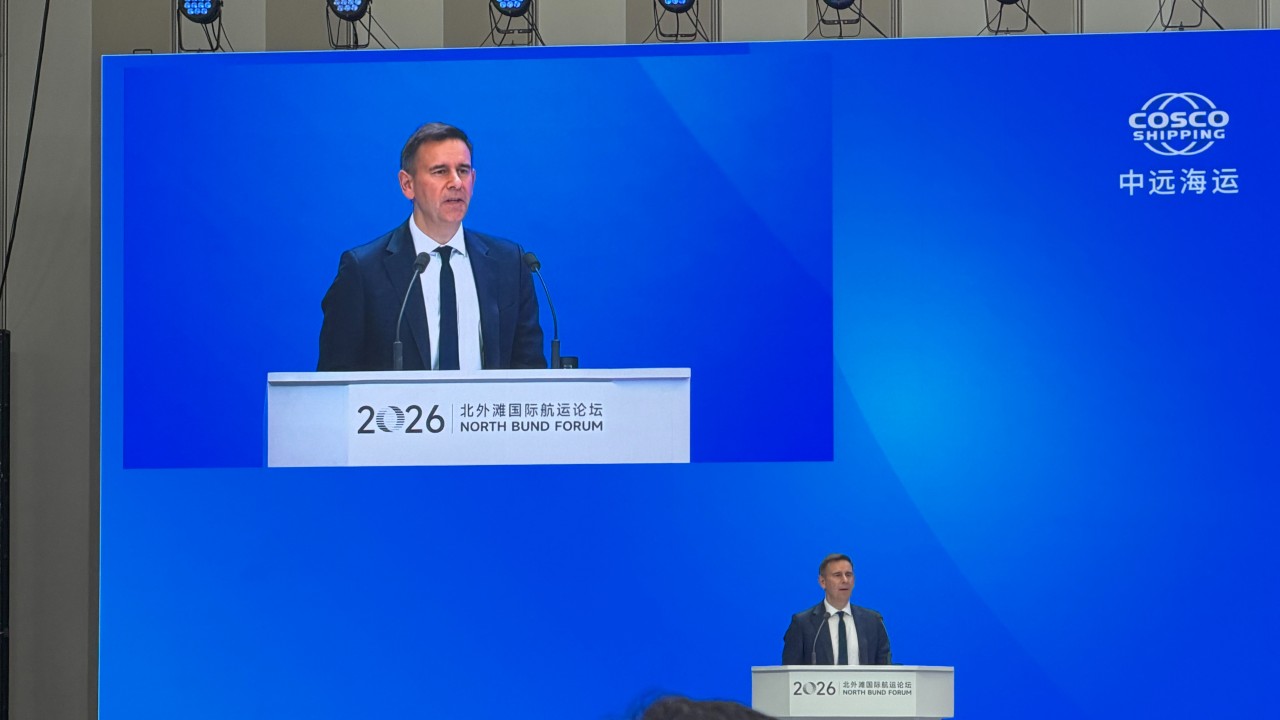
Speaking at the 2026 North Bund International Shipping Forum in Shanghai on 20 October, Gordon highlighted a substantial difference between the two investment cycles: today’s orderbook represents around 22% of the existing fleet, compared with approximately 52% in 2008. Nevertheless, annual fleet growth could accelerate to 5–6%, while the world fleet is projected to reach 2 billion gross tonnes by the end of 2028. The delivery programme will increasingly influence how shipping’s current earnings strength translates into future market conditions.
Strong cash generation funds the next fleet
Gordon described shipping as experiencing the strongest cash-generating cycle in its history. Container shipping had just completed its most profitable five-year period, LPG and crude oil shipping had performed strongly, and the dry bulk market in 2026 had performed better than previously expected. Conditions vary between sectors, but the industry’s accumulated cash provides considerable scope for investment.
That capital is serving several objectives. Owners are seeking additional capacity, greater operational flexibility and better vessel efficiency, while preparing for changing customer requirements and the energy transition. In Gordon’s assessment, the industry is investing its earnings in a more resilient and greener fleet. Those decisions will shape the vessels available to charterers and cargo owners for many years.
The market effects will emerge over time. Earnings support orders, construction converts those commitments into ships, and deliveries add capacity under conditions that may differ from those prevailing when the contracts were signed. Assessing the investment cycle therefore requires close attention to the relationship between delivery schedules, trade growth, voyage distances, vessel productivity and the retirement of older ships.
Longer voyages increase the demand for capacity
Gordon also pointed to continuing growth in shipping demand. Global seaborne cargo volumes have added approximately 1 billion tonnes during this decade, while average transportation distances have increased by around 10%. Annual seaborne trade is projected to reach 13.5 billion tonnes by 2030. China remains the largest single market, with its imports accounting for roughly a quarter of global seaborne cargo volumes.
Distance matters because the same cargo requires more vessel time when it travels further. Pandemic-related disruption, geopolitical conflict and drought affecting the Panama Canal have altered routes and fleet deployment. Changes in voyage length and port efficiency can therefore materially affect the capacity required to move a given volume of trade.
This helps explain the strength of some shipping markets during a period of repeated disruption. Ships can be redeployed and routes adjusted to maintain cargo flows, while longer voyages and operational delays absorb capacity. One implication for the investment outlook is that owners must assess how much of this additional demand for vessel time will persist as new ships arrive.
A larger orderbook serves a much larger fleet
The return to the 2008 orderbook peak is significant, but the fleet against which those orders are measured has expanded substantially. The difference between today’s 22% orderbook-to-fleet ratio and the approximately 52% recorded in 2008 means outstanding orders represent a much smaller proportion of the existing fleet, despite the record absolute size of the construction programme.
The current investment cycle also encompasses a larger fleet’s replacement requirements and a broader range of technical and commercial needs. Some ships will support expansion, others will replace older tonnage, and others will serve changing trade patterns or fuel requirements. The market impact depends on where those vessels will operate and when they become available.
A lower aggregate ratio still leaves room for delivery pressure in individual sectors. Concentrated deliveries can affect a particular vessel category even when the overall orderbook appears manageable relative to the global fleet. Gordon’s projected acceleration in fleet growth places greater emphasis on the years in which orders become operating capacity.
Deliveries and productivity will shape the next supply balance
The fleet outlook through 2028 brings two sources of potential capacity growth into focus. New vessels will enter service, while changes in operating conditions could make the existing fleet more productive. Continued growth in cargo volumes and voyage distances would support the absorption of deliveries. Improved access to shipping routes or faster port turnaround could instead reduce the vessel time needed to perform existing transport work.
In that second scenario, the market would have to accommodate newly delivered ships alongside capacity released by better fleet utilisation. This is an implication of the supply-and-demand framework set out in Gordon’s presentation: the eventual easing of disruption can change the market balance just as significantly as the disruption itself.
Shipping has demonstrated considerable flexibility in maintaining trade through successive shocks. The coming investment cycle will also test how owners respond when routes, port operations and deployment requirements change again. Freight earnings and utilisation will depend on how those adjustments coincide with the delivery programme.
An ageing fleet creates replacement needs
Gordon’s presentation also showed an increase in average fleet age from approximately nine years to around 13 years. Fleet expansion and ageing are occurring together, giving newbuilding investment a substantial renewal role alongside its contribution to additional capacity.
The future employment of older vessels will influence the net supply outcome. Maintenance, surveys, efficiency requirements and emissions performance affect owners’ decisions on continued operation, upgrades, sales and retirement. Replacement demand provides a basis for investment, while the timing of older ships’ withdrawal will help determine how quickly deliveries translate into net fleet growth.
This makes the composition of the construction programme important. A delivery replacing an existing ship has a different supply effect from one entering a new service or expanding an established fleet. Tracking deliveries alongside vessel retirements and technical competitiveness will provide a clearer picture of the capacity available to the market.
China anchors the shipbuilding expansion
Gordon identified China’s central role in the global fleet investment programme. Chinese yards account for around 60% of newbuilding deliveries in 2026, he said, with Chinese shipbuilding capacity continuing to expand and expected to reach a new high in 2027. Capacity elsewhere has contracted significantly.
Chinese yards’ production schedules, equipment supply and project execution are consequently major factors in the outlook for global fleet growth. The ships being built will also establish much of the next fleet’s fuel capability and efficiency performance. Owners’ capital allocation and shipyards’ delivery capacity are closely connected: investment commitments will become transport assets through the construction programme now under way.
Fuel infrastructure remains part of the investment equation
Gordon said shipping’s decarbonisation investment was continuing despite regulatory uncertainty. LNG has become a major alternative-fuel choice for large containerships and car carriers, while energy-saving technologies offer both emissions reductions and fuel-cost benefits. Environmental performance and operating economics are increasingly being considered together in vessel investment decisions.
Shore-side infrastructure remains an important constraint. Gordon put the proportion of ports with alternative-fuel bunkering capability at around 5%, indicating substantial work ahead on the supply network required to support the changing fleet. Vessel technology must develop alongside fuel production, transportation, storage and bunkering.
For owners, these connections extend the investment decision beyond the ship’s specification and delivery date. Efficiency improvements can reduce energy requirements, while alternative-fuel capability needs dependable supplies and suitable operating infrastructure. Coordination among shipping companies, energy suppliers and ports will influence deployment options and the commercial performance of the new fleet.
Gordon framed the market around growth, complexity and disruption. The industry has the cash to invest, continuing trade demand and a significant renewal requirement. As deliveries accelerate towards 2028, the returns on that investment will increasingly depend on how fleet growth aligns with cargo flows, vessel productivity, older tonnage leaving service and the availability of future fuels.


READ MORE
 Shipbuilding
MISC Signs for Five More LNG Carriers at Hudong-Zhonghua
 Shipbuilding
Another Chinese Bridge Builder Moves Into Shipbuilding
 Shipbuilding
Amid China’s Shipbuilding Boom, a State-Owned Yard Quietly Enters Liquidation
 Shipbuilding
COSCO SHIPPING Bulk Leads Order for 16 New 87,000-DWT Multipurpose Grain Carriers
 Shipbuilding
Yichang Changyun plans RMB120m inland bulker programme
 Shipbuilding
Steel Giant Shagang Eyes Shipbuilding as a Booming Market Draws Industrial Capital
 Shipbuilding
Hengli Secures 12 Tanker Orders, Retaining World’s Largest VLCC Orderbook
 Shipbuilding
Hengli Signs 11 VLAC Contracts in One Week
 Shipbuilding
China ZWI Enters Ocean Shipping with VLGC Acquisition and Chemical Tanker Newbuild Project
 Shipbuilding