


Yantian and Felixstowe Sign Green Shipping Corridor Cooperation Initiative
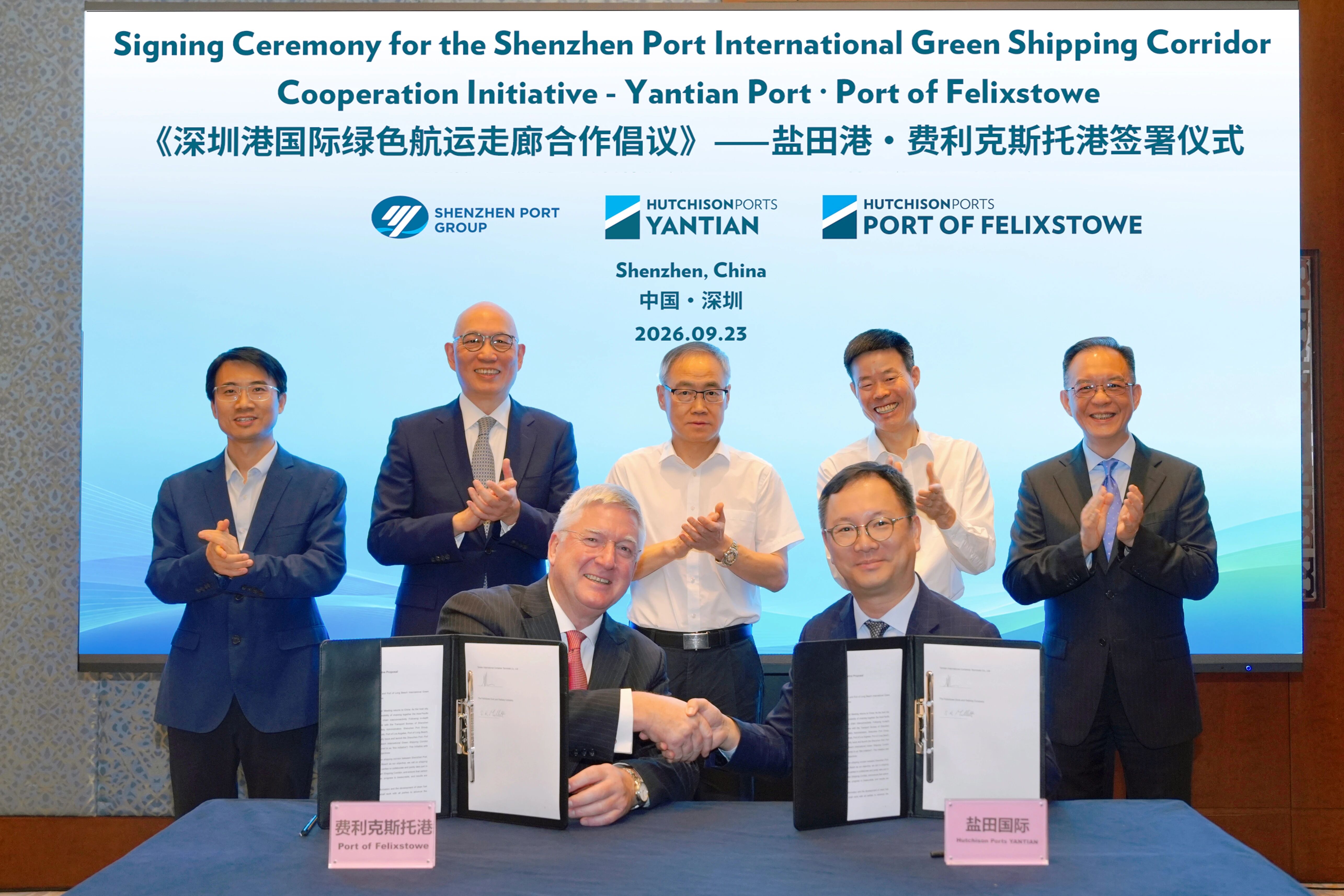

Yantian International Container Terminals and the Port of Felixstowe have signed a cooperation initiative to develop a green shipping corridor between Shenzhen and the UK, extending Shenzhen Port’s green shipping network from the Asia-Pacific region to Europe.
The signing ceremony for the Shenzhen Port International Green Shipping Corridor Cooperation Initiative was held in Shenzhen on September 23, 2026.
Guanhao Lin, Commercial and Administration Director of Yantian International, and Simon Mullett, Finance Director of the Port of Felixstowe, signed the initiative on behalf of the two ports.
The ceremony was witnessed by representatives from the Shenzhen Municipal Transport Bureau, Shenzhen Maritime Safety Administration and Shenzhen Port Group.
The agreement marks a further step in Shenzhen’s efforts to build international green shipping corridors and strengthen cooperation with major overseas container hubs.
Under the initiative, Yantian and Felixstowe will deepen cooperation in areas including port energy transition, clean marine fuel infrastructure, near-zero-carbon port development, emissions reduction and sustainable supply chains.
The two sides also plan to strengthen exchanges on technical standards and explore ways to make emissions reduction pathways more measurable, traceable and verifiable.
Jing Guo, Director of the Yantian Maritime Safety Administration, said Shenzhen’s maritime authorities have been supporting the development of the corridor through clean-fuel bunkering infrastructure, regular LNG bunkering operations and demonstration projects involving green methanol.
Work is also under way to study evaluation standards for green shipping corridors.
Guo said the Yantian-Felixstowe route combines two mature hub ports with established Asia-Europe cargo flows, providing a practical foundation for moving green corridor cooperation from policy discussions towards commercial implementation.
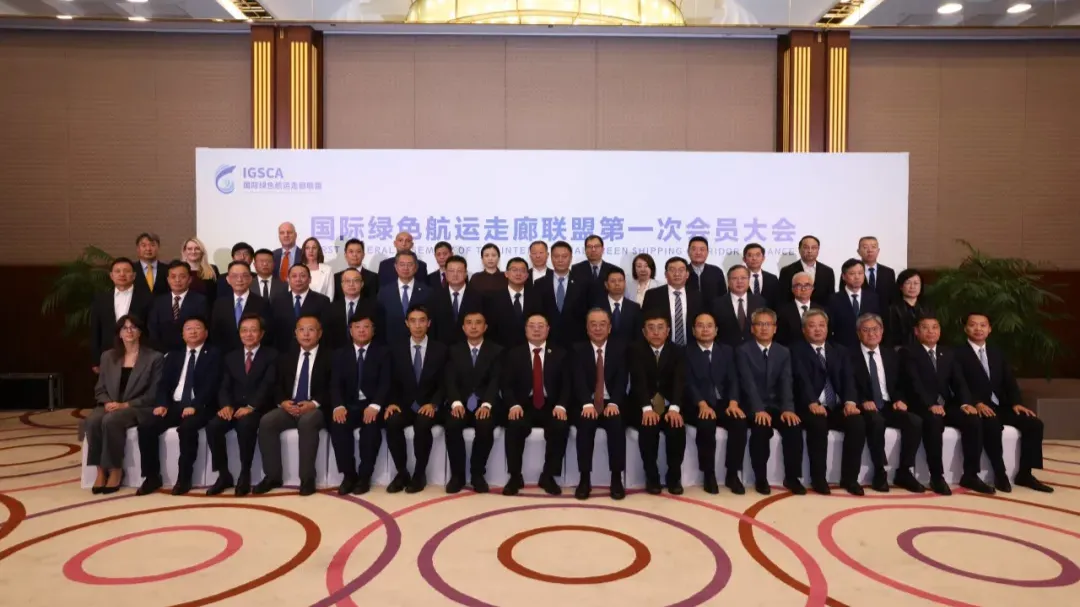
Yantian International Managing Director Patrick Lam said the agreement followed the establishment of the International Green Shipping Corridor Alliance in Beijing a day earlier.
Yantian International is one of the alliance’s founding members. The alliance brings together 45 companies from 12 countries and is intended to promote cooperation on the decarbonisation of international shipping.
“The signing is a practical step to advance international green shipping corridor development and deepen cooperation among multiple stakeholders,” Lam said.
Hutchison Ports Executive Director and Managing Director for Europe Clemence Cheng said the agreement represents a new stage in cooperation between the two ports, expanding their relationship beyond traditional shipping connectivity into green development, standards and joint implementation.
From Asia-Pacific to Europe
The latest agreement follows another green shipping initiative launched by Shenzhen earlier this year.
In July, during the 2026 Shenzhen Port International Supply Chain High-Quality Development Conference, Yantian International signed a port cooperation agreement with 16 ports from 10 APEC economies.
At the same event, the Shenzhen Municipal Transport Bureau, Shenzhen Maritime Safety Administration, Shenzhen Port Group, the Port of Los Angeles, the Port of Long Beach and Yantian International jointly launched the Shenzhen Port International Green Shipping Corridor Cooperation Initiative.
The partnership with Felixstowe now extends that network to one of Europe’s major container gateways.
Yantian is one of South China’s largest international container hubs and a major gateway for Chinese exports. The terminal has continued to expand shore power, equipment electrification and the use of cleaner energy.
According to Yantian International, carbon emissions per container handled have fallen by 32% over the past decade, while throughput continued to increase.
The terminal has achieved full shore-power coverage and is also expanding the use of LNG and green methanol.
At the wider Shenzhen Port level, shore-power coverage has exceeded 95%.
From January to August 2026, electricity supplied to ships at berth exceeded 40 million kWh, up 30% year on year. LNG bunkering volumes reached about 355,000 cubic metres during the same period, a record for the first eight months of a year.
Felixstowe is the UK’s largest container port and handles close to 40% of the country’s containerised trade.
The port has set a target of achieving net-zero greenhouse gas emissions from its operations by 2035 and has been investing in equipment electrification, renewable energy and automated transport systems.
The two ports said they will work with government agencies, shipping companies and other supply-chain partners to develop the corridor and support wider low-carbon trade between China and Europe.
Shenzhen authorities said further work will focus on technical exchanges, standards alignment, market development and policy support for green shipping projects.
The initiative forms part of Shenzhen Port’s broader effort to build a network of green shipping corridors connecting China with major international trade hubs.
Yantian International currently operates around 100 weekly global services. Of these, 53 connect with APEC economies. The terminal has added 11 new services linking APEC markets so far this year.


READ MORE
 Sustainability
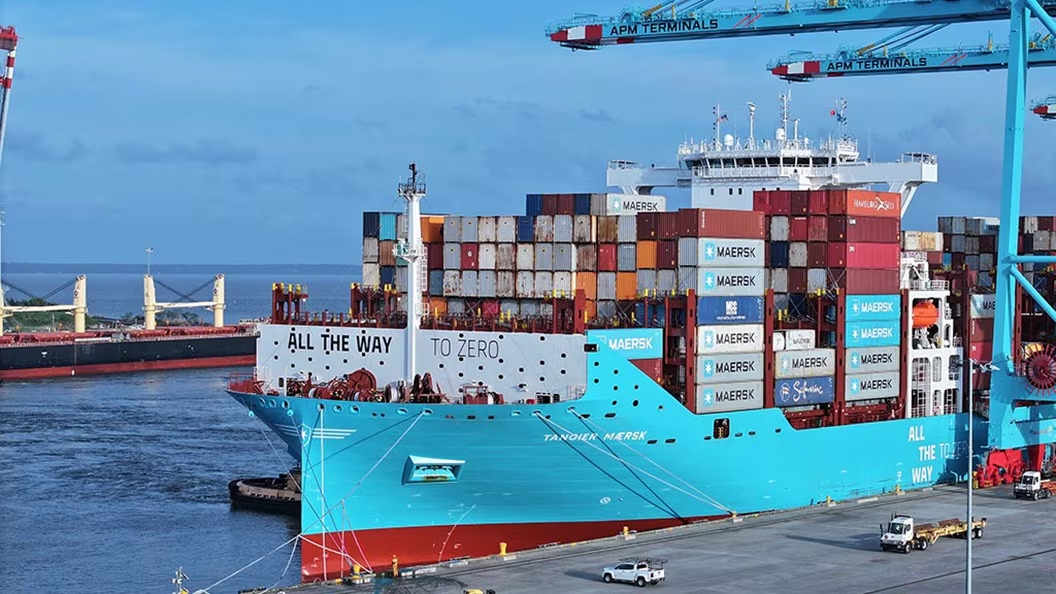
Maersk Bunkers U.S.-Produced Corn Ethanol
 Sustainability
‘While I am President, there will be no global taxes’
 Sustainability
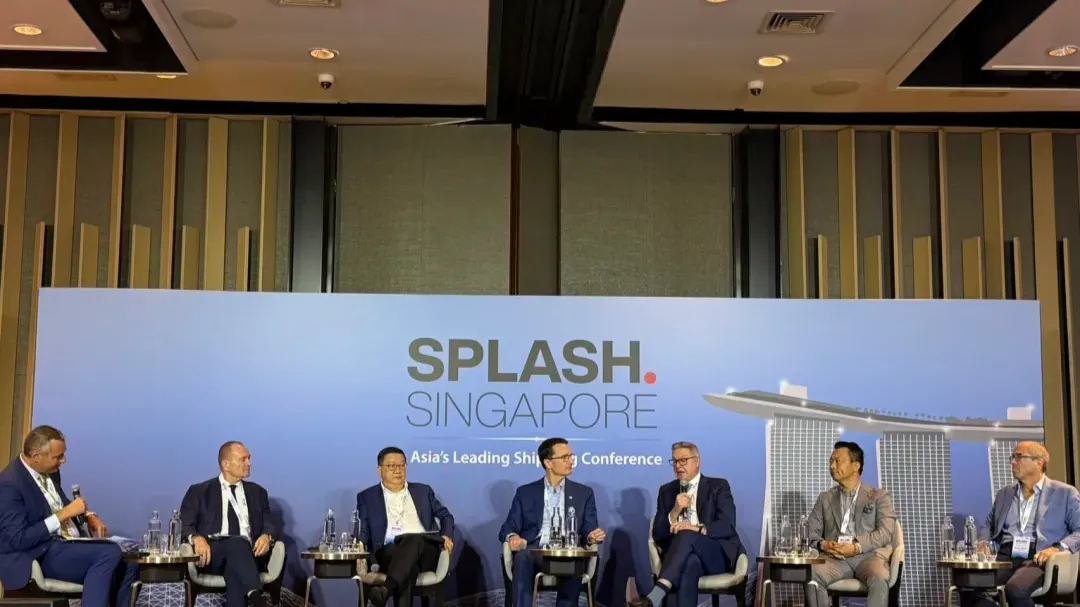
When the Future Can No Longer Be Predicted, How Do Shipping Companies Survive?
 Sustainability
Japan Completes Methanol Transport and Bunkering Vessel
 Sustainability
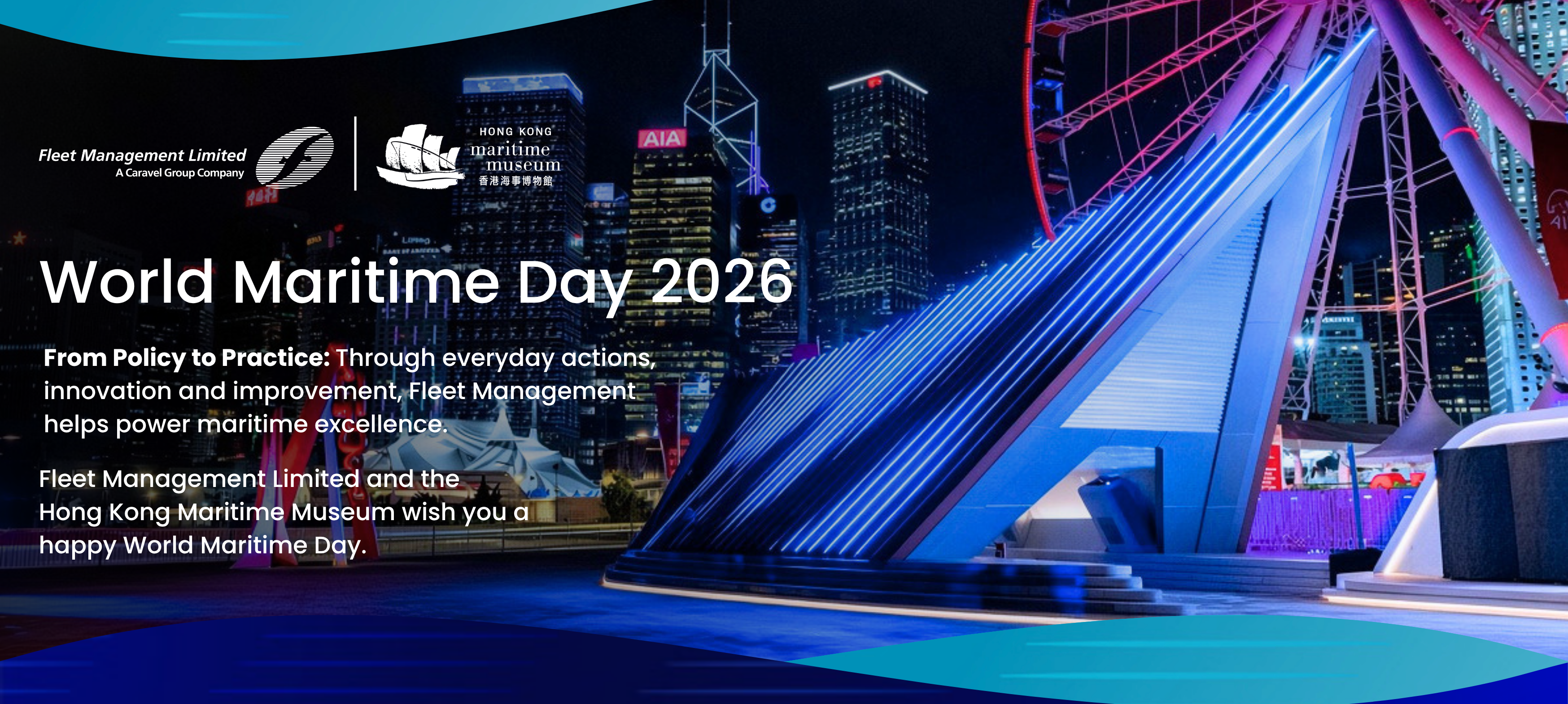
Fleet Management Lights Up Anchor Plaza in Blue for World Maritime Day 2026
 Sustainability
COSCO , CMA CGM and SIPG Join Launch of International Green Shipping Corridor Alliance
 Sustainability
Zero-Emission-Capable Ship Orders Slide as IMO Uncertainty Weighs on 2030 Target
 Sustainability
Fueling Now and the Future: IBIA Hong Kong Forum on Alternative Marine Energy
 Sustainability
WMMF 2026 Promotional Film Debuts in London
 Sustainability