


When the Future Can No Longer Be Predicted, How Do Shipping Companies Survive?
Shipping is beginning to pay for redundancy. The question is how much tonnage, cash and backup capacity a company needs to keep operating when its assumptions fail.
By Chen Yang | Xinde Marine News
A feeder operator may schedule a vessel tightly, only to find that port delays reduce a service planned for 52 voyages a year to 45 or 48. A ship manager may run data systems from two offices, yet still need an answer if both lose their external connection. A tanker ordered today may be delivered around 2030 and remain in service for another two decades, during which freight rates, fuel prices and carbon costs could change repeatedly.
These are changing the way shipping companies think about efficiency. Spare vessels, inventories of critical parts, banking relationships across jurisdictions and support teams in different locations all appear as costs in an ordinary year. Management must also consider what happens when a critical link fails: how many voyages will be lost, which contractual commitments may be missed, and how long it will take to restore operations. The cost of redundancy appears in the accounts every year. The moment when it proves its value cannot be scheduled.
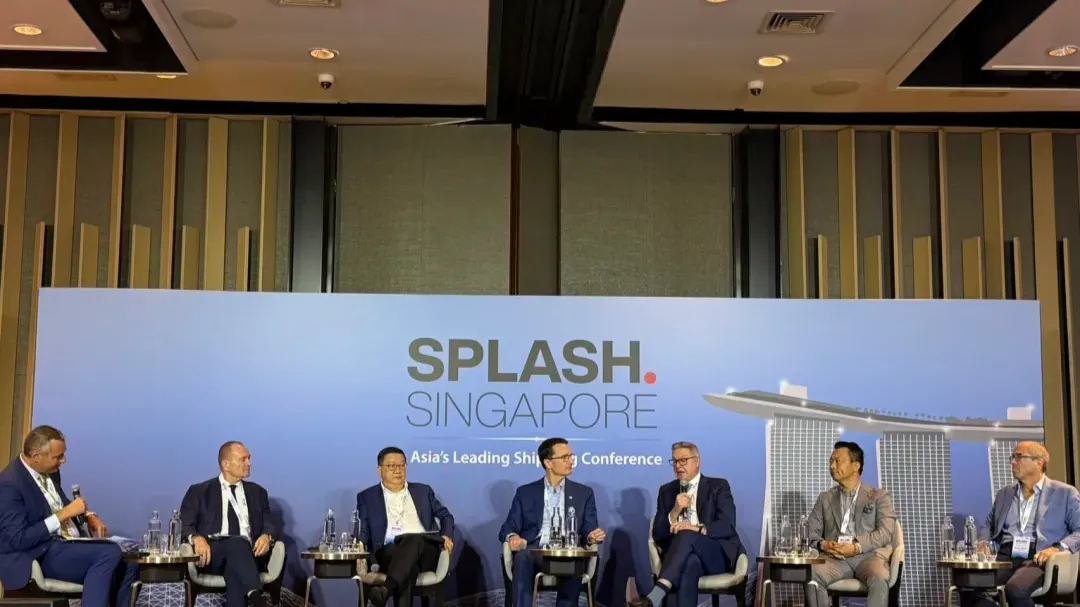
That question ran through “The Big Issues”, the opening panel at Splash Singapore 2026 on 24 September. The discussion ranged across geopolitics, markets, fuels, technology and regulation, but repeatedly returned to a practical dilemma. Markets can change within months, while ships and the commitments made around them last for decades. Where should a shipping company continue to remove cost, and where should it deliberately leave room to manoeuvre?
Planning horizons are shrinking; investment horizons are not
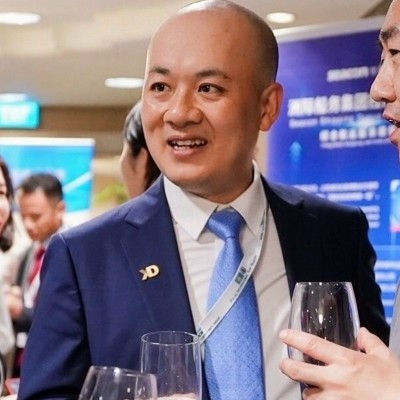
Bjorn Hojgaard , CEO of Anglo-Eastern Univan Group, described the change through two familiar expressions. For much of his career, the industry operated on a “just-in-time” basis, raising utilisation, reducing inventories and cutting waiting time. Over the past five years, he said, “just-in-case” planning has become more important. Companies now have to consider how they would keep operating if communications fail, sanctions interrupt business, a port closes or payments cannot move through their usual banking channels.
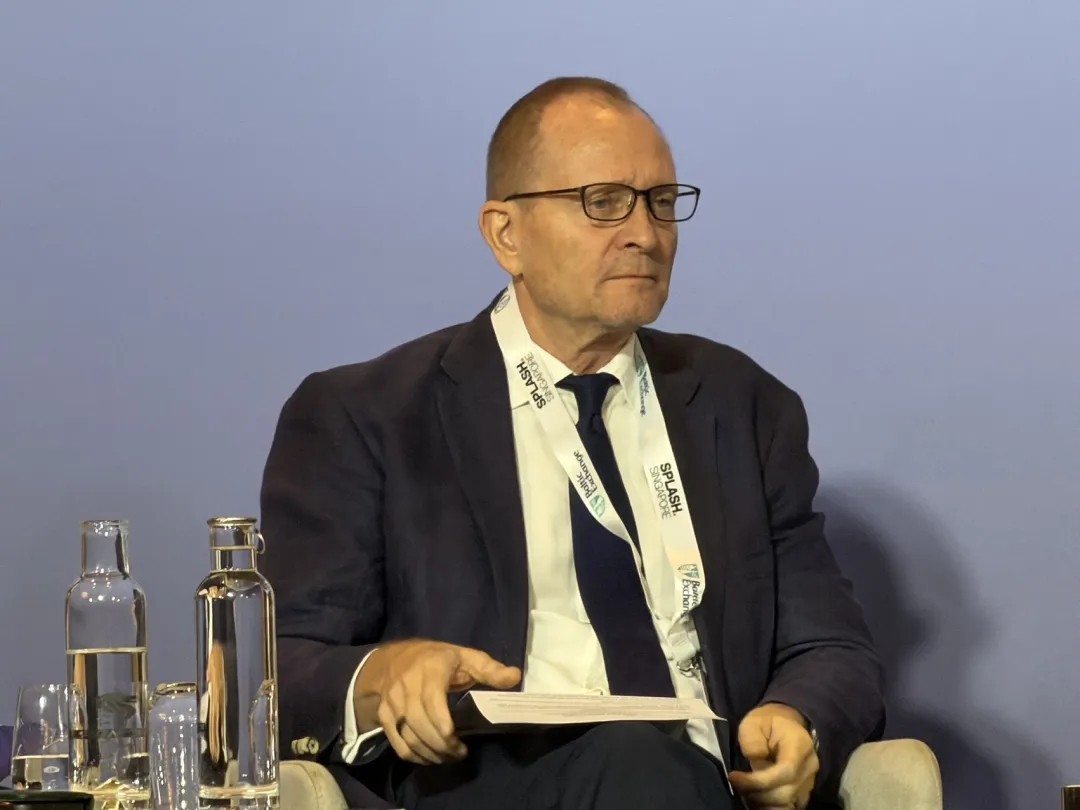
Anglo-Eastern has changed how it approaches long-term strategy. In a recent ten-year planning exercise, the company began by imagining two very different versions of 2035: one in which markets and technology develop favourably, and another in which several conditions deteriorate. It then worked backwards to identify the capabilities it would need in either case and the decisions it could leave open for longer. The exercise does not make the future predictable. It forces management to examine which assumptions its business depends on and what it could do if those assumptions prove wrong.
Hor Weng Yew, managing director and CEO of Pacific Carriers Limited, approached the same problem through freight-market cycles. Using MR product tankers as an example, he said that, by his historical measure, the high point for three-month average spot earnings between around 1990 and 2020 had been roughly $38,000 to $40,000 a day. Earlier this year, the figure exceeded $50,000 a day. In his view, market swings have become shorter and more extreme. Yet an owner buying a tanker still takes on an asset that may be in service for 20 to 25 years. The market information supporting that purchase can change dramatically within a few months.
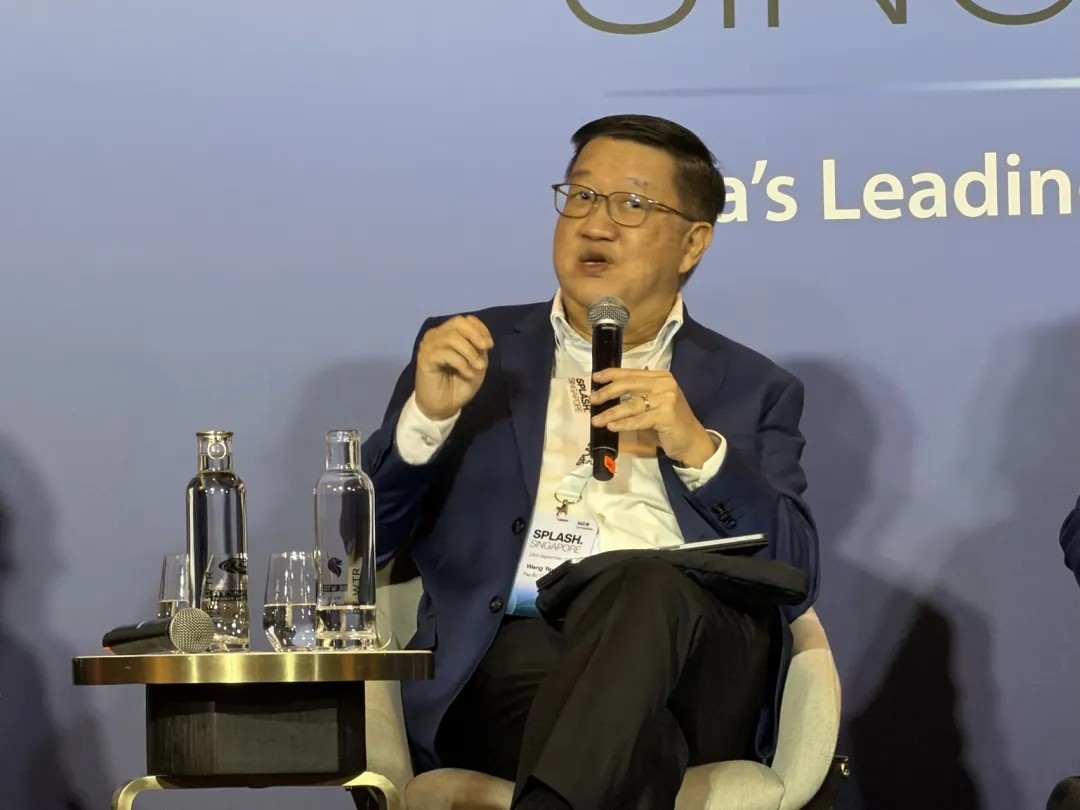
Freight rates are only part of the calculation. Hor also described an internal scenario for an MR tanker trading to Europe. Under his team’s assumptions, costs associated with European carbon regulation and related requirements could reach about $2 million a year by 2035 and around $8 million by 2045. Those figures come from a specific model; they are not a forecast for every tanker. They illustrate how a vessel’s future earnings may depend increasingly on where it trades, what fuel it uses, how efficiently it operates and who pays the resulting compliance costs. Today’s freight rate and purchase price cannot, on their own, establish the return on such a long-lived investment.
Backup capacity must survive the same disruption it is designed to address
Hojgaard gave a concrete example from Anglo-Eastern’s technology infrastructure. The company previously had data servers on Hong Kong Island and in Kowloon. It has since added a system in Singapore so that it can continue supporting ships and communicating with clients if Hong Kong’s external connectivity is disrupted. Anglo-Eastern has applied similar thinking to banking, maintaining relationships in different countries and jurisdictions to reduce its dependence on any one channel for moving money.
The distinction is between having more backups and having backups that can actually work during the same incident. Two servers in separate buildings may still rely on the same external communications environment. Several bank accounts may offer limited protection if payments through them depend on the same jurisdiction or settlement system. A company needs to understand how failures might spread before deciding where to place its data, personnel and financial capacity. Effective redundancy has to sit sufficiently far from the point of failure it is intended to cover.
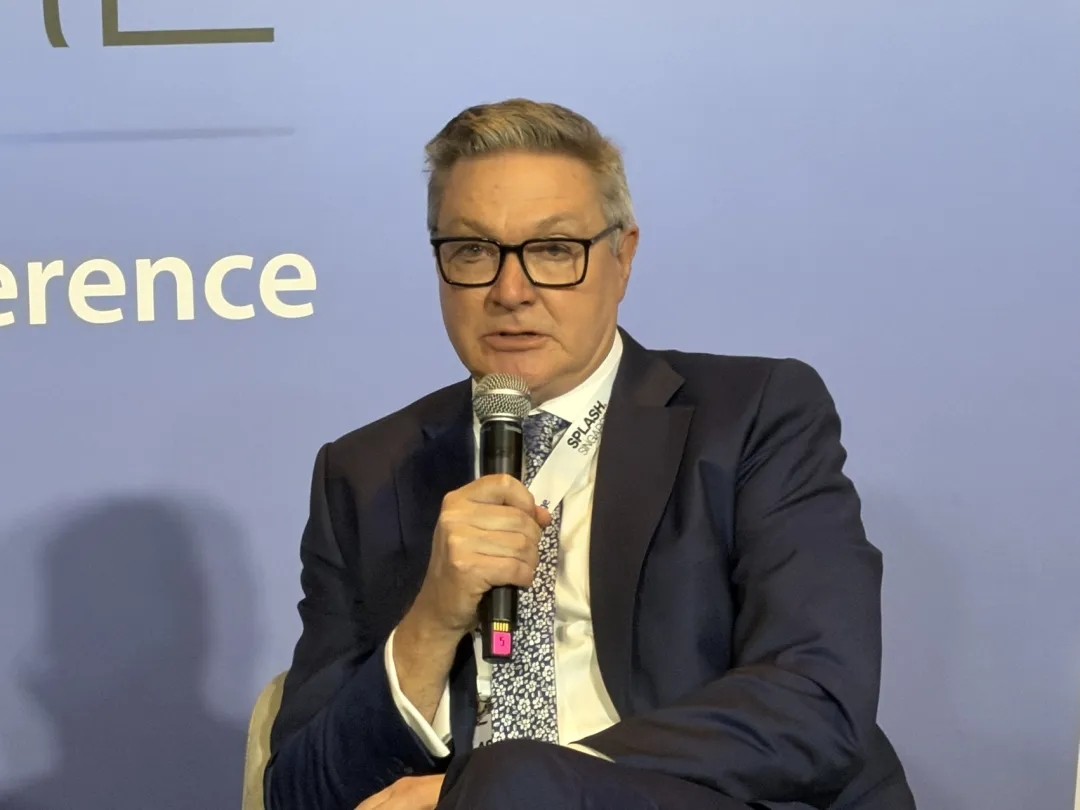
The same calculation applies to ships’ supply chains. Nick Potter, president and CEO of AET, raised the reliability of critical spare parts. Buying parts only when needed reduces the cash tied up in inventory; a delayed delivery can leave a vessel idle for long enough to make that saving look small. At Swire Shipping, CEO Jeremy Sutton described support teams established in Bangalore and Chennai. Initially developed largely to handle processes and manage costs, those teams have built their own technology and operational capabilities. They now provide an additional buffer while frontline offices focus more closely on customers and safety.
Maintaining inventories, systems and teams in multiple places requires continuing expenditure. Companies therefore have to identify the interruptions that matter most. Which missing component could keep a ship out of service? Which system failure could affect an entire managed fleet? If one office cannot function, can another take over its work? Without those answers, a business may spend heavily on resources that offer little protection while leaving its most consequential points of failure exposed.
The value of owning ships extends beyond the gap between vessel prices and charter rates
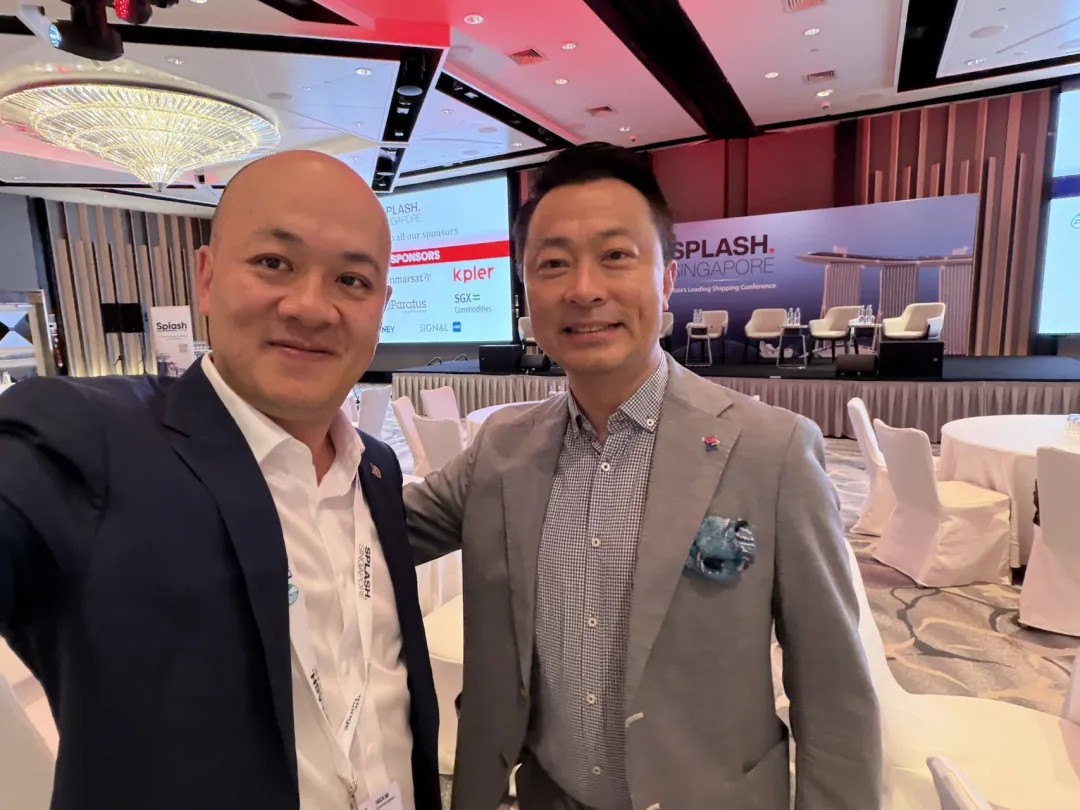
For Shmuel Yoskovitz, CEO of X-Press Feeders, control of tonnage is a network issue. He cited occasions when vessels can wait seven to ten days at Shanghai. Under such conditions, a service expected to complete 52 voyages in a year might manage only about 45 to 48. The lost voyages reduce available capacity, but the effects do not end there. A feeder vessel must reach the right port in time to connect with other services; sustained delays at one point can unsettle schedules across the network for weeks.

This helps explain X-Press Feeders’ move towards a greater proportion of owned vessels. Yoskovitz said ownership allows the company to decide whether a ship is needed in the Caribbean, Asia or Europe. When the charter market is tight, an operator seeking a vessel must contend with its availability, its price and the owner’s preferred deployment. A ship it owns gives the operator more direct control over the capacity supporting its core services. As Yoskovitz put it: “When you own your own vessels, you control your destiny.”
Ownership also carries obligations that remain when freight markets weaken. Financing, maintenance, future technical upgrades and changes in resale values all stay with the asset owner. Zhongyi (John) Su, group chairman and CEO of Erasmus Shipinvest Group, repeatedly returned to the importance of survival. He recalled severe downturns in dry bulk and the warning that Hanjin Shipping’s collapse delivered to container shipping. Erasmus has expanded its fleet and moved into feeder container ships, multipurpose vessels and smaller gas carriers. For a considerable period, it also favoured relatively smaller ships as it managed its exposure to large assets and uncertain technology.
The two perspectives reflect different business needs. A feeder operator has to control enough capacity to keep its network running; an owner expanding across vessel segments has to ensure it can withstand the next market trough. Neither the owned-to-chartered ratio nor fleet size provides a complete answer on its own. Those choices have to be considered alongside service commitments, financing and vessel type. How many ships a company can buy in a strong market tells only part of the story. Its ability to maintain the fleet and meet its obligations when rates fall is just as important.
New-fuel investment needs technical evidence and a way to share the bill
A ship ordered today could still be trading in 2050. Potter noted that newbuilding deliveries are already stretching towards 2030; adding a normal operating life takes today’s ordering decisions directly into AET’s long-term decarbonisation plans. The company treats its 2050 net-zero ambition as a guiding objective while continuing to assess what can be done with its existing fleet. Potter said AET has around 57 retrofit projects this year involving approximately 25 decarbonisation technologies. The company assesses their maturity, suitability for operation at sea and likely payback before deciding which to deploy and which to keep in trials.
That screening process gives an owner evidence it cannot obtain from a technical specification alone. A technology’s performance in testing must be examined across different vessel types, routes and maintenance conditions. Retrofit spending also has to make sense against a ship’s remaining years in service. Continued trials can improve the existing fleet while informing the design of future newbuildings. They require financial capacity, however: a company that exhausts its balance-sheet flexibility may struggle to continue worthwhile investments through a weak market.
X-Press Feeders’ methanol dual-fuel vessels provide a test of the commercial side. Yoskovitz recalled that when the company decided to order them in late 2021, it was considering the need to renew Europe’s feeder fleet and the possibility of tighter environmental requirements for ships calling frequently at urban ports. It could not know whether customers would consistently pay a premium for green methanol. Some later did, and at times that willingness also disappeared.
More recently, the operating calculation has changed on some routes. Yoskovitz said that, under current conditions on certain European services, the cost of using biomethanol can be comparable to, or even lower than, low-sulphur fuel or LNG. Four or five of the company’s ships have resumed methanol bunkering over the past six months. This experience cannot be applied automatically to every vessel or route. Fuel prices, bunkering availability, regulatory costs and customer demand all affect the result. Dual-fuel capability gives the operator a choice; the decision to use a particular fuel still has to work in the voyage accounts.
Hor’s comments on risk sharing become especially relevant here. Owners can make long-term commitments around vessel investment and operations, areas they know how to manage. Future fuel supply, technical performance and carbon costs will also affect charterers and cargo owners. Contracts need to establish who pays any fuel-price premium, who receives the commercial benefit of lower emissions and how the parties respond when regulation changes. Without workable answers, fitting a new technology to a ship may be easier than using it consistently.
Risk management is becoming a weekly operating practice
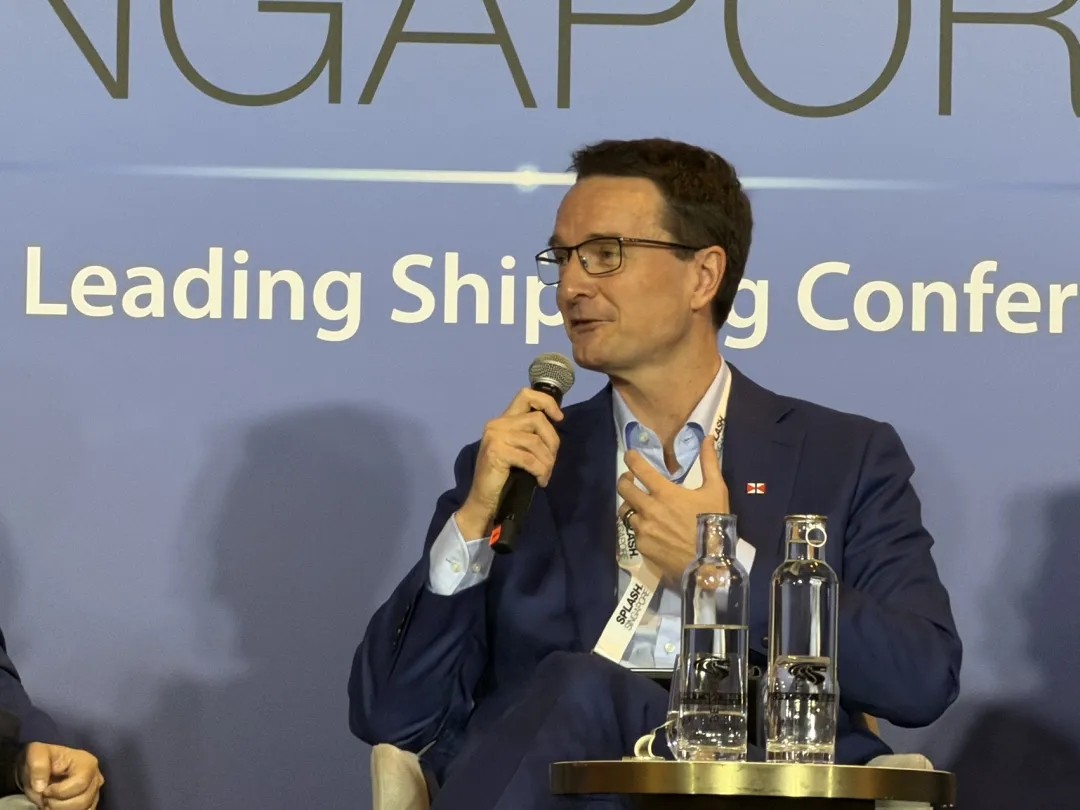
Ships, systems and contracts can provide room to respond, but people must be able to act when circumstances change. Sutton said Swire Shipping now brings risk issues into management discussions more frequently, encourages its roughly 1,500 employees to report what they see in daily operations and involves external organisations, including P&I clubs, in those conversations. Information from ships, ports and customer-facing teams can then reach management before a local problem becomes a larger disruption. A risk register reviewed only a few times a year is unlikely to keep pace with the decisions made across a global operation.
Swire Shipping’s emphasis on Stop-Work Authority takes that principle further. Frontline personnel who identify a safety concern can halt an operation without waiting for approval to move through headquarters. Doing so may immediately delay a ship and require an explanation to customers. The authority therefore depends on management supporting well-founded decisions made on site. For an operator working across many ports and time zones, the ability to stop a problem early can be as consequential as a contingency plan drawn up at head office.
The panel’s discussion of talent followed naturally from these operational questions. Yoskovitz wants employees who understand data and the drivers of profit and loss. Sutton sees a growing need for managers to understand technology alongside the commercial business. Hojgaard emphasised intelligence, integrity and drive: the ability to learn, make sound judgments and carry them through. Shipping companies can gather more information about ships, ports and fuels than ever before. They still need people who can decide which warning requires immediate action, which risk the business can carry and when an established plan should change.
The challenge for shipping companies is to place their reserves of capacity where they will matter. Owned vessels can protect a core network, cash can keep an owner from having to sell at the bottom of a cycle, and properly separated systems can allow operations to continue through a regional disruption. Each also consumes resources that could have been used elsewhere. The decision requires an understanding of what a business can least afford to lose and how one failure could spread to the rest of its operations.
A vessel may trade for more than two decades while the market around it changes repeatedly. No owner can prepare a precise answer for every future event. It can, however, leave itself the means to adjust through its contracts, financing, fleet composition and operating organisation. When ports become congested again, routes shift or freight markets enter another downturn, the difference will be visible in which companies can keep their commitments, preserve their cash and still have a choice about what to do next.

READ MORE
 Sustainability
COSCO , CMA CGM and SIPG Join Launch of International Green Shipping Corridor Alliance
 Sustainability
Zero-Emission-Capable Ship Orders Slide as IMO Uncertainty Weighs on 2030 Target
 Sustainability
Fueling Now and the Future: IBIA Hong Kong Forum on Alternative Marine Energy
 Sustainability
Fleet Management Lights Up Anchor Plaza in Blue for World Maritime Day 2026
 Sustainability
WMMF 2026 Promotional Film Debuts in London
 Sustainability
Xinde Marine Forum London 2026: Green Shipping Enters a Strategic Reset
 Sustainability
Shipping Has a Net-Zero Target — but Still Lacks the Rules to Deliver It
 Sustainability
Chimbusco completes first ammonia bunkering operation
 Sustainability
324 days ahead of schedule — another milestone for China’s shipbuilding industry
 Sustainability