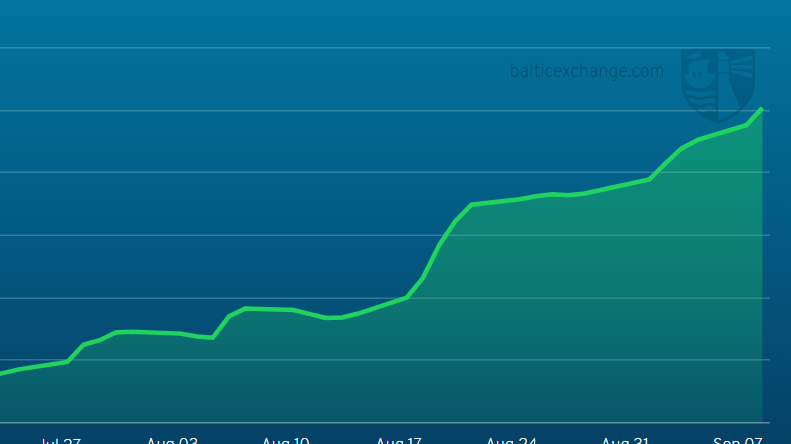


$64,569 !!! Record ClarkSea Index Masks a Shipping Boom Built on Different Forces
The cross-sector earnings benchmark has climbed to $64,569 per day, 27% above its 2007 peak, as unprecedented tanker rates coincide with strong markets for gas carriers, bulkers, containerships and car carriers.
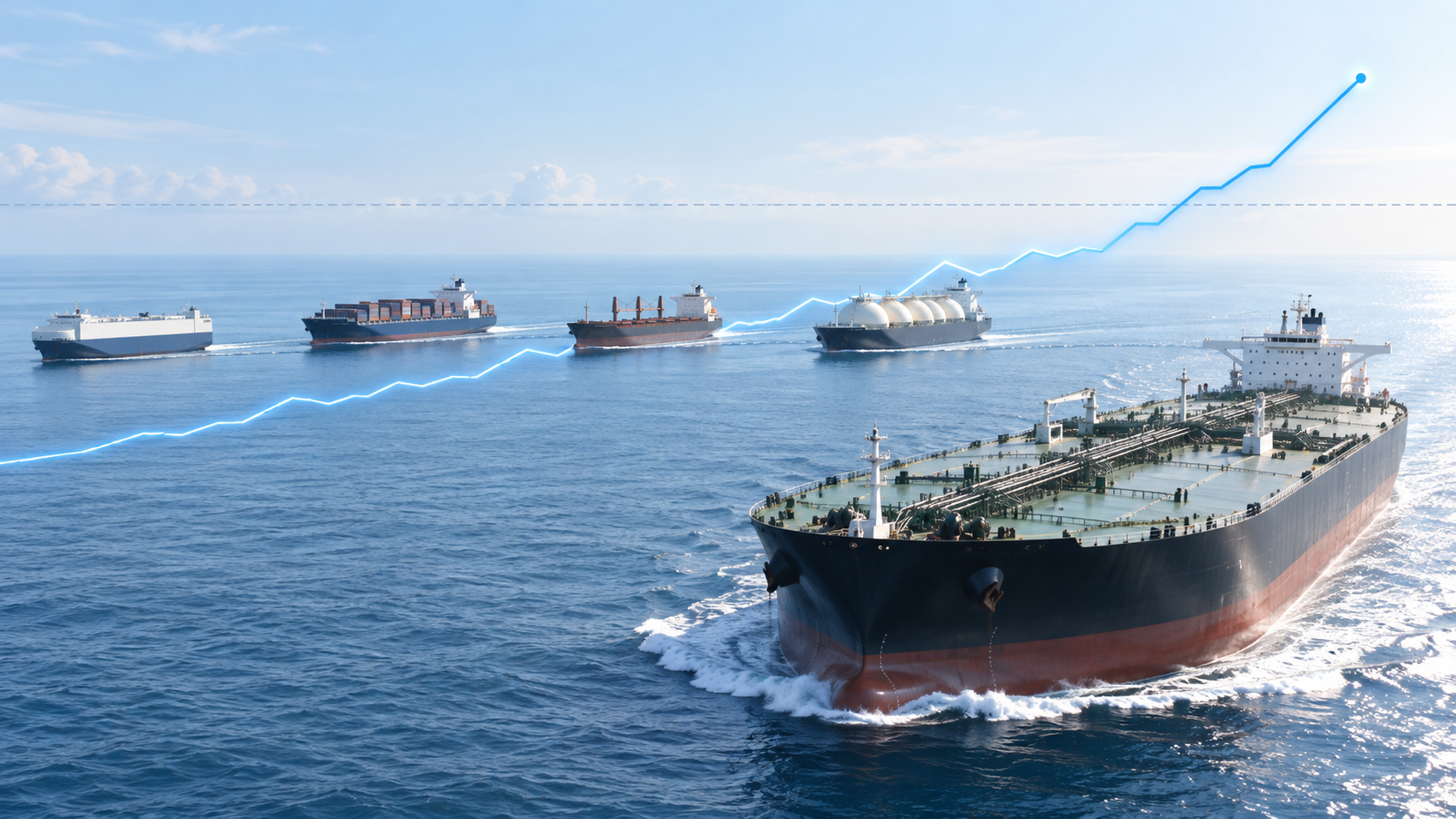

The ClarkSea Index has broken decisively through its pre-financial-crisis record, but the headline number describes a shipping market united by high earnings rather than by a single underlying cycle.
The Clarksons Research benchmark rose 14% in the latest week to $64,569 per day, exceeding the previous record of $50,714 set in December 2007 by 27%. Its 2008 maximum, reached before the global financial crisis brought the shipping boom to an abrupt end, was slightly lower at $50,402 per day.
The ClarkSea Index is a weighted measure of earnings across major commercial shipping sectors. It is not the average profit generated by every vessel, nor does it mean all owners are participating equally in the current market.
Tankers push the index into uncharted territory
Crude tankers remain the main force behind the record.
Global average VLCC earnings reached an extraordinary $643,000 per day last week, according to Clarksons, rising another 40% in seven days. Suezmaxes averaged approximately $375,000 per day, while Aframaxes reached $184,000.
Those numbers are being shaped by the disruption, uncertainty and operational dislocation surrounding the US-Iran conflict rather than a conventional increase in underlying oil demand.
Tanker broker Poten & Partners said the conflict had increased risks and market uncertainty while driving freight rates to unprecedented levels. Longer voyages, vessel repositioning, delays and reduced availability can tighten the effective supply of tankers even when the physical fleet remains unchanged.
War-risk insurance, bunkers and other voyage expenses may also rise sharply. Headline time-charter-equivalent earnings therefore should not be confused with the net return ultimately retained by an owner.
Strength extends beyond oil shipping
What makes the ClarkSea record more significant is the number of sectors now contributing to it.
Average bulk-carrier earnings stood at $24,233 per day, 63% above their ten-year average, as the market entered its traditionally stronger seasonal period from an already elevated base.
Very large gas carriers have also moved close to historic highs. Clarksons assessed Houston-to-Japan earnings at $189,711 per day, up 23% over the week, while Middle East Gulf-to-Japan earnings reached $219,297. Prompt vessel availability in the US was reportedly almost exhausted through the end of October, giving owners greater leverage in charter negotiations.
Containership earnings are strong but geographically uneven. Xeneta data cited by Splash showed spot rates from Asia to the US west and east coasts rising by more than 320% since the end of February. Asia-US east coast rates reached $11,259 per feu, only 11% below their pandemic-era record. That performance should not be read as evidence that every major container trade is moving in the same direction.
Car carriers provide the clearest China-linked component of the rally. Clarksons assessed the one-year charter rate for a 6,500-ceu pure car and truck carrier at $85,000 per day, up 30% in three months and well above the $49,375 average recorded in 2025. Rapid growth in Chinese vehicle exports is absorbing capacity even as new PCTCs enter service.
A record that requires careful reading
The index has reached an unprecedented level because several markets have tightened at the same time. Their causes, however, are different: war-driven tanker dislocation, limited prompt VLGC availability, seasonal dry-bulk strength, trade-specific container disruption and expanding Chinese vehicle exports.
That distinction will matter when today’s earnings begin influencing asset prices and investment decisions. Owners with spot exposure may generate exceptional cash flow, while ships fixed on older period charters will capture far less of the upside. Buyers paying inflated secondhand prices or ordering new tonnage must meanwhile assess whether current earnings can survive the removal of temporary disruption.
The ClarkSea record confirms that shipping capacity has become unusually valuable across several sectors. It does not yet prove that the industry has entered another durable boom comparable with 2007.


READ MORE
 Tankers
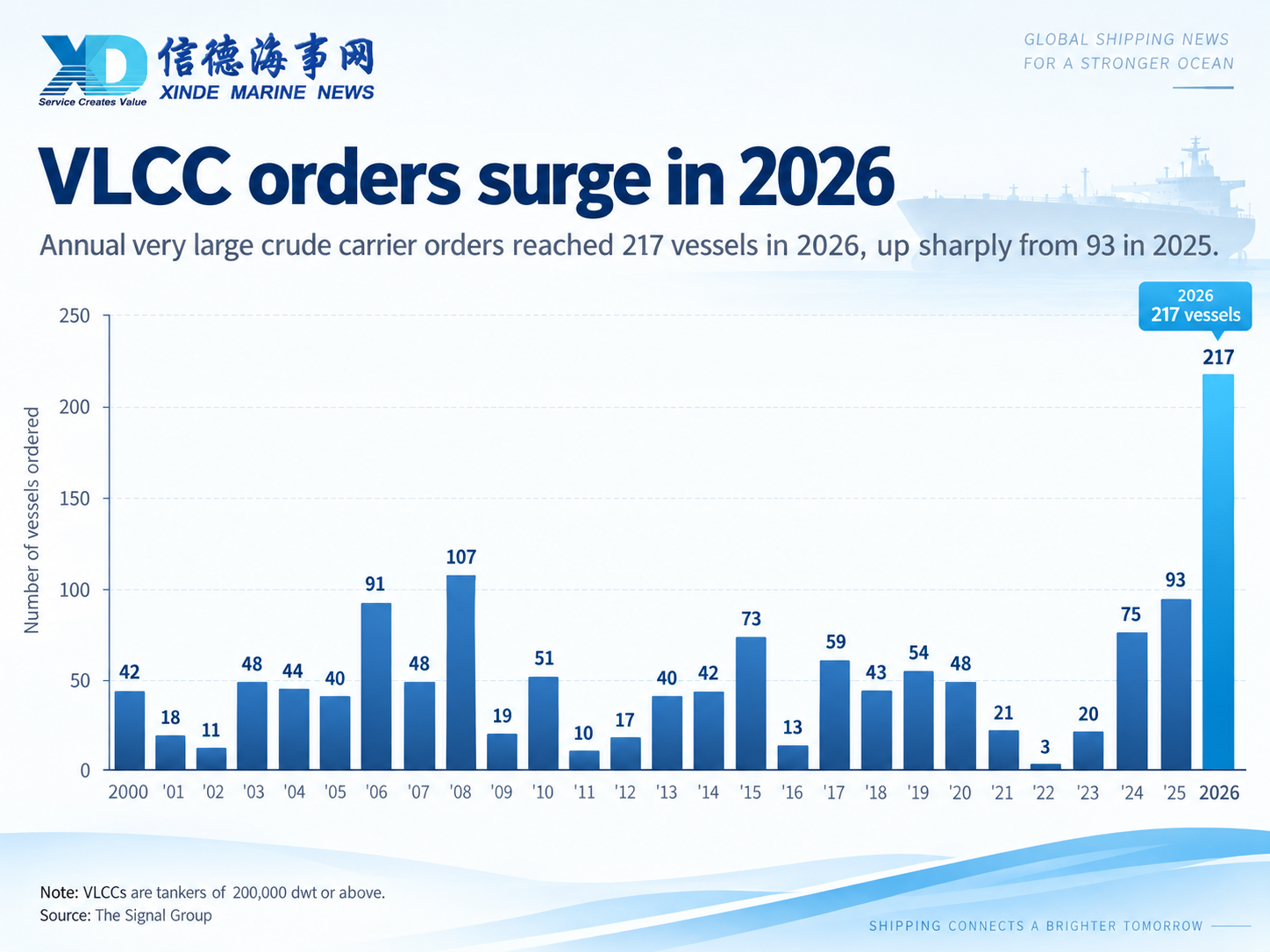
15-year-old VLCC linked to record $200m sale as tanker asset values surge
 Tankers
Seven Months, $78 Million: George Procopiou Reaps Windfall on Hengli-Built VLCC
 Tankers
VLCCs top $1m a day — but what price is TD3C actually discovering?
 Tankers
Trump angin. US Shadow Fleet Law Raises New Risks for China’s Russian Oil Trade
 Tankers
Nearly $1 Billion: Dynacom Orders 8More Ships as Hengli Tops Global 2026 VLAC Orders
 Tankers