


15-year-old VLCC linked to record $200m sale as tanker asset values surge
A reported transaction involving a 15-year-old VLCC linked to Greek owner Onex has drawn market attention after the vessel was valued close to $200m, a level that would rank among the highest ever recorded for an ageing crude carrier. The deal highlights how strong tanker earnings, geopolitical disruption and limited fleet availability are reshaping secondhand asset values.

A 15-year-old very large crude carrier (VLCC) has reportedly been involved in a transaction approaching $200m, with Greek shipowner Onex understood to be linked to the deal, according to market reports.
While the vessel identity and final terms have not been officially confirmed, the reported price has already attracted attention across the tanker market. If completed at that level, the transaction would represent an extraordinary valuation for a vessel of its age and provide a strong indication that the recent strength in crude tanker earnings is now feeding into asset prices.
The development comes after one of the strongest periods for VLCC owners in recent years. Freight markets have benefited from longer trading routes, geopolitical uncertainty and tight vessel supply, pushing earnings to exceptional levels and encouraging investors to reassess the value of existing tonnage.
The key question for the market is whether this is simply a reflection of short-term disruption, or whether it marks a broader change in how tanker assets are valued.
Secondhand VLCC values enter uncharted territory
A VLCC normally loses value as it ages, reflecting remaining commercial life, future maintenance costs and increasing regulatory pressure.
A price close to $200m for a 15-year-old vessel would therefore represent a significant departure from traditional valuation patterns. Buyers appear to be placing a premium not only on the ship itself, but also on immediate access to available tanker capacity.
Unlike a newbuilding, which may require several years before entering service, an existing VLCC can immediately trade in a strong freight market.
That time advantage has become increasingly valuable. Shipowners looking to expand exposure to crude transportation face limited availability of modern secondhand tonnage, while shipyard slots for new large tankers remain highly competitive.
The result is a market where some buyers are willing to pay historically high prices to secure ships today rather than wait for future deliveries.
Freight strength is driving asset repricing
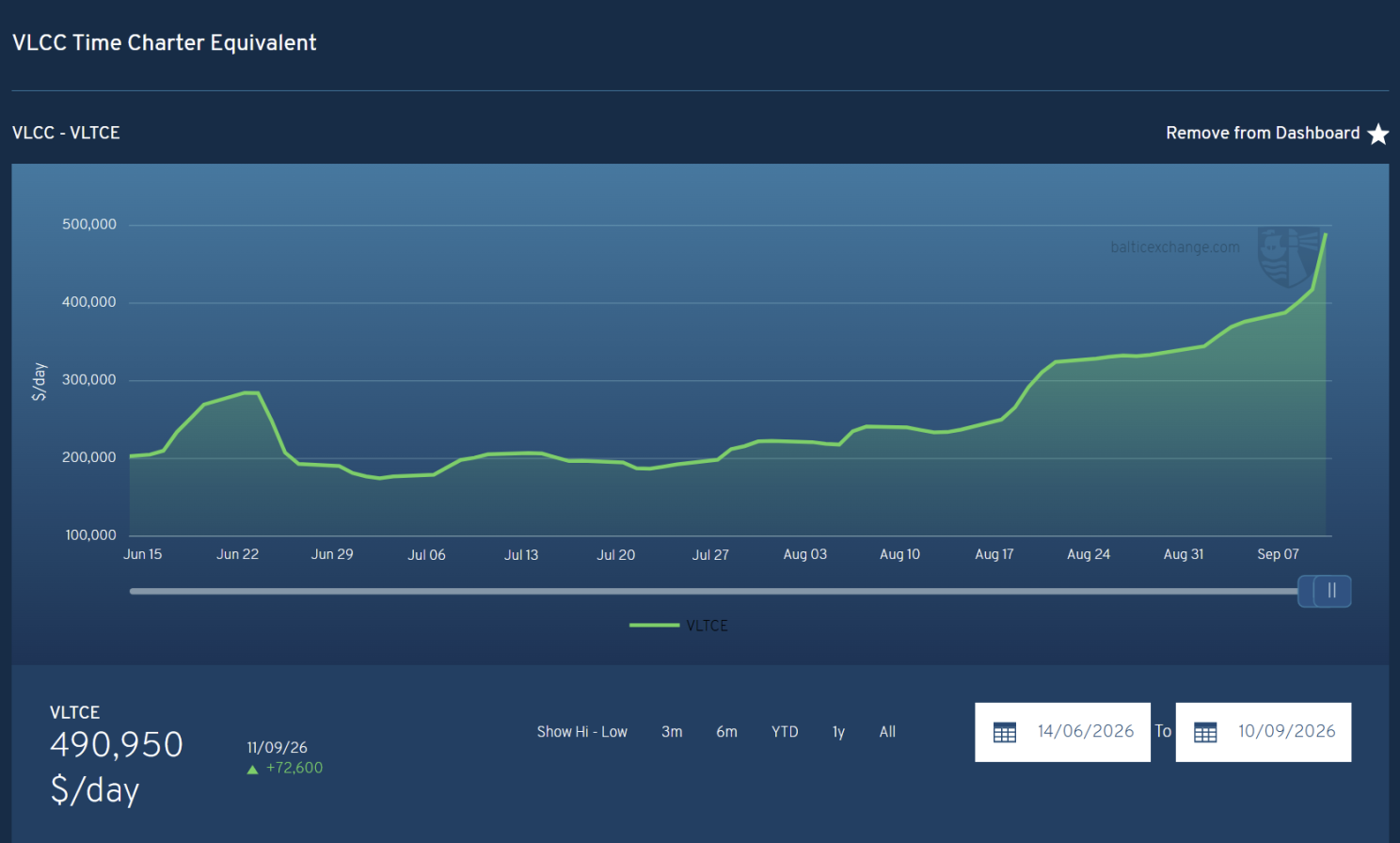
The reported deal comes as VLCC earnings have surged amid disruptions in global oil flows.
Longer voyages caused by changing trade patterns have increased tonne-mile demand, while geopolitical tensions around major energy routes have added further uncertainty to vessel availability.
The impact has been particularly visible in the Middle East crude trade, where changes around key shipping routes have encouraged refiners and traders to secure alternative supply chains.
Strong earnings have historically supported secondhand ship prices, but the speed of the recent asset appreciation has surprised many market participants.
The tanker sector entered the current cycle with relatively limited fleet growth after years of cautious ordering. Many owners delayed new investments following previous downturns, leaving the global fleet older and reducing the supply of modern vessels.
For buyers, this has created a difficult choice: pay a premium for existing ships or commit to expensive newbuildings with delayed delivery.
Newbuilding economics are becoming more complicated
The reported VLCC valuation also raises questions about the relationship between secondhand prices and newbuilding costs.
A new VLCC currently costs around $130m–$140m, depending on yard, specifications and contract timing. In normal market conditions, a 15-year-old vessel would trade at a discount to a new ship.
However, when freight markets are exceptionally strong, the ability to generate immediate revenue can outweigh the disadvantages of age.
For some owners, acquiring an older VLCC at a high price may still make commercial sense if earnings remain elevated. Others may view current asset prices as an opportunity to sell older vessels and use the proceeds to order more efficient new ships.
This could accelerate fleet renewal, particularly as environmental regulations continue to influence decisions on older tonnage.
Potential impact on shipbuilding markets
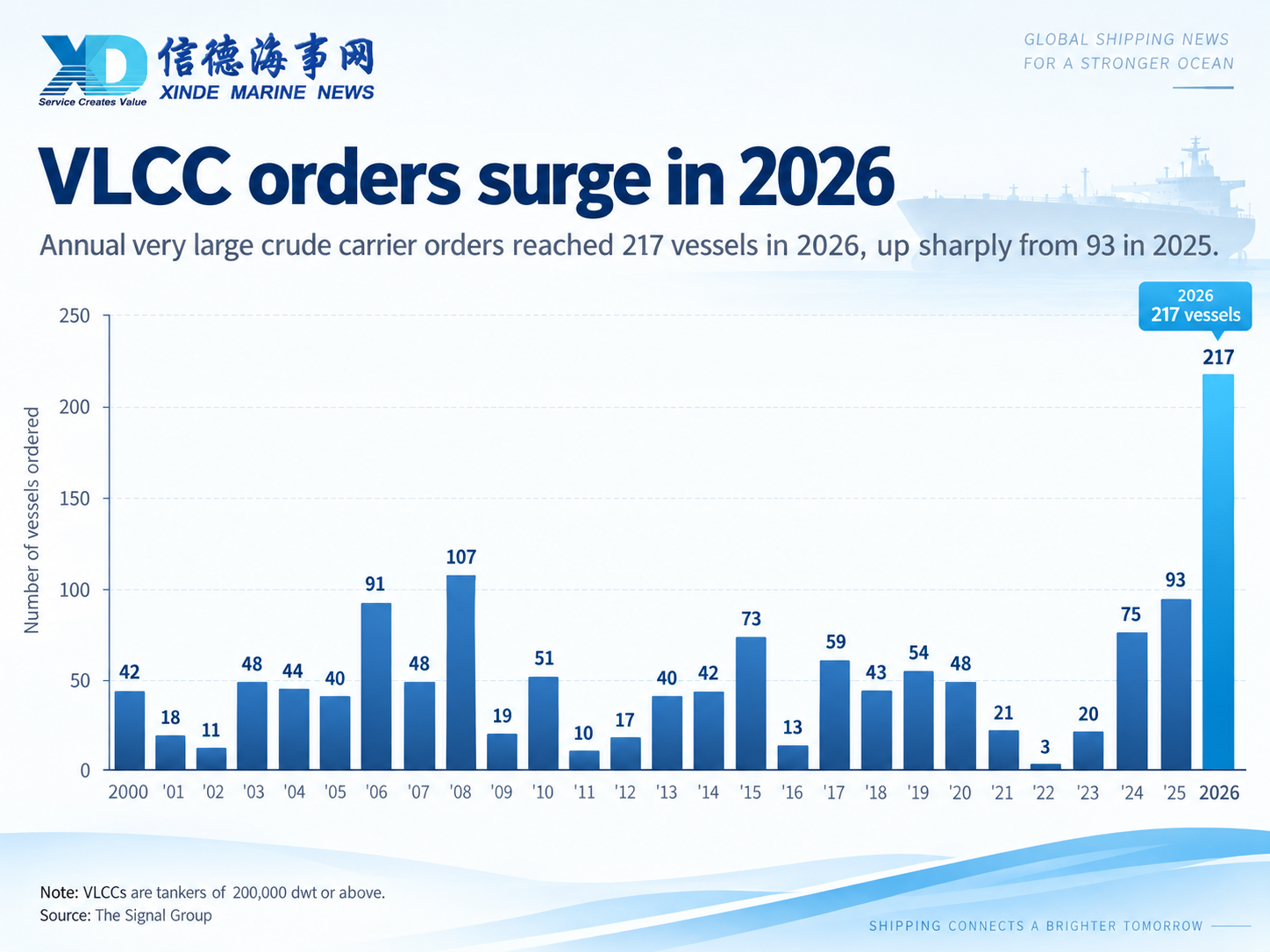
A sustained increase in tanker asset values could support another phase of VLCC ordering.
China, South Korea and Japan remain the world's leading builders of large crude carriers, and Chinese yards have become increasingly competitive in the VLCC segment.
For shipbuilders, stronger owner balance sheets and higher secondhand valuations could improve confidence in future orders. However, yards are also managing strong demand across other sectors, including LNG carriers, containerships and car carriers.
The direction of the tanker cycle will depend on whether current freight conditions translate into long-term confidence among owners.
Market watches for confirmation
A single reported transaction does not define the entire tanker market. The significance of the Onex-linked deal will depend on whether similar valuations appear in future sales.
The next indicators will be secondhand transaction prices, newbuilding orders and the relationship between tanker earnings and vessel values.
If older VLCCs continue to trade at exceptionally high levels, it would suggest that the market is no longer pricing tankers purely according to age and remaining life, but also according to scarcity and immediate earning potential.
For now, the reported near-$200m VLCC transaction has sent a powerful signal: in today's tanker market, even ageing crude carriers have become highly valuable assets.


READ MORE
 Tankers
VLCCs top $1m a day — but what price is TD3C actually discovering?
 Tankers
Nearly $1 Billion: Dynacom Orders 8More Ships as Hengli Tops Global 2026 VLAC Orders
 Tankers
$862,150 a Day: VLCC Rates Set Another Record as Global Composite Nears $500,000
 Tankers
Seven Months, $78 Million: George Procopiou Reaps Windfall on Hengli-Built VLCC
 Tankers
Ernst Russ Expands Chinese-Built Tanker Fleet to Six with Cargill Charters
 Tankers
VLCC,$759,969/Day !!!
 Tankers
VLCC Resale Talk Hits $200m as Prompt Tonnage Commands a Record Premium
 Tankers
Putin Launches Vostok Oil as Arctic Crude Exports Enter Shipping Phase
 Tankers
Behind CMES’ CNY6.96bn Profit: What Its 50-VLCC Fleet Got Right
 Tankers