


Energy efficiency may be shipping’s safest bet in an uncertain transition
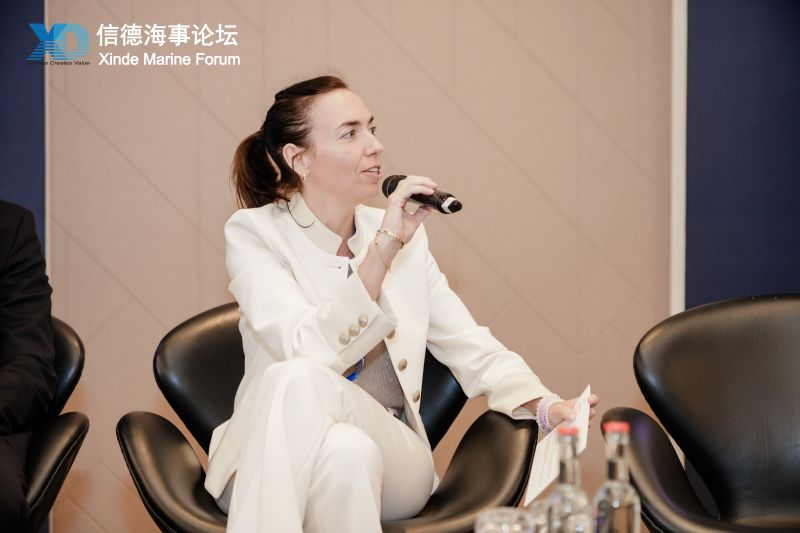
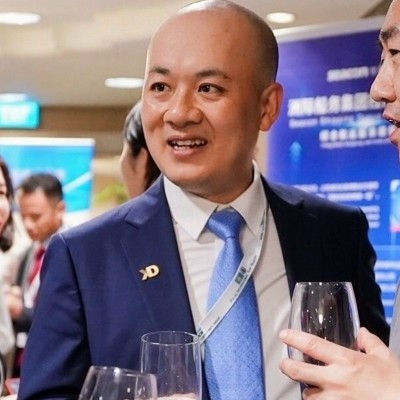
One message came through clearly at the Xinde Marine Forum Hamburg 2026:
While the future fuel mix remains uncertain, energy efficiency is one of the few areas where the industry has broad consensus.
Cristina Saenz de Santa Maria, CEO Maritime at DNV, stressed that proven technologies are already available to significantly reduce vessel energy consumption.
That view was reinforced during SMM Hamburg, where DNV released the 10th edition of its Maritime Forecast to 2050. With regulation still evolving, DNV argues that shipowners need fleet strategies that can remain resilient across multiple future scenarios.
In that context, energy efficiency stands out.
Whether applied at the newbuilding stage or through retrofits, efficiency measures can reduce fuel consumption, lower emissions and improve vessel economics — regardless of which fuel pathway eventually dominates.
This is particularly important because every future fuel is likely to be more expensive than conventional marine fuels.
The less energy a vessel needs, the lower its exposure to fuel cost, carbon cost and regulatory risk.
That is why technologies such as improved propulsion systems, air lubrication, shaft generation, electrification and digital energy management are moving closer to the centre of fleet investment decisions.
In a transition defined by uncertainty, efficiency creates value under almost every scenario.


READ MORE
 Sustainability
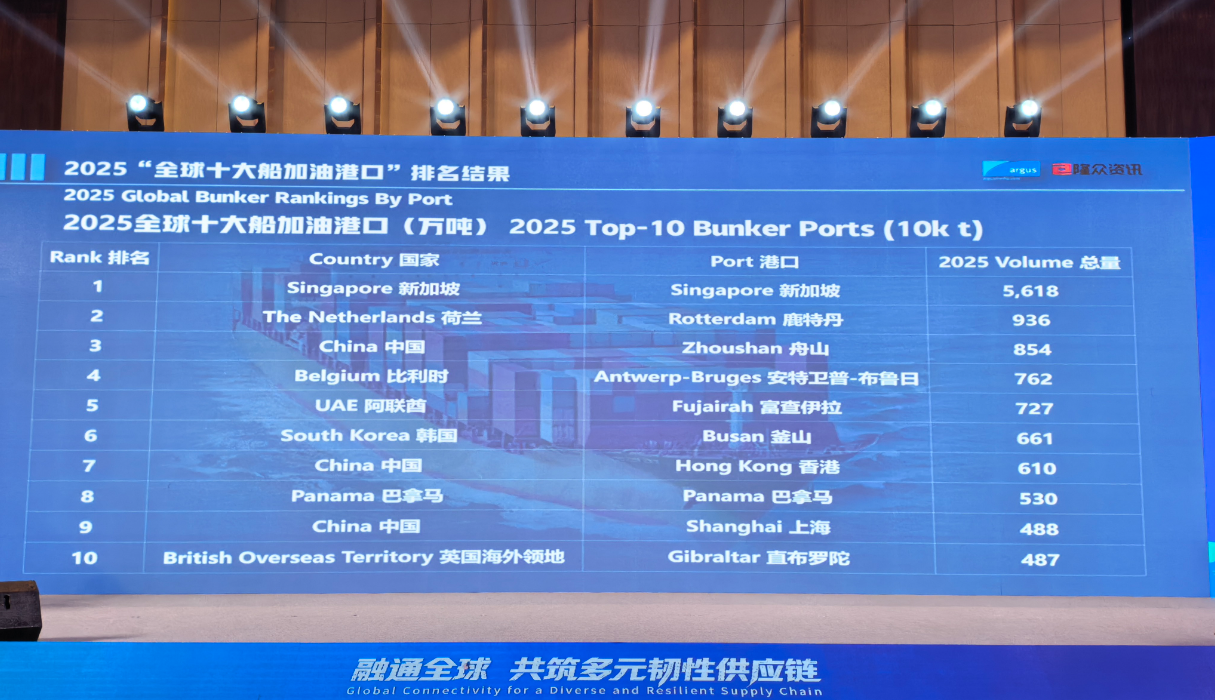
Zhoushan Overtakes Fujairah to Become World's Third-Largest Bunkering Port
 Sustainability
Shiptec China 2026.10.28-10.30 |Invitation of Green Energy for a Smart Future – Forum on New Energy Ship Technology and Ecosystem
 Sustainability
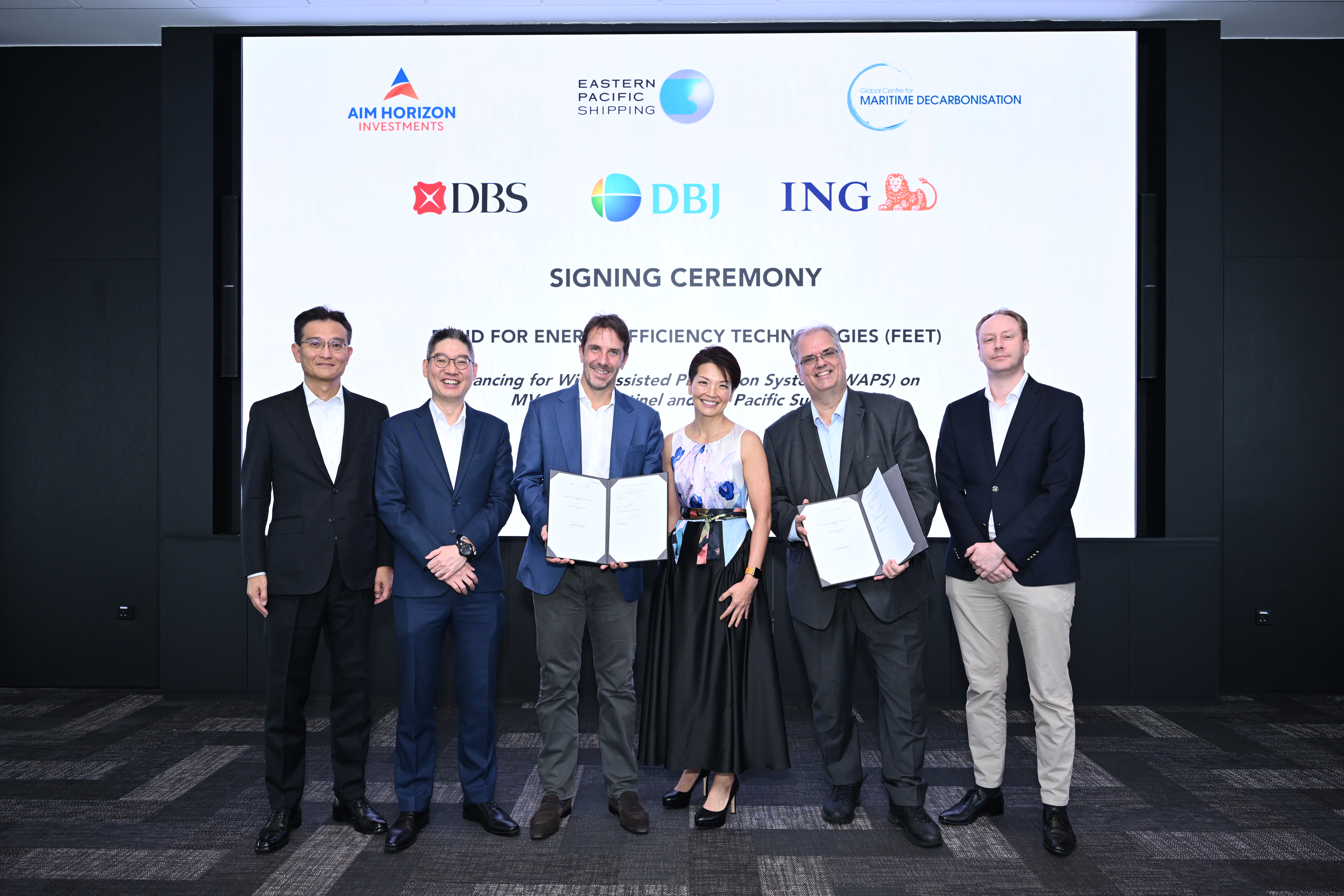
EPS Secures First FEET Financing for Two Wind-Assisted Vessels
 Sustainability
IMO Chief Defends Net Zero Ambition in Shanghai as Shipping Awaits Clearer Rules
 Sustainability
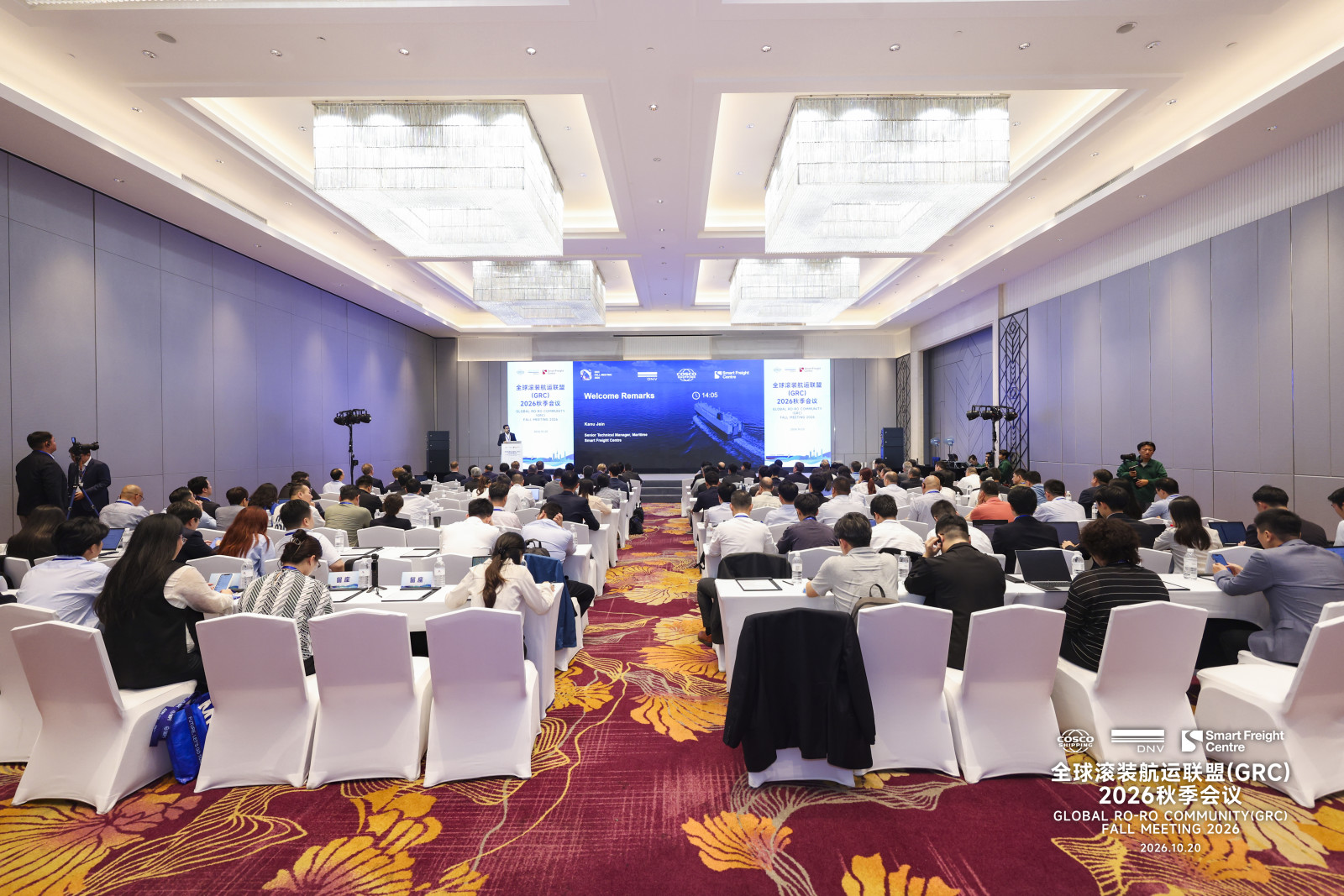
Car Carriers Face Fuel Supply and Emissions Accounting Challenges
 Sustainability
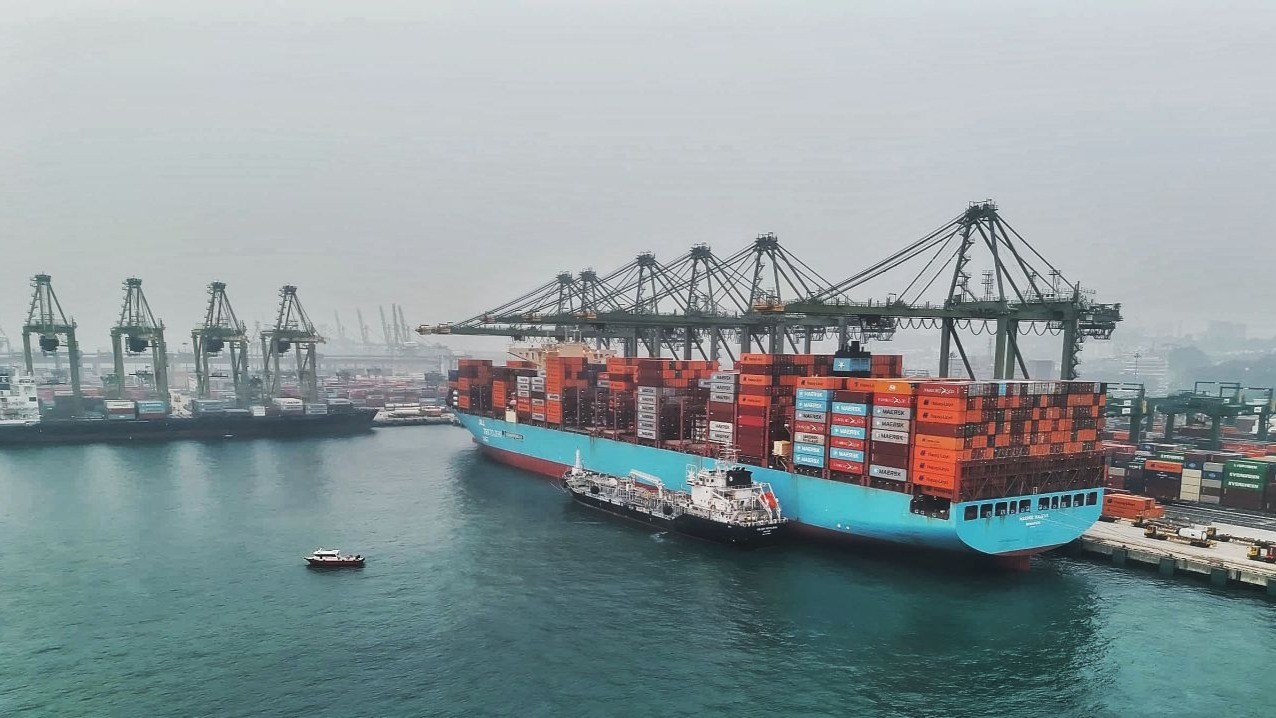
5,000 Tonnes: Maersk Completes World’s Largest Ethanol Bunkering in Singapore
 Sustainability
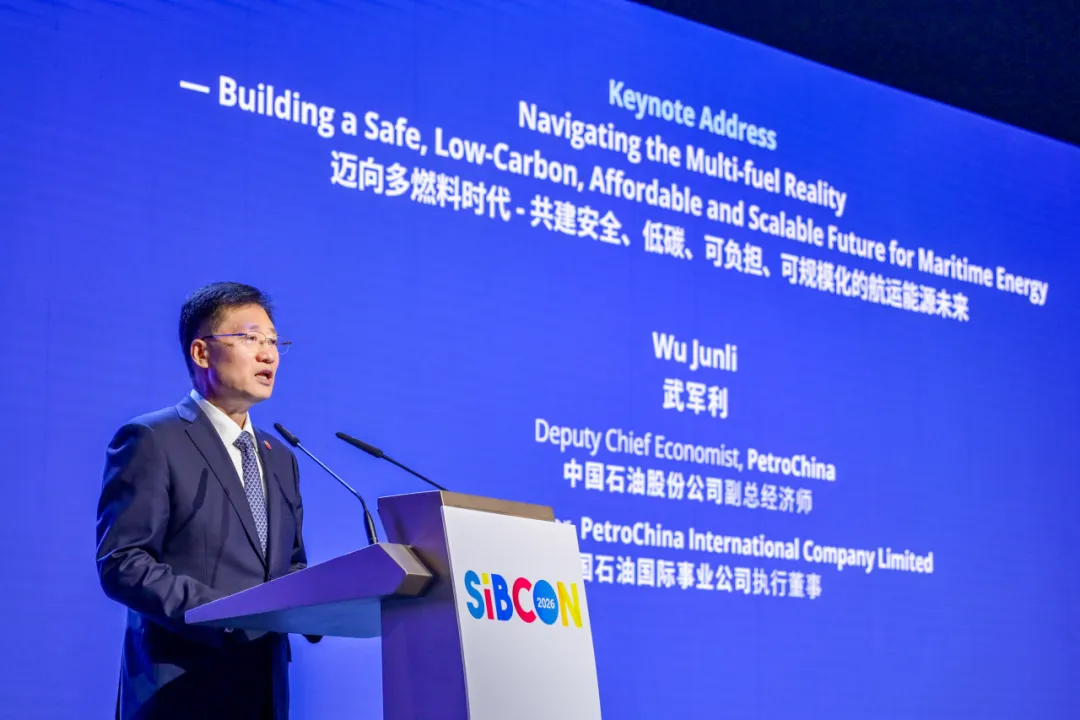
PetroChina Expands Multi-Fuel Bunkering in Singapore
 Sustainability
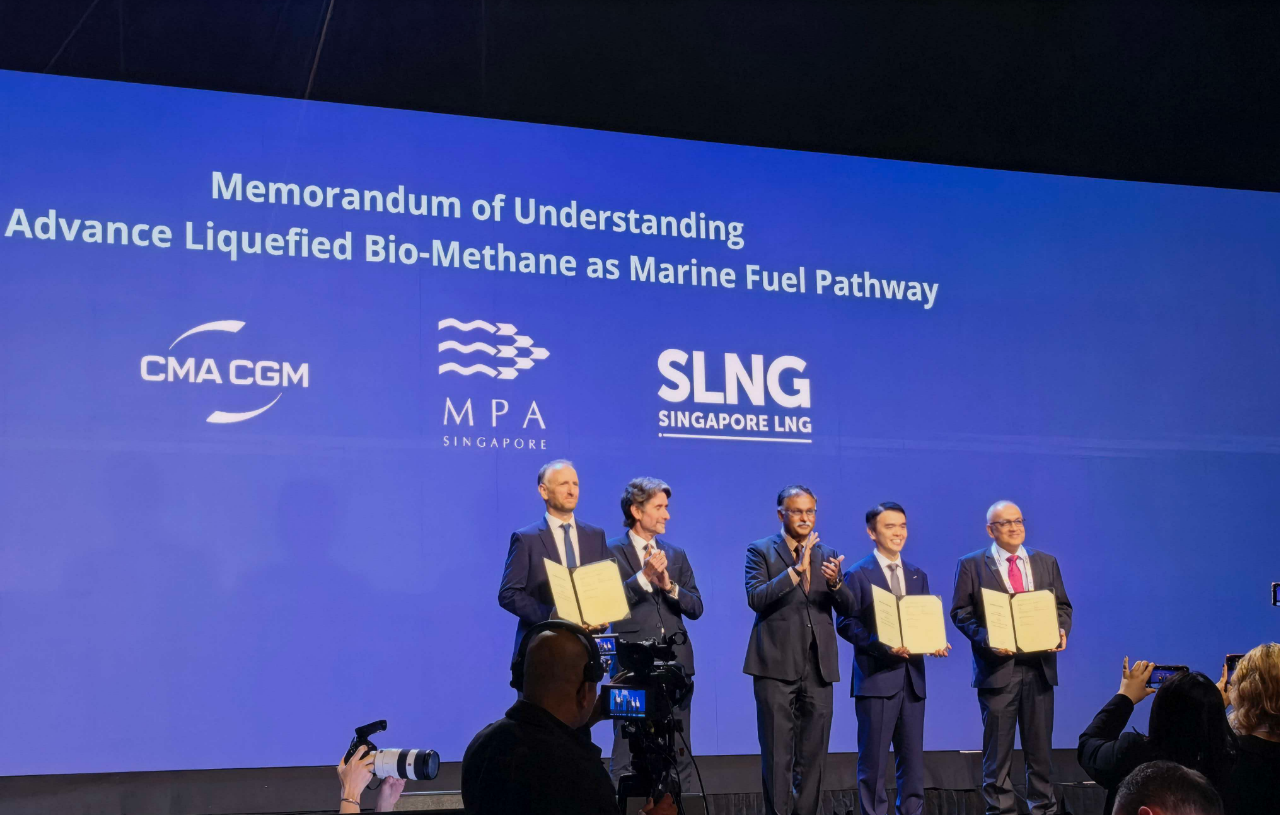
MPA, CMA CGM and SLNG Join Forces on Bio-LNG Bunkering
 Sustainability
Singapore Offers Up to S$250,000 for Electric Harbour Craft
 Sustainability