


MSC’s Global Expansion Meets Regulatory Limits as Barcelona BEST Terminal Deal Is Terminated
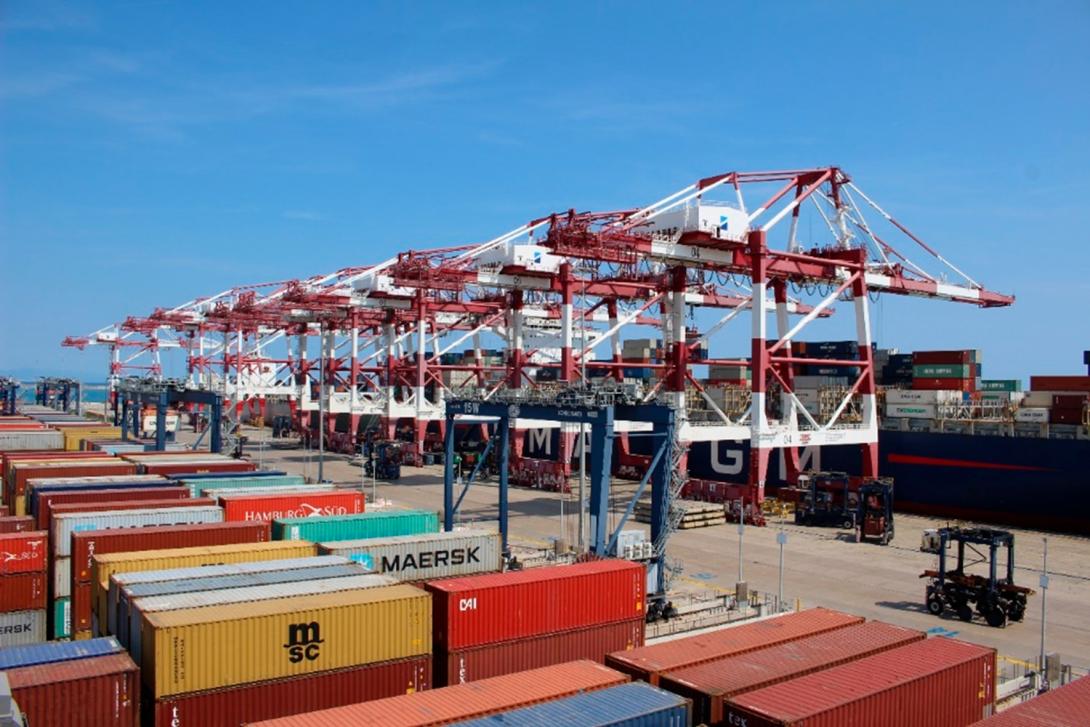

The collapse of MSC and BlackRock’s proposed investment in Barcelona’s BEST terminal highlights the competition risks surrounding carrier–terminal integration. It also provides a potential read-across for MSC’s much larger expansion across ports, towage, vehicle shipping and maritime logistics.
MSC’s port expansion has encountered a clear regulatory limit in Barcelona.
Shipping giant MSC and BlackRock have withdrawn their request for European Union approval of a plan to acquire a 50% stake in Terminal Catalunya (Tercat), operator of the Barcelona Europe South Terminal, or BEST, Reuters reported on 10 August. The European Commission’s case register shows that the notification under case M.11811 was withdrawn on 3 August.
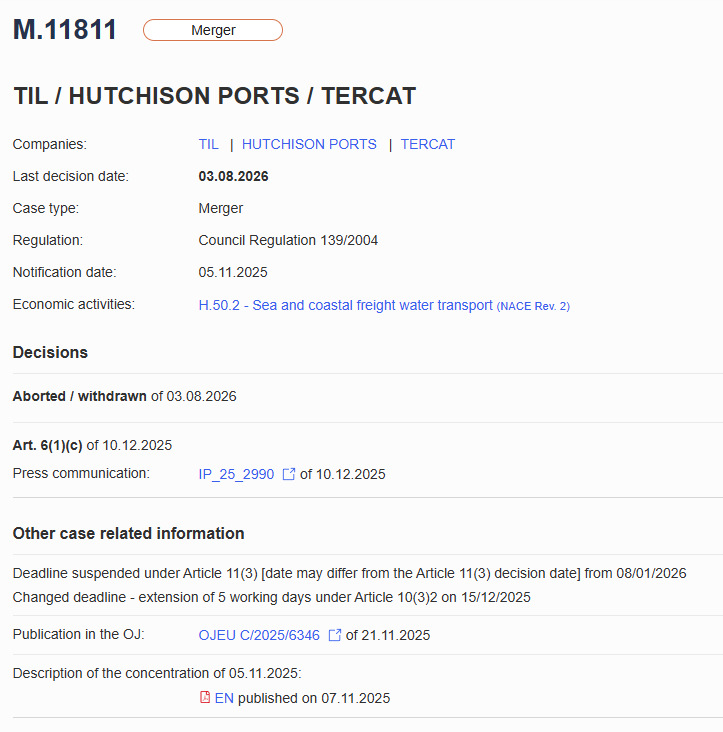 MarketWatch subsequently quoted a Commission spokesperson as saying that the regulator had taken note of Terminal Investment Limited Holding, or TiL, and Hutchison Ports’ decision to terminate their agreement.
The original transaction has therefore ended, leaving BEST under its existing ownership structure and the control of Hutchison Ports. The Commission did not formally prohibit the deal, and its in-depth investigation concluded without a final ruling. Any future attempt to revive the investment through a revised structure would require a new agreement and the relevant regulatory filings.
MSC, BlackRock and CK Hutchison had not commented on the reason for the withdrawal when Reuters published its report.
A year-long transaction reaches the end of the road
BEST is operated by Tercat and is currently controlled by CK Hutchison’s Hutchison Ports. Under the proposed transaction, Hutchison Ports would have transferred 50% of Tercat to TiL, after which TiL and Hutchison Ports would have jointly controlled the company.
When the Port of Barcelona approved the share transfer on 25 June 2025, it described TiL as majority-owned by MSC. TiL’s website also lists BlackRock-owned Global Infrastructure Partners, or GIP, and Singapore sovereign wealth fund GIC among its shareholders. In its assessment of the Barcelona deal, the European Commission described TiL as a global container terminal investment and operating platform jointly controlled by MSC and BlackRock.
The port authority attached several conditions to its local approval. These included non-discrimination between terminal users, continuity of service, compliance with concession obligations and the preservation of BEST as a common-user terminal open to the wider market. The approval remained subject to clearance by the relevant competition authorities.
The transaction was formally notified to the Commission on 5 November 2025. On 10 December, the regulator opened a Phase II investigation after identifying preliminary concerns that the deal could significantly reduce competition in container terminal services at the Port of Barcelona.
On 8 January 2026, the Commission suspended the review timetable under Article 11(3) of the EU Merger Regulation. The case entered a “stop-the-clock” phase. Local media reported that some technical information requested by the regulator had not been submitted within the required timeframe. The Port of Barcelona had also extended its local authorisation by six months, with that extension expiring in June.
The EU filing was withdrawn on 3 August. The process closed without a conditional clearance or a prohibition decision.
BEST’s strategic importance magnified the competition concerns
BEST is far more than a regional container terminal.
Located at the Port of Barcelona’s Prat wharf, it was Hutchison Ports’ first semi-automated container terminal and remains one of the most technologically advanced facilities in the Mediterranean. BEST says it has annual handling capacity of more than 2.5m teu and accommodates around 16 freight trains per day. The 80-hectare facility has approximately 1,500 metres of quay with a water depth of 16.5 metres, allowing it to serve multiple ultra-large container vessels simultaneously.
BEST also operates an eight-track railway facility. The Port of Barcelona describes it as the largest on-dock rail terminal at any Mediterranean port, linking Barcelona with inland Spain, southern France and the wider southern European hinterland. Seven new semi-automated yard blocks commissioned in 2025 increased its yard capacity by about 25%.
These assets directly influence berth availability, crane deployment, yard space, rail connections and cargo dwell times. A carrier acquiring an interest in such infrastructure can gain greater certainty over port capacity and closer network co-ordination. The same arrangement raises questions about whether a common-user terminal can remain genuinely carrier-neutral.
When it opened its in-depth investigation, the Commission said the transaction could allow Tercat to give preferential treatment to MSC. Competing carriers could face higher prices, delayed access to berths, reduced crane availability or restrictions on storage capacity. The regulator was particularly concerned about whether affected shipping lines would have sufficient alternatives in Barcelona.
The port has only two principal deep-sea container terminals: BEST, operated by Hutchison Ports, and Barcelona Container Terminal, or TCB, operated by APM Terminals. APM Terminals is part of A.P. Moller–Maersk. If MSC-controlled TiL had entered BEST, both of Barcelona’s core deep-sea terminals would have had ownership links to major liner competitors of the carriers using their facilities.
This local structure distinguished the case from a conventional terminal investment. The central questions were the availability of realistic alternatives, the scarcity of key terminal resources and whether the combined entity would have the ability and incentive to discriminate against rival carriers.
Why did MSC’s Hamburg investment clear while Barcelona did not?
Another major European port investment by MSC offers a useful comparison with the Barcelona case.
In November 2024, MSC completed its investment in Hamburger Hafen und Logistik AG, or HHLA. The City of Hamburg retained 50.1% of the company, while MSC acquired 49.9%, placing HHLA under joint control. HHLA operates several container terminals in Hamburg as well as a wider European inland logistics network.
MSC also committed to delivering at least 1m teu of annual volume to HHLA terminals from 2031, while MSC and the city agreed to provide €450m in additional equity to support investment.
The European Commission cleared that deal in October 2024. Its published decision examined MSC’s terminal interests across northern Europe, HHLA’s position in Hamburg and the potential for input or customer foreclosure.
The Commission concluded that the northern European port range still offered alternatives including Rotterdam, Antwerp, Bremerhaven, Wilhelmshaven, Le Havre and Gdańsk. It found that the combined entity lacked the ability or economic incentive to foreclose competing carriers and logistics providers.
Barcelona presented a much more concentrated local market. BEST and TCB are its only two main deep-sea container terminals, while shifting cargo to another terminal or port is constrained by hinterland destinations, rail links, inland transport distances and liner network design.
The comparison shows that the EU has not adopted a blanket objection to liner companies investing in terminals. Outcomes depend heavily on local market conditions. Where alternatives are limited and infrastructure is scarce, the regulatory threshold for carrier ownership becomes materially higher.
From a 1,000-ship fleet to terminals, towage and vehicle carriers
The Barcelona setback should be viewed within the context of MSC’s wider expansion.
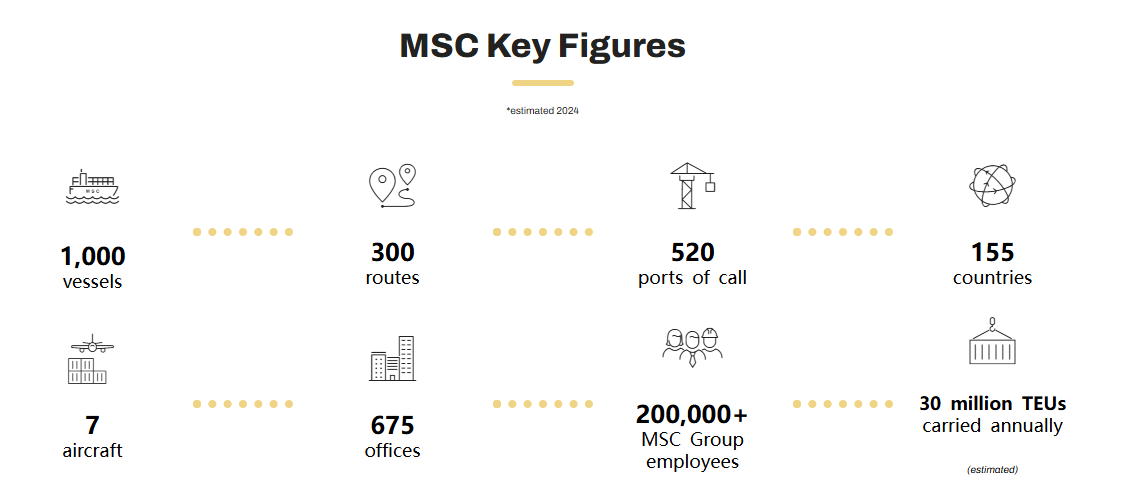
MSC currently says that it operates about 1,000 cargo vessels across 300 routes, serving 520 ports in 155 countries and moving an estimated 30m teu annually. As its ocean fleet has grown, the group has expanded into ports, inland transportation, towage, vehicle carriers and integrated maritime services.
TiL is the core port platform within that structure. According to TiL, its portfolio includes interests at major ports such as Singapore, Ningbo, Busan, Los Angeles, Long Beach, New York/New Jersey, Rotterdam, Antwerp, Le Havre and Valencia.
Based on TiL’s estimated 2023 figures, the portfolio handled approximately 65m teu and included more than 62 kilometres of quay, over 500 ship-to-shore cranes and more than 30,000 employees.
MSC has also been adding specialised maritime assets outside the terminal sector.
In 2024, wholly owned subsidiary SAS Shipping Agencies Services acquired Gram Car Carriers for about NOK7.64bn, equivalent to roughly $700m. At the time the offer was launched, Gram owned 18 pure car and truck carriers and managed another four vessels for third-party owners, making it one of the world’s leading PCTC tonnage providers. MSC later compulsorily acquired the remaining shares, giving the group immediate access to an established vehicle carrier fleet and long-term charter portfolio.
In June 2025, SAS completed the acquisition of a 56.47% stake in Brazil’s Wilson Sons for BRL4.352bn. Together with an additional 12% stake previously acquired in the market, MSC’s holding rose to 68.39% following completion.
Wilson Sons operates the Rio Grande and Salvador container terminals, a fleet of more than 80 tugboats, a shipyard, shipping agency operations, international logistics services and offshore support bases. The acquisition therefore gave MSC exposure to several layers of Brazil’s maritime supply chain, including port handling, towage, vessel services and inland logistics.
MSC’s 49.9% investment in HHLA, TiL’s continued terminal expansion, and the acquisitions of Gram Car Carriers and Wilson Sons form a coherent pattern. The world’s largest container fleet is becoming the central component of a broader network encompassing ocean capacity, terminal handling, towage and vessel services, rail connections and inland logistics.
The $22.8bn Hutchison ports deal faces two regulatory fronts
The proposed BEST investment and CK Hutchison’s much larger global ports disposal are separate transactions. The Barcelona deal began earlier and concerned a 50% stake in Tercat. The wider transaction covers most of CK Hutchison’s port portfolio outside mainland China and Hong Kong.
On 4 March 2025, CK Hutchison announced an agreement in principle with a consortium comprising BlackRock, GIP and TiL. Under the CK Hutchison announcement, the consortium proposed to acquire CK Hutchison’s 80% effective controlling interest in subsidiaries and associated companies owning, operating and developing 43 ports with 199 berths in 23 countries. The original structure also included a proposed acquisition of 90% of Panama Ports Company.
The enterprise value of the entire perimeter, including the Panama terminals, was agreed at $22.8bn. CK Hutchison said the transaction was expected to generate more than $19bn in cash proceeds. The sale perimeter excluded HPH Trust’s interests in Hong Kong, Shenzhen and other ports in mainland China.
The transaction subsequently became entangled in US–China tensions, a dispute over the Panama port concessions and regulatory reviews across multiple jurisdictions. After the exclusive negotiation period expired in July 2025, CK Hutchison said it would invite a Chinese strategic investor into the discussions. Market reports have widely identified Cosco Shipping as the likely participant, although no final ownership structure has been announced.
In February 2026, the Panamanian government took control of the Balboa and Cristobal terminals, forcing Panama Ports Company to cease operations. BlackRock and MSC were subsequently reported to be pursuing a revised transaction without the two Panama assets, potentially leaving around 41 ports in the sale perimeter. As of 11 August 2026, the parties had not announced definitive transaction documents or completion.
The pressure surrounding the wider Hutchison deal has largely focused on national security, control of strategic infrastructure and geopolitical rivalry. Barcelona exposes a separate regulatory dimension. Even where a port transaction can navigate political and foreign investment scrutiny, European competition authorities will still assess local terminal markets, vertical control by liner companies and the practical alternatives available to rival carriers.
The BEST outcome does not predetermine the fate of the wider Hutchison transaction. The asset scope, transaction structures and filing procedures are different. However, if TiL and its partners acquire control of European assets within the Hutchison portfolio, regulators are likely to apply the same analytical framework seen in Barcelona.
Local market concentration, the number of alternative terminals, carrier neutrality and the possibility of MSC receiving preferential access will all be central to the assessment.
MSC will keep expanding, but the transaction cost is changing
For MSC, additional ships increase network capacity, while terminal ownership improves berth certainty, handling efficiency and operational resilience. This vertical integration has a clear commercial rationale at a time of repeated supply-chain disruption, port congestion and geopolitical risk.
As MSC’s market share and terminal portfolio continue to expand, regulators are examining its control over scarce infrastructure in greater detail. Future transactions will need to answer several practical questions: whether rival carriers can secure equivalent berth windows, cranes, yard space and rail capacity; whether common-user terminals can remain genuinely carrier-neutral; and whether realistic alternative facilities exist.
The termination of the BEST deal does not change MSC’s long-term direction as an integrated maritime and logistics group. It raises the threshold for the next stage of that expansion. Competition compliance, governance safeguards and infrastructure neutrality are becoming part of transaction design from the outset.
MSC has already crossed the 1,000-vessel mark. Expanding its port portfolio will continue to require market-by-market and asset-by-asset scrutiny. The next phase of competition among global shipping groups will be measured by more than the number of vessels and terminals they control. It will also depend on how effectively they balance expansion, network integration and regulatory limits.

READ MORE
 Ports & Terminals
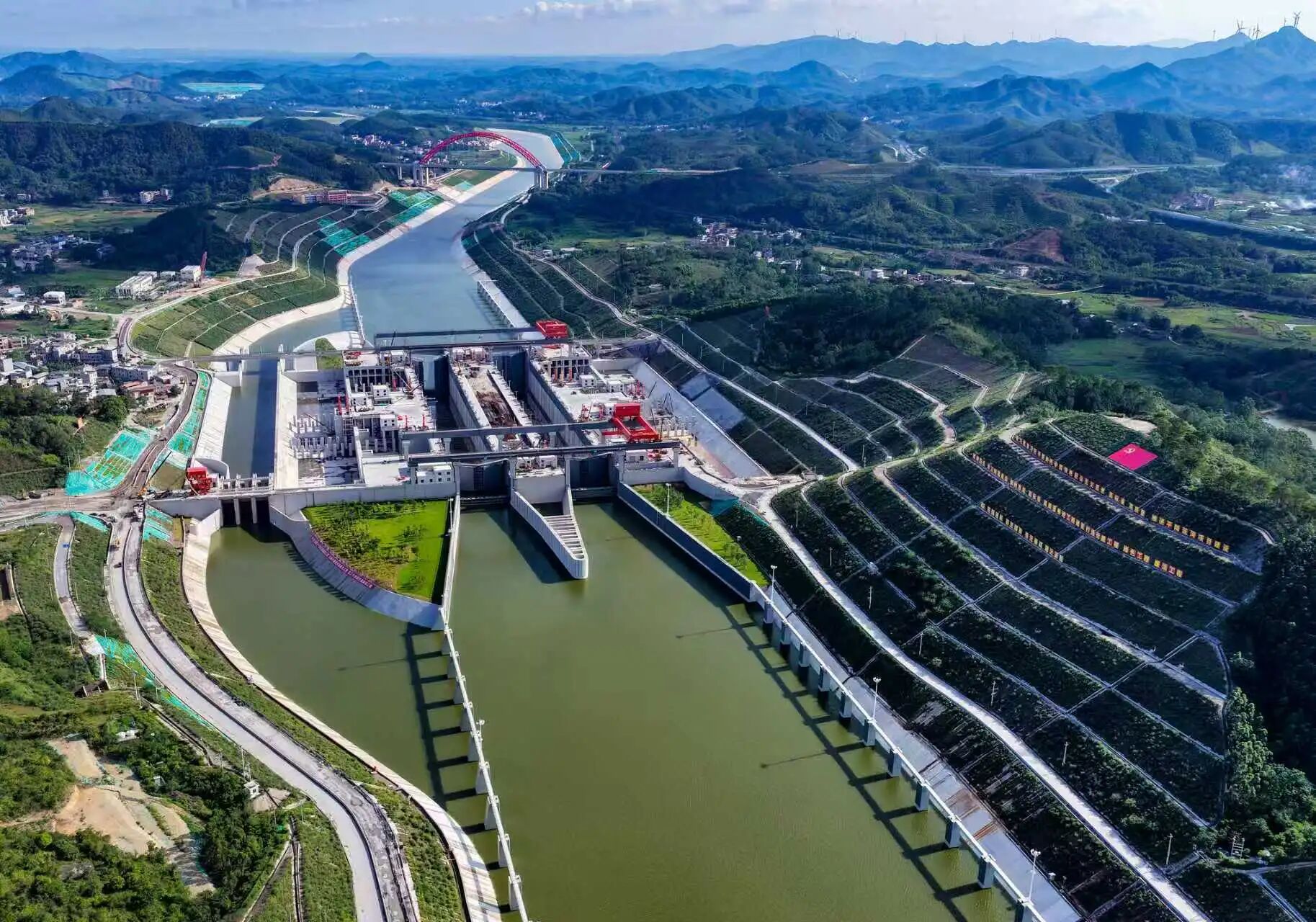
Pinglu Canal opens a new river-to-sea route for southwest China
 Ports & Terminals
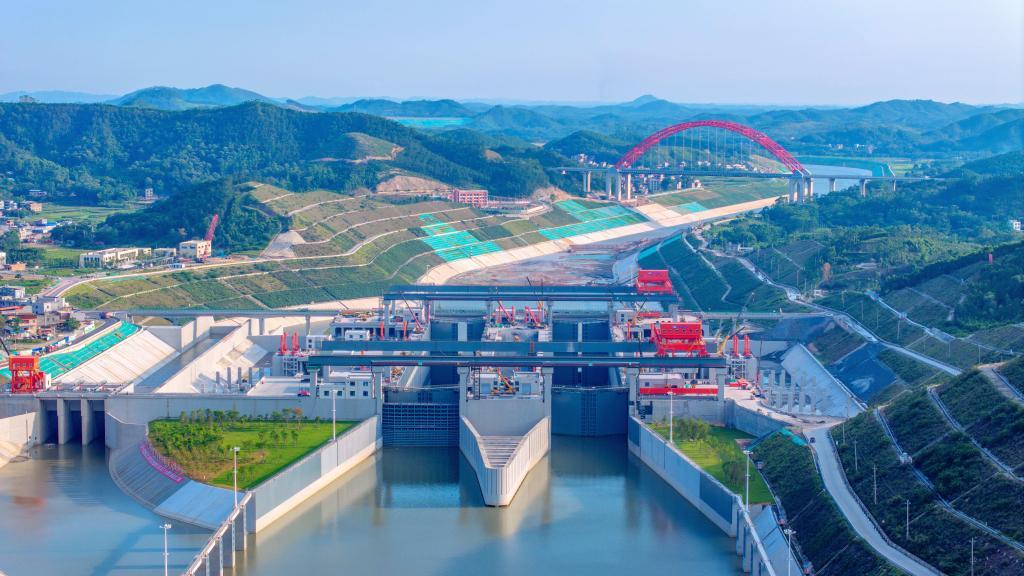
China’s $10.7bn Pinglu Canal to Open Sept. 16, Cutting Southwest–ASEAN Shipping Route by 560 km
 Ports & Terminals
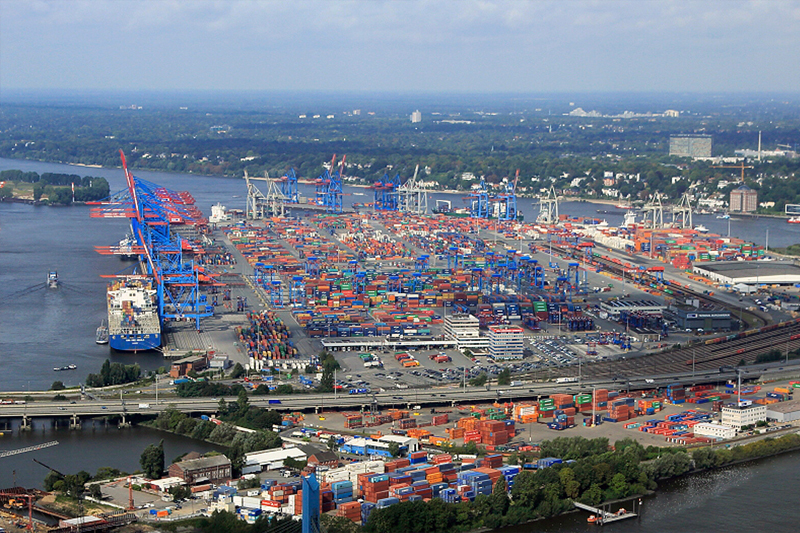
Northern Europe Port Strikes Add New Pressure to Asia–Europe Container Schedules
 Ports & Terminals
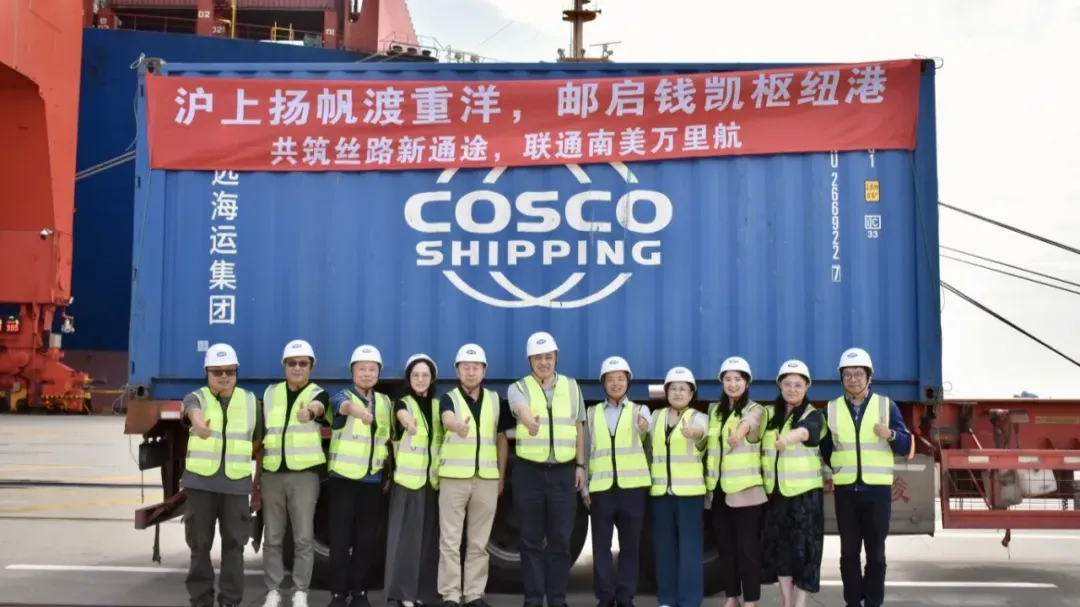
COSCO SHIPPING and Shanghai Post Launch 28-Day Postal Sea Route to Peru via Chancay
 Ports & Terminals
Shanghai-Ningbo Delays Stretch to 11 Days as Typhoon Backlog Spills Into Liner Networks
 Ports & Terminals
Container Schedule Reliability Slumps to 56.4% as Port Congestion Spreads
 Ports & Terminals
Hormuz Toll Debate Tests the Rules Governing the World’s Strategic Straits
 Ports & Terminals
Record $5.3 Million Panama Canal Bid: SK Gas Secures Transit Slot for G.SPIRIT
 Ports & Terminals
Global No. 2 Changes Hands: Ningbo-Zhoushan Overtakes Singapore for the First Time in H1
 Ports & Terminals