


Europe Is Sweltering at 40°C — Chinese Manufacturers and Shipping Networks Are Delivering the Cool
.


When a French traveller checked in for his flight home from Shanghai, one item of luggage immediately stood out: a Chinese-made air conditioner.
He was taking it back to Europe to help elderly family members cope with the intense summer heat. The unusual journey quickly attracted attention online, yet behind this single appliance lies a far larger story. Across China, millions of air conditioners, fans and other cooling products are moving through factories, rail terminals, ports, containerships, warehouses and distribution centres on their way to European homes and businesses.

In the first half of 2026 alone, COSCO SHIPPING Lines transported approximately 1.75 million sets of cooling equipment from China to Europe, serving markets including France, Germany, Spain, the Netherlands, Belgium and the United Kingdom.
As temperatures approach or exceed 40°C in cities such as Paris, Berlin and Vienna, cooling equipment is rapidly moving from a seasonal consumer purchase to an essential requirement for households, hospitals, schools, care homes, offices and data centres.
China’s manufacturing capacity is supplying the equipment. Chinese shipping and logistics companies are ensuring it arrives before the next heatwave.
Europe’s heatwave is creating a new containerised trade flow
Many European homes and public buildings were designed for relatively mild summers and lack comprehensive air-conditioning systems. As extreme heat becomes more frequent, demand for split air conditioners, portable cooling units and electric fans is rising sharply.
Maritime industry executive Punit Oza, FICS, AFNI, LLB, M.Sc. recently observed that supply chains are often discussed as an abstraction. Europe’s summer heat, however, has made their role highly visible. Every air-conditioning unit cooling a hospital ward, classroom or server room must pass through a factory, a container, a vessel and a port before reaching its final destination.
Figures cited in his analysis show that European Union imports of Chinese air conditioners reached $3.76 billion in the first half of 2026, an increase of about 43% year on year.
The surge reflects the strength of China’s household-appliance manufacturing base. Companies such as Midea, Gree, Haier, Hisense and TCL have the production scale, product range and cost competitiveness to respond quickly to sudden increases in European demand.
Yet production is only part of the equation.
Cooling appliances are bulky, seasonal and increasingly time-sensitive. Retailers need stock before temperatures peak. A shipment arriving several weeks late may miss the most important sales window. Manufacturers therefore require dependable vessel capacity, rapid customs clearance and efficient distribution after arrival in Europe.
This is where China’s shipping and logistics capabilities become critical.
Bringing logistics directly to the factory gate
China’s major household-appliance manufacturing clusters are concentrated in cities including Hefei, Zhongshan, Jiangmen and Qingdao. Large volumes of air conditioners, refrigerators, washing machines and components move from these industrial centres to major ports such as Shanghai, Nansha, Yantian and Qingdao.
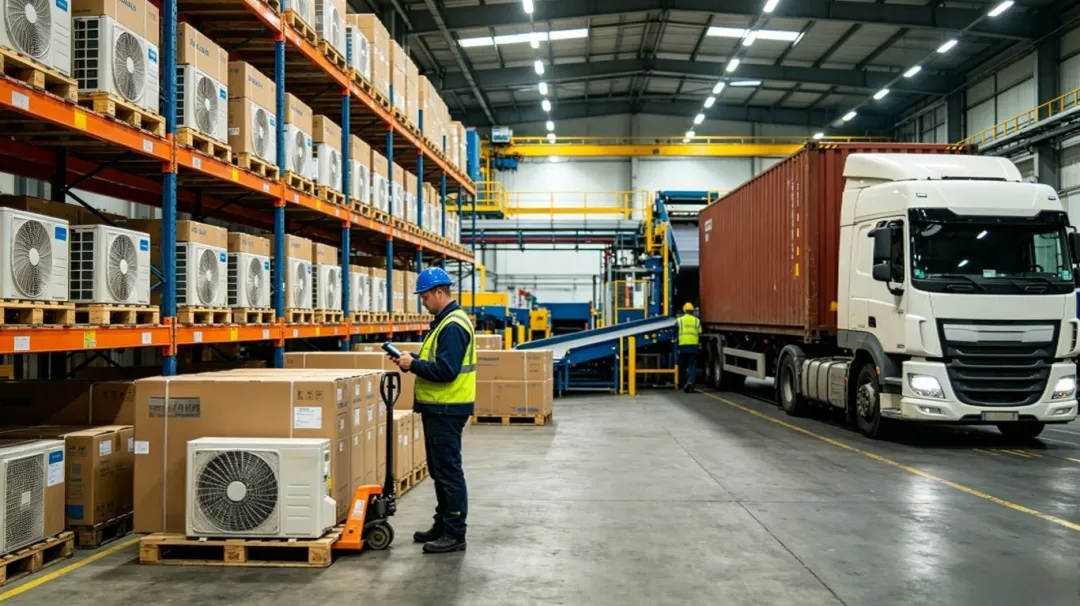
COSCO SHIPPING has moved its services closer to the production line, integrating inland transport, factory loading, rail connections, customs procedures and ocean shipping.
In eastern and southern China, finished air conditioners can be loaded into containers near the factory and moved by sea-rail services directly to major gateway ports. This reduces repeated handling, limits intermediate transfers and shortens the distance between the assembly line and the deep-sea vessel.
At manufacturing bases in Qingdao, some cargoes can be connected directly with port operations and vessel schedules shortly after leaving the production line.
Dedicated 24-hour customs services further support the rapid movement of export cargoes, allowing manufacturers to ship products as soon as production is completed. This “produce and dispatch” model is especially valuable when European customers suddenly increase orders in response to weather forecasts.
For appliance manufacturers, the result is a closer link between production planning and transport capacity.
COSCO SHIPPING’s Shanghai operation has developed integrated “sea-rail plus destination trucking” services for companies including Changhong Meiling, Whirlpool and TCL. The arrangement coordinates production, vessel space and delivery requirements across the entire transport chain.
In Qingdao, COSCO SHIPPING works with Haier and Hisense through regular booking and cargo-tracking mechanisms. Vessel schedules, overseas orders and transshipment arrangements are reviewed continuously so that logistics plans can be adjusted as demand changes.
During the latest European heatwave, Haier reportedly added an urgent order of 100,000 air-conditioning units for France and Spain, while Hisense also recorded strong growth in overseas demand. COSCO SHIPPING’s network helped absorb these additional volumes without disrupting the broader export programme.
Shipping services in this model extend well beyond the traditional task of moving a container from one port to another. They support production coordination, inventory management and market response.
Securing capacity on a volatile Asia–Europe trade lane
The Asia–Europe container route is one of the world’s most important trade corridors, yet it is also highly exposed to disruption.
Red Sea security risks, changing Suez Canal conditions, port congestion, longer voyages and seasonal cargo peaks can all affect vessel schedules and available capacity. For air conditioners racing against a heatwave, delays can have an immediate commercial and social impact.
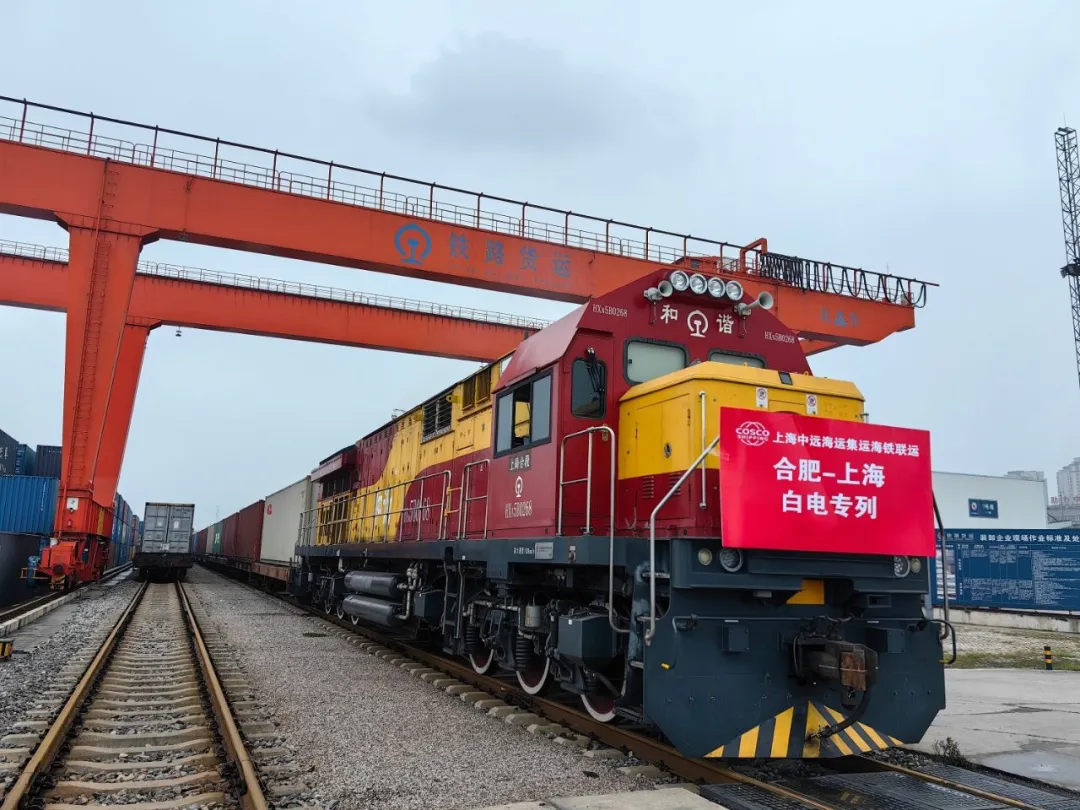
COSCO SHIPPING Lines has responded by dynamically adjusting vessels, container equipment and slot allocation across its global network. Capacity is matched with the shipping cycles of appliance manufacturers, particularly during periods of concentrated export demand.
The company has also strengthened its European network by optimising port rotations, expanding mainline capacity and improving hub transshipment efficiency. Inland connections serving markets such as the United Kingdom and Poland have been enhanced to extend the reach of ocean services beyond the port.
The resulting system combines several transport modes.
Deep-sea shipping carries the majority of large-volume cargoes. Rail services provide an additional option for urgent or highly time-sensitive consignments. Ports, inland terminals, trucking services and warehouses connect the main transport legs.
Ocean freight provides scale. Rail adds speed. Integrated inland logistics delivers the cargo to its market.
The 1.75 million sets of cooling equipment transported by COSCO SHIPPING Lines in the first half of 2026 represent far more than a headline volume. Behind them are thousands of container movements, vessel connections, customs declarations, rail transfers and final-mile deliveries.
They also indicate that Europe’s demand for cooling equipment is becoming an increasingly significant component of Asia–Europe container trade.
Moving inventory closer to European consumers
Arrival at a European port is only one stage of the journey.
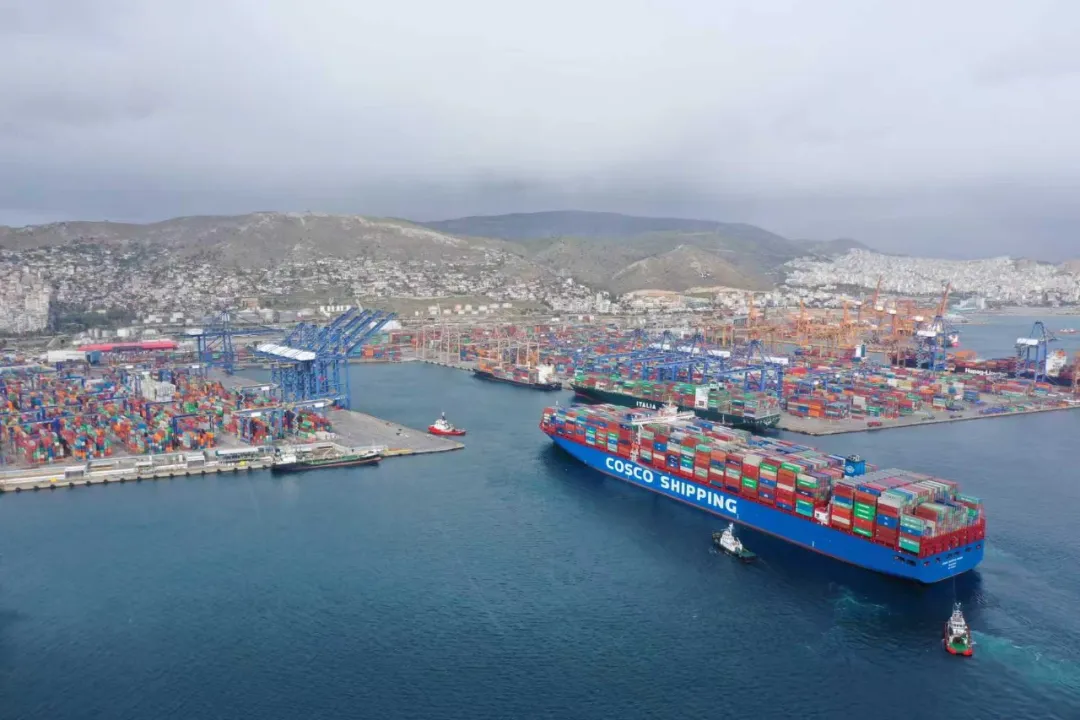
When large volumes of household appliances reach gateways such as Rotterdam, Antwerp, Zeebrugge, Gdansk or Piraeus, terminal collection, customs clearance, warehousing and inland distribution determine how quickly the goods can reach retailers and consumers.
COSCO SHIPPING has established overseas warehousing and logistics nodes in locations including Piraeus in Greece, Zeebrugge in Belgium and Gdansk in Poland. These facilities allow manufacturers to position inventory closer to European customers.
During sudden heatwaves, local stock can be released immediately instead of waiting for emergency replenishment from China. Forward warehousing also helps absorb vessel delays, congestion and fluctuations in consumer demand.
At selected locations, COSCO SHIPPING has developed integrated port-shipping-warehouse operations. Cargo can move directly from the port into associated warehouses, where local order systems arrange picking and distribution.
By reducing repeated handling and intermediate storage, some orders can be dispatched within 24 hours.
Rail services are also used to relieve pressure on road transport when large appliance shipments arrive in concentrated batches. Connections between ports, warehouses, factories and regional distribution centres improve the reliability of inland movement.
Chinese appliance groups including Midea, TCL, Haier and Hisense now use various parts of this European customs, warehousing and distribution network.
The supply chain therefore stretches continuously from Chinese production lines to European homes: factory loading, inland transport, port handling, ocean carriage, European warehousing and final delivery.
Chinese manufacturing strength meets Chinese logistics capability
Europe’s air-conditioning boom is demonstrating how industrial capacity and logistics capability reinforce each other.
Chinese manufacturers can increase output rapidly, adapt product designs to different markets and supply large orders at competitive cost. Chinese shipping companies provide the vessels, containers, port connections and inland services required to convert that production capacity into reliable overseas delivery.
This coordination is particularly important for climate-related demand.
A heatwave can trigger a sudden rise in orders within days. Factories must increase production, carriers must secure space, ports must process additional containers and warehouses must prepare inventory for rapid distribution.
Any weak link can delay the entire chain.
COSCO SHIPPING’s role in moving 1.75 million sets of cooling equipment to Europe illustrates the growing importance of integrated logistics. Its services connect industrial clusters, railway terminals, gateway ports, global shipping routes and European distribution networks within one coordinated system.
For European consumers, the final result is simple: an air conditioner arrives, is installed and begins producing cool air.
Behind that moment stands a much larger industrial and maritime operation.
It reflects the manufacturing efficiency of Chinese appliance producers, the global reach of Chinese shipping companies and the ability of an integrated supply chain to respond quickly to urgent social and commercial demand.
This summer, the “cool breeze” reaching Europe is being produced in Chinese factories and carried across continents by Chinese ships, trains, ports and logistics networks.
China is supplying more than cooling appliances. It is providing the manufacturing scale and transport capacity required to help Europe adapt to an increasingly hotter climate.

READ MORE
 Containers
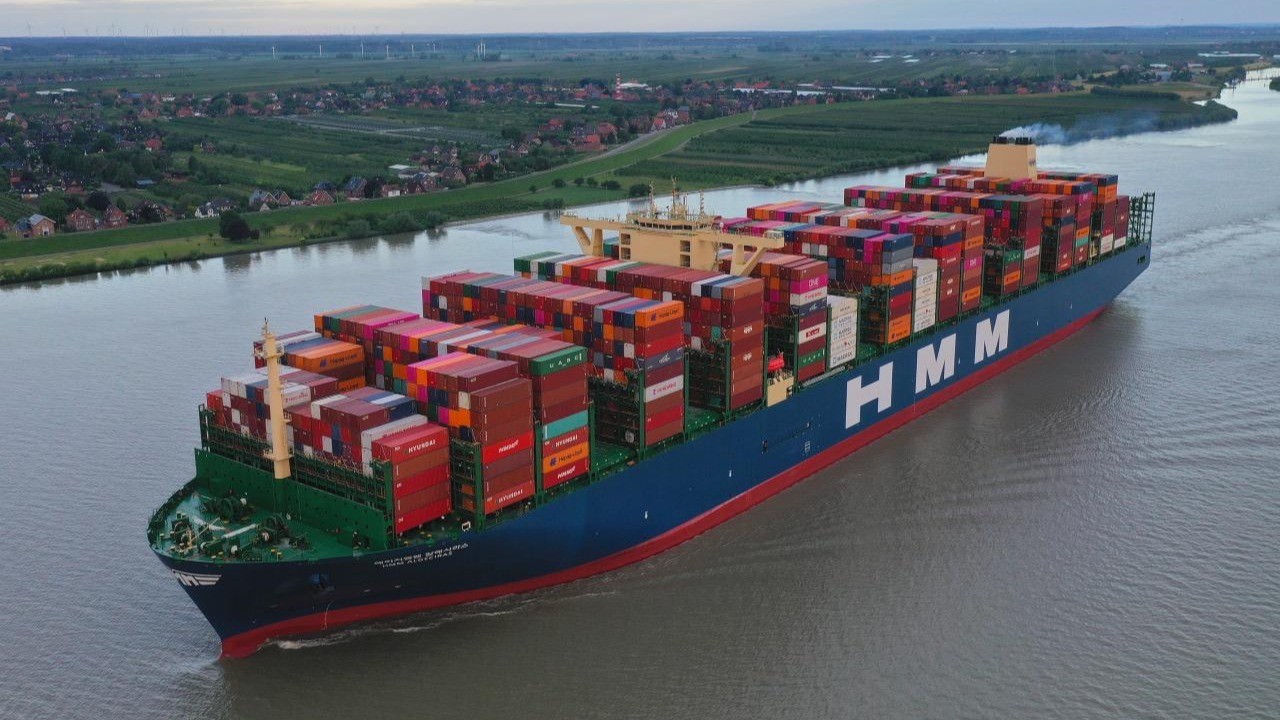
HMM Approves $1.62 Billion Plan to Add 12 Containerships
 Containers
Buy Again! From Ships to Ports: Inside the Maersk Family’s Infrastructure Buying Spree
 Containers
CMA CGM Updates eBL Templates to Clarify Electronic Original Status
 Containers
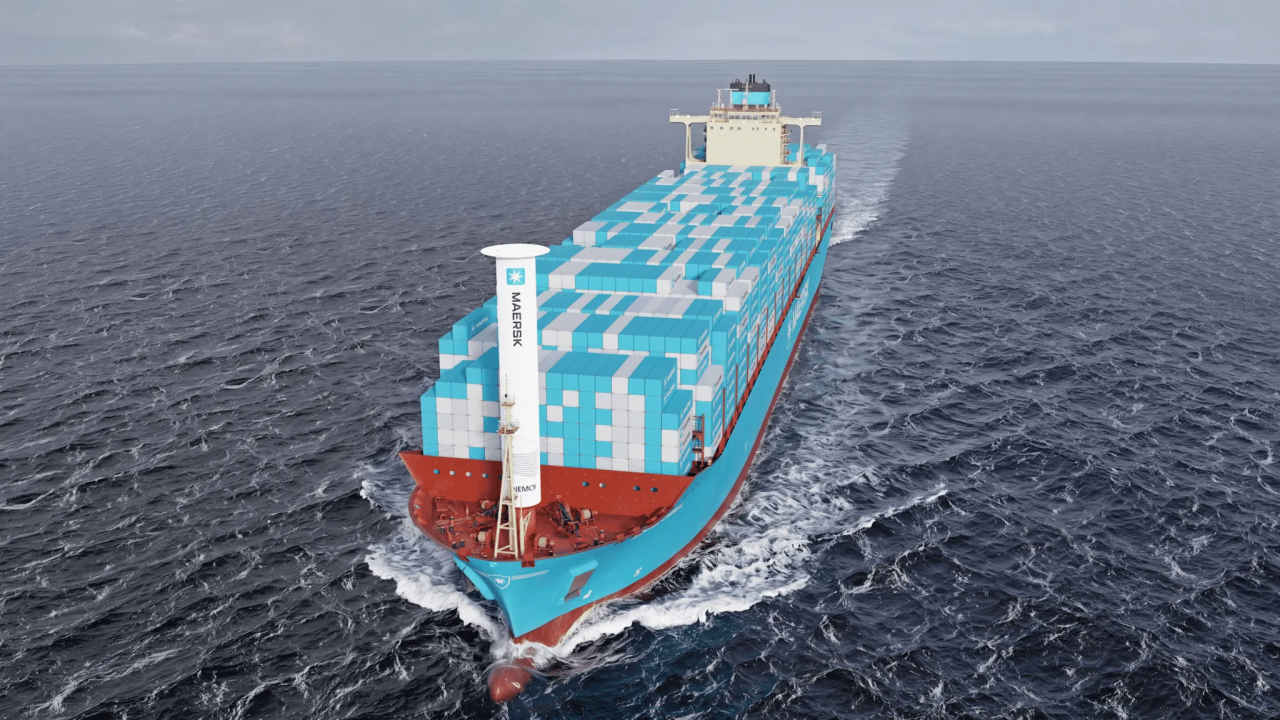
With an Orderbook Above 45% of the Fleet, Why Are Container Lines Still Paying Up for Ships?
 Containers
Bigger Fleets, Wider Networks: China’s Provincial Shipping Companies Step Up Expansion
 Containers
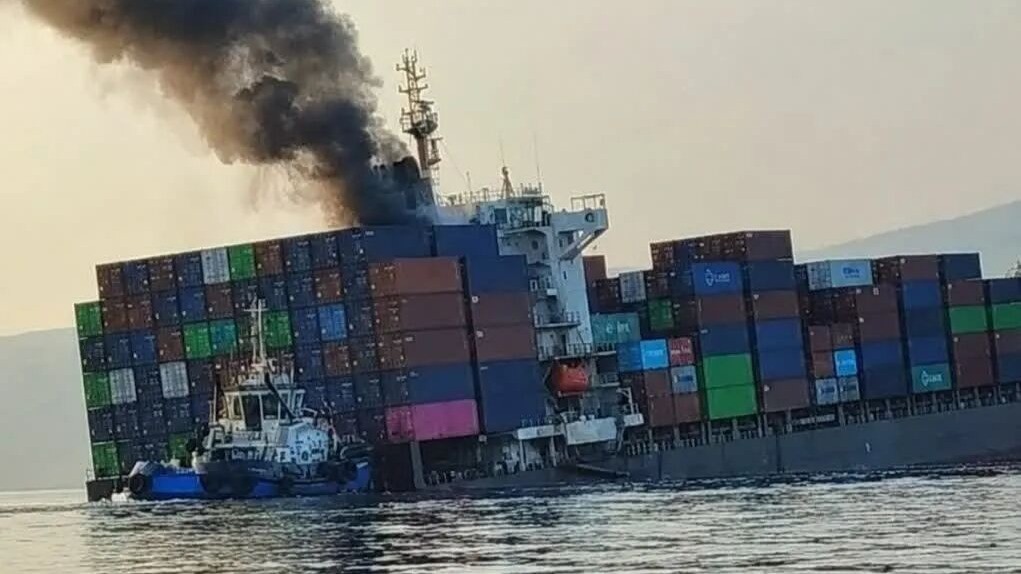
2,824-TEU GFS PRIDE Sinks in Hormuz; All 21 Crew Safe
 Containers
Zhonggu Orders Its First 14,000 TEU Ships as Annual Newbuilding Tally Reaches 20
 Containers
CMA CGM Expands Biomethane Push with Singapore Supply Partnership
 Containers
sakos Returns to Containership Ordering After Four Years with Hengli Deal
 Containers