


2,824-TEU GFS PRIDE Sinks in Hormuz; All 21 Crew Safe
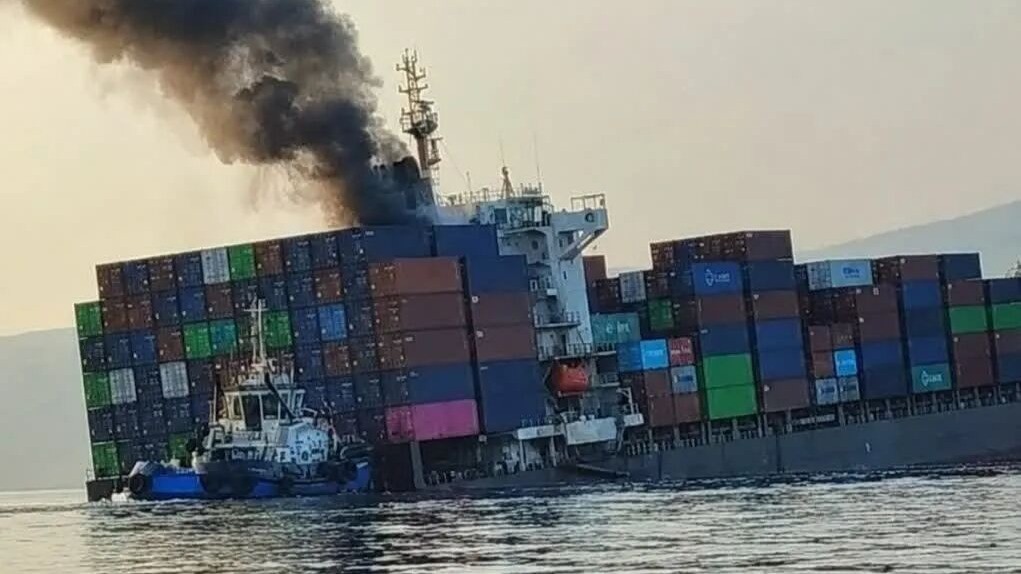

The Singapore-flagged, 2,824-TEU containership GFS PRIDE has sunk following a reported projectile strike in the Strait of Hormuz. All 21 crew members were safely evacuated, with no injuries reported, the Maritime and Port Authority of Singapore (MPA) confirmed on 14 October. The authority said the vessel was reportedly struck on 13 October, Singapore time, sustaining damage and an onboard fire before sinking. Maritime and Port Authority of Singapore
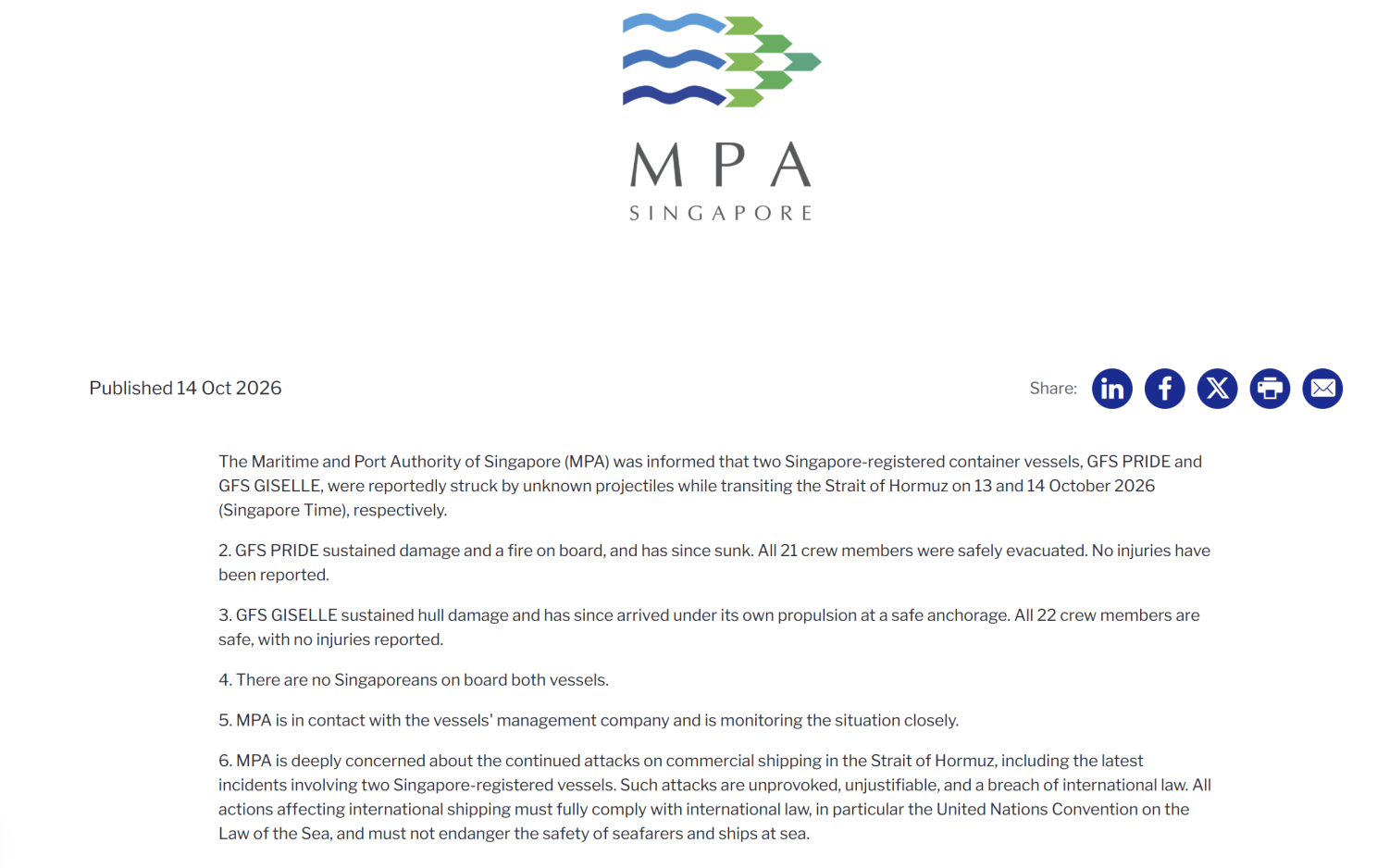
The loss comes amid further attacks on commercial vessels in the waterway, adding to the difficulties facing regional feeder operators that maintain cargo connections between Gulf ports and international shipping networks.
Iran Claims Mine Strike
Reuters initially reported the sinking on 14 October, citing maritime security sources who said GFS PRIDE had been hit by a projectile. It identified the vessel’s manager as UAE-based GFS Ship Management FZE.
Separately, Iran’s Islamic Revolutionary Guard Corps Navy said an unnamed containership carrying more than 2,500 containers had struck a mine while attempting to use what it described as an “unauthorised and dangerous” route through the strait. According to the statement, reported by Xinhua, the vessel caught fire and sank in waters south of the strait on the morning of 14 October. Iran also warned nearby vessels and fishermen about floating containers. The mine claim remains unverified; Singapore’s statement referred to reported strikes by unknown projectiles.
Built in 2008, GFS PRIDE has IMO number 9349045, a deadweight of 39,446 tonnes, an overall length of approximately 222.2 metres and a beam of 30 metres.
GFS’s Role in AD Ports Group
GFS PRIDE belongs to the operating fleet of Global Feeder Shipping (GFS), the Dubai-based container shipping company serving regional and international markets. GFS is majority-owned by AD Ports Group, the Abu Dhabi-based ports, maritime and logistics group.
On 24 June 2026, AD Ports announced that it had acquired an additional 30% stake in GFS for AED1.1 billion, approximately $300 million, increasing its holding to 81%. The group had acquired its initial 51% interest in February 2024 and exercised an option to increase its ownership.
GFS carried 2.8 million TEU in 2025, completing more than 700 voyages across a network covering 89 ports in 54 countries, according to AD Ports. When announcing the increased stake, the group said GFS had maintained and expanded services during maritime disruption, including in markets where other operators had withdrawn. Its network serves the Gulf, Indian subcontinent, Red Sea, Far East, Mediterranean and Africa.

For cargo owners using these connections, the loss exposes a vulnerable part of the transport chain. Feeder services link major hubs with regional destinations; disruption to those sailings can delay onward delivery even after containers have completed their main ocean voyage.
Other Merchant Ships Hit
GFS PRIDE was among several vessels identified in the latest series of incidents. The United Kingdom Maritime Trade Operations (UKMTO), which issues security information for merchant shipping in the region, reported four attacks dated 13 October involving three containerships and a tanker. The notices described strikes by unknown projectiles without naming the vessels.
Maritime security company Vanguard Tech identified them as GFS PRIDE, GFS GISELLE, AL SAADIYAT and the tanker ALFONSO. It reported no significant damage or casualties aboard AL SAADIYAT following an attack during an outbound transit. ALFONSO’s condition remained unclear.
MPA separately confirmed that GFS GISELLE was reportedly struck on 14 October, Singapore time. The vessel sustained hull damage but reached a safe anchorage under its own power. All 22 crew members were safe, with no injuries reported.
Reuters also reported that the Antigua and Barbuda-flagged bulk carrier CAPE DAO was said to be sinking near the strait after sustaining a projectile strike on 23 September. Vanguard described an unsuccessful rescue attempt. The vessel is managed by UAE-based Peonies Shipmanagement FZE, which Reuters could not immediately reach for comment.
A navigational warning issued by the Hydrographer of Pakistan on 14 October reported GFS PRIDE sunk and warned mariners of floating containers, according to Reuters. The warning adds a separate navigational concern for ships operating near the casualty.
Gulf Supply Chains Depend on Feeder Connections
The casualty comes as carriers are already combining alternative ports, road transport and intra-Gulf feeder services to move cargo around regional disruption.
In its Middle East Operational Update 51, updated on 8 October, Maersk described routing certain shipments for Kuwait, Iraq, Qatar, Bahrain and the UAE through Salalah and Khor Fakkan, followed by a landbridge to Sharjah and onward intra-Gulf feeder connections.
Such arrangements depend on several consecutive handovers. A delay at the discharge terminal, during road transfer or on the final feeder sailing can affect the entire delivery schedule. Further disruption to feeder services could therefore put additional pressure on cargo already moving through contingency routes.
Maersk’s market update of 13 October said disruption around Hormuz continued to affect cargo flows and supply availability in Saudi Arabia’s Eastern Region, including Dammam. It highlighted the need to coordinate inbound transport, inventory requirements and warehouse capacity.
$1,000 per Container for Hormuz Transits
The costs of operating through the strait were already appearing in freight bills before the sinking. Maersk’s Operational Update 51 specified an additional $1,000 per container for shipments carried through Hormuz, covering increased costs including insurance premiums and crew risk compensation. For cargo using that sea route, the fee replaces separately charged landbridge costs and is payable on top of the applicable Emergency Freight Rate.
The same advisory reported vessel congestion, limited berth availability, high yard utilisation and extended truck waiting times at Khor Fakkan, delaying cargo clearance.
These conditions leave carriers and cargo owners weighing the cost and availability of several imperfect transport options. Moving cargo through alternative gateways requires sufficient terminal, trucking and onward vessel capacity, while direct sea transit exposes ships and their crews to the security conditions in the strait.
The loss of GFS PRIDE adds to the pressure on the feeder networks serving Gulf trade. Reliable delivery will depend on safe passage for merchant ships, timely information about hazards and transport connections that can be maintained throughout the journey.


READ MORE
 Containers
Zhonggu Orders Its First 14,000 TEU Ships as Annual Newbuilding Tally Reaches 20
 Containers
CMA CGM Expands Biomethane Push with Singapore Supply Partnership
 Containers
sakos Returns to Containership Ordering After Four Years with Hengli Deal
 Containers
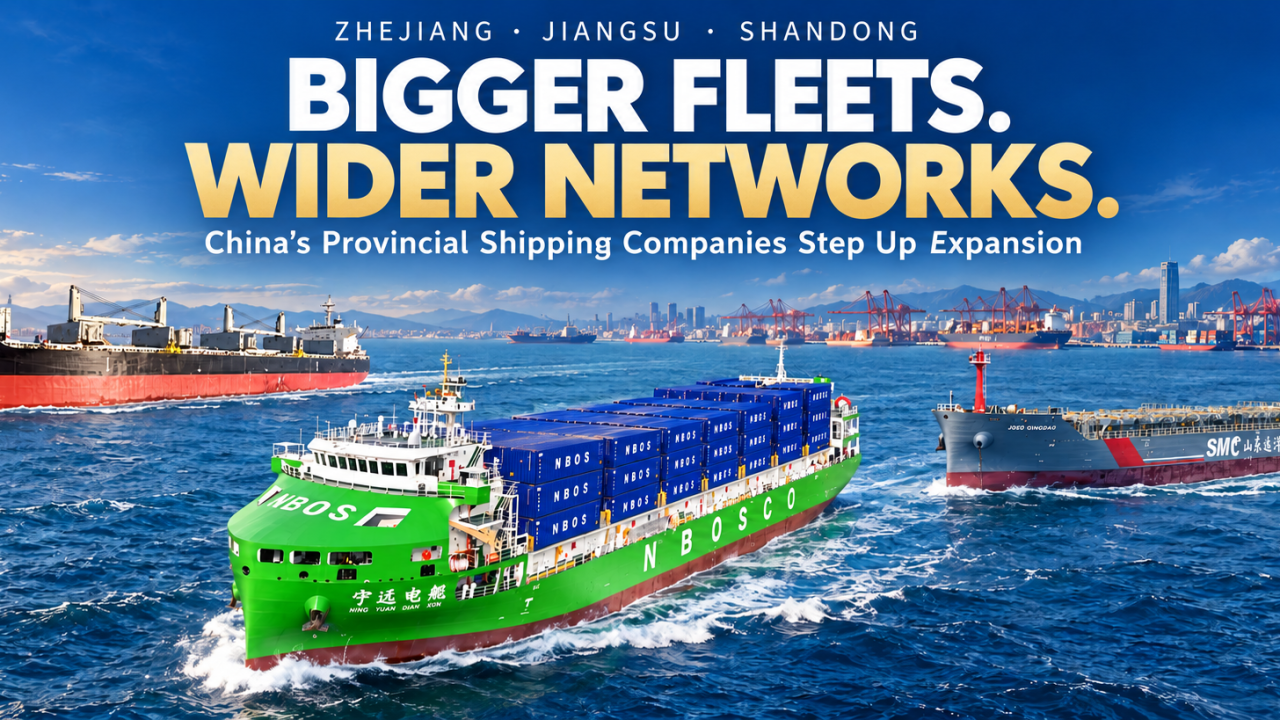
Bigger Fleets, Wider Networks: China’s Provincial Shipping Companies Step Up Expansion
 Containers
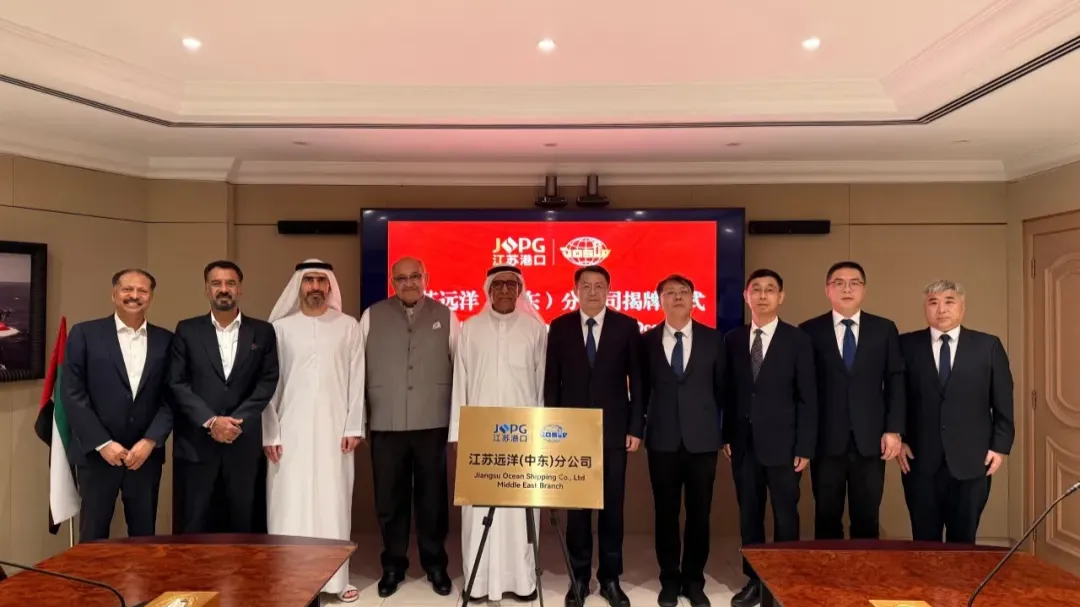
Global Ambitions, Provincial Roots: China’s State-Owned JOSCO Expands Overseas
 Containers
China Merchants links container and bulker businesses in Australia trial
 Containers
Ningbo Containerized Freight Index Weekly Commentary North America Freight Rates Remained Elevated; Composite Index Decline Narrowed
 Containers
CMA CGM’s $1.4bn FedEx Supply Chain Deal: How Its Global Logistics Network Is Taking Shape
 Containers
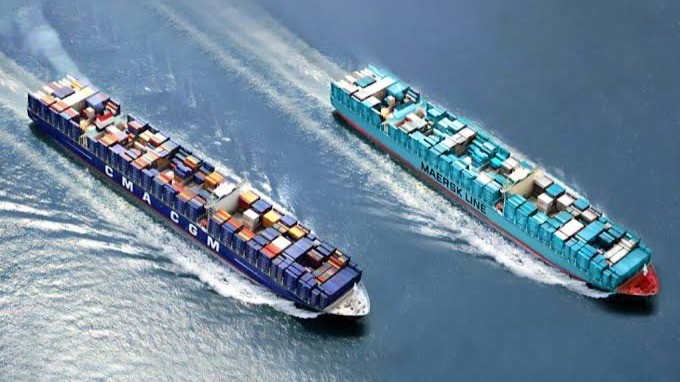
CMA CGM vs Maersk: A New Arms Race Begins!
 Containers