


Panama Flag Exodus Accelerates as 642 Ships Reflag in First Half of 2026
June departures reached 266 vessels, while owners linked to mainland China accounted for the largest share of ships leaving the registry
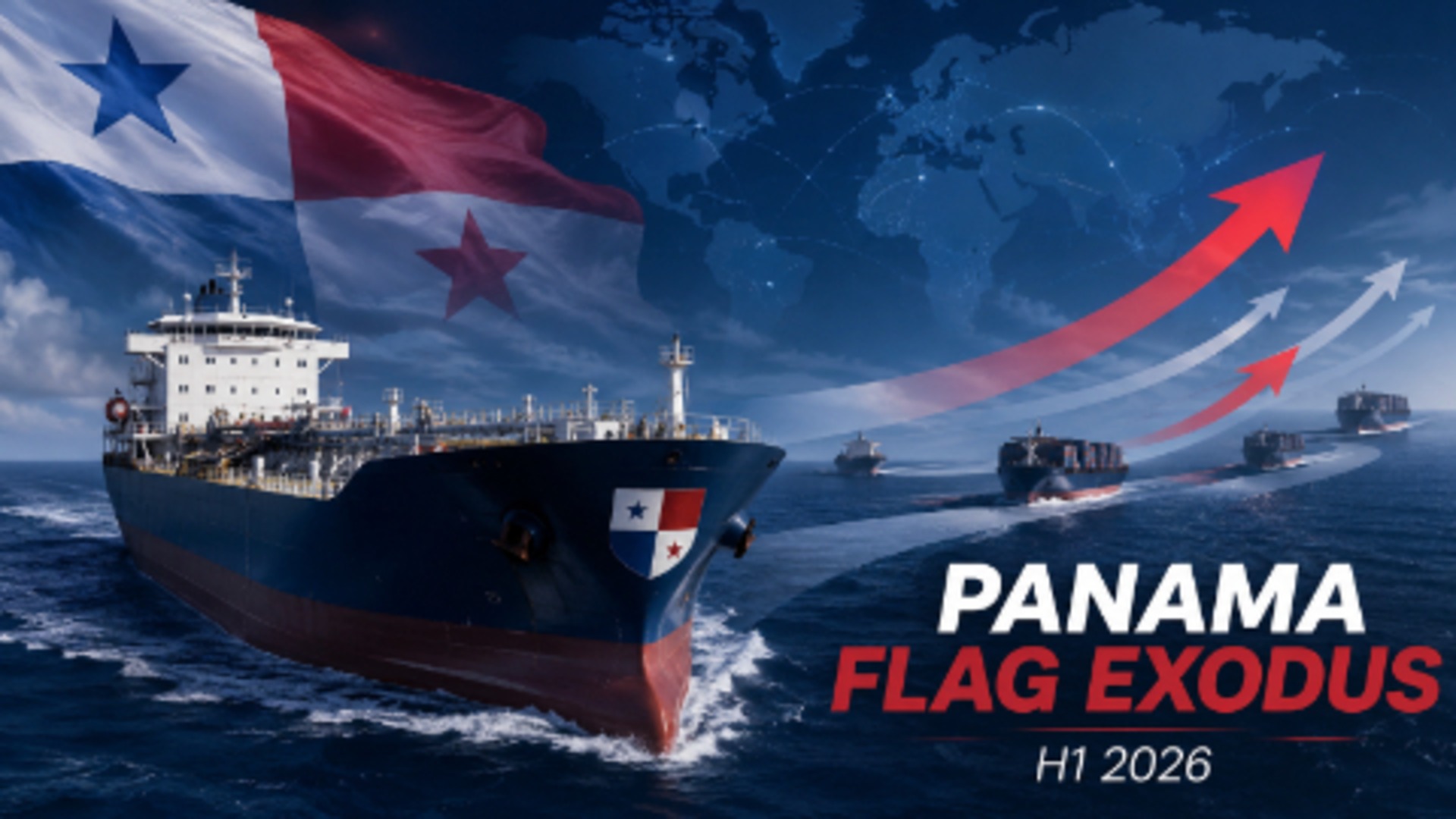

The Panama Ship Registry recorded a sharp increase in vessel departures during the first half of 2026, as regulatory uncertainty, intensified port state control inspections and wider compliance considerations prompted more shipowners to reconsider their flag arrangements.
Data from Clarksons Research’s World Fleet Register show that 642 vessels transferred out of the Panama flag between January and June 2026. Only 150 vessels transferred into the registry during the same period, producing a net outflow of 492 ships.
The pace of departures accelerated rapidly during the second quarter. A total of 86 vessels left in April, followed by 150 in May and 266 in June. These three months accounted for 502 departures, or 78% of the first-half total.
June alone produced a net outflow of 243 ships, with 266 departures against only 23 arrivals.
Lloyd’s List Intelligence has identified the same underlying trend, although its monthly figures differ slightly because of database coverage, reporting cut-off dates and flag-status classifications. Its latest analysis counted 264 ships leaving the Panama registry in June, describing the movement as an exodus unseen in nearly two decades.
Mainland Chinese owners lead the departures
Shipowners associated with mainland China represented the largest group transferring vessels away from the Panama flag.
According to the Clarksons data, 240 vessels linked to mainland Chinese ownership changed flag during the first six months of 2026, accounting for 37% of all departures. A further 18 vessels were linked to Hong Kong owners.
Japan ranked second with 81 vessels, or 13% of the total. Singapore followed with 35 ships, while Taiwan-related owners accounted for 34. Greek and South Korean owners transferred 32 and 31 vessels respectively.
Owners from Türkiye and the United Arab Emirates each accounted for 24 departures. Another 113 vessels were distributed among other ownership jurisdictions.
The geographical pattern indicates that Asian owners have been central to the reflagging movement. Many of these fleets regularly trade to Chinese ports, particularly in the dry bulk, tanker and container sectors. Any increase in inspection frequency, detention exposure or port delays can therefore have a direct effect on voyage economics and schedule reliability.
Marshall Islands, Bahamas and Liberia gain vessels
The ships leaving Panama have transferred to a broad range of alternative registries.
The Marshall Islands received the largest individual share, with 104 vessels, equivalent to 16% of the total. The Bahamas gained 97 vessels, or 15%, while Liberia received 64, representing 10%.
Together, these three major open registries attracted 265 ships, or 41% of all vessels leaving the Panama flag.
Vanuatu received 45 vessels, followed by the Cayman Islands with 27 and Singapore with 25. Hong Kong and South Korea gained 23 and 20 vessels respectively. Barbados received 17, while Palau gained 15.
The remaining 205 ships moved to a wide range of other flags. This dispersion suggests that owners are evaluating registries according to vessel age, trading pattern, financing structure, charterer requirements, insurance arrangements and port state control performance.
The decision involves more than registration fees. Flag selection increasingly affects sanctions screening, banking access, inspection exposure, insurance coverage and the commercial acceptability of a vessel.
China’s port state control inspections form a key part of the background
The acceleration in reflagging coincided with a significant rise in inspections and detentions of Panama-flagged vessels at Chinese ports.
Lloyd’s List Intelligence reported that the reflagging surge became visible from mid-April, around one month after Chinese authorities began increasing inspections of Panama-flagged ships. Departures exceeded 80 vessels in April before rising sharply in May.
The inspections developed against the background of a political and commercial dispute involving the operation of the Balboa and Cristóbal container terminals near the Panama Canal.
Panama’s Supreme Court invalidated the legal framework supporting CK Hutchison’s port concessions in January 2026. Panama subsequently cancelled the arrangements. Panamanian officials linked the later increase in Chinese inspections and detentions to the ruling and called on China to respect Panama’s sovereign decisions.
China has rejected the claim that its port state control activity targets Panama.
On June 25, China’s Ministry of Foreign Affairs said Panama-flagged vessels had been involved in several collisions in Chinese waters during 2026, including accidents involving fatalities and missing persons. It said the inspections were conducted under Chinese laws, regulations and international conventions and did not target any particular country or flag.
The competing explanations remain unresolved. Shipowners, however, tend to respond to measurable operating risk. A flag that creates a higher probability of detention, delay or additional inspection can quickly become less attractive, particularly for vessels trading frequently to the affected ports.
Lloyd’s List reported that Chinese detentions of Panama-flagged vessels declined by 54% month on month in June. Reflagging nevertheless continued to accelerate, indicating a time lag between the initial inspections and owners completing the legal, technical and financial process required to change flag.
Registry clean-up also contributes to vessel removals
The first-half outflow should not be attributed entirely to the situation at Chinese ports.
Panama has also been conducting a wider clean-up of its register, removing sanctioned, high-risk and non-compliant tonnage.
The Panama Maritime Authority said in June 2025 that it had removed more than 650 vessels from the registry since 2019. Of these, 214 had been withdrawn after Panama introduced measures allowing it to act more quickly against ships connected to international sanctions. The authority also strengthened controls covering AIS manipulation and suspicious ship-to-ship transfers.
Some vessels recorded as leaving during 2026 may therefore have been removed by the registry itself. Other changes may be connected to vessel sales, ownership restructuring, recycling, sanctions exposure or changes in financing and employment.
The Clarksons figures track flag transfers, but the chart does not separate voluntary reflagging from administrative deregistration or flag changes following asset transactions.
Improved technical standing has yet to stop the outflow
Panama returned to the Paris Memorandum of Understanding white list from July 1, 2026, following improvements in its flag-state performance and compliance management. The Panama Maritime Authority presents this as evidence of stronger oversight and improved technical standards.
The development gives the registry an important technical credential. The first-half figures show that commercial confidence also depends on how a flag performs across the ports and trading areas most important to its clients.
Panama remains one of the world’s largest ship registries. Its maritime authority currently lists more than 8,100 registered vessels and around 214.9 million gross tonnes.
The key question is whether the June departure rate represents a temporary response to a specific regulatory dispute or the beginning of a broader redistribution among major open registries.
For shipowners, the calculation is increasingly practical: the preferred flag is the one that combines technical credibility, sanctions compliance, efficient administration and predictable treatment in the ports their vessels serve.

READ MORE
 Ports & Terminals
Keep buying!Inside the Maersk Family’s Infrastructure Buying Spree——From 70-Plus Ships to 50-Plus Terminals
 Ports & Terminals
US Fees on Chinese-Built Ships May Be Delayed Until January, Pending USTR Action
 Ports & Terminals
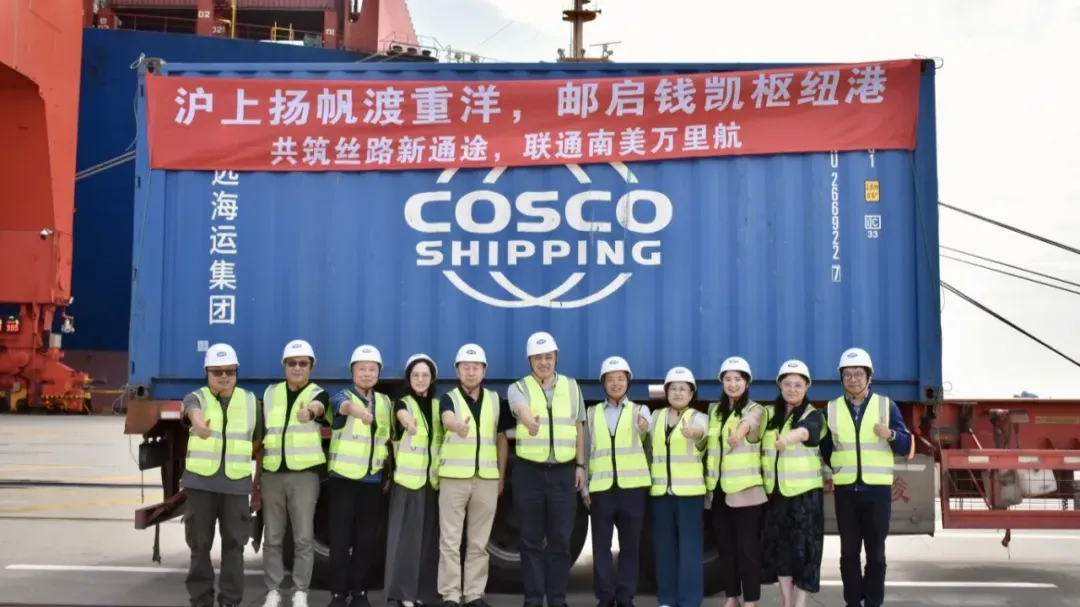
COSCO SHIPPING and Shanghai Post Launch 28-Day Postal Sea Route to Peru via Chancay
 Ports & Terminals
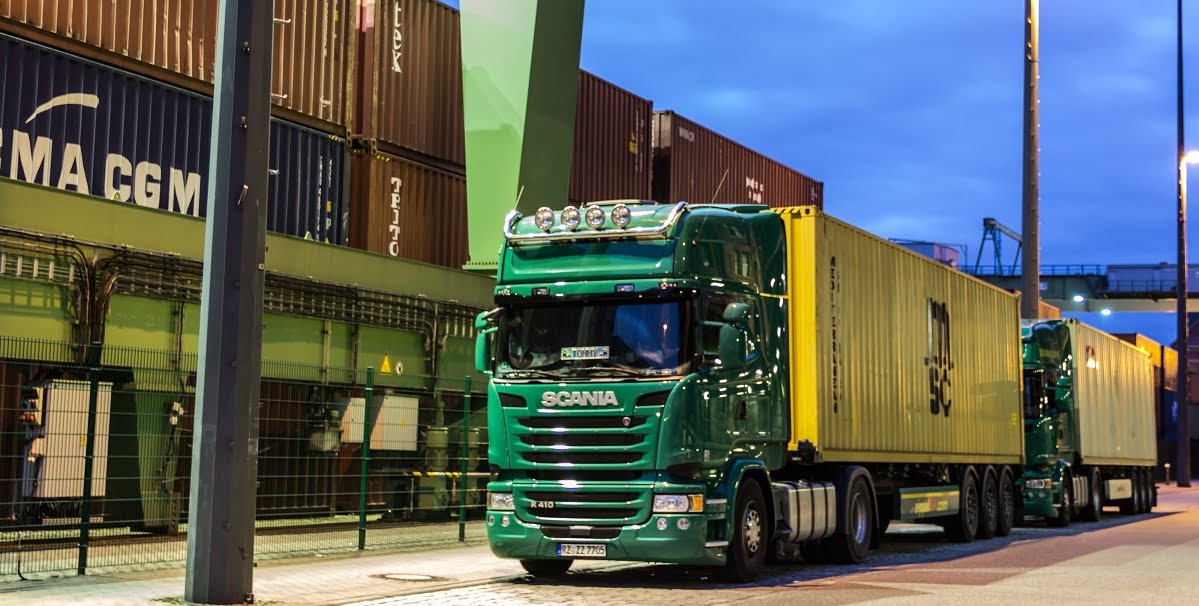
Germany Blocks COSCO’s Zippel Deal, Testing Inland Logistics Expansion
 Ports & Terminals
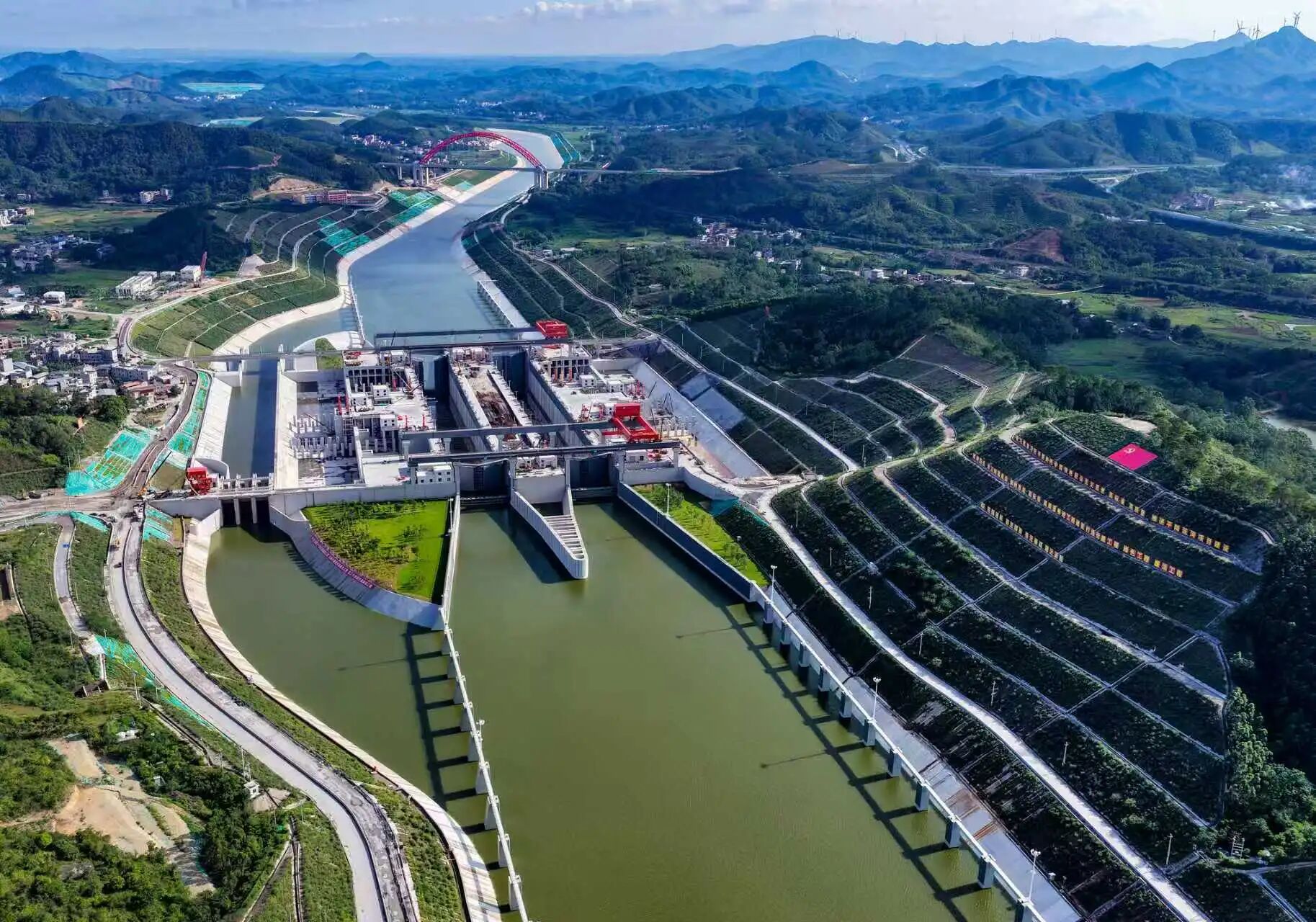
Pinglu Canal opens a new river-to-sea route for southwest China
 Ports & Terminals
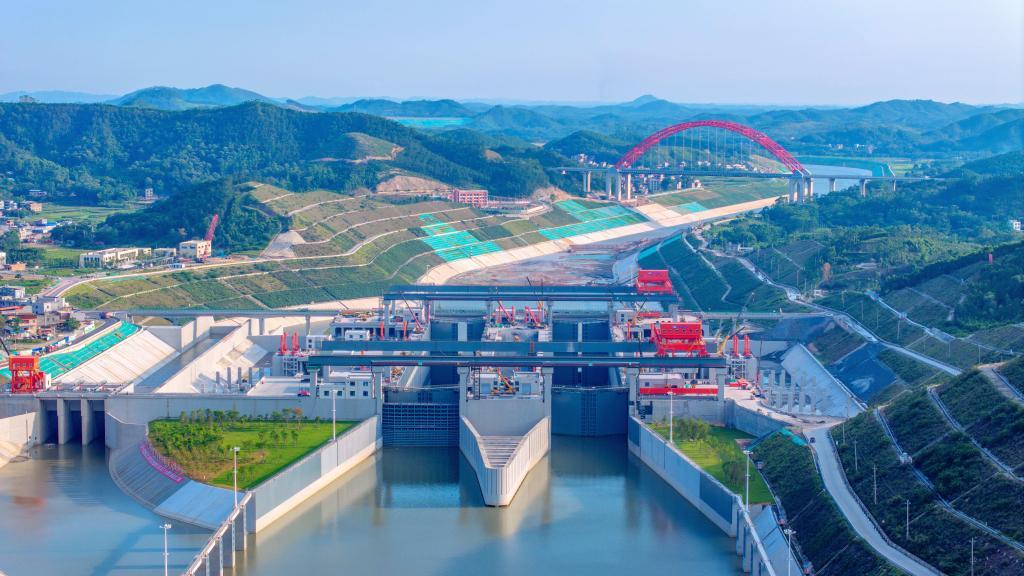
China’s $10.7bn Pinglu Canal to Open Sept. 16, Cutting Southwest–ASEAN Shipping Route by 560 km
 Ports & Terminals
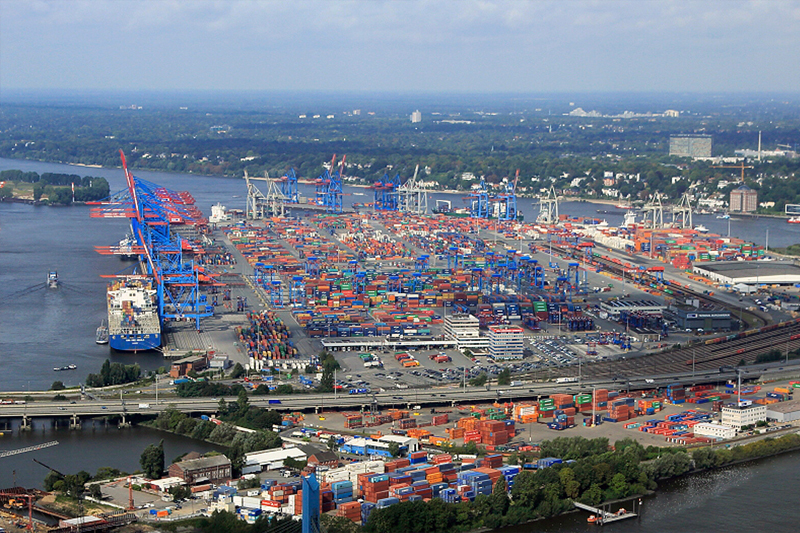
Northern Europe Port Strikes Add New Pressure to Asia–Europe Container Schedules
 Ports & Terminals
Shanghai-Ningbo Delays Stretch to 11 Days as Typhoon Backlog Spills Into Liner Networks
 Ports & Terminals
Container Schedule Reliability Slumps to 56.4% as Port Congestion Spreads
 Ports & Terminals