


EU Publishes 2025 Shipping Emissions Data
The EU MRV database is now publicly accessible
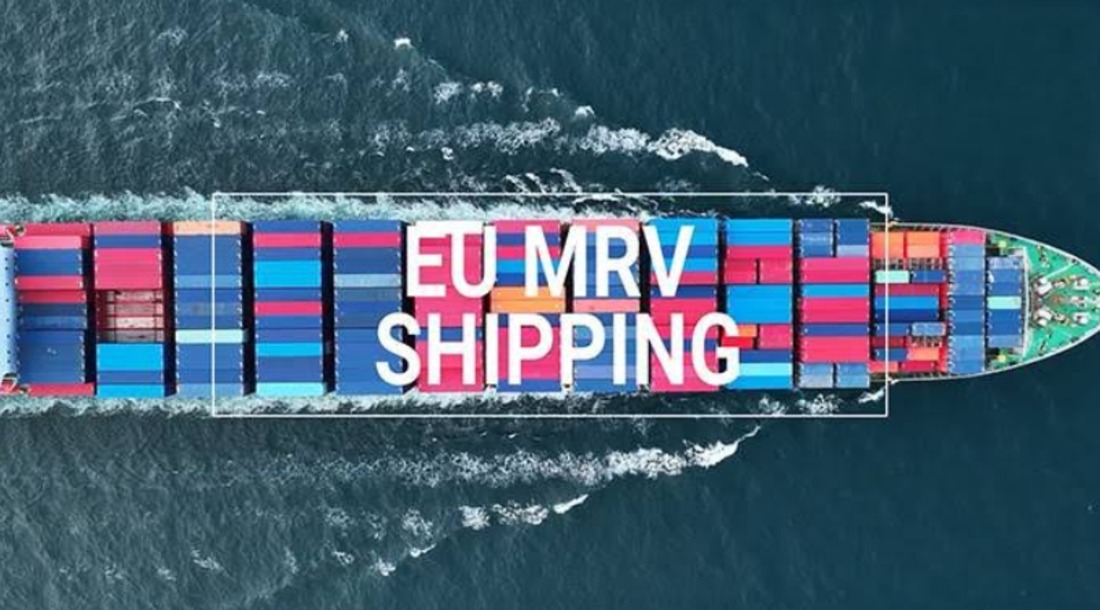

The European Union has published its 2025 greenhouse gas emissions data for ships.
According to the annual emissions reports, a total of 16,608 vessels submitted complete annual emissions reports for 2025, covering 17 ship types, including container ships, oil tankers, bulk carriers, LNG carriers, Ro-pax ships, cruise ships, general cargo ships and chemical tankers.
The data shows that these vessels consumed approximately 48.24 million tonnes of fuel during the year. Their total carbon dioxide emissions reached about 149.27 million tonnes, while methane emissions stood at around 84,600 tonnes and nitrous oxide emissions at about 8,355 tonnes. In total, the vessels emitted approximately 153.85 million tonnes of CO₂ equivalent.
Of this, around 87.27 million tonnes of CO₂ were reported under the EU ETS-related scope.
Under the EU’s phased inclusion of shipping into the emissions trading system, shipping companies are required to surrender EU Allowances for 70% of their 2025 reportable emissions in 2026. Based on the 87.27 million tonnes of reported CO₂, this means that shipping companies will need to surrender approximately 61.09 million EUAs.
Based on recent EUA prices of around €80 per tonne, this would represent a market value of approximately €4.89 billion.
This figure should be understood as an estimate of the scale of the shipping industry’s European carbon compliance cost for 2025. Since some allowances may be purchased on the secondary market, it should not be treated simply as direct new revenue for the EU. However, it clearly shows that carbon cost has become a real and material operating cost for shipping companies.
By ship type, container ships were the largest source of emissions under the EU shipping emissions reporting framework. In 2025, 2,368 container ships emitted approximately 52.65 million tonnes of CO₂e, accounting for about 34.2% of the total.
Oil tankers ranked second, with 1,987 vessels emitting around 16.90 million tonnes of CO₂e, or about 11.0% of the total. Bulk carriers had the largest number of vessels, with 4,716 ships, and emitted approximately 14.52 million tonnes of CO₂e, accounting for about 9.4%.
Ro-pax ships, LNG carriers, chemical tankers, general cargo ships and cruise ships also accounted for significant shares of total emissions. In particular, 403 Ro-pax ships emitted around 13.82 million tonnes of CO₂e, while 405 LNG carriers emitted about 11.33 million tonnes. A total of 206 cruise ships emitted approximately 7.32 million tonnes of CO₂e.
At the same time, FuelEU Maritime has also reached an important compliance milestone. By 30 June 2026, ships subject to the regulation were required to obtain their FuelEU Document of Compliance for the 2025 reporting year. Ships failing to meet the required compliance balance would also be required to complete the relevant penalty payment process.
This means that the end of June 2026 has become a key regulatory deadline for shipping companies, combining both EU ETS carbon allowance obligations and FuelEU Maritime fuel intensity compliance pressure.
Overall, the EU’s 2025 shipping emissions data shows that carbon management in shipping is entering a more detailed and cost-sensitive phase. For shipowners, ship managers, charterers and cargo interests, emissions data is no longer just a matter of regulatory disclosure. It is becoming a core factor in freight pricing, charterparty negotiations, fuel strategy, fleet renewal and green supply chain management.


READ MORE
 Sustainability
Japan Completes Methanol Transport and Bunkering Vessel
 Sustainability
Maersk Bunkers U.S.-Produced Corn Ethanol
 Sustainability
‘While I am President, there will be no global taxes’
 Sustainability
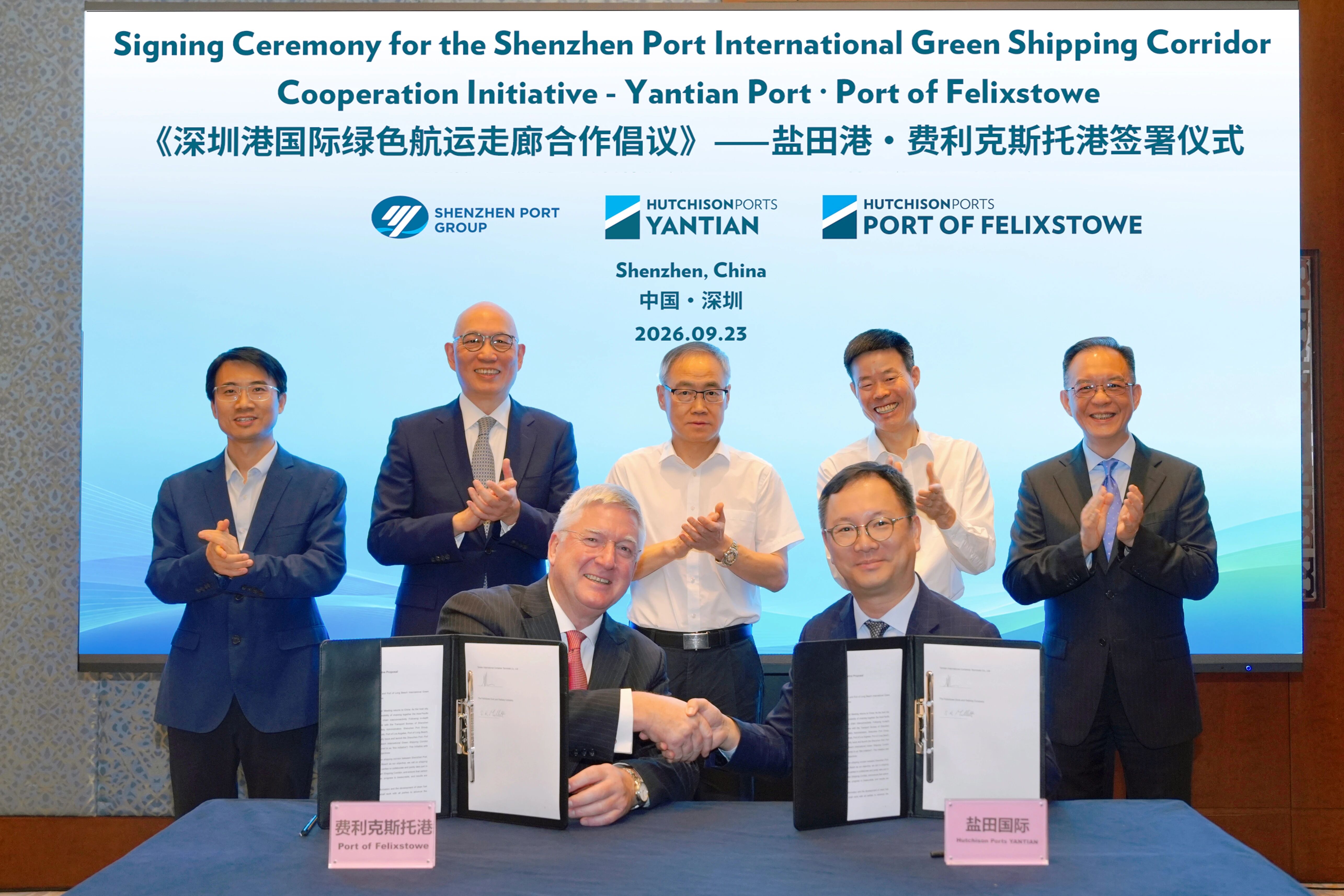
Yantian and Felixstowe Sign Green Shipping Corridor Cooperation Initiative
 Sustainability
When the Future Can No Longer Be Predicted, How Do Shipping Companies Survive?
 Sustainability
Fleet Management Lights Up Anchor Plaza in Blue for World Maritime Day 2026
 Sustainability
COSCO , CMA CGM and SIPG Join Launch of International Green Shipping Corridor Alliance
 Sustainability
Zero-Emission-Capable Ship Orders Slide as IMO Uncertainty Weighs on 2030 Target
 Sustainability
Fueling Now and the Future: IBIA Hong Kong Forum on Alternative Marine Energy
 Sustainability