


Chinese Mooring Rope Maker Joins UN Global Compact in ESG Push
FBR’s move highlights how sustainability requirements are moving deeper into the maritime supply chain
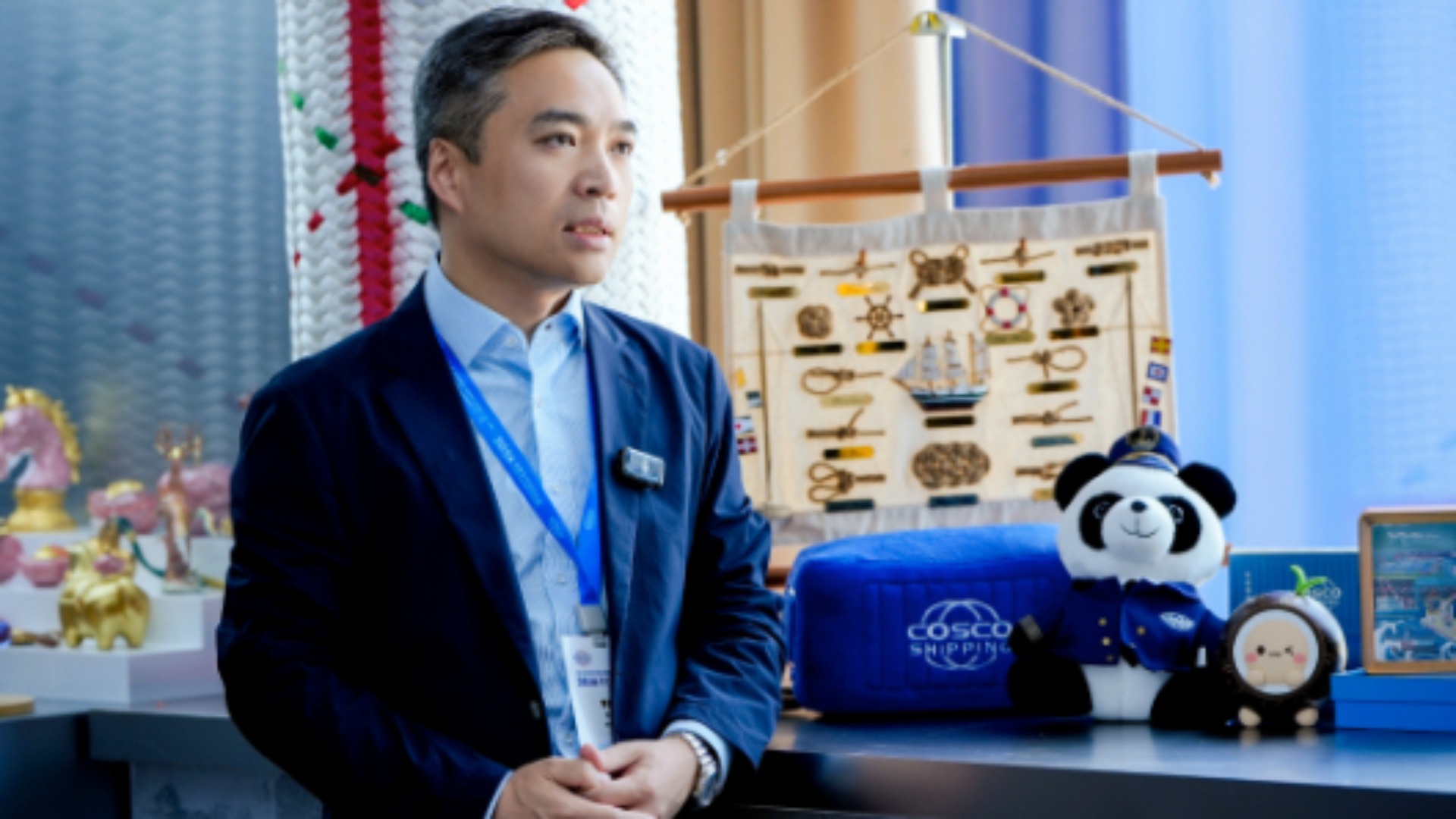

Zhejiang Four Brothers Rope Co., Ltd. (FBR) has become the first Chinese mooring rope manufacturer to join the United Nations Global Compact, reflecting the growing influence of ESG standards across the maritime supply chain.
FBR received its membership certificate during the UN Global Compact “GDI for SDG — Blue Ocean Circular Industry Development” workshop held in Taizhou, Zhejiang, on 21 July.
The move marks a shift for a traditional marine equipment supplier. While mooring ropes are often regarded as a basic shipboard component, they are critical to vessel safety, port operations and offshore activities.
Membership of the UN Global Compact requires companies to align their operations with ten principles covering human rights, labour standards, environmental protection and anti-corruption.
For maritime suppliers, ESG is increasingly becoming a requirement rather than a differentiator. Shipowners, ports and offshore operators are paying closer attention not only to product performance, but also to carbon emissions, material traceability and end-of-life management.
One of the key challenges highlighted by FBR is the recycling of retired marine ropes.
Unlike consumer plastic waste, used mooring ropes are large, dispersed and often contaminated by salt, oil and marine conditions, making collection and recycling difficult. The main challenge is not only recycling technology, but also the lack of a coordinated recovery system involving shipowners, ports, shipyards and other stakeholders.
FBR general manager Li Yanxi called for greater cooperation between government, industry and social organisations to build a more effective marine rope recycling ecosystem.
The company also highlighted two recycling pathways: “rope-to-rope”, where old ropes are converted into new rope products, and “rope-to-other”, where recycled materials are used in other industrial applications.
However, industry standards will be essential before recycled marine materials can enter mainstream procurement. Clear rules on classification, testing, certification and recycled content verification will be needed to ensure safety and reliability.
FBR’s move also reflects a broader transformation among Chinese marine manufacturers. Competitive advantage is gradually shifting from production scale and cost efficiency towards lifecycle management, sustainability and compliance capabilities.
For shipowners and ports, the real value of mooring equipment is no longer only the purchase price, but also service life, safety performance and total lifecycle cost.
By joining the UN Global Compact, FBR is positioning itself beyond being a traditional equipment supplier and seeking a role in the development of more sustainable maritime supply chains.
A mooring rope may be a small component of a vessel, but it connects ships with ports — and increasingly, manufacturers with global sustainability standards.

READ MORE
 Sustainability
IMO Chief Defends Net Zero Ambition in Shanghai as Shipping Awaits Clearer Rules
 Sustainability
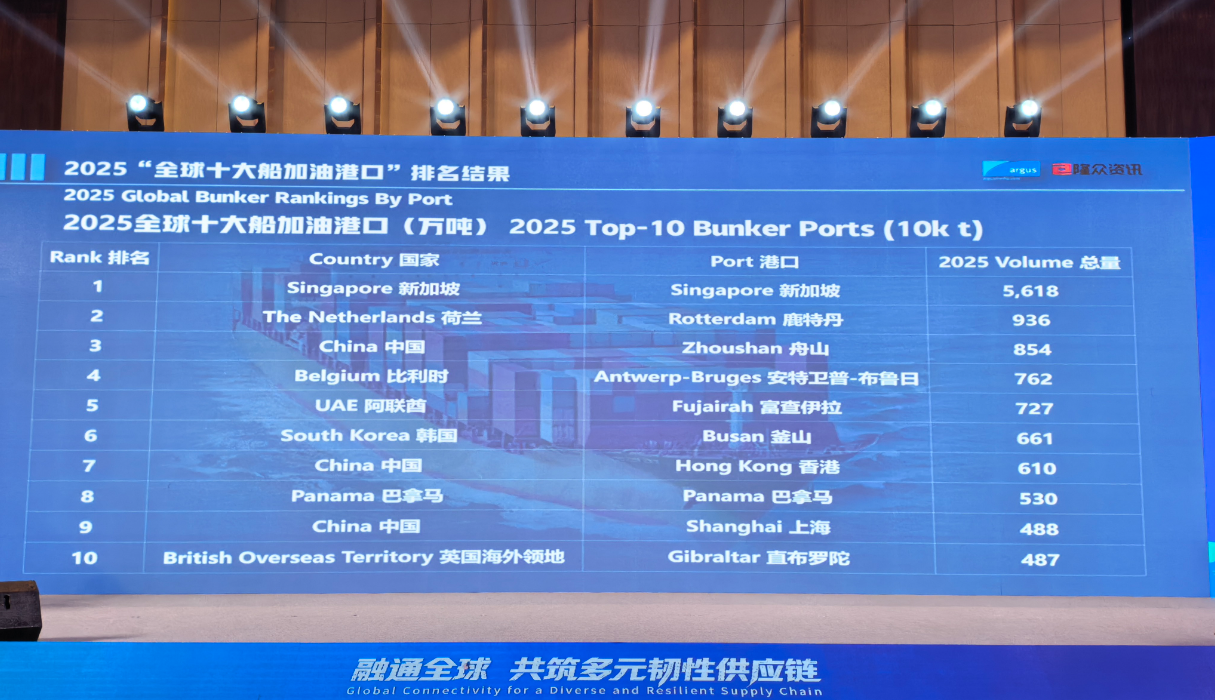
Zhoushan Overtakes Fujairah to Become World's Third-Largest Bunkering Port
 Sustainability
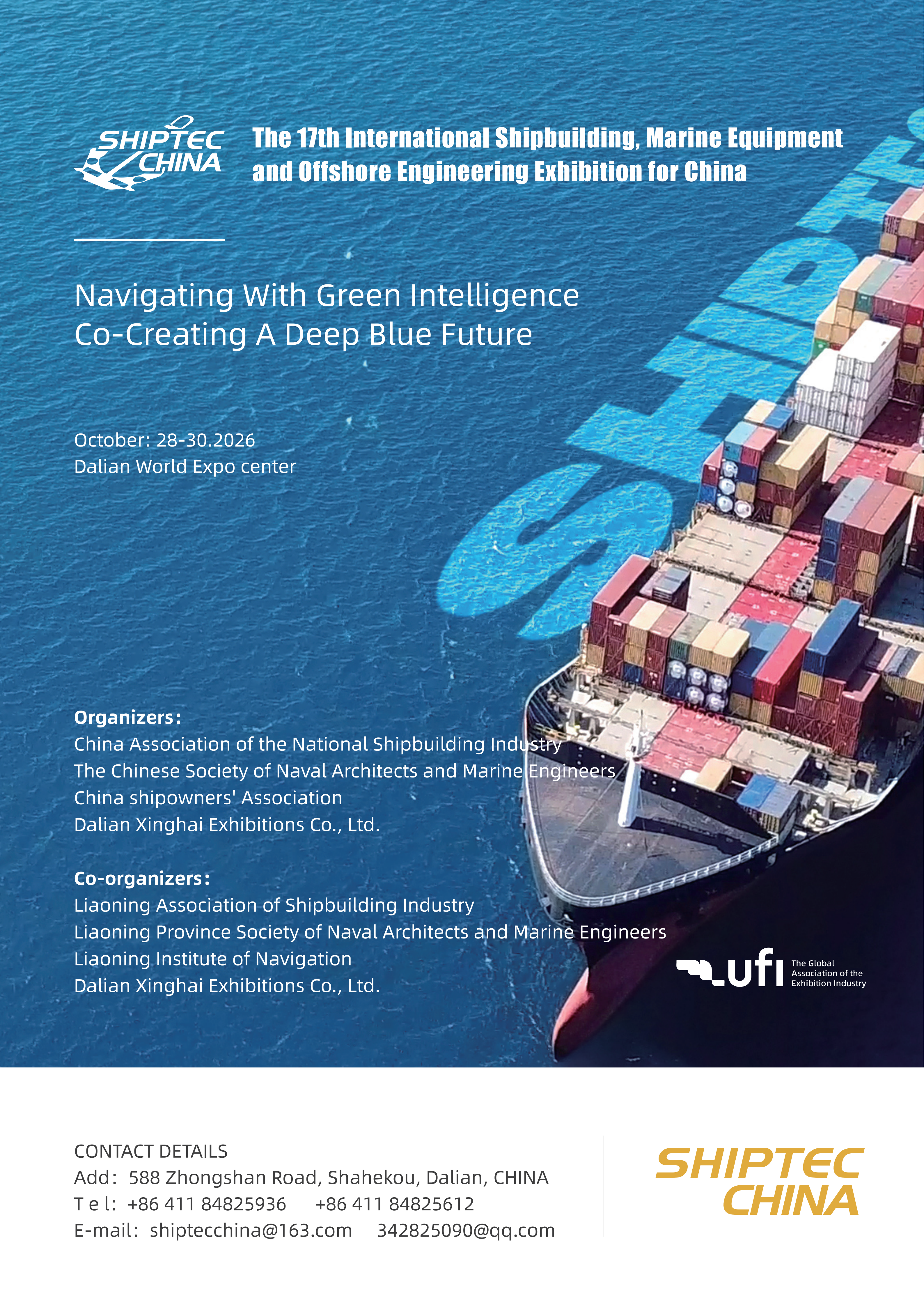
Shiptec China 2026.10.28-10.30 |Invitation of Green Energy for a Smart Future – Forum on New Energy Ship Technology and Ecosystem
 Sustainability
MI and Green Marine Partner to Strengthen Methanol Safety and Crew Training
 Sustainability
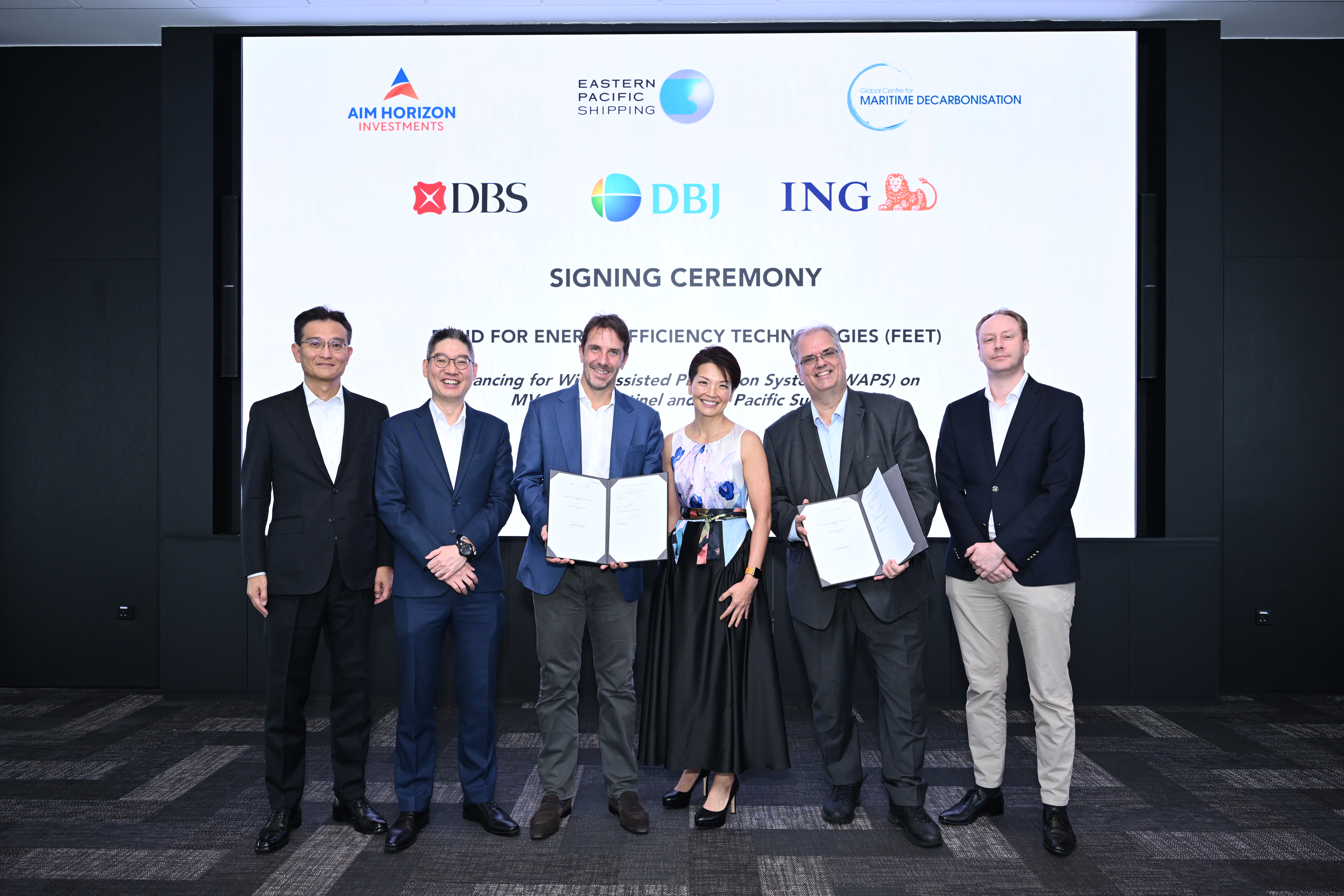
EPS Secures First FEET Financing for Two Wind-Assisted Vessels
 Sustainability
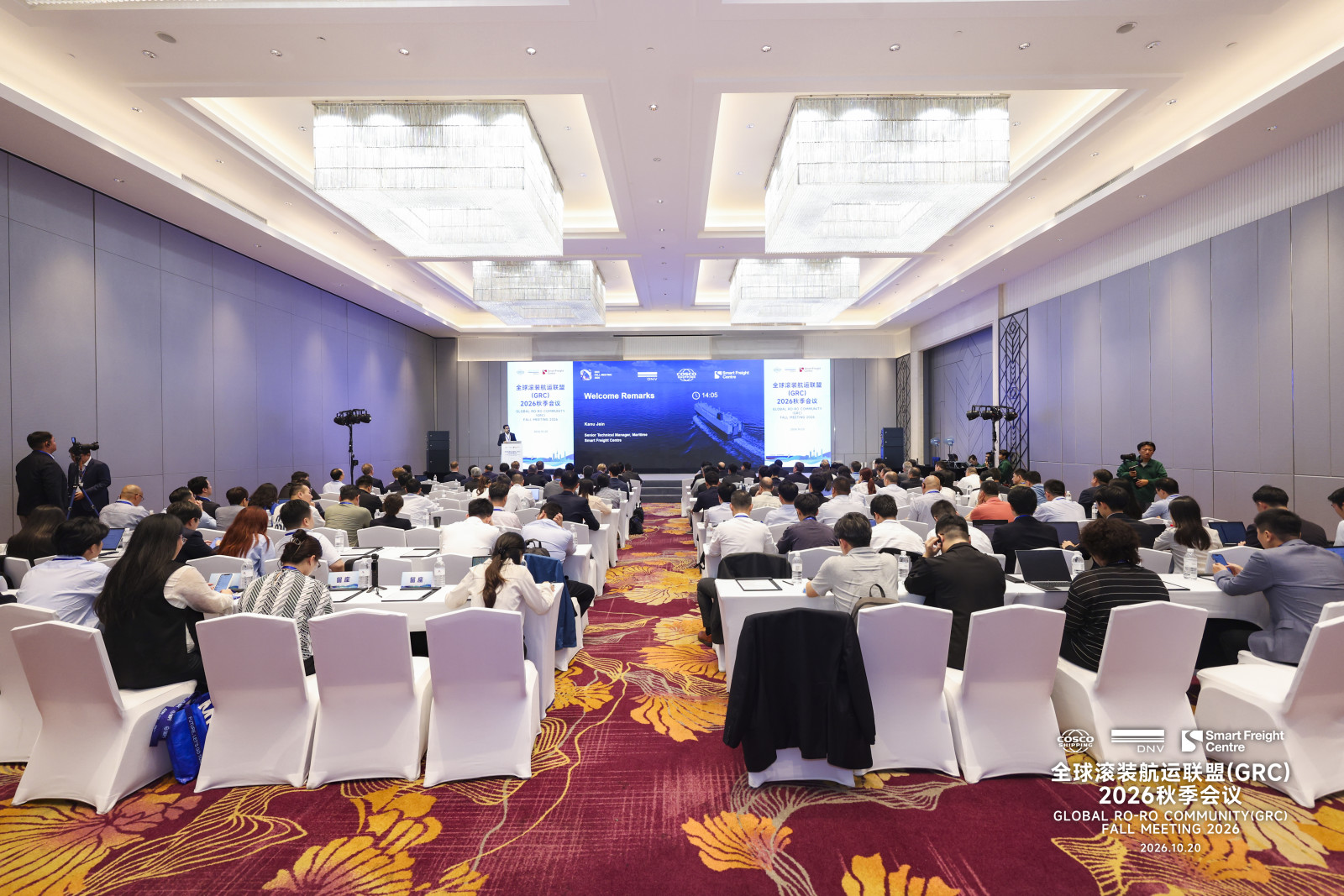
Car Carriers Face Fuel Supply and Emissions Accounting Challenges
 Sustainability
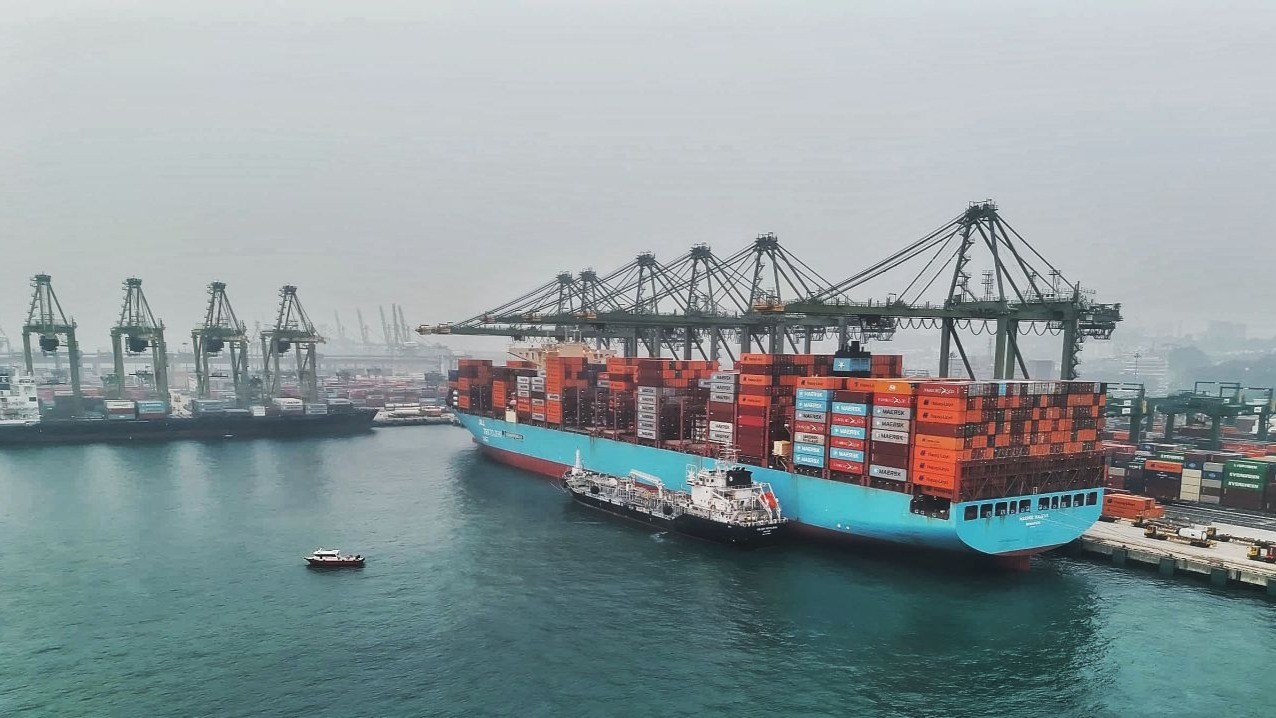
5,000 Tonnes: Maersk Completes World’s Largest Ethanol Bunkering in Singapore
 Sustainability
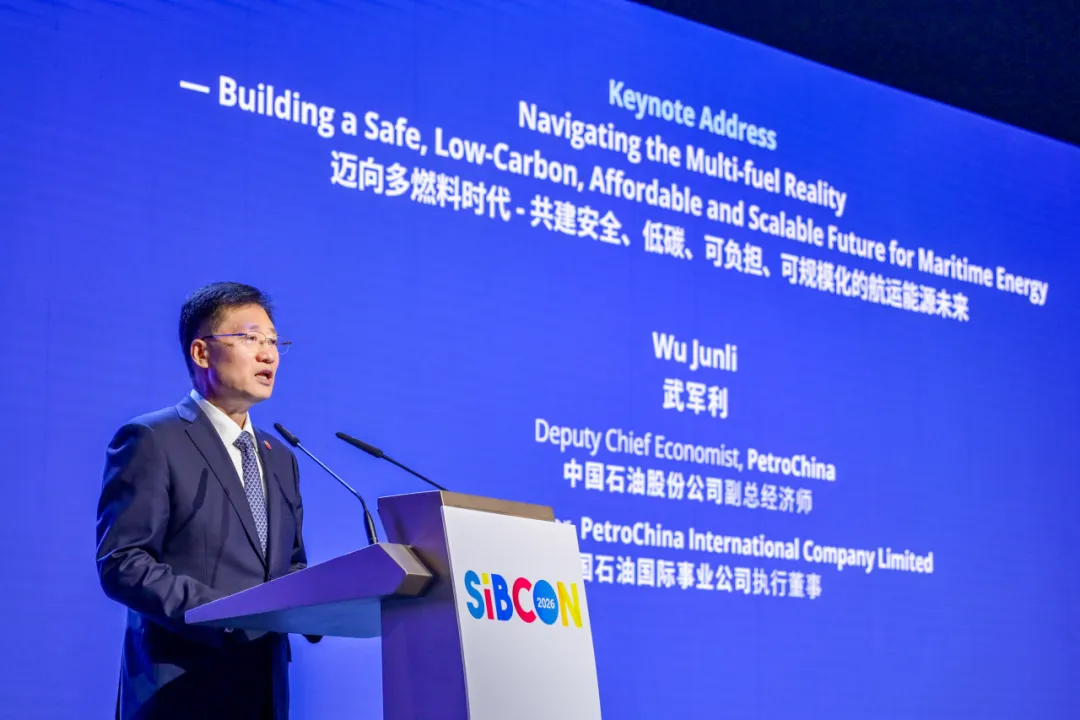
PetroChina Expands Multi-Fuel Bunkering in Singapore
 Sustainability
MPA, CMA CGM and SLNG Join Forces on Bio-LNG Bunkering
 Sustainability