


Most Shipping Companies Keep Decarbonisation Plans Unchanged After IMO Net-Zero Framework Delay
Most shipping companies have kept their decarbonisation plans unchanged despite the delay to the IMO Net-Zero Framework vote, according to the latest ICS Maritime Barometer Report.

The International Chamber of Shipping (ICS) has released its latest ICS Maritime Barometer Report 2025-2026, showing that most shipping companies have not changed their existing decarbonisation plans despite the postponement of the vote on the International Maritime Organization’s Net-Zero Framework (NZF) in October 2025.
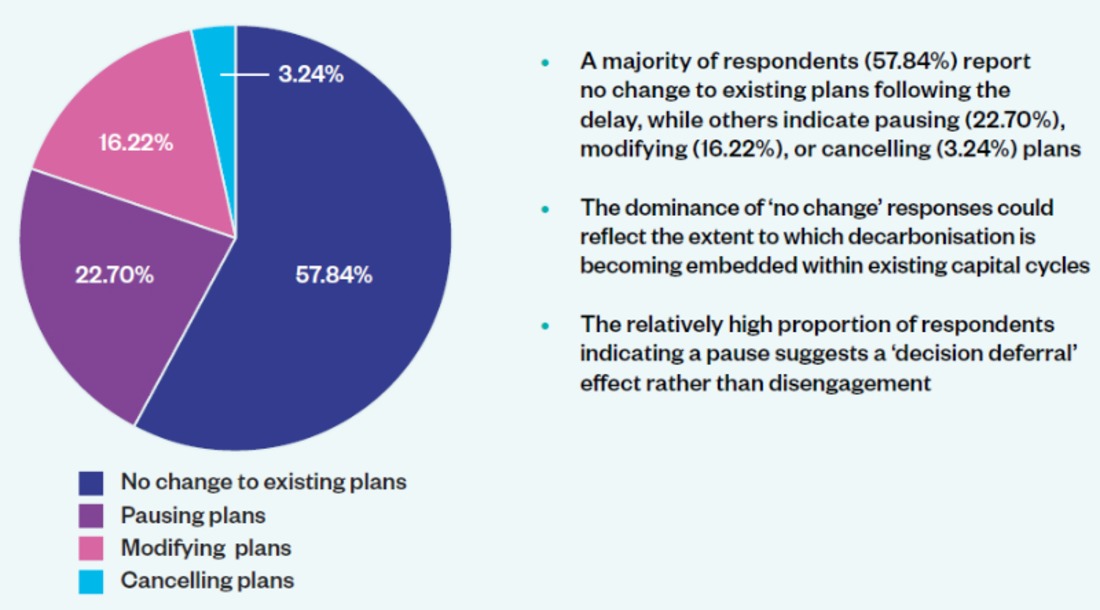
According to a special ICS survey, 57.84% of respondents said their existing plans had not changed following the delay to the IMO NZF vote. Meanwhile, 22.70% said they had paused relevant plans, 16.22% said they had amended their plans, and 3.24% said they had cancelled them.
The results suggest that, although global shipping still faces an unclear regulatory timetable, diverging regional rules and uncertainty over future fuel pathways, the sector’s overall direction of travel on decarbonisation has not been broadly reversed by the IMO delay. For many shipping companies, decarbonisation has already become part of medium- and long-term capital planning, fleet renewal, fuel selection and compliance management.
57.84% of respondents: no change to existing plans
ICS said this year’s special focus question looked specifically at how companies are responding to the delay in the IMO Net-Zero Framework vote. The results show that the majority of respondents are maintaining their existing plans.
For some shipping companies, decarbonisation strategies are no longer tied solely to one global regulatory milestone. This is particularly true for companies operating regularly in European trades and already exposed to the EU Emissions Trading System (EU ETS) and FuelEU Maritime. For these companies, the green transition has already entered day-to-day operations and investment decisions. Even if the global framework at IMO level is delayed, regional regulation continues to move ahead, requiring companies to adjust fleet deployment, fuel procurement, energy-efficiency upgrades and commercial arrangements.
At the same time, ICS also noted that the “no change” response may cover a more complex reality. Some companies had not yet formed a full decarbonisation strategy and were already waiting for the IMO framework to become clearer before making major decisions. In that sense, part of the “no change” group may represent continued waiting rather than active implementation.
It is also worth noting that nearly 42% of respondents have adjusted their original plans in some way. Among them, 22.70% have paused their plans, 16.22% have amended them and 3.24% have cancelled them.
In shipping, decarbonisation investment usually involves high capital expenditure and long-term asset decisions. Whether it is ordering alternative-fuel vessels, retrofitting existing ships, signing green fuel supply agreements or investing in port bunkering infrastructure, companies need clearer policy signals, cost mechanisms and commercial payback routes. After the IMO NZF vote was delayed, it is understandable that some companies have chosen to hold back on irreversible investments.
The ICS report describes this as a “decision deferral” effect. In other words, companies are not necessarily abandoning decarbonisation. Instead, they are delaying some key investment decisions until the regulatory pathway, implementation timetable and future carbon cost mechanism become clearer.
This has important implications for the newbuilding market, alternative fuel infrastructure, vessel retrofit demand and green finance. The greater the regulatory uncertainty, the more likely companies are to postpone major capital commitments. A clearer regulatory pathway would help shipowners, shipyards, fuel suppliers, ports and financial institutions form more stable expectations.
Regulatory clarity remains a key variable
The broader ICS report shows that shipping is pursuing decarbonisation in a highly uncertain environment. Geopolitical instability, changing trade patterns, regional regulatory fragmentation, cyber risks and rising administrative burdens are all affecting corporate decision-making.
Among the key factors related to the green transition, regulation, public funding and market-based measures are seen as having the greatest impact on shipping companies’ business operations. Regulatory clarity is particularly important. A ship may operate for 20 to 30 years. Once decisions are made on engines, fuels, ship design and financing structures, they are difficult to change quickly. Whether global rules are harmonised, carbon pricing mechanisms are clear and alternative fuel standards are stable will directly affect shipowners’ asset allocation for decades.
ICS Chairman John Denholm also noted in the report that global shipping is entering a period where uncertainty has become the backdrop against which decisions are made. Geopolitical instability, economic fragmentation, shifting trade dynamics and the erosion of a global regulatory framework are reshaping how the industry operates, invests and plans. He also stressed that investment at the scale required for the energy transition will not happen without regulatory clarity and global alignment.

This is one of the central challenges now facing shipping. The industry has largely accepted the direction of decarbonisation, but the global rulebook is still taking shape. Regional regulation continues to move ahead, while a unified global framework has yet to be fully settled. Companies need to invest early, but they also have to manage technology risk, fuel risk, regulatory risk and the risk of stranded assets.
Shipping companies are becoming more pragmatic
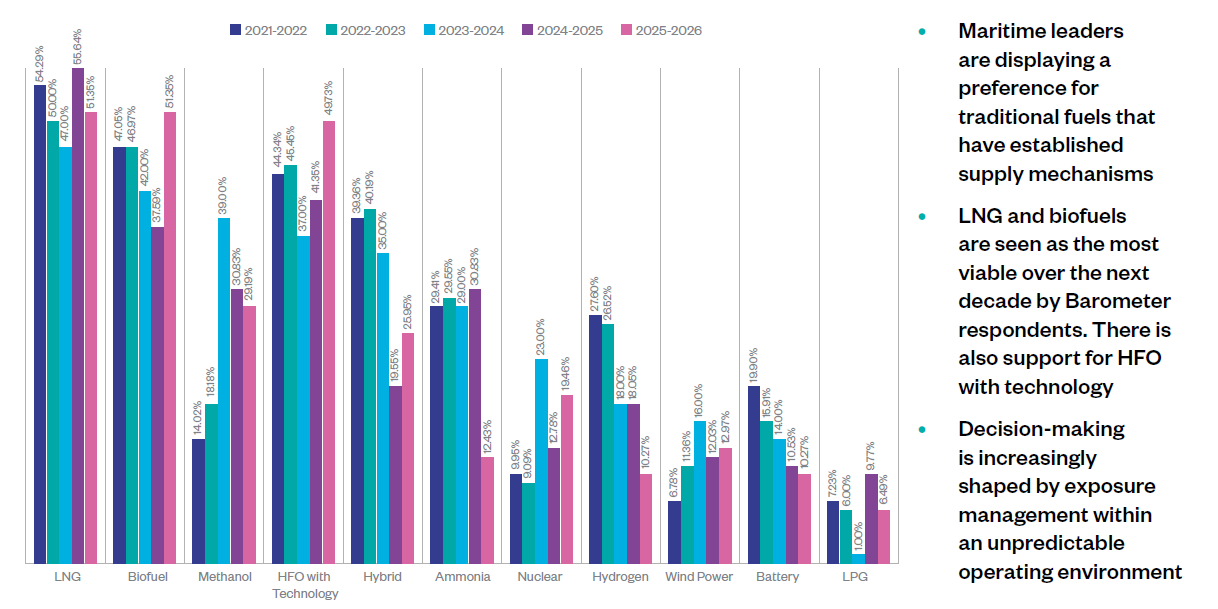
The ICS report also shows a clear sense of pragmatism in how shipping companies view future fuels. LNG and biofuels were jointly identified as the most viable fuel options over the next decade, followed by heavy fuel oil (HFO) combined with abatement technologies. This indicates that, in a highly uncertain external environment, companies are leaning towards solutions with more mature supply chains, clearer technology pathways and better compatibility with existing infrastructure.
This is consistent with the industry’s response to the delay in the IMO Net-Zero Framework. Most companies have not changed their decarbonisation plans, but the overall pace of the transition has become more cautious. Companies are not stopping the transition. They are paying closer attention to investment timing, regulatory certainty and commercial viability.
For shipowners, the key question in the coming period may no longer be simply whether to decarbonise, but when to invest, what to invest in, how much to commit and who will ultimately bear the cost. For shipyards, equipment suppliers and fuel providers, the final shape of the IMO Net-Zero Framework will also influence newbuilding order structures, green retrofit demand and the development pace of alternative fuel supply chains.
Overall, the delay to the IMO Net-Zero Framework has not triggered a broad retreat from decarbonisation across global shipping. The ICS survey shows that most companies are maintaining their existing plans. However, the fact that nearly four in ten respondents have paused, amended or cancelled relevant plans also shows that regulatory uncertainty is already affecting actual investment timing.
The direction of shipping decarbonisation is broadly set. The next key questions are whether the rules can become clear quickly enough, whether global mechanisms can be effectively coordinated, and whether the green transition can remain operationally feasible and commercially viable.

READ MORE
 Sustainability
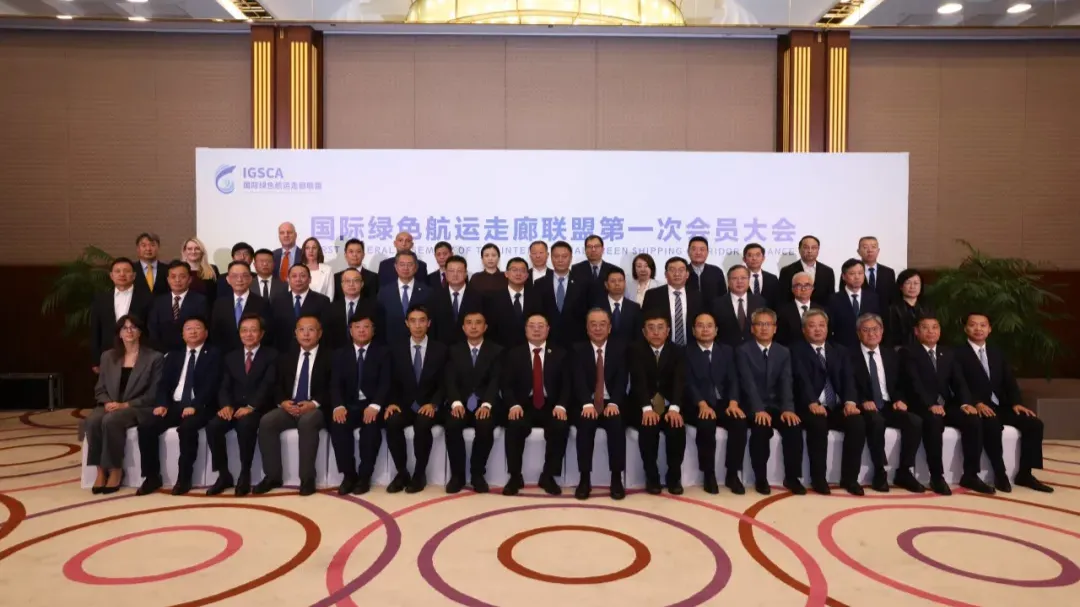
COSCO , CMA CGM and SIPG Join Launch of International Green Shipping Corridor Alliance
 Sustainability
Zero-Emission-Capable Ship Orders Slide as IMO Uncertainty Weighs on 2030 Target
 Sustainability
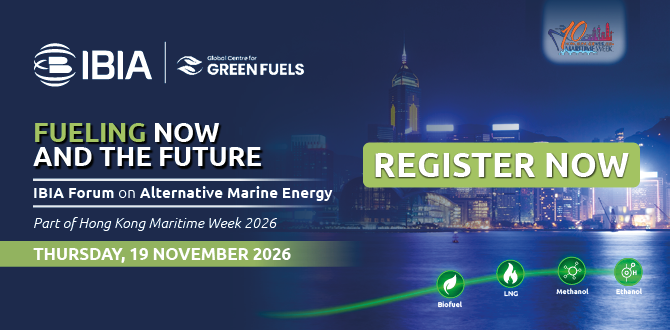
Fueling Now and the Future: IBIA Hong Kong Forum on Alternative Marine Energy
 Sustainability
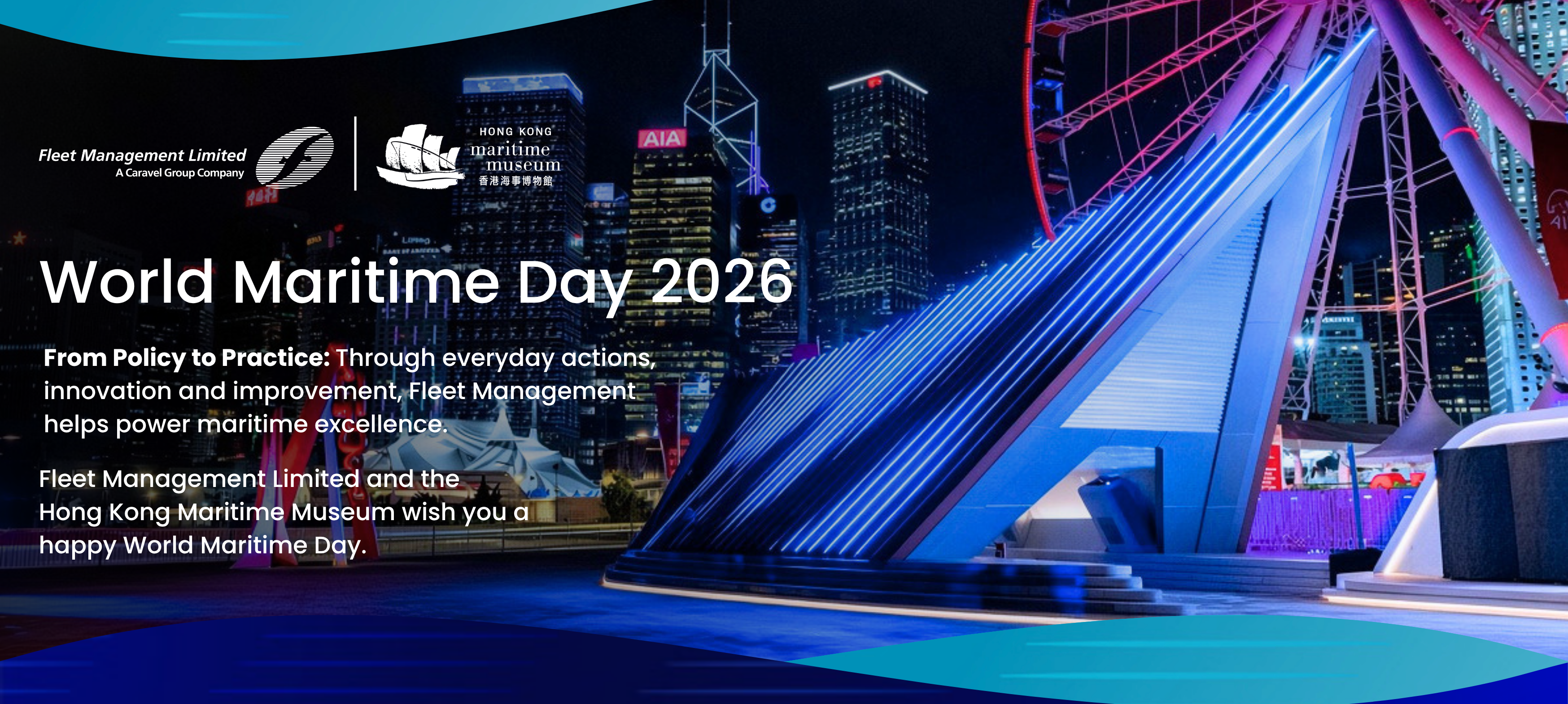
Fleet Management Lights Up Anchor Plaza in Blue for World Maritime Day 2026
 Sustainability
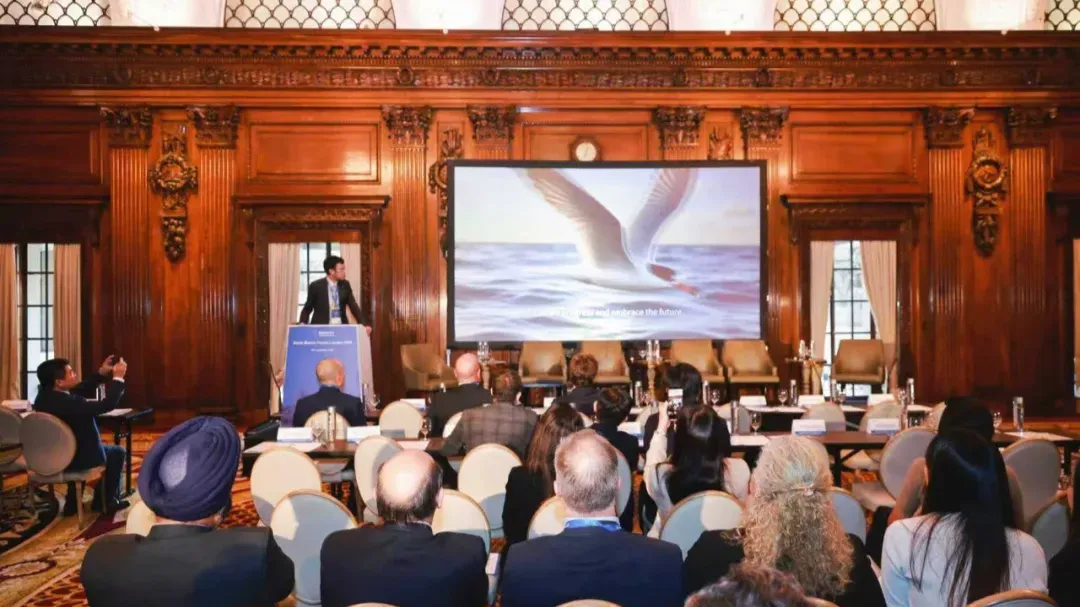
WMMF 2026 Promotional Film Debuts in London
 Sustainability
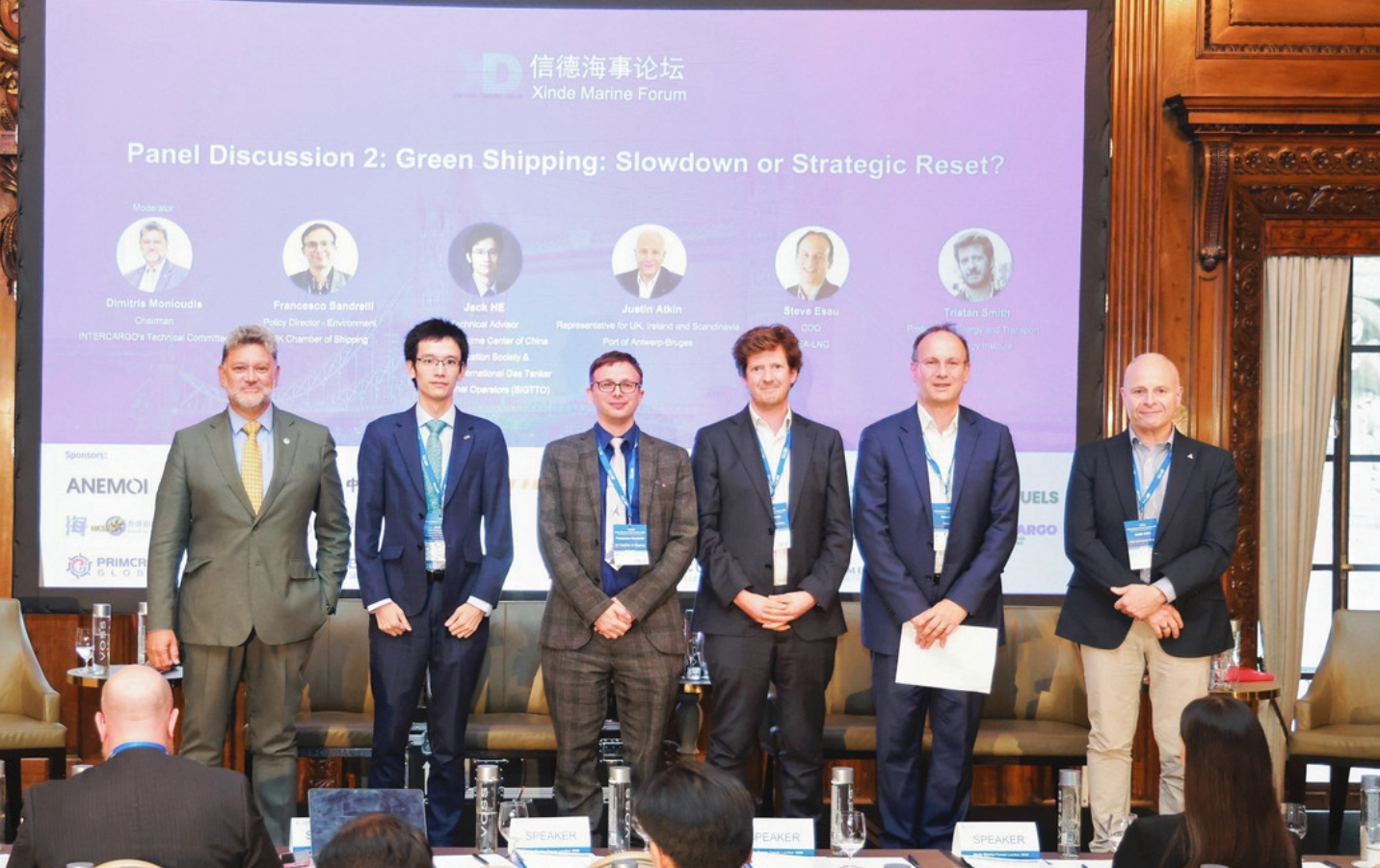
Xinde Marine Forum London 2026: Green Shipping Enters a Strategic Reset
 Sustainability
Shipping Has a Net-Zero Target — but Still Lacks the Rules to Deliver It
 Sustainability
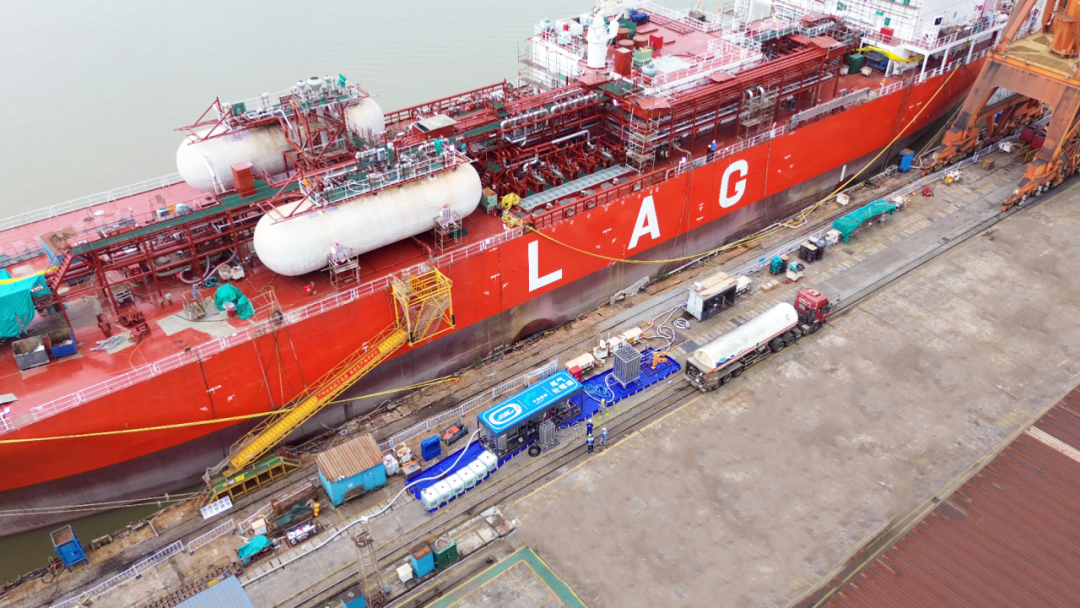
Chimbusco completes first ammonia bunkering operation
 Sustainability
324 days ahead of schedule — another milestone for China’s shipbuilding industry
 Sustainability