


Seacon Shipping Sells Five Bulk Carriers in Two Months
Latest sale of Seacon Hamburg links the buyer to Nasdaq-listed Castor Maritime
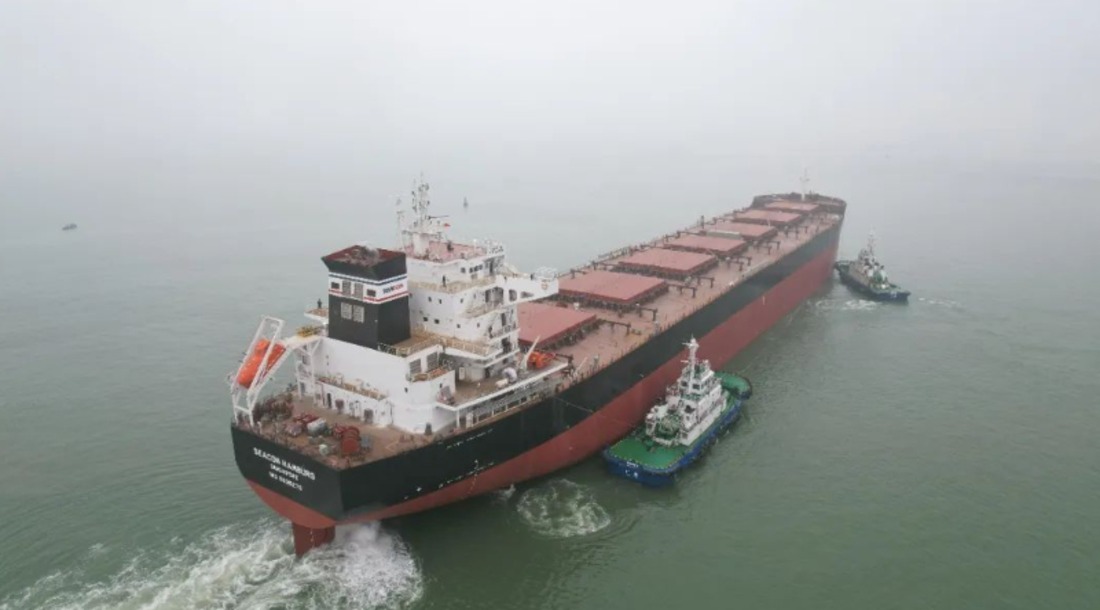

Hong Kong-listed Seacon Shipping Group Holdings Limited (2409.HK) has disclosed another vessel disposal, continuing a series of recent bulk carrier sales.
According to the company’s latest announcement, Seacon Shipping has entered into an agreement to sell the bulk carrier Seacon Hamburg to Belle Shipping Co. for $37.5m. The agreement was signed on 19 June 2026, after trading hours of the Hong Kong Stock Exchange.
Seacon Hamburg is a 2023-built bulk carrier with a gross tonnage of 48,785. Under the agreement, the vessel is expected to be delivered to the buyer on or before 28 June 2026. If the vessel is not ready for delivery by the delivery date, the buyer may cancel the agreement.
Financially, Seacon Hamburg recorded audited profit before and after tax of $840,000 in 2025. Its book value as of 31 December 2025 was approximately $23.73m. Seacon Shipping expects the vessel’s net asset value on delivery to be approximately $23.3m.
The company expects to record a disposal gain of approximately $13.4m, net of tax and expenses. The actual gain will be determined only after completion of the disposal, based on the vessel’s actual net asset value, and will be subject to audit.
The buyer, Belle Shipping Co., is incorporated in the Marshall Islands and is principally engaged in vessel ownership. It is indirectly wholly owned by Castor Maritime Inc., a company listed on the Nasdaq Capital Market under the ticker CTRM. The announcement also states that the buyer will obtain a full guarantee from Castor Maritime Inc. for the performance of the agreement, while the seller will obtain a full guarantee from Seacon Shipping Group Holdings Limited.
The transaction follows a structure seen in several of Seacon Shipping’s recent disposals. Seacon Hamburg is currently leased to the seller under a bareboat charter. The vessel owner is Xiang T10 SG International Ship Lease Pte. Limited, a Singapore-incorporated company wholly owned by Bank of Communications Financial Leasing Co., Ltd. Seacon Shipping intends to exercise the purchase option under the bareboat charter before delivery, acquire the vessel for a maximum purchase option price of approximately $19.6m, and then deliver it to the buyer under the sale agreement.
Five bulk carriers sold since late April
The latest deal means Seacon Shipping has now announced the sale of five bulk carriers in less than two months.
On 23 April, the company announced the sale of Seacon Vancouver and Seacon Oslo, both 2023-built bulk carriers with gross tonnage of 48,785. The two vessels were sold for a total consideration of $72.7m, or $36.35m each. The buyer was Asyad Shipping Company SAOG, an Omani public joint stock company ultimately 80%-owned by the Government of Oman. The vessels are expected to be delivered on or before 10 October 2026 and 30 November 2026, respectively. Seacon Shipping expects to record a disposal gain of approximately $25m from the transaction.
On 28 May, Seacon Shipping announced the sale of Seacon Colombo, a 2026-built bulk carrier with a gross tonnage of 25,175, for $35.626m. The vessel is expected to be delivered on or before 26 July 2026. The company expects to record a disposal gain of approximately $3.3m.
On 4 June, the company announced the sale of Seacon Antwerp, a 2024-built bulk carrier with a gross tonnage of 43,655, for $42.9m. Delivery is expected on or before 30 September 2026. Seacon Shipping expects to record a disposal gain of approximately $9.4m.
Including Seacon Hamburg, Seacon Shipping has announced five bulk carrier disposals with a combined consideration of approximately $188.726m. The expected aggregate disposal gain from these deals is around $51.1m.
Fleet optimisation or asset monetisation?
Seacon Shipping has described these disposals as part of its ongoing strategy to maintain a balanced fleet portfolio and optimise its fleet structure.
In its announcements, the company said the disposals represent opportunities to sell the vessels at reasonable prices. It said the transactions will improve its working capital position, further strengthen liquidity, and provide funding for potential vessel acquisitions as part of its fleet optimisation strategy.
This wording suggests that the recent sales should not be read simply as an exit from the dry bulk market. Rather, the company appears to be taking advantage of a window in which modern bulk carrier asset values remain attractive, selling selected vessels to lock in gains while preserving capacity for future reinvestment.
The structure of the transactions is also notable. Several of the vessels, including Seacon Hamburg, Seacon Oslo and Seacon Vancouver, were previously under bareboat charter or lease arrangements. Seacon Shipping is exercising purchase options to acquire the vessels before delivery, and then selling them on to third-party buyers.
This mechanism allows the company to capture the value difference between its purchase option cost and the agreed resale price. It also highlights Seacon Shipping’s flexibility as a maritime asset platform operating across leasing, vessel control and second-hand ship transactions.
Most of the vessels sold in this recent series are modern bulk carriers built between 2023 and 2024. That makes the timing important. While second-hand vessel values remain firm, Seacon Shipping is rotating part of its modern dry bulk tonnage, releasing cash, recognising gains and creating room for the next stage of fleet adjustment.
For Seacon Shipping, the key point is not simply a reduction in vessel numbers. It is the cycle of asset disposal, capital recycling and potential reinvestment.
At a time when vessel prices remain elevated, financing costs are still a factor, and environmental compliance requirements continue to reshape fleet decisions, the ability to balance ownership, disposal, leasing and reinvestment is becoming an increasingly important measure of a listed shipping company’s fleet management discipline.

READ MORE
 Finance
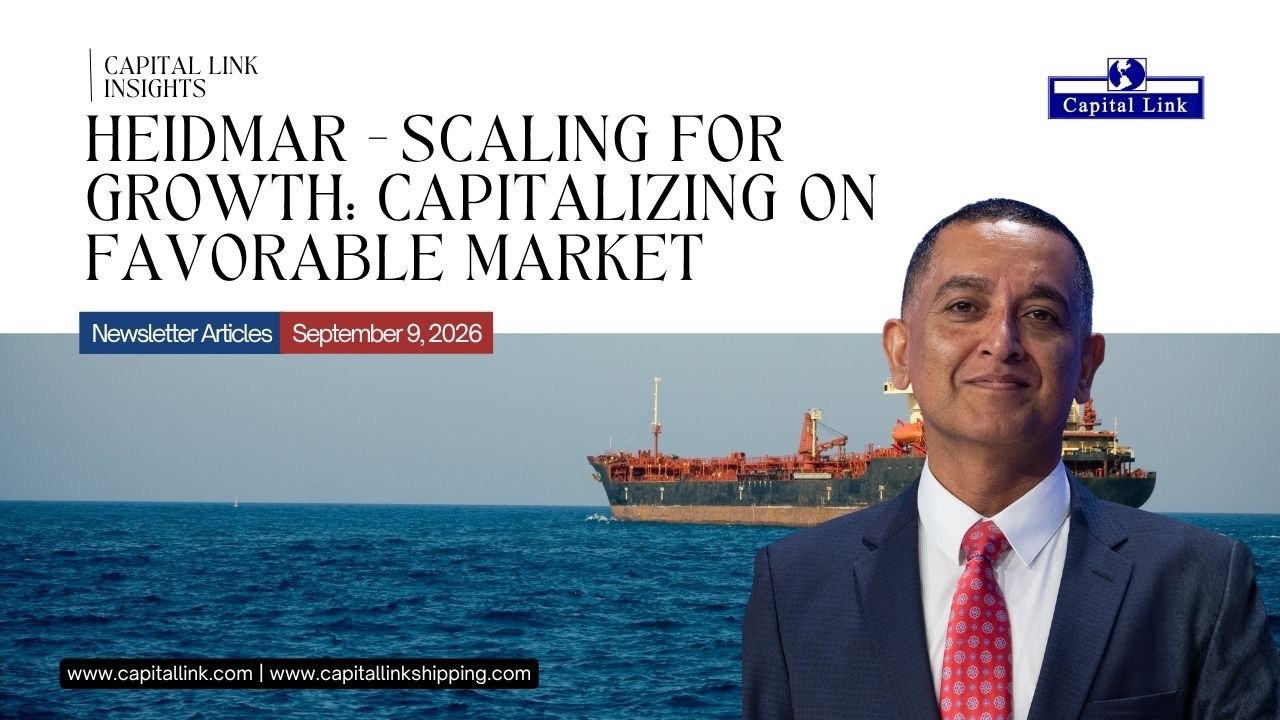
HEIDMAR - Scaling for Growth: Capitalizing on Favorable Market
 Finance
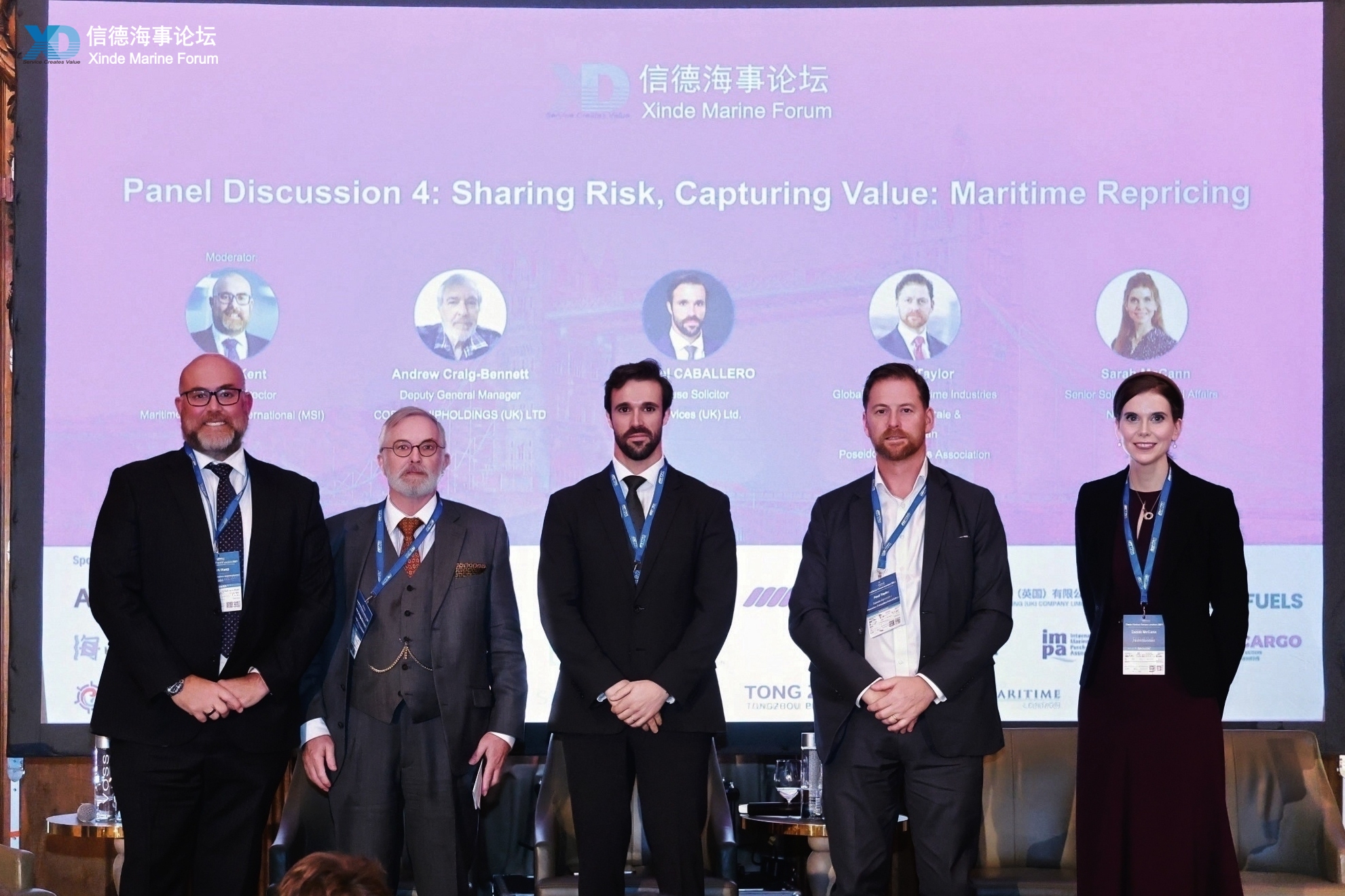
Shipping’s Risk Equation Is Being Repriced as Finance, Insurance and Contracts Adapt
 Finance
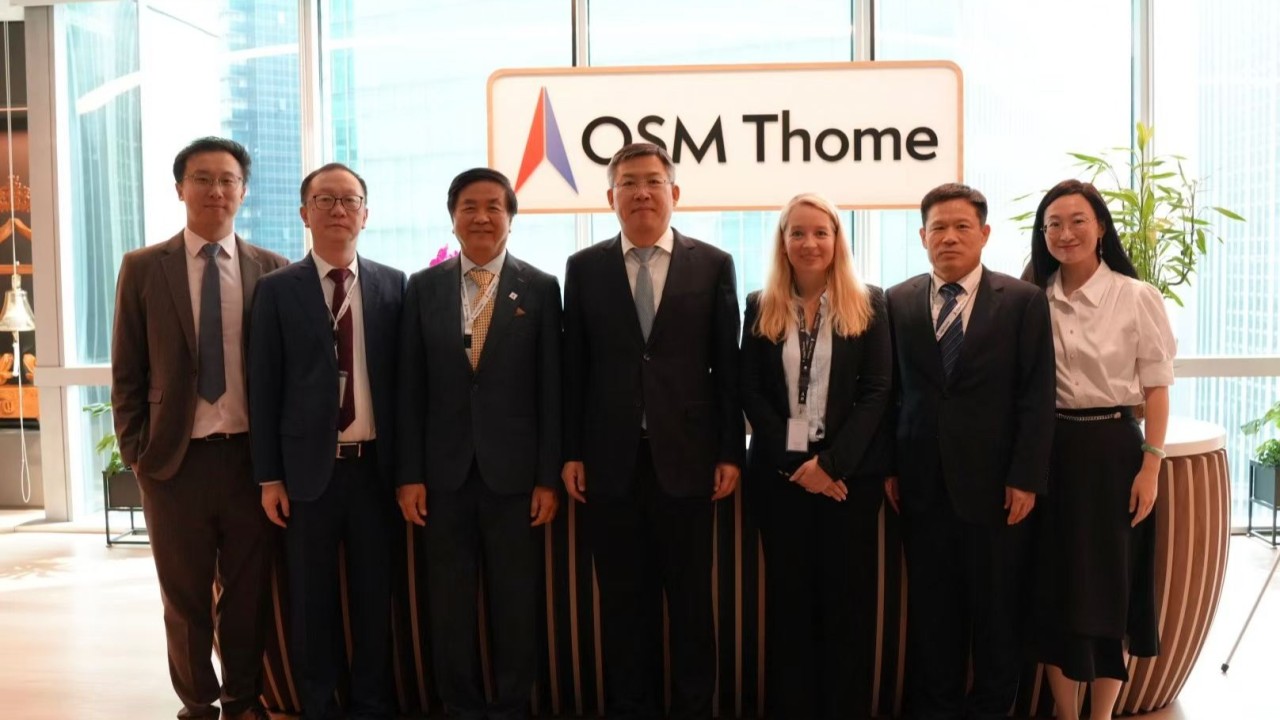
Shandong Shipping and OSM Thome Form Singapore JV
 Finance
Shipowners Have Made a Fortune. How Will They Spend It?
 Finance
From RMB 1.87 Billion to RMB 4.55 Billion: What Changed at COSCO Shipping Energy in One Year?
 Finance
Net Profit Jumps 42% as NJTC Reshapes Its Liquid-Bulk Shipping Network
 Finance
Capital Is Available, but Ship Finance Is Repricing the Risk of Buying the Wrong Vessel
 Finance
Plenty of Capital, Yet Ships Still Struggle for Financing: The Structural Mismatch Reshaping Ship Finance
 Finance
COSCO SHIPPING Specialized Posts $202 Million H1 Profit as Second-Quarter Earnings Double
 Finance