


Can Tech Really Overturn Shipping? Signal’s Yannis Martinos Says Trust Still Comes First

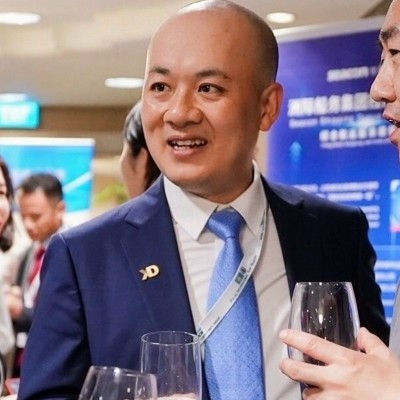
Signal Founder Ioannis Martinos: Shipping Digitalisation Comes Back to Trust
Xinde Marine News, Greece — At the TradeWinds Shipowners Forum Greece 2026, held during this year’s Posidonia week, Ioannis “Yannis” Martinos, Founder and CEO of The Signal Group, sat down with Julian Bray, Editor-in-Chief of TradeWinds, for a leadership spotlight conversation.
The discussion was brief, but it touched on some of the most important issues facing shipping technology today: Signal’s acquisition of AXSMarine, the future of shipping data, artificial intelligence, customer data privacy, the limits of technology hype, and the role of digital tools in an industry still built on relationships.
Bray noted that Martinos first visited TradeWinds around a decade ago with an early prototype of Signal’s platform. At that time, Signal was still at an early stage. Today, the company has become one of the most influential technology and data platforms in shipping, with around 400 employees, revenues in the tens of millions of dollars, and no external funding behind its growth.
Signal’s recent acquisition of AXSMarine has further expanded its product and data portfolio. It also marks a significant consolidation move in the maritime technology space.
In an era when AI and digitalisation are attracting enormous attention, Martinos’ message was clear: the future of shipping technology will not be decided by who tells the loudest disruption story. It will be decided by who understands shipping, who serves customers properly, and who can be trusted.
AXSMarine acquisition fills an important product and data gap
Speaking about the acquisition of AXSMarine, Martinos said the deal was a natural step for Signal because the two companies shared similar values.
He stressed that Signal’s core mission is to serve the shipping industry, not to overturn the way shipping works. Shipping remains a relationship-driven business. Long-term trust, market knowledge and human judgment are still central to commercial decision-making. Data can improve those decisions, but it does not replace the relationships behind them.
Martinos compared data tools to mobile phones: they have become universal business tools and have changed efficiency, but they have not removed the need for human trust and business relationships.
AXSMarine brought capabilities that Signal considered strategically important. It had a strong position in the mobile shipping market, a mature terminal product, a data set built over more than 25 years, and teams with real operational understanding of shipping.
For a maritime technology company seeking long-term relevance, those foundations matter.

Martinos said Signal does not aim to grow artificially. The company wants to grow sensibly and become one of the most reliable and dedicated service providers to the shipping sector. Signal respects the existing structure of the shipping market and the relationships that keep it functioning.
That position stands in contrast to a common Silicon Valley narrative, where technology companies often enter traditional industries claiming they will “disrupt” everything. Martinos’ approach is more grounded. Shipping does need better tools, but the industry cannot be reshaped by software logic alone.
Shipowners, charterers, brokers, cargo owners, operators, banks and service providers still rely on relationships, credit, reputation and experience. Technology platforms that ignore that reality will struggle to enter the core workflows of the industry.
Data should make traditional decisions sharper
Martinos does not believe there is anything fundamentally wrong with the traditional ways of doing business in shipping. The industry has long operated through relationships and experience because those methods reflect the reality of the market.
The role of data is to make those decisions clearer, better informed and more verifiable.
He said many companies in the sector are trying to build something similar to a “Bloomberg terminal” for shipping, bringing market data and transaction intelligence into one place. Such platforms may have very broad coverage, although even heavy users often use only a fraction of their full capabilities.
Martinos said the scale and maturity of AXSMarine’s terminal product were impressive and important for Signal.
At the same time, he emphasised that Signal’s biggest difference lies in its data philosophy.
From day one, Martinos said, Signal has never used customers’ private data or account information to train its models. Nor does it disseminate customer data to other market participants, internally or externally.
The purpose of Signal’s platform is to help customers extract clear and valuable insights from the large volume of market information they face every day. It is not to use client data to create advantages for the platform itself.
That distinction matters deeply in shipping.
The maritime market generates vast amounts of fragmented and unstructured information every day: offers, enquiries, vessel positions, cargoes, fixtures, port updates, sanctions risks, weather, AIS, bunkers, freight rates and counterparty intelligence. Before founding Signal, Martinos worked inside the industry and saw first-hand how overwhelming this information flow could be.
For every market participant, information overload is a real challenge.
Yet the most important currency in shipping remains trust. Market participants share information, exchange enquiries, discuss fixtures and build positions because they trust that sensitive commercial information will not be leaked.
If a technology platform loses that trust, even the strongest data capability becomes difficult to apply in the shipping market.
Signal’s model therefore rests on a clear boundary: use public data, partner data and properly authorised information to help customers gain insight, while strictly protecting private customer data.
In the AI era, provenance and reliability matter more
Martinos also spoke strongly about the wider technology industry.
He said he grew up in shipping and has spent his professional life thinking about the industry. Over time, however, he has lost trust in parts of the broader technology sector. He linked that concern above all to social media.
Martinos called social media “the biggest technological failure in human history”. As a father of four children under the age of 16, he said he sees its effects every day. He also reflected that if videos of his younger self dancing in clubs or behaving spontaneously had been permanently recorded and circulated, he might never have dared to be so open or expressive.
In his view, AI is now approaching a similar crossroads.
The internet brought enormous benefits, but also serious harm, particularly through misinformation and fake news. In the early internet era, free content appeared everywhere. Over time, markets learned again that high-quality and reliable information requires credible sources with expertise and reputation.
The same will apply to AI.
Martinos said the most important issues in the AI era will be provenance and trust. It is not enough to use tools such as ChatGPT. Users must be able to verify outputs, assess reliability and distinguish real insight from noise.
The stronger AI becomes, the more important it will be to know where information comes from, whether it is trustworthy, and whether it can be traced.
That view is highly relevant to shipping. Maritime decisions involve expensive assets, legal obligations, compliance exposure and live operations. A fluent but incorrect AI output could affect chartering, vessel sale and purchase, routing, insurance or sanctions decisions.
For Martinos, the industry will ultimately return to trust. That is a positive development for both business and society. The technology cycle is moving beyond hype. Companies will increasingly need to prove scale, profitability and real customer value, rather than rely on what he described as “innovation theatre”.
Maritime technology needs execution as much as invention
Martinos also made a broader point about technology entrepreneurship.
True innovation will always matter, he said. But innovation alone is not enough.
In shipping, product distribution, customer service, local market teams, continuous client support and long-term execution are just as important as the original invention. A technology may be advanced, but if clients cannot understand it, use it in their daily workflow or rely on local support, it will have limited impact.
This is one reason the AXSMarine acquisition is significant for Signal. Through the integration, Signal can expand its market reach, strengthen its mobile and terminal capabilities, broaden its data and product offering, and provide more complete service to the industry.
This also reflects a wider challenge for maritime technology companies. Many technology firms design products from their own internal logic and assume that advanced functionality will automatically be accepted by the market.
Shipping clients usually ask different questions. Does the tool solve a real problem? Does it fit existing workflows? Can it be trusted at the moment when support is needed most?
Martinos said good products build momentum through word of mouth, proven results and customer recommendations. Shipping may adopt new tools more slowly than some other sectors, but once a product proves its value, its adoption can become highly durable.
The next five years: no overnight disruption, but faster adoption
Looking five years ahead, Martinos is rationally optimistic about the shipping data market.
He described shipping as a huge, traditional and relatively slow-moving industry. Its fundamental structure will not be transformed overnight. Over the next five years, the industry’s operating framework will remain recognisable.
At the same time, adoption of data tools and curiosity toward digital transformation will accelerate significantly.
Martinos used the example of a long-lasting music band. What allows a band to sustain success for decades, he said, is a fan-centric approach. Even as the team matures, it remains disciplined, focused on its craft and dedicated to its audience.
He believes the same principle applies to shipping technology: focus on the product, focus on the client, and serve the industry.
Technology companies should not chase concepts for their own sake. They need to keep serving their core community.
Martinos also noted that modern shipping, in many of its current structures, has existed for around 80 years, while the digital shipping sector is still young. Years from now, Signal wants to be able to look back and say that it helped guide the industry through uncertainty, reduce friction, and support more efficient, transparent and reliable markets.
Xinde Marine View: digitalisation still depends on industry understanding
This short conversation offers several important takeaways for the maritime technology sector and the wider shipping industry.
First, Signal’s acquisition of AXSMarine is more than a simple combination of data assets. It represents a broader consolidation in the maritime technology market. Signal brings data modelling and platform capability. AXSMarine brings long-established data, terminal products, mobile strength and industry teams. Together, they strengthen Signal’s position in shipping data services.
Second, Martinos repeatedly emphasised serving shipping, rather than disrupting shipping. That matters. The industry clearly needs digital tools, but acceptance of those tools depends on trust, expertise and long-term service. Any platform that ignores relationships, commercial habits and information sensitivity will struggle to become part of core shipping workflows.
Third, AI is making data credibility more important. For shipping companies, the key question will not only be whether AI can generate an answer. The question will be whether that answer can be verified. Reliable data sources, clear permission boundaries, strict privacy protection and explainable analytics will become central to customer trust.
Fourth, maritime technology is entering a more mature competitive phase. Early-stage markets can be driven by stories, funding and concepts. The next phase will reward product depth, customer service, profitability, execution and reputation.
Signal’s development path is therefore worth noting. The company has grown without external funding, reached revenues in the tens of millions of dollars, and expanded through a major strategic acquisition. That points to a more disciplined model for maritime technology growth.
For Chinese shipping, shipbuilding, chartering, port and maritime service companies, the message is also relevant. Digitalisation should not stop at launching systems, building platforms or adopting AI terminology. Valuable digitalisation must be based on business understanding, data governance, privacy boundaries, customer trust and continuous service.
Shipping will become more data-driven.
Its foundation will still be trust.
In the AI era, that may matter more than ever.

READ MORE
 Technology
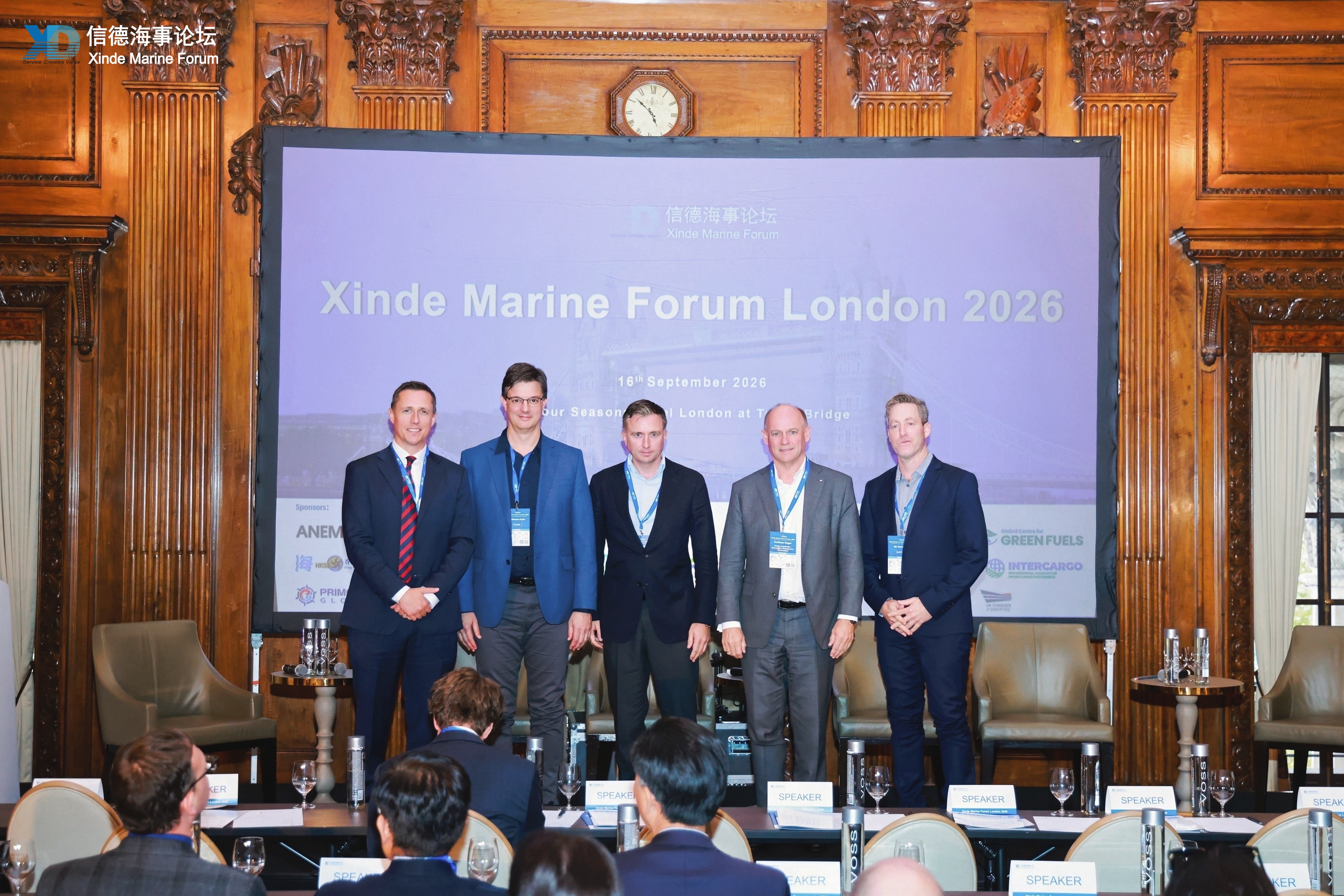
Xinde Marine Forum London 2026: Is Shipping Ready to Trust AI?
 Technology
From Cargo Movement to Market Access: Why China–GCC Project Logistics is Entering a New Phase
 Technology
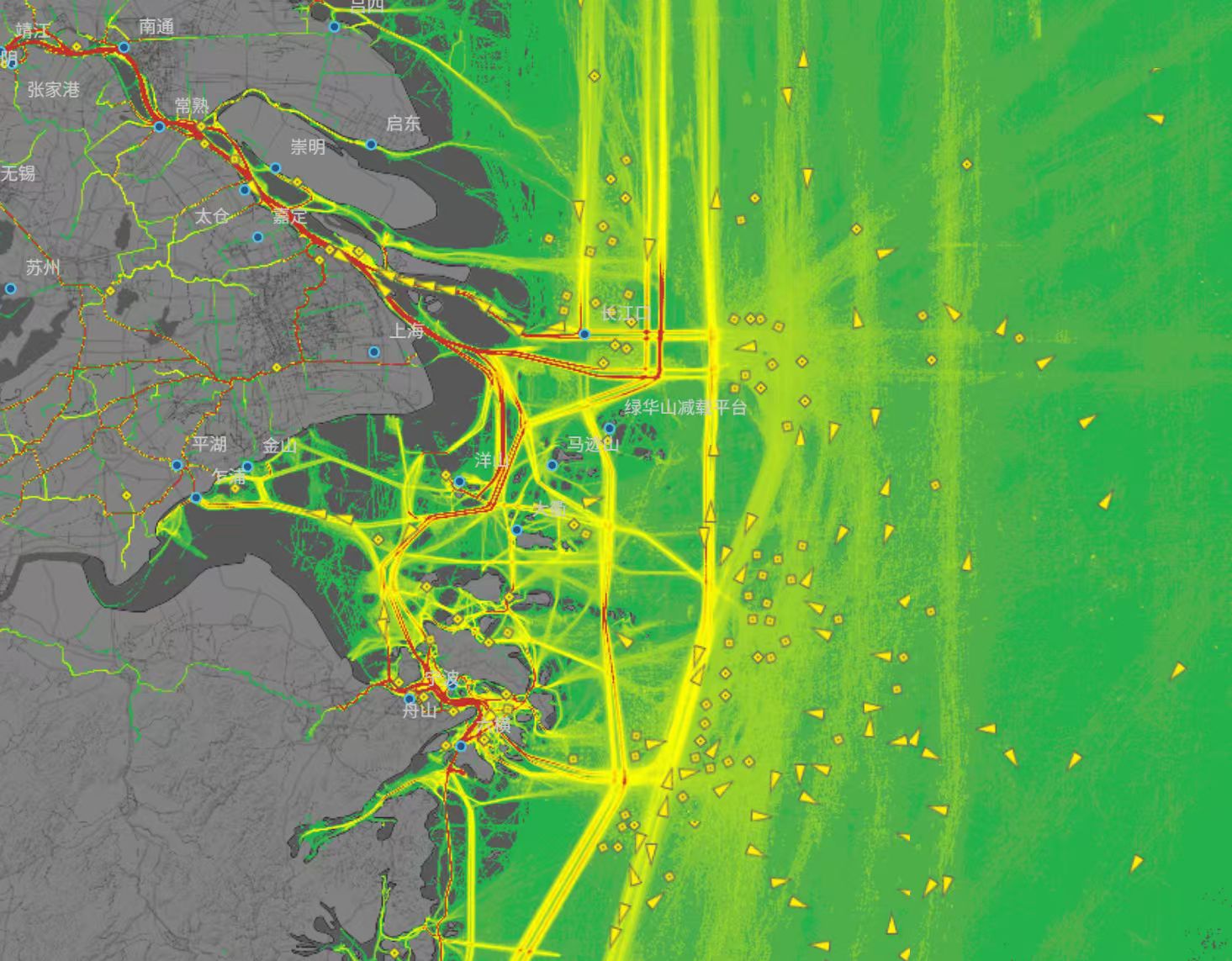
HiFleet Schedule Watch Shanghai Call Omissions Dominate as Ningbo Sees Both Retained and Omitted Calls
 Technology
Shiptec China 2026.10.28-10.30 | TECHNOBIO with POWER-Z: Improving Power and Thermal Efficiency through Fuel Additives
 Technology
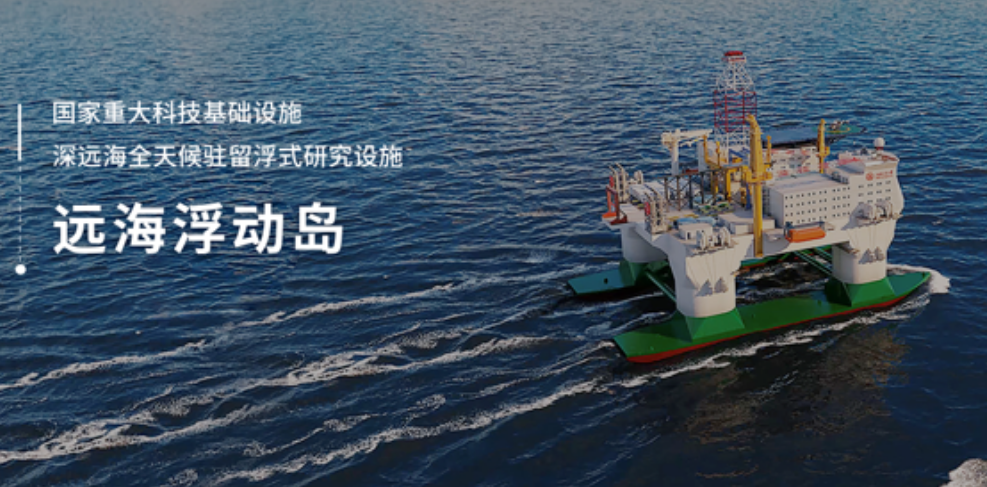
Waigaoqiao Shipbuilding wins RMB 2.76bn contract for China’s deep-ocean research platform
 Technology
Shiptec China 2026.10.28-10.30 | WE Tech Solutions- Energy Solutions Leading Marine Electrification
 Technology
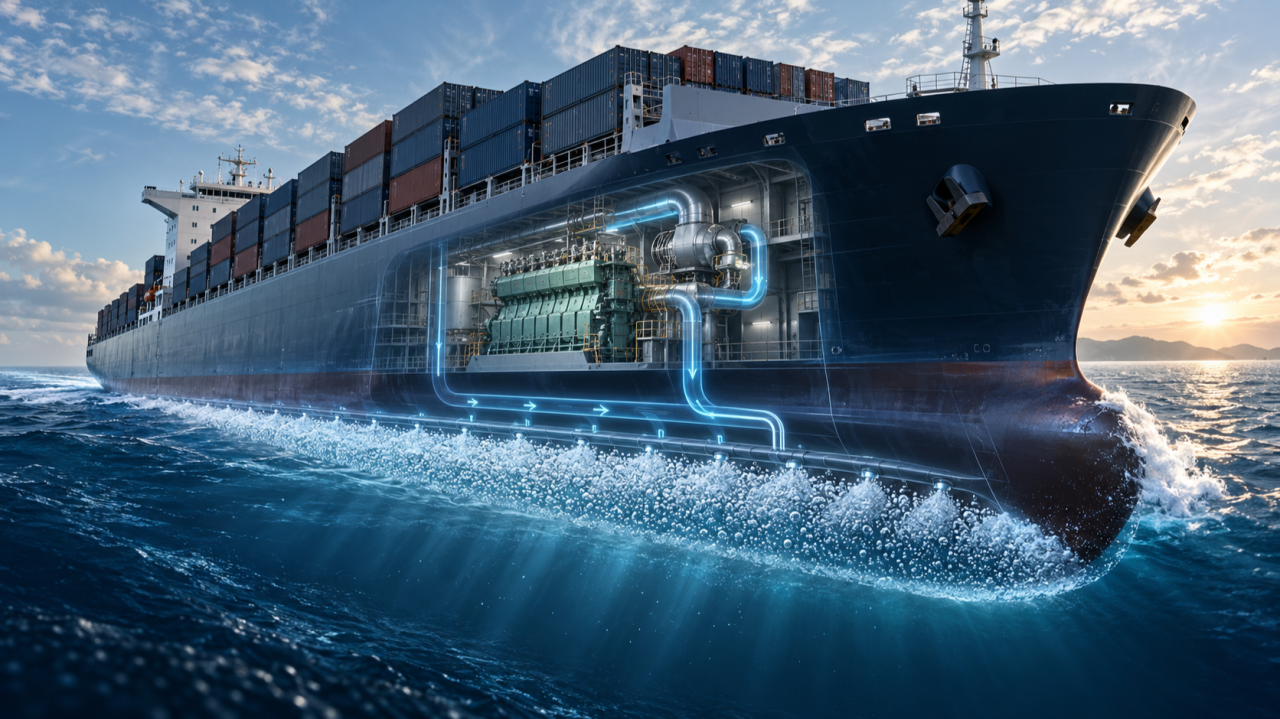
Up to 6% Net Efficiency Gain: Everllence and Silverstream Integrate Air Lubrication with the Main Engine
 Technology
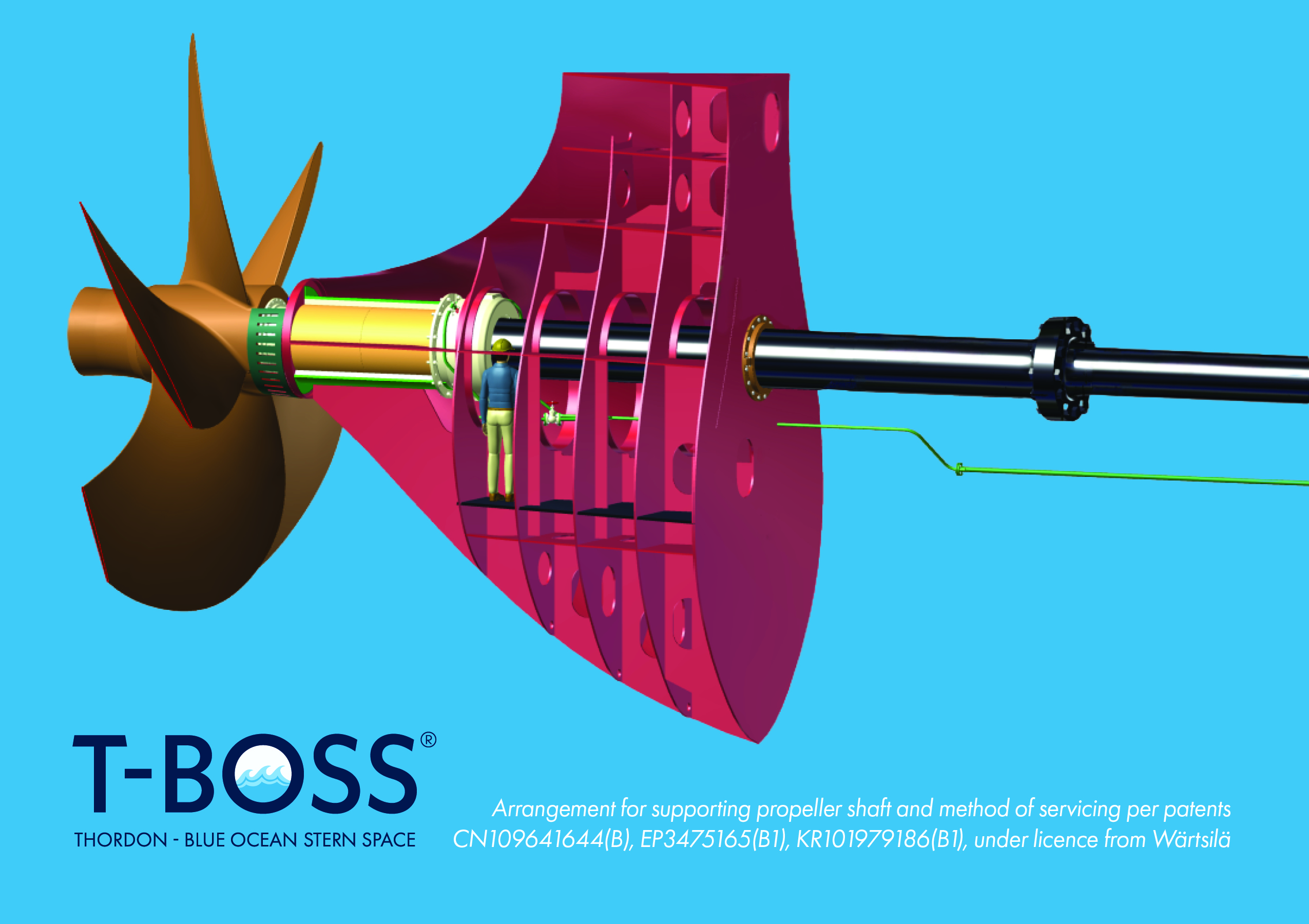
IN-DEPTH SUEZMAX STUDY MAKES CAPEX CASE FOR T-BOSS® STERNTUBELESS SHAFTLINE SYSTEM
 Technology
CMR KOREA: Empowering Maritime Safety & Efficiency with Advanced Communication & Monitoring Solutions
 Technology