


Air Lubrication Moves into the Mainstream as Silverstream Passes 160 Ships in Service
Deliveries of Grimaldi Group’s Grande Oriente and Wallenius Wilhelmsen’s Arctic Tern have lifted Silverstream Technologies’ operational fleet to 164 vessels, underscoring the shipping industry’s growing appetite for fuel-agnostic energy-efficiency solutions.

Air lubrication technology is moving decisively beyond the demonstration stage and into large-scale commercial deployment.
Silverstream Technologies announced that the number of vessels operating with its proprietary Silverstream® System has reached 164 worldwide. The latest milestone follows the delivery of Grimaldi Group’s new Pure Car and Truck Carrier Grande Oriente at the end of June and Wallenius Wilhelmsen’s Arctic Tern in July 2026. (See:Silverstream Technologies)
The installations represent more than a numerical milestone for the London-headquartered maritime technology company. They also demonstrate how air lubrication is increasingly being integrated into mainstream newbuilding programmes rather than installed only through individual pilot projects or experimental retrofits.
Two next-generation PCTCs mark the milestone
The two vessels that carried Silverstream beyond the 160-ship threshold are among the latest generation of highly efficient car carriers entering the global fleet.
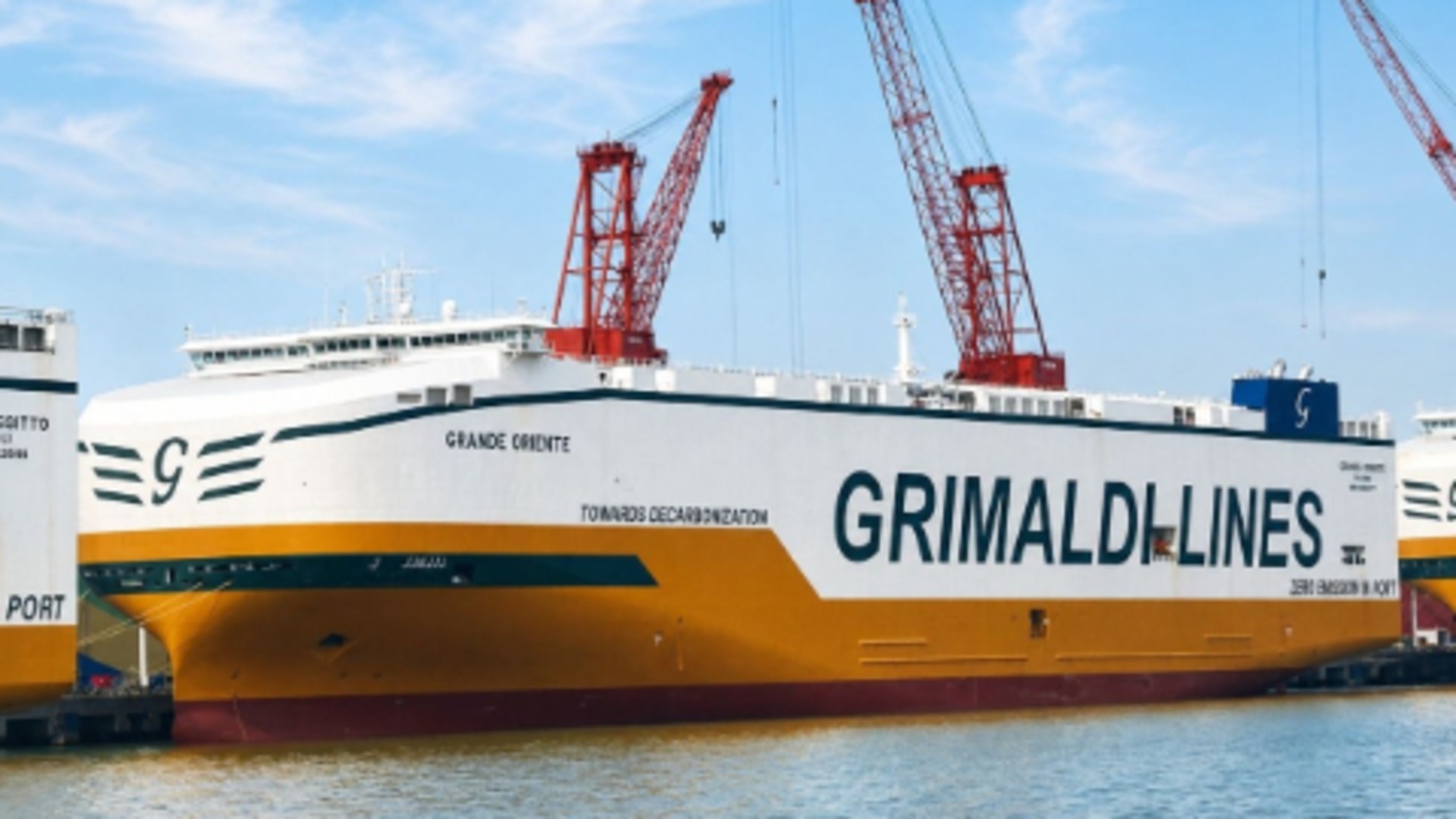
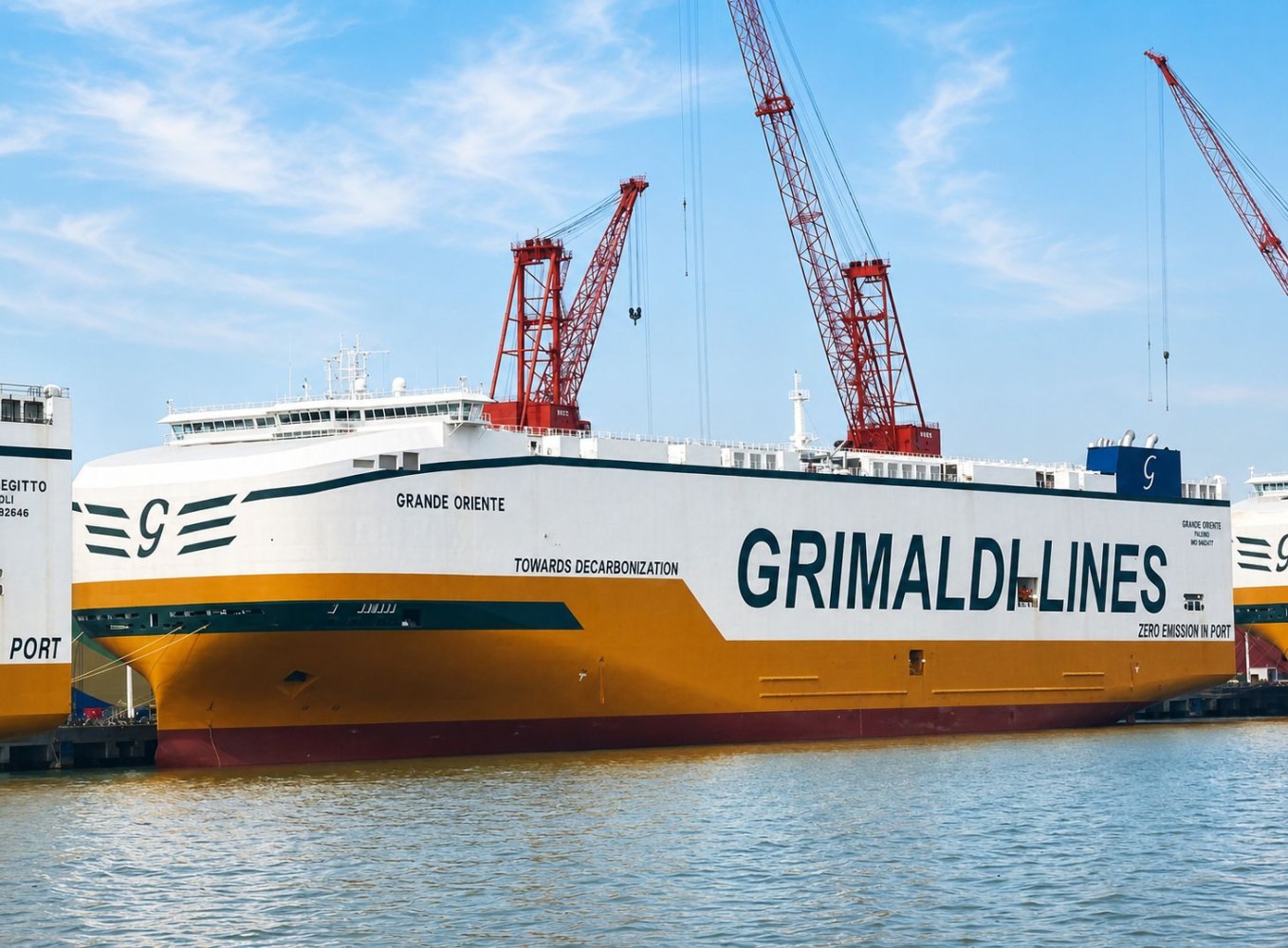
Grimaldi Group took delivery of the 9,000-CEU Grande Oriente on June 30. Built by China Merchants Heavy Industries Jiangsu, the vessel is the Italian group’s twelfth ammonia-ready PCTC and will operate on its Asia–Europe service.
The 220-metre vessel combines high cargo capacity with a package of energy-efficiency technologies intended to substantially reduce fuel consumption compared with previous generations of car carriers.
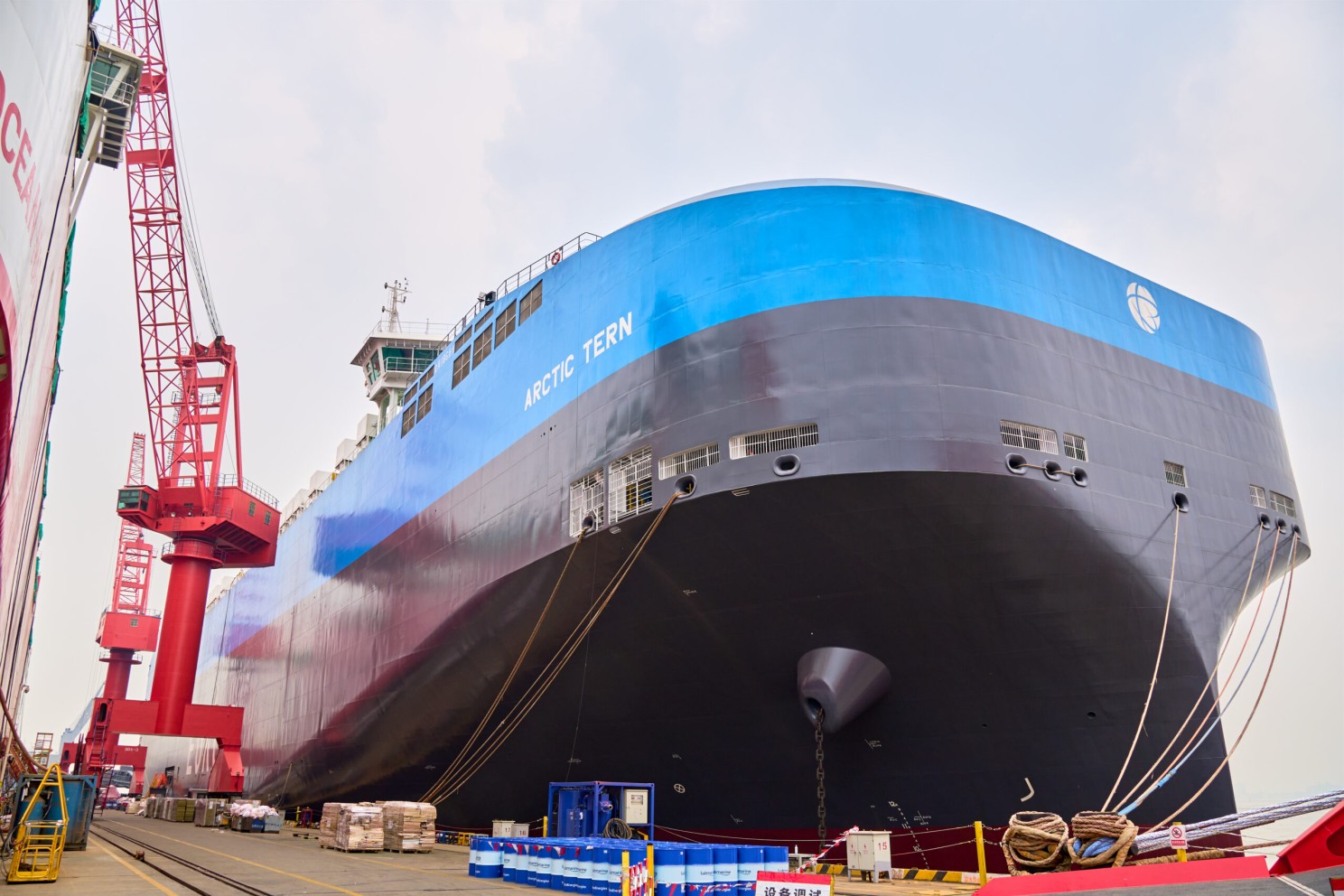
Wallenius Wilhelmsen received Arctic Tern on July 9. The vessel is the first ship in the company’s new Shaper Class and will be deployed through EUKOR Car Carriers. It features dual-fuel capability, methanol readiness, increased cargo capacity and an optimised design intended to improve operational and energy efficiency.
The inclusion of air lubrication on both vessels reflects a wider development in the PCTC market. As operators invest in larger, alternative-fuel-ready ships, they are also combining these propulsion strategies with technologies that can reduce energy consumption regardless of which fuel is eventually used.
Reducing resistance with a carpet of bubbles
The Silverstream® System generates a controlled layer of microbubbles beneath a vessel’s hull. This layer reduces frictional resistance between the hull surface and the surrounding water, lowering the amount of power required to maintain a given speed.
Reducing resistance can translate directly into lower fuel consumption and greenhouse-gas emissions. Because the technology does not depend on a particular fuel type, it can be installed on conventionally fuelled ships as well as vessels designed to operate on LNG, methanol or other future fuels.
This fuel-agnostic characteristic is becoming increasingly important. Shipowners face uncertainty over fuel availability, pricing, infrastructure and future regulatory requirements. While the industry continues to evaluate different alternative fuels, reducing the amount of energy consumed remains one of the most immediate ways to improve both environmental performance and operating economics.
Air lubrication can therefore complement alternative-fuel propulsion, hull optimisation, advanced propellers, wind assistance and digital performance-management systems as part of a broader vessel-efficiency package.
From individual projects to fleet programmes
Silverstream’s installed base now includes cruise ships, container vessels, LNG carriers, Ro-Ro and RoPax ships, as well as PCTCs. The diversity of these vessel types is significant because their operating profiles, speeds, hull forms and commercial requirements vary considerably.

The technology’s expansion across these segments suggests that air lubrication is developing into a scalable fleet-efficiency solution rather than remaining limited to a narrow category of ships.
Silverstream has secured more than 250 orders, while the number of operational installations has risen rapidly from more than 150 earlier in 2026 to 164 following the latest vessel deliveries. The company says its systems have been independently assessed by classification societies, research organisations and major maritime customers.
Its relationship with Grimaldi Group illustrates this transition towards fleet-level deployment. The cooperation began with selected vessels and has since expanded across multiple Ro-Ro, PCTC and RoPax programmes. A further nine Grimaldi Group RoPax newbuildings were selected for Silverstream installations in late 2025, taking the technology provider’s orderbook with the group to 35 vessels.
Such repeat orders are particularly important in the maritime technology market. Shipowners generally require verifiable performance data, operational reliability and lifecycle support before extending a technology across a larger fleet.
Fuel economics strengthen the business case
The commercial case for energy-efficiency technology is being reinforced by volatile fuel prices and the growing cost of carbon emissions.
A reduction in fuel consumption can deliver an immediate operating benefit while simultaneously improving a vessel’s carbon-intensity performance. For ships trading into regulated markets, lower consumption can also reduce exposure to emissions-related costs.
“Shipowners increasingly look for solutions that can provide a hedge against rising fuel costs,” Silverstream founder and CEO Noah Silberschmidt said.
For owners ordering ships with operating lives of 20 to 30 years, efficiency has also become an important component of asset competitiveness. A vessel that requires less energy to transport the same volume of cargo may be better positioned to remain commercially attractive as charterers, cargo owners and financial institutions place greater emphasis on emissions performance.
A sign of a broader industry transition
Reaching 164 operating vessels does not mean that air lubrication has become standard equipment across the global fleet. Nevertheless, it represents clear evidence that the technology is progressing from early adoption towards broader commercial acceptance.
The next stage will depend on whether suppliers can maintain verified savings across different vessel types and operating conditions, while expanding manufacturing capacity, shipyard integration and global after-sales support.
For the shipping industry, the significance of the milestone extends beyond Silverstream itself. It illustrates a broader shift in maritime decarbonisation: shipowners are increasingly seeking solutions that can deliver measurable fuel and emissions reductions today, while preserving flexibility over the fuels they may use tomorrow.
As new environmental regulations, carbon costs and fuel-price uncertainty reshape vessel economics, technologies that reduce the fundamental energy demand of ships are likely to become an increasingly important part of fleet-renewal and future-proofing strategies.


READ MORE
 Technology
HiFleet Schedule Watch Shanghai Call Omissions Dominate as Ningbo Sees Both Retained and Omitted Calls
 Technology
Waigaoqiao Shipbuilding wins RMB 2.76bn contract for China’s deep-ocean research platform
 Technology
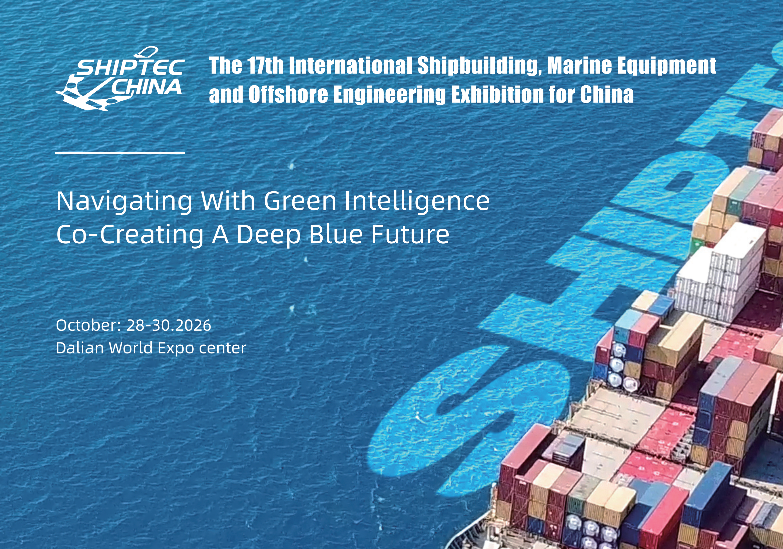
Shiptec China 2026.10.28-10.30 | WE Tech Solutions- Energy Solutions Leading Marine Electrification
 Technology
From Cargo Movement to Market Access: Why China–GCC Project Logistics is Entering a New Phase
 Technology
Up to 6% Net Efficiency Gain: Everllence and Silverstream Integrate Air Lubrication with the Main Engine
 Technology
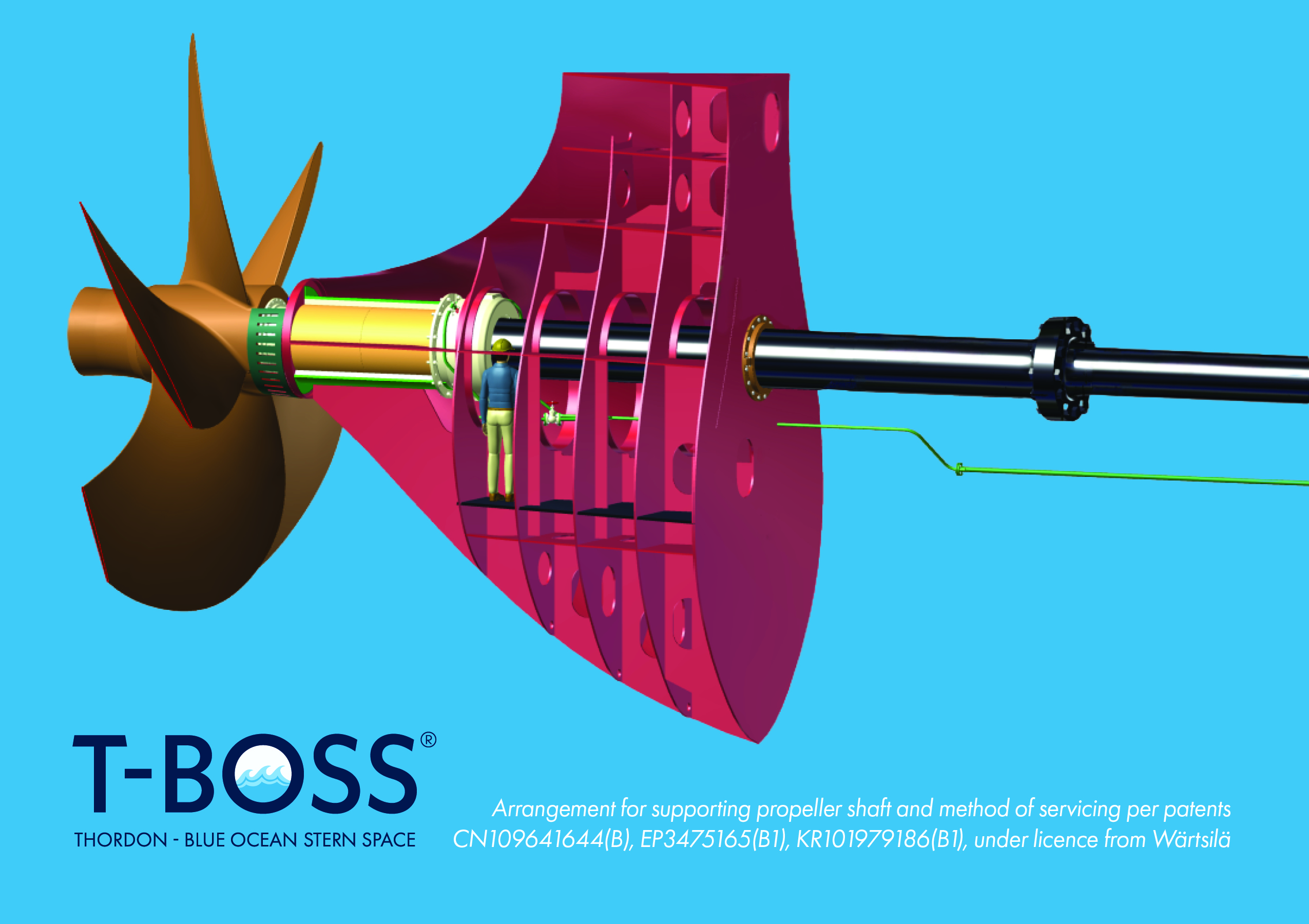
IN-DEPTH SUEZMAX STUDY MAKES CAPEX CASE FOR T-BOSS® STERNTUBELESS SHAFTLINE SYSTEM
 Technology
CMR KOREA: Empowering Maritime Safety & Efficiency with Advanced Communication & Monitoring Solutions
 Technology
Shiptec China 2026.10.28-10.30 | HYDWIN- From Standalone Breakthroughs to Full-Process Chain Technology: China's Green Shipbreaking Is Moving Toward a Systematized Intelligent Era.
 Technology
AI Alone Won't Change Behaviour. The Triple AI Will.
 Technology