


Should Chinese Shipping Companies Sponsor Football Clubs?
What MSC’s deal with Shanghai Port FC can teach Chinese shipping groups about becoming better neighbours overseas

On 11 November 2026, Shanghai Port FC announced an expanded agreement with MSC, the world’s largest container line and the club’s matchday sponsor since August. The two already had a connection on the waterfront. In 2008, MSC and Shanghai International Port Group, which owns the club today, set up a shipping agency together.

In the north-eastern Chinese port of Dalian, Singapore-based Eastern Pacific Shipping (EPS) is helping send 24 under-13 footballers and five coaches to Atlético de Madrid’s academy in Spain for a 30-day training programme. The coaches can bring what they learn in Madrid back to players who may never make the trip themselves.
Should COSCO SHIPPING, China Merchants Energy Shipping and their peers make room for football in their overseas plans? In cities where they expect to do business for decades, I believe they should, provided the club and the community have a say in what the money pays for. Many people who live beside a terminal will never book a container. They still have an interest in who gets hired, where the lorries go and whether someone at the port answers when they call. A club gives residents and the company’s local staff a reason to get to know one another over the course of an ordinary season.
Why shipowners turn up at FC Imabari
When EPS began sponsoring FC Imabari in March 2024, it cited its business with shipyards around the Japanese city and a desire to give something back to the people who live there. The club’s 2025 partner list also included Navios Maritime Partners, Ultrabulk, Belships and CTM. Ultrabulk explained its presence by pointing to more than half a century of taking delivery of Japanese-built ships. For a fleet owner such as China Merchants Energy Shipping, a town where it orders vessels or recruits seafarers could be a natural place to start.
MSC gave a similar reason for backing Istanbul’s Fenerbahçe Beko men’s basketball team in 2022. It already had substantial cargo, logistics and terminal businesses in Türkiye. MSC said it wanted to spend more time with customers and give employees something they could enjoy together. Some of the people a shipping company hopes to reach through sport are already on its payroll.
A partnership can also open a training ground that would otherwise be out of reach. In early 2026, ten Singaporean cyclists and two national coaches spent three weeks in Calpe, Spain, training alongside Movistar Team through a programme backed by EPS and the Singapore Cycling Federation. Rider Yip Ga Cheng recalled how easily the professionals chatted as they descended at speed. The visiting coaches also got a close look at the team’s routines for nutrition and recovery, knowledge they could use with other riders back home.
What a sponsor brings to the partnership
CMA CGM has been the main partner of Olympique de Marseille, its hometown football club, since 2023. Its support extends to the men’s and women’s professional sides and the academy. In cycling, the French group signed an initial five-year deal with Decathlon, and the team took both companies’ names in January 2026. The agreement also makes use of the group’s day-to-day expertise. Its subsidiary CEVA Logistics handles transport for selected international trips.

Chelsea FC reported that awareness of MSC Cruises among its supporters in the UK and Ireland rose from 14% to 85% during the first three years of their partnership. For a cruise line selling holidays, that is an audience worth tracking. For a terminal operator promising to widen access to football, the question at the end of the season is how many more local children actually got a place on a team.

A berth for an artist
The French carrier Marfret has hosted artists in residence since 2007. Working with Villa Albertine and France’s Musée national de la Marine, it has offered artists and writers a berth on a trading containership. In Hamburg, the Hapag-Lloyd Foundation awards ballet scholarships and helped the International Maritime Museum install a simulator where children can try steering a harbour launch.
A Chinese carrier could give a filmmaker access to a crew over the course of a voyage. A port company could open its archives to a local curator and invite dockworkers to contribute their own photographs and memories. In each case, the artist or curator should have the freedom to choose the questions, work in the local language and follow a story wherever it leads. That gives Chinese and local employees a chance to see a familiar workplace through someone else’s eyes.
Where Hamburg, Piraeus and Chancay could start
In Hamburg, COSCO SHIPPING Ports agreed in 2023 to take a 24.99% stake in Container Terminal Tollerort, operated by the German group HHLA. The partners could ask clubs near the terminal what it would take to give another group of children a place to play. One club might need funds for volunteers to earn coaching qualifications. Another might struggle to hire a pitch through the winter. Schools could also work with the partners on visits to the terminal or an exchange with a Chinese port city.
In Piraeus, the COSCO-controlled Piraeus Port Authority was a Gold Partner of the Greek team at the 2022 Beijing Winter Olympics and had previously supported the Hellenic Paralympic Committee. Clubs in Piraeus could build on those ties by offering regular sessions for young people with disabilities, with transport in the budget so families can attend. A local museum might bring Greek and Chinese seafarers together with retired dockworkers to record how the port and the work have changed within their lifetimes.
In Chancay, Peru, one telling detail concerns who had the final say over a wall. In 2025, COSCO SHIPPING Ports and its local partner Conecta worked with the district municipality on a cultural trail featuring 19 murals by three artists. Property owners gave their consent before painting began and approved the finished work. The same principle could guide the next investment. A youth league might want a community pitch, while local craftspeople might favour a workshop where they can teach apprentices. The people who will use it should help choose.

What a three-year commitment would look like
Chinese shipping groups could pilot this approach in a handful of ports where they already have staff and partners. Headquarters could commit a budget for three years and publish the criteria for awarding funds. Local managers, clubs, schools and residents would choose projects together. A club could then hire a coach for several seasons, and a school sharing the pitch would know who pays for upkeep. At renewal, the partners should ask which families still struggled to attend and what it would take to include them.
Boards need to know what they are paying for. A commercial sponsorship can be assessed through customer contact and brand recognition. Buying shares in a club calls for an investment case and clarity about who controls it. For a community programme, a club or local university could report how many children completed the season, how many coaches earned qualifications and which changes residents requested. Residents and managers could use those findings together when deciding whether to renew the funding.
Sharing that experience across borders is one way a shipping group can contribute to global governance. The UN’s Sustainable Development Goal 17 encourages public authorities, companies and civil society to work together. The UN Global Compact sets out responsibilities in human rights, labour, the environment and anti-corruption. For a port operator, those principles bear directly on how it recruits, protects its workforce and reports environmental impacts. Residents who can reach a manager about access to a football pitch should also be able to get an answer about lorry traffic on their street. Publishing how the company responded, in the local language, gives residents a record they can check and other ports an approach they can assess.

Who gets to tell the story of Chinese shipping?
A photograph of a ship on its first call at a new quay records the day a service began. The people who live nearby can tell the next part of the story. A coach can explain what a grant changed for a team. A parent can say why moving practice by half an hour made it possible for a child to attend. A dockworker can describe what happened after a concern was raised. Local journalists and filmmakers should be free to follow those experiences over time, including the promises residents are still waiting for the company to keep.
If, three seasons from now, a coach in Piraeus can point to a team that kept playing because a Chinese shipowner kept its word, that is a story about how China engages with the world. Let the coach tell it in Greek. It deserves to be read in China, too.


READ MORE
 People
MSC Shipmanagement Targets Chinese Seafarer Pool of Over 5,000 by 2030, Plans Free 24/7 Internet
 People
Yu Jiajia Becomes First Chinese Recipient of IMO Gender Equality Award
 People
IMO Council Backs Second Term for Arsenio Dominguez, Setting Stage for Four More Years of Maritime Reform
 People
CSSC Shipping department head Guo Yang turns himself in
 People
IMO Secretary-General: More Shipbuilding Capacity Could Support Shipping’s Green Transition
 People
Private Jets, Luxury Hotels and LNG: US Inquiry Examines Former Envoy’s Greek Business Ties
 People
CMB.TECH’s Jan De Beurme: Shipping Cannot Wait for Perfect Certainty
 People
COSCO SHIPPING Chairman Wan Min Identifies Four Shifts Reshaping Global Shipping
 People
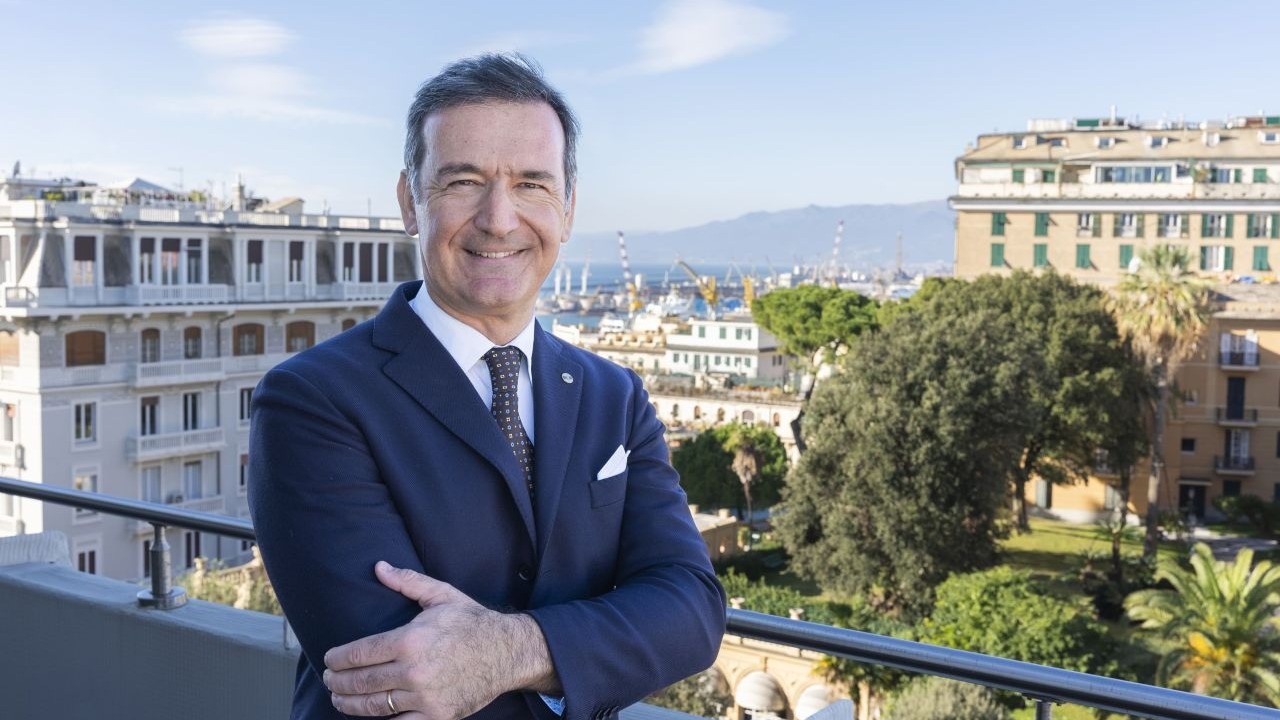
Paolo Moretti Be Named as RINA Group CEO
 People