


US Proposes Extending Port Fee Relief for Chinese-Owned and Chinese-Built Ships


Shipping operators and equipment importers could receive another two months of relief under a proposal that remains subject to a final USTR decision.
The Office of the United States Trade Representative (USTR) has proposed keeping its Section 301 measures targeting China’s maritime, logistics and shipbuilding sectors suspended through January 9, 2027, allowing more time for negotiations with Beijing.
The proposal, published in the Federal Register on October 26, would extend the suspension from midnight on November 10, 2026, until 11:59 p.m. on January 9, 2027, US Eastern Time. It covers specified maritime service fees and additional tariffs on certain cargo-handling equipment.
The existing suspension began on November 10, 2025, following a US-China trade agreement, and expires at 11:59 p.m. Eastern Time on November 9, 2026. That remains the operative deadline pending a final decision on the proposed extension.
Exposure extends beyond Chinese shipowners
The maritime fees covered by the proposal fall under Annexes I, II and III of USTR’s April 2025 action, as subsequently modified. These address vessels owned or operated by Chinese entities, Chinese-built vessels, and vehicle carriers built outside the United States.
Each category has its own definitions and exemptions. A vessel’s flag or its owner’s place of registration alone does not determine whether a fee applies.
The scope brings international operators into the policy’s reach. A non-Chinese shipping company deploying Chinese-built tonnage on US services may be affected, while the vehicle-carrier provisions extend to ships constructed in countries other than China.
For these operators, the suspension’s duration can influence vessel deployment and voyage economics, even where the company itself has no Chinese ownership. This follows from the measures’ separate treatment of ownership, operation and place of construction.
Under the proposed extension, no liability for the specified fees or duties would arise during the additional suspension period. Payments would therefore not accumulate for collection at a later date.
Equipment tariffs also covered
The equipment provisions concern Annex V.A of USTR’s October 16, 2025 notice. They cover qualifying ship-to-shore cranes, intermodal chassis—the wheeled frames used to transport containers—and certain chassis components.
That annex established additional duties of 100%, subject to the relevant tariff classifications, origin rules and other eligibility criteria. Extending the suspension would continue relief from those particular duties; other US tariffs on Chinese goods fall outside this proposal.
For covered equipment imports, the timing of entry into the United States can therefore materially affect landed costs. An extension would provide additional time for qualifying shipments to enter during the suspension.
Greater visibility for near-term operations
The commercial concerns behind the suspension were evident in the previous consultation. In its 2025 decision, USTR reported receiving approximately 70 distinct comments, most supporting a pause. Supporters cited lower shipping costs, reduced business disruption and additional time for negotiations and investment in US shipbuilding. These were submissions to the earlier consultation.
If approved, the extension would allow operators to calculate costs for more year-end and early-January US voyages without the specified service fees. That would provide a firmer basis for vessel allocation, freight quotations and discussions over contractual responsibility for charges.
The benefit would remain limited to the additional period. Voyages, charters and equipment deliveries extending beyond January 9 would still require assumptions about whether the measures resume, change or remain suspended. A two-month extension offers useful visibility for immediate operations, but provides little certainty for decisions involving years of vessel employment or newbuilding investment.
USTR’s earlier suspension decision also maintained US efforts to expand domestic shipbuilding capacity and cooperate with allies and partners. Continued fee relief can therefore coexist with those industrial policy objectives. The proposed extension does not establish that the underlying trade dispute has been resolved.
Written comments are due by 5 p.m. US Eastern Time on October 30, 2026, equivalent to 5 a.m. Beijing time on October 31. Submissions can be made through the USTR comments portal under docket USTR-2026-0694.


READ MORE
 Ports & Terminals
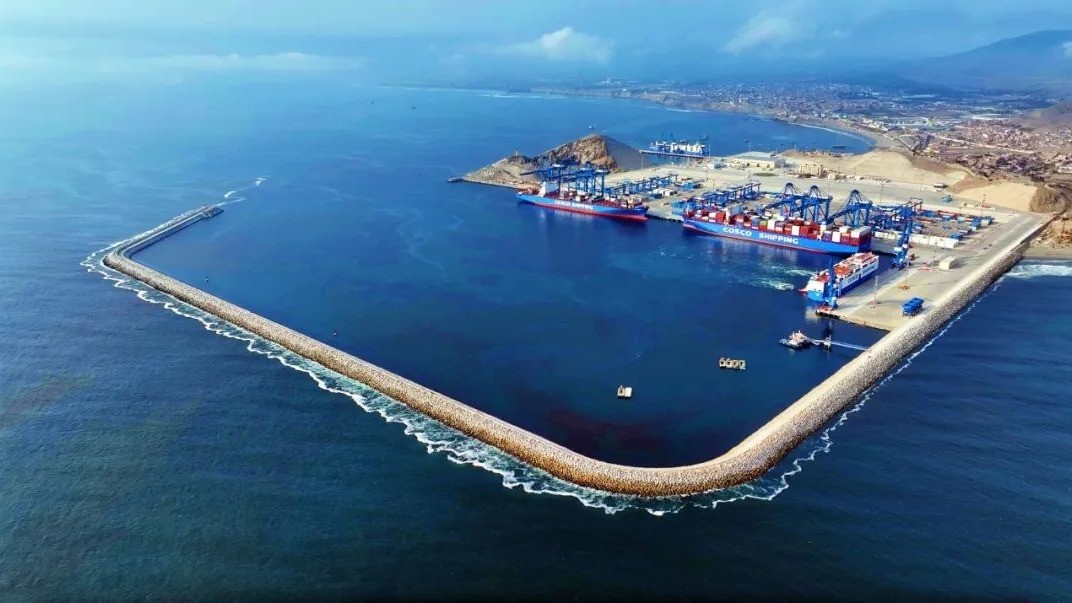
Chancay Port: Defending Legitimate Investment Through the Rule of Law
 Ports & Terminals
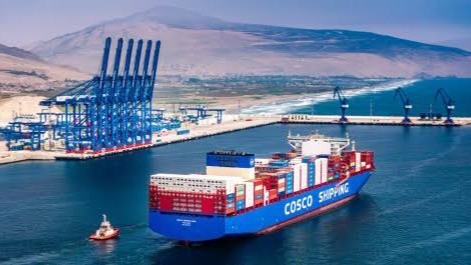
Chancay Port: A Gateway for Trade, Competition and Shared Prosperity
 Ports & Terminals
Can a 134-Kilometre Canal Redraw China’s Shipping Map?
 Ports & Terminals
HONG KONG MARITIME WEEK 2026 10TH ANNIVERSARY 15-21 NOVEMBER
 Ports & Terminals
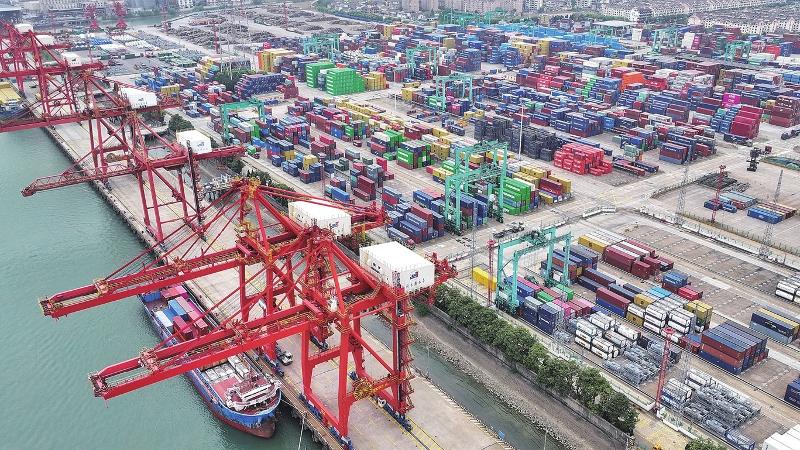
Yantian Port plans RMB3.79bn Zhangjiagang terminal
 Ports & Terminals
Vietnam’s Cai Mep Terminals Open 1,200-Metre Shared Berth
 Ports & Terminals
Ningbo Port’s September Box Volumes Rebound 9.3%
 Ports & Terminals
Germany Blocks COSCO’s Zippel Deal, Testing Inland Logistics Expansion
 Ports & Terminals
Keep buying!Inside the Maersk Family’s Infrastructure Buying Spree——From 70-Plus Ships to 50-Plus Terminals
 Ports & Terminals