


69 Ships for Prokopiou, 10 for Centrofin: Why Owners Keep Choosing Hengli
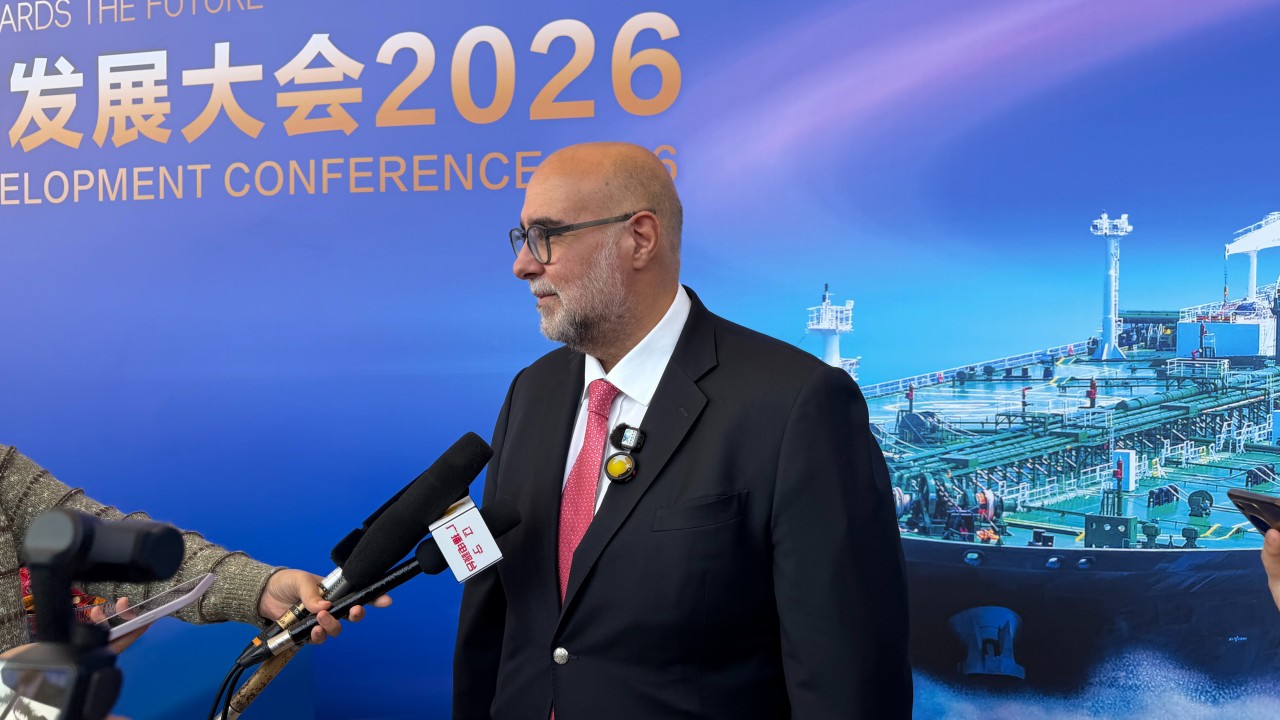
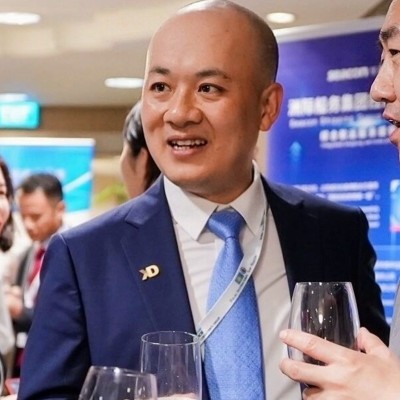
Companies controlled by Greek shipowner George Prokopiou have ordered 69 vessels from Hengli Heavy Industry. CENTROFIN MANAGEMENT INC. has placed orders for 10 ships, extending its relationship with the Chinese builder from bulk carriers into containerships. Meanwhile, China’s Wanhui is discussing further projects after roughly a year of operating two Hengli-built bulkers equipped with engines manufactured by the group.
Behind these different programmes is a common commercial question: what gives an owner the confidence to entrust a shipyard with its next vessel?
In interviews with Xinde Marine News during the third Hengli Green Ship Development Conference in Dalian on 15–16 October 2026, Prokopiou, Centrofin chief operating officer Anthony Lambros and Wanhui chairman Yang Chuan described their experience of construction quality, production facilities, engine performance and support after delivery.
Their accounts provide a customer perspective on Hengli’s rapid expansion. At the conference, Chen Hanlun, a director and general manager of Hengli’s listed parent Songfa, said the shipbuilding orderbook had exceeded 600 vessels. For the owners interviewed, confidence has developed through successive projects, delivered ships and direct experience of working with the yard.
Repeat Orders Across Vessel Types
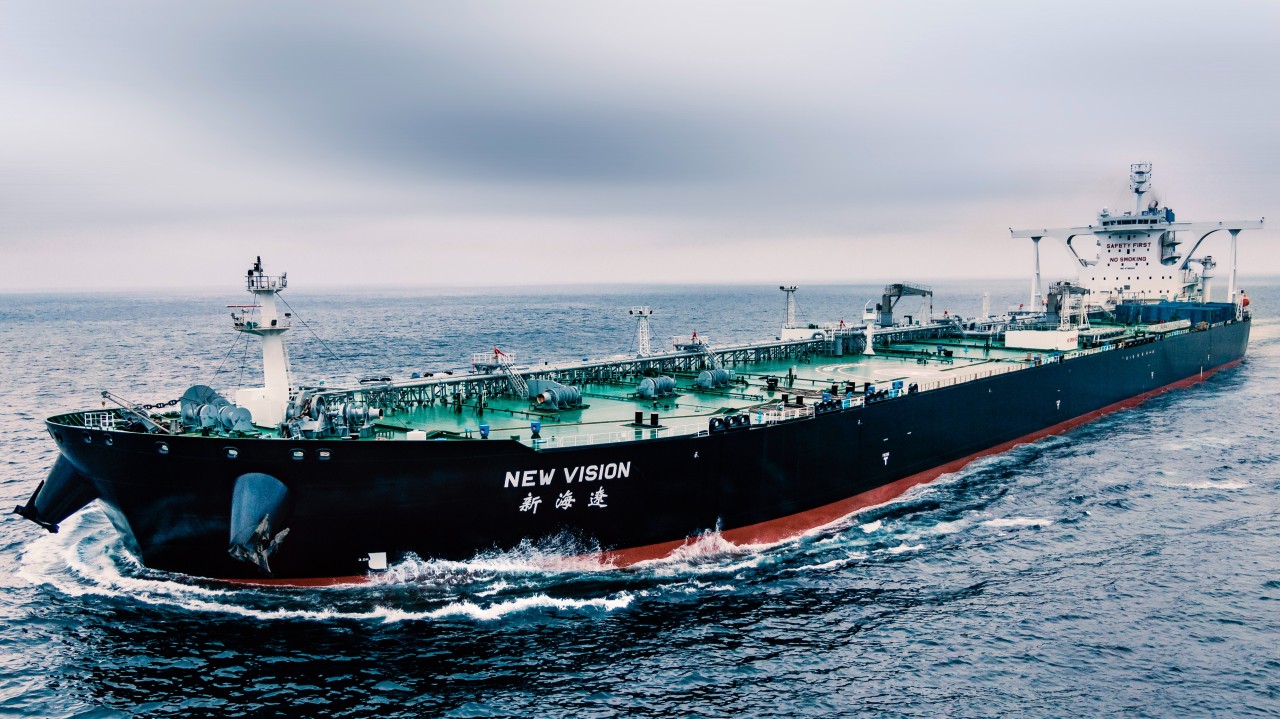
Prokopiou, the founder of Dynacom, said companies within his shipping interests had placed cumulative orders for 69 ships of different types at Hengli, including 16 very large crude carriers. Sixteen vessels across the programme had already been delivered.
“What is impressive is the quality, the punctuality, and the good cooperation with our team,” he said.
Having worked with Chinese shipbuilders for more than 20 years, Prokopiou brings a long history of international newbuilding procurement to that assessment. He recalled buying the first VLCC produced by Hengli and subsequently expanding the relationship across Panamax and Capesize bulk carriers, VLCCs and Suezmax tankers. His comments linked the growing commitment to the quality of completed vessels, delivery performance and cooperation between the shipyard and his own teams.
The relationship has also extended into large gas carriers. As Xinde Marine News reported in September, Dynacom returned to Hengli with a package comprising six 93,000-cbm very large ammonia carriers and two VLCCs, valued at close to $1 billion. That programme demonstrates how cooperation established in conventional dry bulk and crude oil shipping has broadened into more specialised vessel types.
Centrofin’s experience follows a similar pattern of expansion across segments. Lambros said the Greek tanker and bulker owner, which he described as having approximately 55 vessels, began ordering at Hengli in 2024. It has since committed to eight Kamsarmax bulk carriers and two containerships, with six ships already delivered.
“We have already taken delivery of six ships, and we are very happy with the product,” Lambros said.
Xinde Marine News previously reported Centrofin’s first move into containership newbuildings. Placing those ships at Hengli extends an existing relationship into a new business segment. Familiarity with a yard’s technical teams, supervision arrangements and project procedures can be valuable when an owner is also taking on the requirements of a different vessel type.
For Wanhui, the next stage remains under discussion. Yang said the group ordered its first two 82,000-dwt Kamsarmax bulk carriers at Hengli in 2024 and has taken delivery of both. It is now exploring another round of projects involving bulk carriers and gas carriers. Those discussions build on experience with vessels already in service.
A Shipyard Transformation Seen Through Repeat Visits
Prokopiou’s relationship with the site predates Hengli’s ownership. He visited during the final period of Korean group STX’s involvement and remembered an extensive facility whose financial difficulties eventually prevented it from continuing normal shipbuilding operations.
Hengli acquired the former STX Dalian assets in 2022, and the revived industrial park formally entered operation in early 2023. Prokopiou said the new owners and management had rejuvenated, expanded and improved the yard. What impressed him now was the combination of ship construction with the manufacture of main engines and generators.
“Chinese engineers manage the impossible,” he said, praising the quality of the ships the industry can now produce.
Lambros has followed the yard’s development through repeated visits. This was his fifth trip, and he said each had revealed new facilities or further progress. Centrofin has built ships in South Korea, Japan and elsewhere in China, giving its team experience of different shipbuilding environments.
“Every time I come, I am pleasantly surprised,” he said. He also praised the commitment of the workforce, describing an organisation in which management and workers were striving towards the same result.
Asked to identify Hengli’s advantages, Lambros pointed first to its scale and expertise. He also highlighted its heavy lifting capacity, arguing that large cranes could help reduce the time vessels spend in drydock and improve productivity.
Those observations were accompanied by visible production activity during the conference. Delegates saw two 21,000-TEU containerships float out of Dock No. 3, while Dock No. 1 underwent flooding. According to the conference’s official release, Hengli had commenced construction of more than 200 vessels, developed annual steel-processing capacity of 3 million tonnes and secured newbuilding work extending to 2030.
For returning customers, the changing site provides a direct view of how investment in workshops, docks, equipment and production organisation is being translated into ships under construction.
Why Engine Manufacturing Matters to Owners
One of Lambros’s strongest endorsements concerned Hengli’s engine factory.
“The ability to have the main engine produced on time, specifically where the ship is being built, is priceless,” he said, describing this as one of the yard’s biggest advantages. 10月18日(1)(2)
The observation addresses a practical issue in newbuilding execution. Engine manufacture, testing and delivery must be coordinated with installation, commissioning and the vessel’s wider construction schedule. Bringing engine production and shipbuilding into the same industrial organisation allows closer coordination of these activities and can help reduce the risk of completed hulls waiting for essential machinery.
For an owner, the commercial value lies in a more manageable construction process: technical interfaces can be addressed earlier, production schedules can be aligned and equipment delivery can be planned around the needs of the ship.
Yang’s account added the perspective of an operator using those engines at sea. He said Wanhui’s initial bulker programme involved the first main engine produced by Hengli. After approximately a year of operation, the vessels’ performance indicators, particularly those relating to the engines, had been very good. He singled out fuel consumption for praise.
The project has a documented history. On 24 November 2025, Hengli held the naming ceremony for Wanhui’s 82,000-dwt bulk carriers SYRMA and SARGAS. Both were equipped with Hengli-manufactured engines. The shipbuilder described the vessels as the first application of its own engine production in ships built at its yard.
Yang’s latest comments therefore take the assessment beyond manufacture and delivery. They reflect the customer’s experience of machinery operating under actual service conditions.
Fuel consumption and engine performance are central to daily vessel operation. A shipowner’s experience over successive voyages provides feedback on how equipment performs beyond factory testing and sea trials. Yang said he was highly confident in both Hengli’s engines and its current shipbuilding quality, and described Wanhui as proud to be a user and partner.
The two interviews explain the value of integrated shipbuilding and engine production from different positions. Lambros focused on equipment availability and construction coordination; Yang focused on operational performance after delivery. Together, they connect the industrial capabilities visible at the yard with the experience of the fleet at sea.
Service Continues After Handover
Prokopiou said Hengli’s ships were well built, delivered punctually and, in some cases, earlier than anticipated. He also praised their performance in operation. But his explanation of the relationship went further, placing particular emphasis on the support available after a vessel leaves the yard.
Owners still need spare parts, technical advice and assistance with improvements, he said. New ships can encounter teething problems as machinery and systems adjust to commercial service, making continued engagement by the builder especially valuable.
In Prokopiou’s assessment, Hengli had provided strong support through that period, and this helped distinguish the yard.
The comments show how a newbuilding relationship develops across successive stages. During construction, an owner works with the yard on quality, progress and supervision. After handover, the practical focus shifts towards technical responses, equipment support and the vessel’s performance in service. Those experiences help shape the assessment of the next project.
The relationship can also produce useful feedback for subsequent ships. Information from an operating vessel can inform technical discussions and improvements on sister vessels still under construction. With a series of orders, the cooperation becomes an ongoing exchange between the shipyard, the owner’s shore organisation and its operating fleet.
This is particularly relevant to Hengli’s expanding customer programmes. Prokopiou’s comments on service, Lambros’s account of cooperation with the yard and Yang’s operational feedback describe different parts of the experience that can encourage an owner to return.
A Practical Approach to Greener Ships
The conference’s focus on greener shipping brought those commercial and operational considerations into discussions about future technology.
Yang said the engines already in Wanhui’s service met the latest applicable emissions requirements and had performed well on fuel consumption. For the gas carrier projects under discussion, he said the parties were considering newer green engine technology manufactured by Hengli. His comments presented future propulsion choices as part of an ongoing project discussion, grounded in experience with existing equipment.
Prokopiou argued for a practical approach to the transition: distinguish what the industry would like to achieve from what can be implemented, then improve the solutions that can actually be delivered.
Hengli’s product programme provides several examples of that work. According to the conference release, the company delivered an 8G95 LNG dual-fuel engine in April 2026. It said its engine manufacturing portfolio now covers dual-fuel technologies for LNG, LPG, methanol and ammonia, with annual production capacity planned to reach 300 engines at full operation.
The shipbuilder also reported that its first 93,000-cbm very large ammonia carrier had been launched in June and completed sea trials in September, with delivery approaching at the time of the conference. Alongside complete vessels, it is expanding in-house capabilities for major components including tanks, engines and shafts.
For international owners, these developments broaden the range of projects that can be discussed with an established building partner. Centrofin has extended its relationship from bulk carriers into containerships, Prokopiou’s interests have placed orders across several ship types, and Wanhui is considering further bulk and gas carrier projects after operating its first vessels.
The interviews point to a practical route through fleet renewal: confidence grows as a shipyard delivers a vessel, the owner gains operating experience, and both sides continue working together. As propulsion choices and ship specifications become more varied, the ability to coordinate construction, manufacture key equipment and support vessels in service becomes increasingly valuable.
Hengli’s customers are assessing that capability through ships they have ordered and vessels already trading. Their experience offers a concrete explanation for the yard’s growing role in international newbuilding programmes—and for why owners are continuing to discuss the next ship.


READ MORE
 Tankers
INTERTANKO Press Statement -- Easing of US sanctions
 Tankers
International Seaways Agrees $370 Million Bruton Takeover to Expand VLCC Fleet
 Tankers
Kinetai Holdings Opens Singapore Base with Fleet Expansion and Tanker Plans
 Tankers
CMB.TECH’s Tanker Sales Set to Generate Nearly $680m in Gains
 Tankers
Emarat Maritime Adds Six LR1s as China Newbuilding Programme Reaches 22 Ships
 Tankers
China Merchants Energy Shipping Establishes European Marketing Hub in London to Expand Global Reach
 Tankers
Guohang expands Hong Kong platform for tanker and heavy-lift push
 Tankers
A 15-Year-Old VLCC Sells for $161 Million as Tanker Asset Prices Surge
 Tankers
VLCC Benchmark Tops $1 Million a Day: How Are Owners Using the Windfall?
 Tankers