


Sallaum Lines Returns to China with New PCTC Order — Another Sign of the Global Car Carrier Boom
8,600 CEU LNG dual-fuel vessels become a key investment focus as Chinese shipyards strengthen their position in the next generation PCTC market
The global Pure Car and Truck Carrier (PCTC) market continues to attract strong investment, with shipowners racing to secure modern, efficient tonnage amid booming vehicle exports and tightening fleet availability.
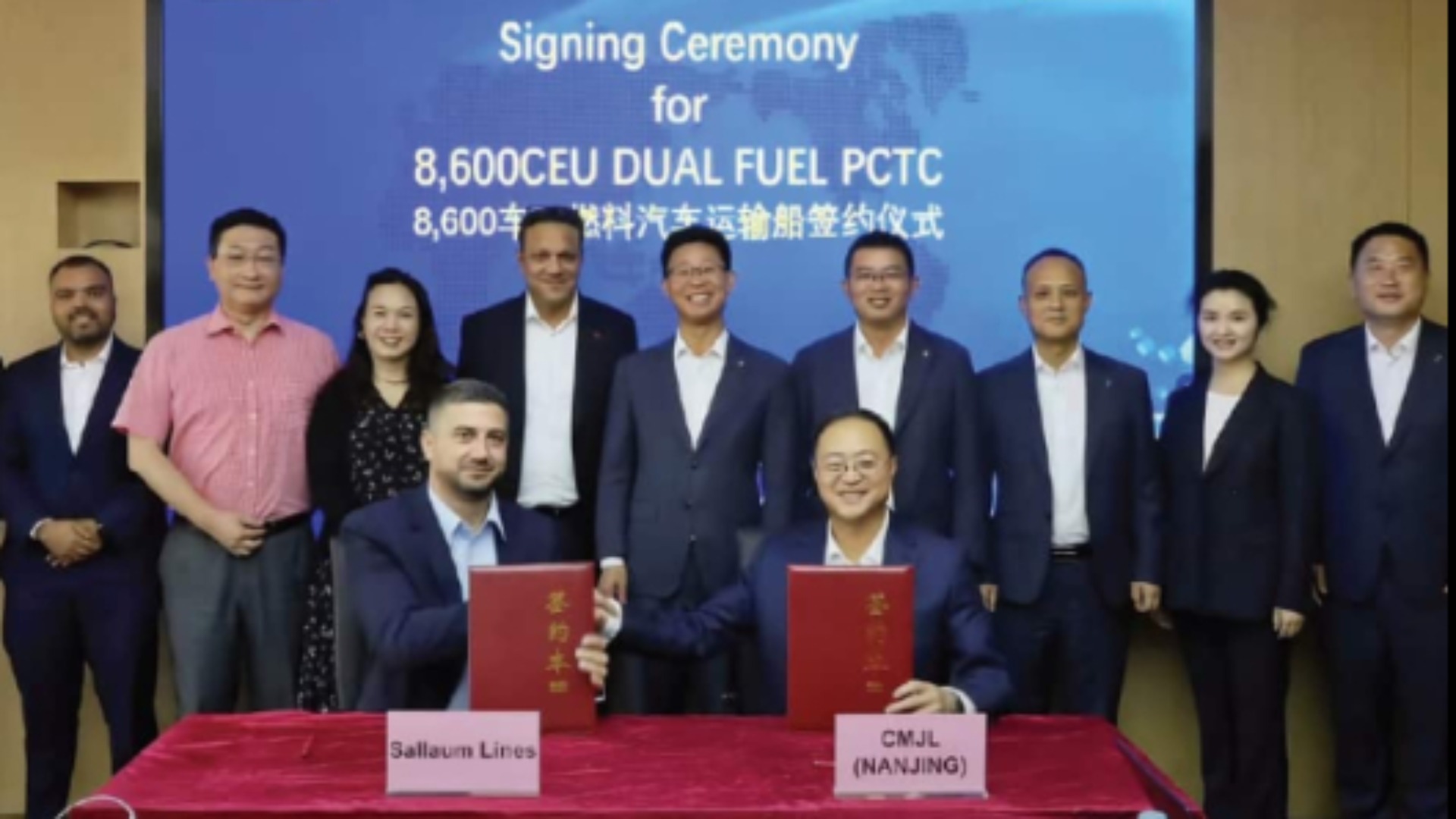
Sallaum Lines has announced a new shipbuilding agreement with China Merchants Shipyard for one firm plus one optional 8,600 CEU PCTC, only weeks after placing a separate 2+2 order for the same-size vessels at Xiamen Shipbuilding Industry Co., Ltd.
The new vessel will be equipped with LNG dual-fuel propulsion and designed to be ammonia-ready, with delivery scheduled for 2029.
With this latest contract, Sallaum Lines’ newbuilding programme has expanded to nine vessels, representing an investment of more than USD 850 million. The programme includes four vessels already delivered, two vessels scheduled for delivery in 2026, and three additional large PCTCs planned for 2029.
Why Are Car Carriers Becoming One of Shipping’s Hottest Segments?
The PCTC sector has entered a new growth cycle after years of limited fleet expansion.
Unlike container ships or bulk carriers, car carriers operate in a highly specialized market. The global deep-sea PCTC fleet consists of only around several hundred vessels, with limited availability of modern large-capacity ships.
At the same time, demand has been transformed by major changes in global automotive trade.
China’s rapid growth as the world’s largest vehicle exporter has become a key driver. Increasing volumes of:
electric vehicles;
passenger cars;
commercial vehicles;
construction machinery;
agricultural equipment;
are creating new demand for international vehicle transportation capacity.
The automotive trade today is no longer simply about moving finished cars from traditional manufacturing hubs to mature markets. It is increasingly about connecting new production centers, emerging markets, and global supply chains.
8,600 CEU: The New Generation of PCTC Capacity
Large PCTCs have become one of the preferred choices for leading operators.
An 8,000+ CEU vessel provides greater economies of scale while offering the flexibility required to carry a wider range of rolling cargo.
For automotive manufacturers and logistics providers, modern PCTCs must deliver more than capacity. They need:
reliable schedules;
lower emissions;
operational flexibility;
the ability to handle different cargo profiles.
Sallaum Lines’ continued investment in 8,600 CEU vessels reflects this market trend — future competitiveness will depend not only on owning ships, but on owning the right ships.
Chinese Shipyards Become Key Players in the PCTC Market
One of the most notable developments behind the current PCTC ordering cycle is the growing role of Chinese shipyards.
Historically, Japan and South Korea dominated the car carrier newbuilding sector. However, Chinese shipbuilders have rapidly strengthened their capabilities in:
large RoRo vessel construction;
LNG dual-fuel technology integration;
project execution;
supply chain support.
Sallaum Lines’ latest orders at China Merchants Shipyard and Xiamen Shipbuilding highlight the increasing confidence international shipowners have in Chinese shipbuilding capabilities.
As global demand for environmentally efficient car carriers grows, Chinese yards are becoming an increasingly important destination for PCTC investment.
LNG Dual-Fuel Remains the Practical Transition Choice
The new Sallaum Lines vessels will adopt LNG dual-fuel technology with ammonia-ready design.
For many shipowners, LNG represents the most practical pathway currently available for reducing emissions while maintaining operational reliability.
Although future fuel solutions remain under development, ammonia-ready designs provide flexibility for potential future conversion as alternative fuels mature.
This approach reflects the current reality of shipping’s energy transition: investing in vessels that can operate efficiently today while remaining adaptable for tomorrow.
The Bigger Picture: Vehicle Trade Is Reshaping Shipping
The rise of Chinese vehicle exports is creating a new link between the automotive industry and maritime transport.
As automakers expand into global markets, transportation capacity is becoming a strategic part of the supply chain.
The latest wave of PCTC orders shows that shipowners are positioning themselves for a long-term shift in global trade flows.
Sallaum Lines’ latest investment is therefore more than a fleet expansion. It represents a bet on the future of international automotive logistics.
The message from the market is clear: as global vehicle trade grows, modern car carriers are becoming a critical infrastructure connecting manufacturers, ports, and consumers worldwide.

READ MORE
 Car Carriers
BYD Has Bought another 10 More Ships, Says Stella Li,Executive Vice President of BYD
 Car Carriers
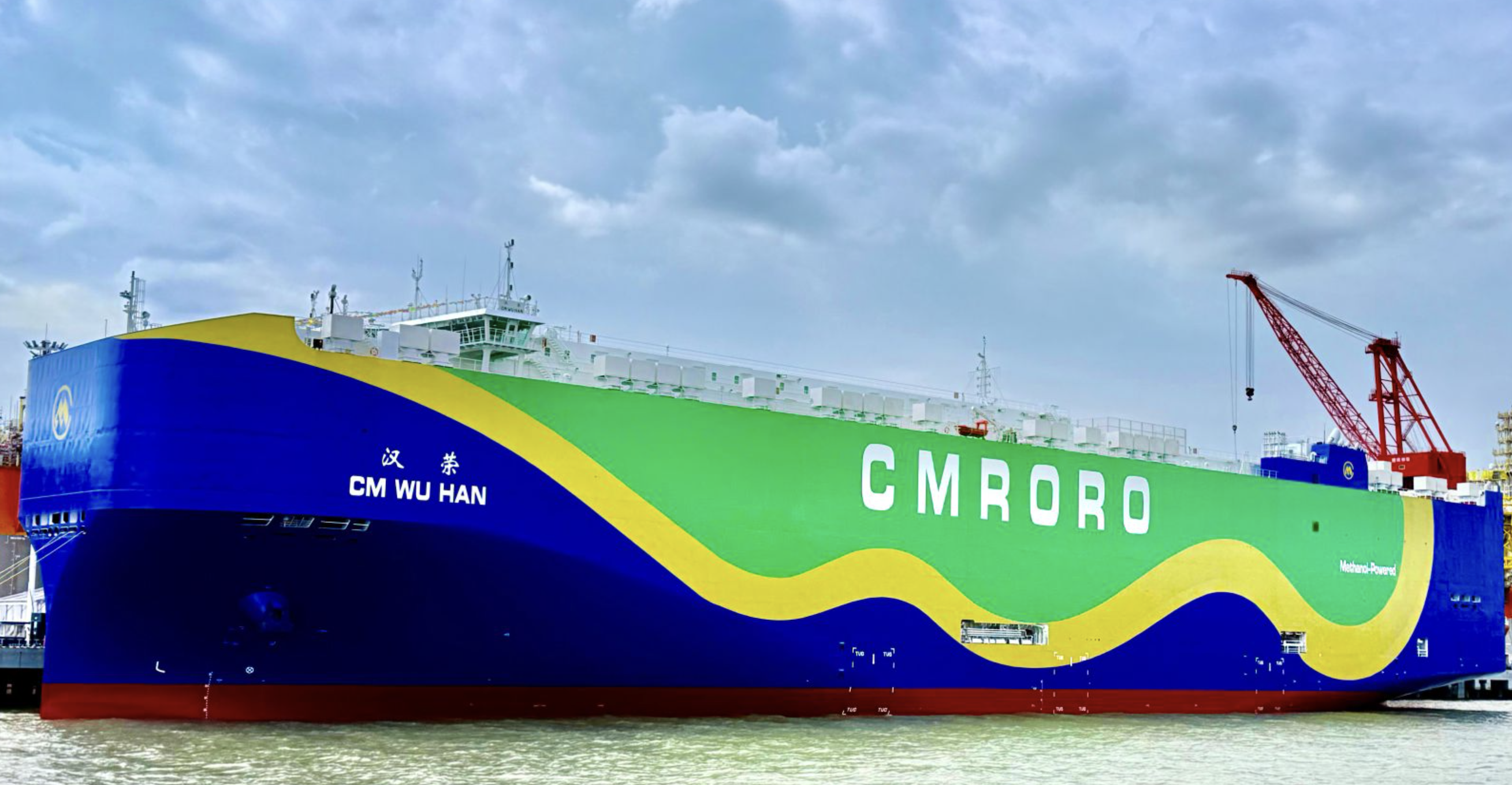
China Merchants Takes Delivery of Methanol Dual-Fuel Car Carrier CM WUHAN
 Car Carriers
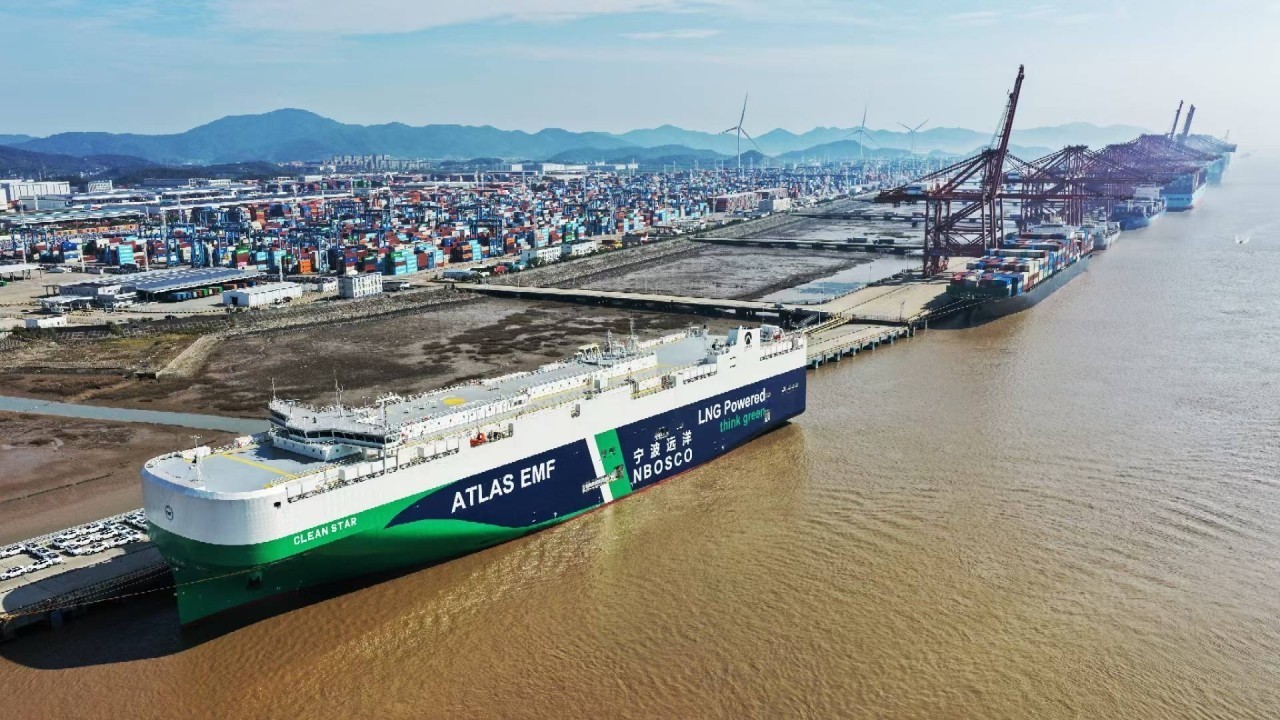
Ningbo Ocean Shipping Plans Two More PCTCs to Expand Its Car Carrier Fleet
 Car Carriers
GCC takes car carrier orderbook to 22 with Changhong deal
 Car Carriers
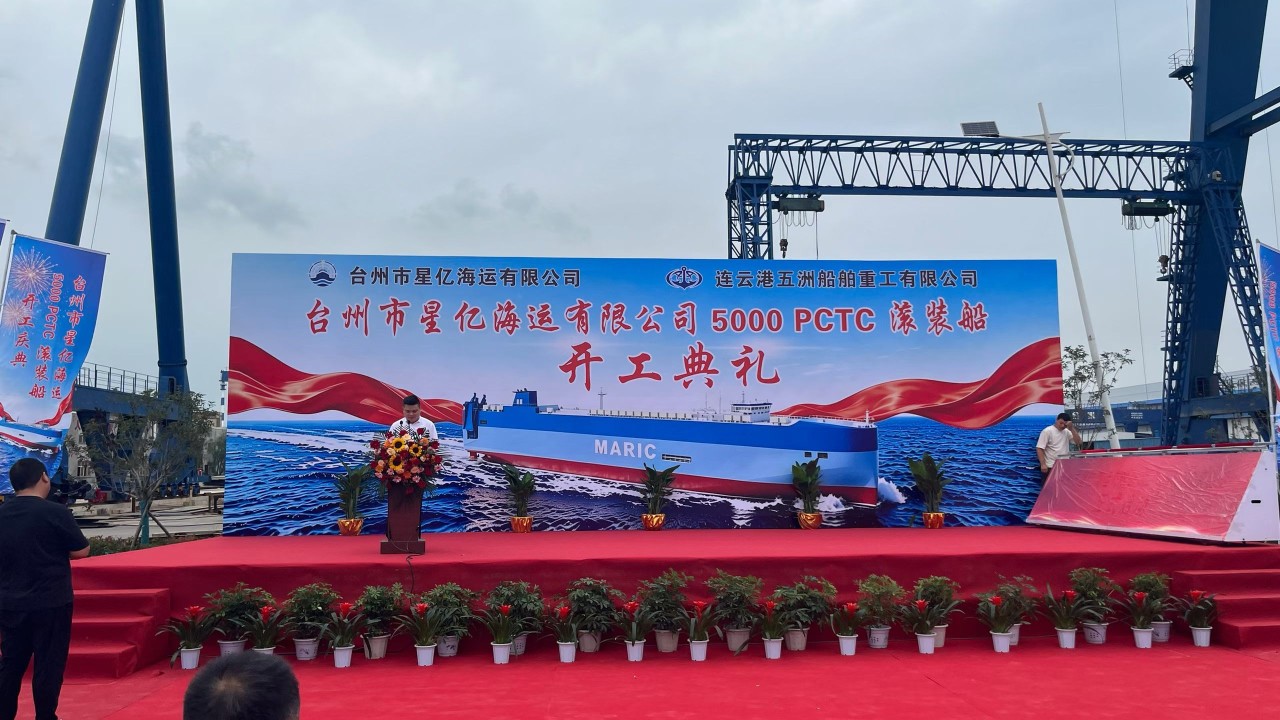
Another Chinese Shipowner Enters PCTC Market — and Another Chinese Yard Moves into 5,000-CEU Construction
 Car Carriers
Up to 26 PCTC! Höegh Autoliners Signs 6 More Aurora Car Carriers with China Merchants
 Car Carriers
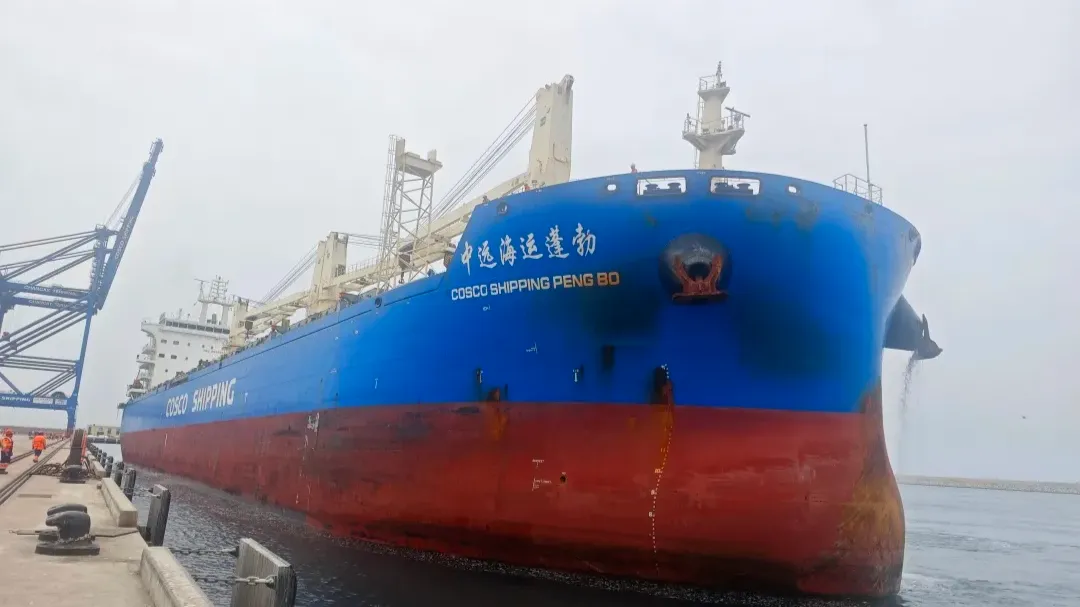
917 Chinese Vehicles Arrive at Chancay as COSCO SHIPPING Expands Rack-Based Auto Logistics
 Car Carriers
BYD Orders Another 10 x 9,200 CEU-CEU Car Carriers?
 Car Carriers
Up to 14 More PCTCs: Höegh Doubles Down on China as Aurora Programme Could Grow to 26 Ships
 Car Carriers