


12 24,000TEU Ultra-large Container Ships Awarded to Yangzijiang Shipbuilding; Private Chinese Shipbuilder Lands US$3 Billion Mega Deal
According to the latest update from shipbroker MB Shipbrokers, Yangzijiang Shipbuilding, a leading private shipbuilder in China, has signed a construction contract with a top-tier liner operator for 12 units of 24,000TEU-class ultra-large container vessels (ULCVs). Based on the latest newbuilding prices from Clarkson Research, the total value of the deal is estimated at around US$3 billion (approximately RMB 20 billion), with deliveries expected to be scheduled around 2030.
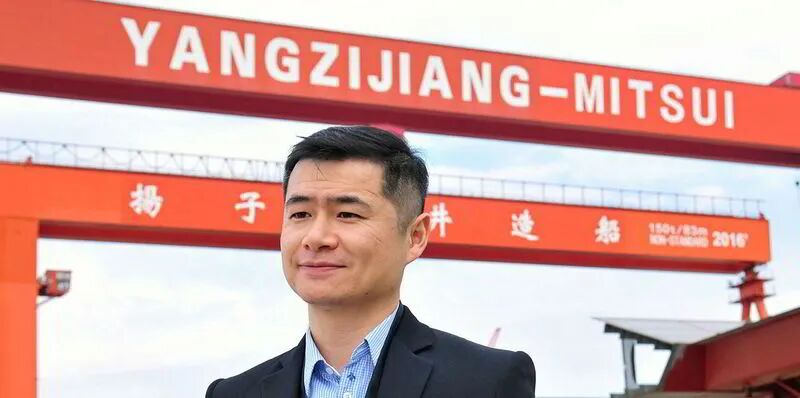

This marks Yangzijiang Shipbuilding’s first order for 24,000TEU-class vessels in three years, as well as its first mega ULCV deal finalized in 2026, reflecting the growing influence of Chinese private shipbuilders in the global ultra-large container ship market.
US$3 Billion Deal Secured, Deliveries Slated Through 2030
This order represents the largest ultra-large container ship contract won by a private Chinese shipbuilder since the start of 2026, with key specifications largely confirmed. Per MB Shipbrokers, all 12 vessels are 24,000TEU-class ULCVs, the dominant mega ship type for global trunk liner services.
According to Clarkson’s newbuilding price list released in early September, a single 22,000–24,000TEU container ship costs approximately US$254 million, putting the total value of the 12-ship order at roughly US$3 billion, or about RMB 20 billion.
On delivery schedules, berth slots at leading Chinese shipyards for 2029 have been nearly fully booked, and newbuilding projects are generally locking in construction slots for 2030. Deliveries for some popular green-fuel ship types are even stretched to 2031. Official data from Yangzijiang Shipbuilding shows that as of the end of June 2026, its farthest outstanding order delivery is scheduled for 2030.
Neither party to the contract has officially disclosed the identity of the shipowner or details such as the vessels’ propulsion configuration.
From Follower to Front-runner: Private Shipbuilders’ Breakthrough in ULCV Construction
As a leader in China’s private shipbuilding sector, Yangzijiang Shipbuilding has gone through a full progression from technology validation to series delivery in its pursuit of breakthroughs in ultra-large container ship construction.
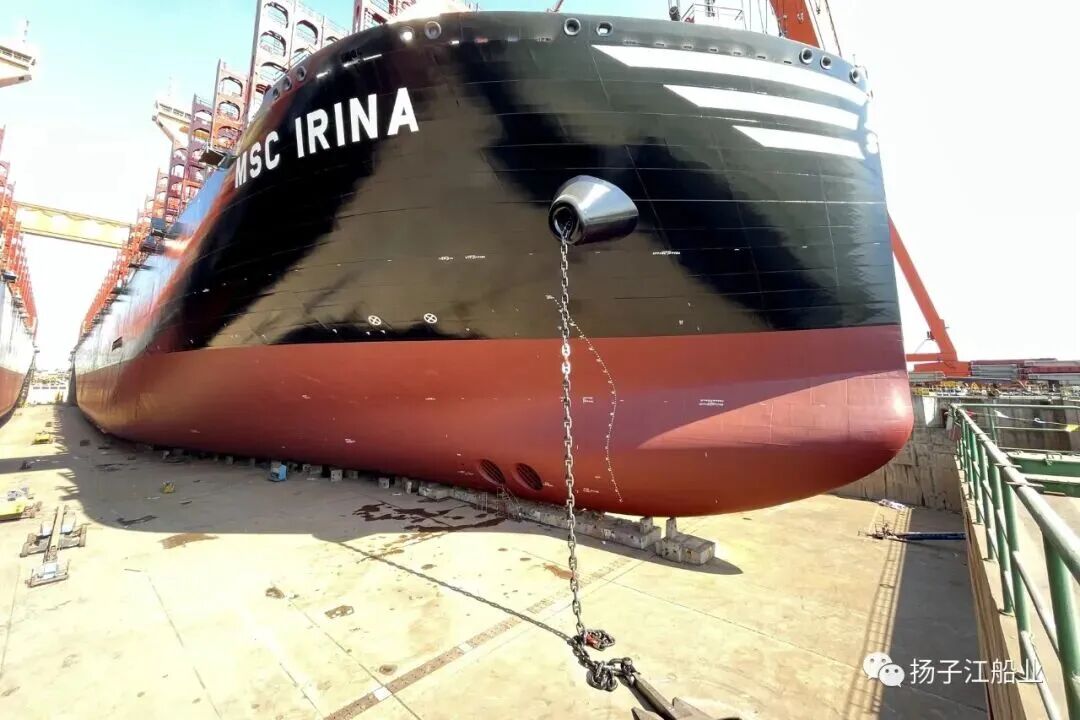
2023 was a pivotal year. In March that year, the first 24,000TEU container ship MSC IRINA built by Yangzijiang for Mediterranean Shipping Company (MSC) was named and delivered, with an actual container capacity of 24,346 TEU. The project marked the first verification of a private Chinese shipbuilder’s capability to construct mega container ships.
 In June 2023, Yangzijiang signed a formal order for 10 24,000TEU LNG dual-fuel container ships with France’s CMA CGM, making it the first private Chinese shipbuilder to undertake 24,000TEU-class dual-fuel container ship construction, and formally earning it a place in the global elite club of ULCV builders.
2026 has seen the intensive delivery phase of the CMA CGM series. On May 15, the lead ship CMA CGM NOTRE DAME was delivered, setting a new delivery record for ultra-large dual-fuel container ships built by private Chinese shipyards. The second vessel of the same type, CMA CGM PANTHEON, was delivered on July 25. Between September 2 and 3, two more sister vessels were successfully floated out at the Yangzi Xinfu shipbuilding base.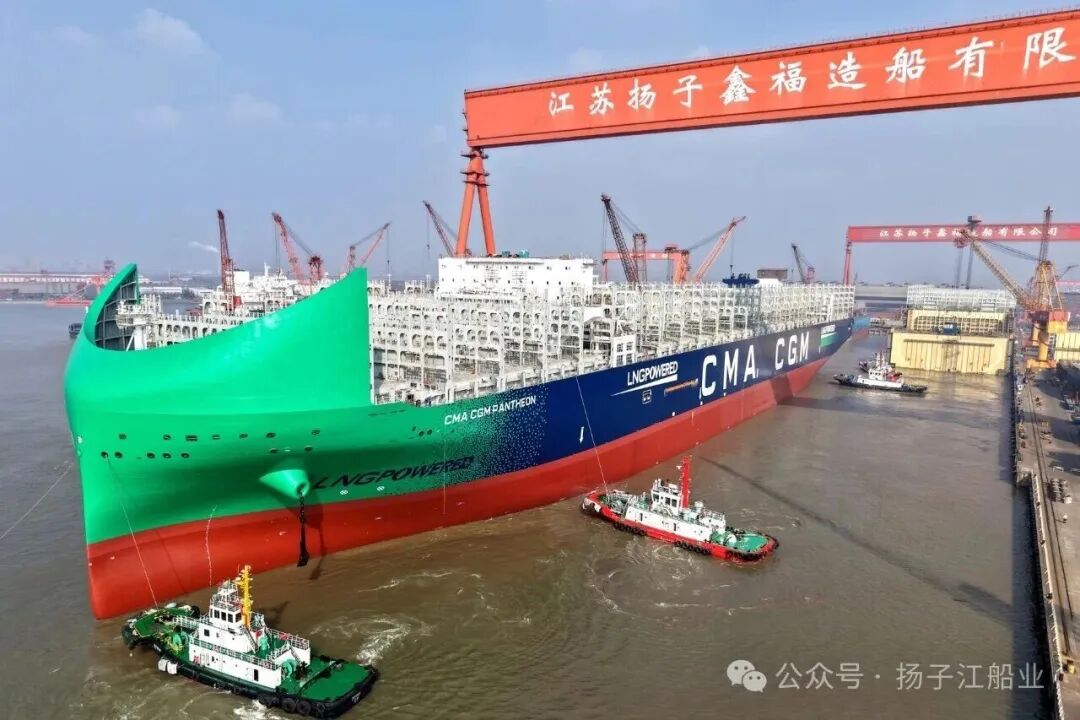
Measuring 399.9 meters in length overall and 61.3 meters in beam, the vessels are equipped with 18,600-cubic-meter membrane-type LNG fuel tanks. They boast a single-voyage endurance of nearly 20,000 nautical miles, covering the full Far East-Europe trade lane. Compared with conventional fuel-oil ships, they reduce CO₂ emissions by around 20% and cut sulphur oxide and particulate matter emissions by 99%, setting a benchmark for green ultra-large container ships globally.
Key Operating Data (First Half of 2026)
Operating revenue: RMB 17.5 billion, up 36.2% year on year
Net profit: RMB 5.4 billion, up 28.4% year on year
Order book: 256 vessels, total value US$22.4 billion
Delivery schedule: covering 2026–2030
Container ship share in order book: approximately 74%
Notably, all container ship orders secured by Yangzijiang Shipbuilding in the first half of 2026 were for small and medium-sized vessels, with the largest specification being only 5,900 TEU. The finalization of this 12-vessel ULCV order not only fills the gap in its large container ship orders for this year, but will also further optimize the vessel type structure of its order book and raise the share of high value-added ship types.
Second-Half Recovery: ULCV Orders Accelerate Shift to China
From a global market perspective, ordering activity for ultra-large container ships was generally sluggish in the first half of 2026. However, since the start of the second half, multiple top-tier liner companies have restarted fleet renewal plans, with orders showing a clear “second-half pickup” trend and production capacity highly concentrated in Chinese shipyards.
Mediterranean Shipping Company (MSC) has been the dominant player in this round of fleet expansion. Since the beginning of 2026, MSC has ordered a total of 44 ultra-large container ships at Chinese shipyards, with a combined value of nearly RMB 56 billion. Among them, 22 units of 22,000TEU LNG dual-fuel vessels were awarded to Hengli Heavy Industry, and 5+5 units of 21,700TEU vessels of the same type were signed with Zhoushan Changhong International, with deliveries concentrated in 2028–2029.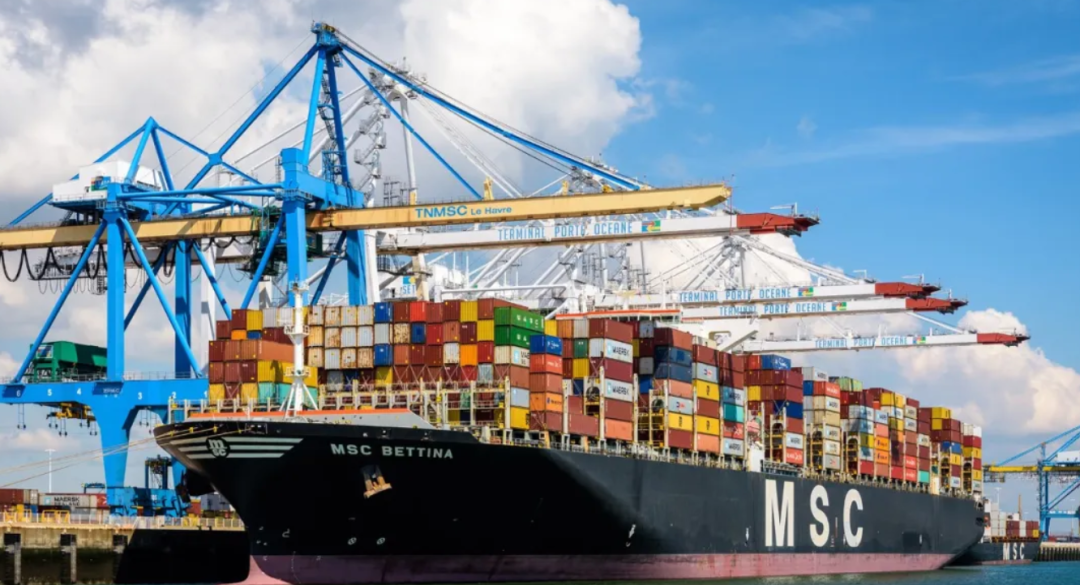
Clarkson data shows that as of the end of August 2026, there are 231 container ships of 17,000 TEU and above under construction worldwide, of which 105 are owned or operated by MSC – a scale that significantly outpaces rivals such as Maersk (24 vessels) and CMA CGM (54 vessels).
Denmark’s Maersk has also recently broken its long-standing conservative strategy, unveiling a 42-vessel dual-fuel container ship procurement plan valued at approximately US$8.9 billion, including 12 units of 24,000TEU-class ULCVs. This will mark Maersk’s first foray into this vessel class. The project is currently in the tendering phase, with Chinese shipbuilders including Hudong-Zhonghua and Dajin Heavy Industry competing against South Korea’s Hanwha Ocean. Chinese shipyards are widely favored in the industry thanks to their abundant dock resources and more favorable delivery schedules.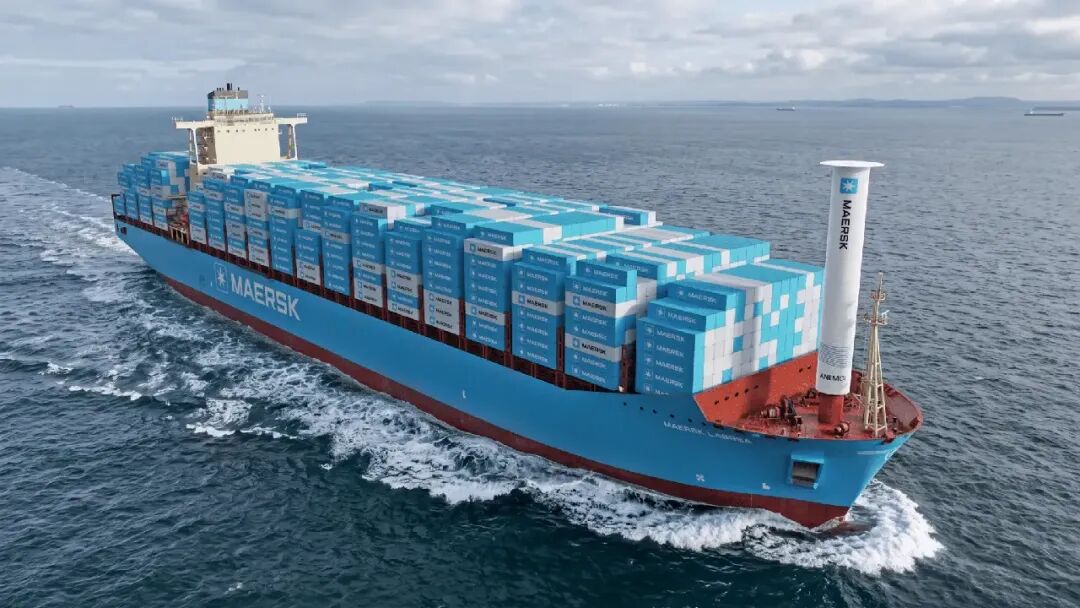
In addition, an order for 11 24,000TEU methanol dual-fuel container ships from Evergreen Marine was finalized in April this year, with 6 units awarded to South Korea’s Hanwha Ocean and 5 units to China’s Guangzhou Shipyard International. COSCO Shipping Holdings and OOCL have also finalized orders for 12 18,000TEU and 12 13,600TEU large container ships respectively this year, with Chinese shipbuilders remaining the core contracting force.
Monthly Clarkson data shows that global newbuilding order volumes declined month on month in July 2026, but long-term demand for ultra-large container ships remains robust. Capacity reallocation needs driven by Red Sea route disruptions, global shipping green compliance pressures, and the drive to optimize unit slot costs on trunk routes are all supporting top liner companies’ willingness to renew their large vessel fleets. With its complete industrial supply chain, stable delivery performance and comprehensive technology reserves, China’s shipbuilding industry is taking on the vast majority of global ULCV orders.
Two Defining Trends Emerge, Sustained Industry Prosperity Expected
The finalization of Yangzijiang Shipbuilding’s 12-vessel ULCV order is not only an operational breakthrough for a single enterprise, but also reflects two definitive development trends in the global shipbuilding industry.
First, green propulsion routes are diversifying, with LNG and methanol advancing in parallel. Currently, LNG dual-fuel remains the mainstream propulsion choice for ULCVs, but methanol dual-fuel is gaining penetration at a faster pace. Leading shipowners generally adopt a “dual-track layout” strategy to cope with future uncertainty over fuel pathways. Chinese shipbuilders have fully mastered the construction and integration technologies for both propulsion systems, enabling them to quickly respond to diverse market demands.
Second, global production capacity is further concentrating in China, with private shipbuilders joining the first tier. Constrained by factors such as dock dimensions and technological route iterations, major South Korean shipyards have gradually withdrawn from direct competition in the 24,000TEU-class vessel segment, leaving Chinese shipyards in an absolute dominant position in this field.
Represented by Yangzijiang Shipbuilding and Hengli Heavy Industry, private Chinese shipbuilders have broken out of the traditional small and medium-sized vessel segment through flexible business mechanisms and continuous technology investment. They have successfully entered the core competitive circle of ultra-large container ships, forming a pattern of complementary strengths with state-owned shipyards.
Overall, as top liner companies roll out their fleet renewal plans in the second half of the year, a new wave of growth in ultra-large container ship orders is expected. Against the backdrop of tight berth resources and continuously delayed delivery schedules, Chinese shipyards that have locked in high-quality production capacity in advance will continue to benefit, and the current high prosperity cycle of the shipbuilding industry is set to be extended further.

READ MORE
 Shipbuilding
Schoeller Returns to Chengxi for Four More MRs as China Gains Ground on Korea
 Shipbuilding
China‘s Dajin Builds Its Own Fleet as Shipbuilding Orderbook Reaches RMB 12 Billion
 Shipbuilding
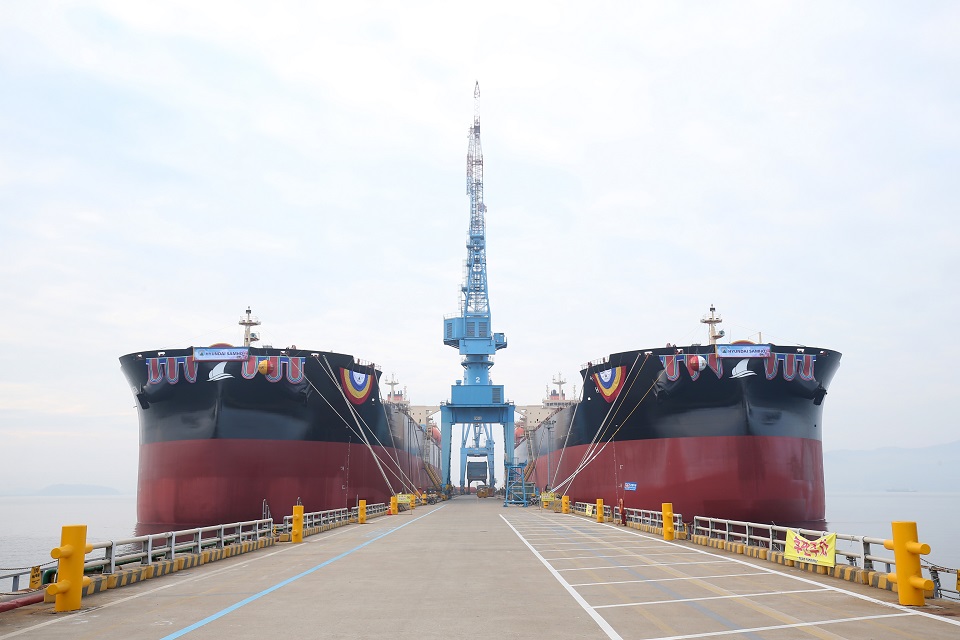
H-Line Ends Five-Year Bulker Ordering Hiatus With POSCO-Linked LNG Pair at New Times
 Shipbuilding
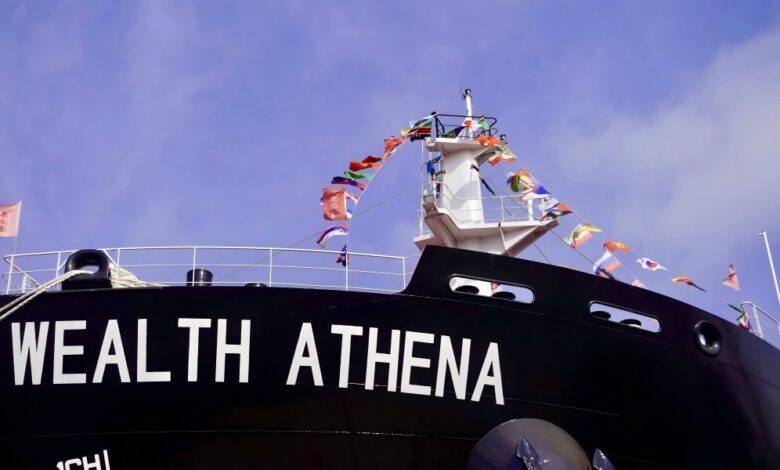
Wealth Holdings builds three-tier MPP fleet with up to 18 China newbuilds
 Shipbuilding
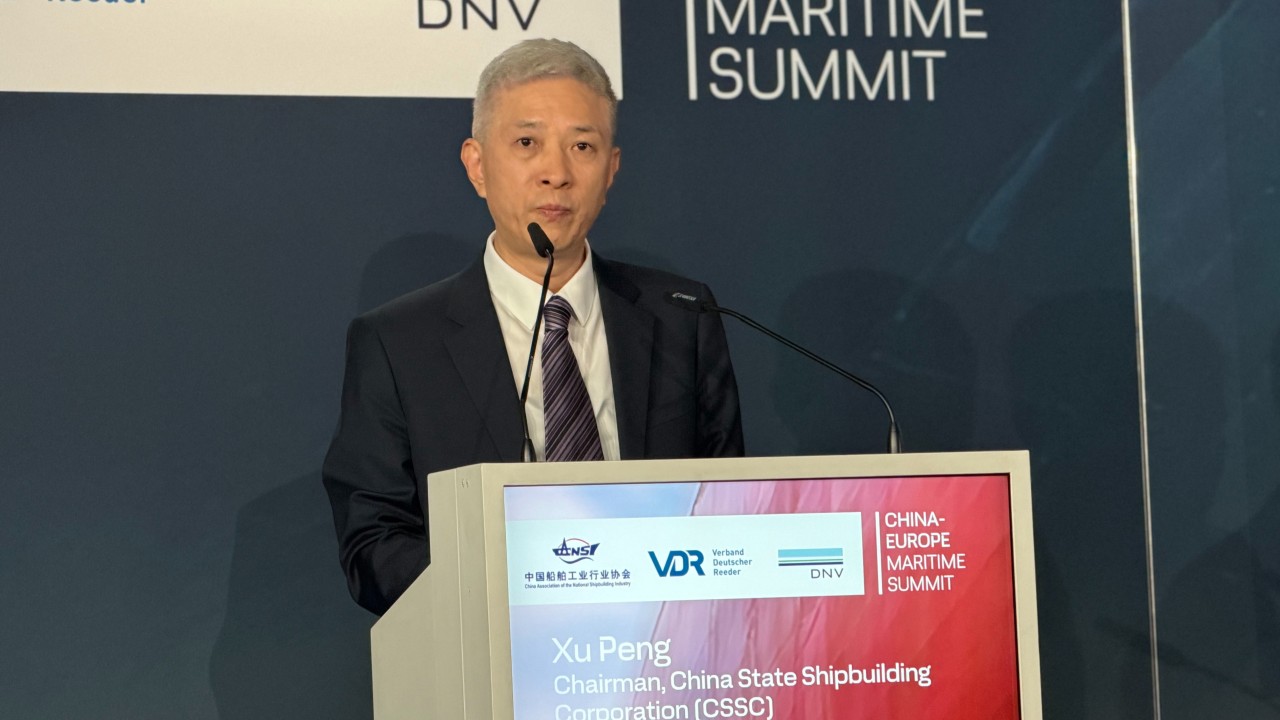
Chair of CSSC Xu Peng Calls for Broader Full-Value-Chain Maritime Cooperation Between China and Europe
 Shipbuilding
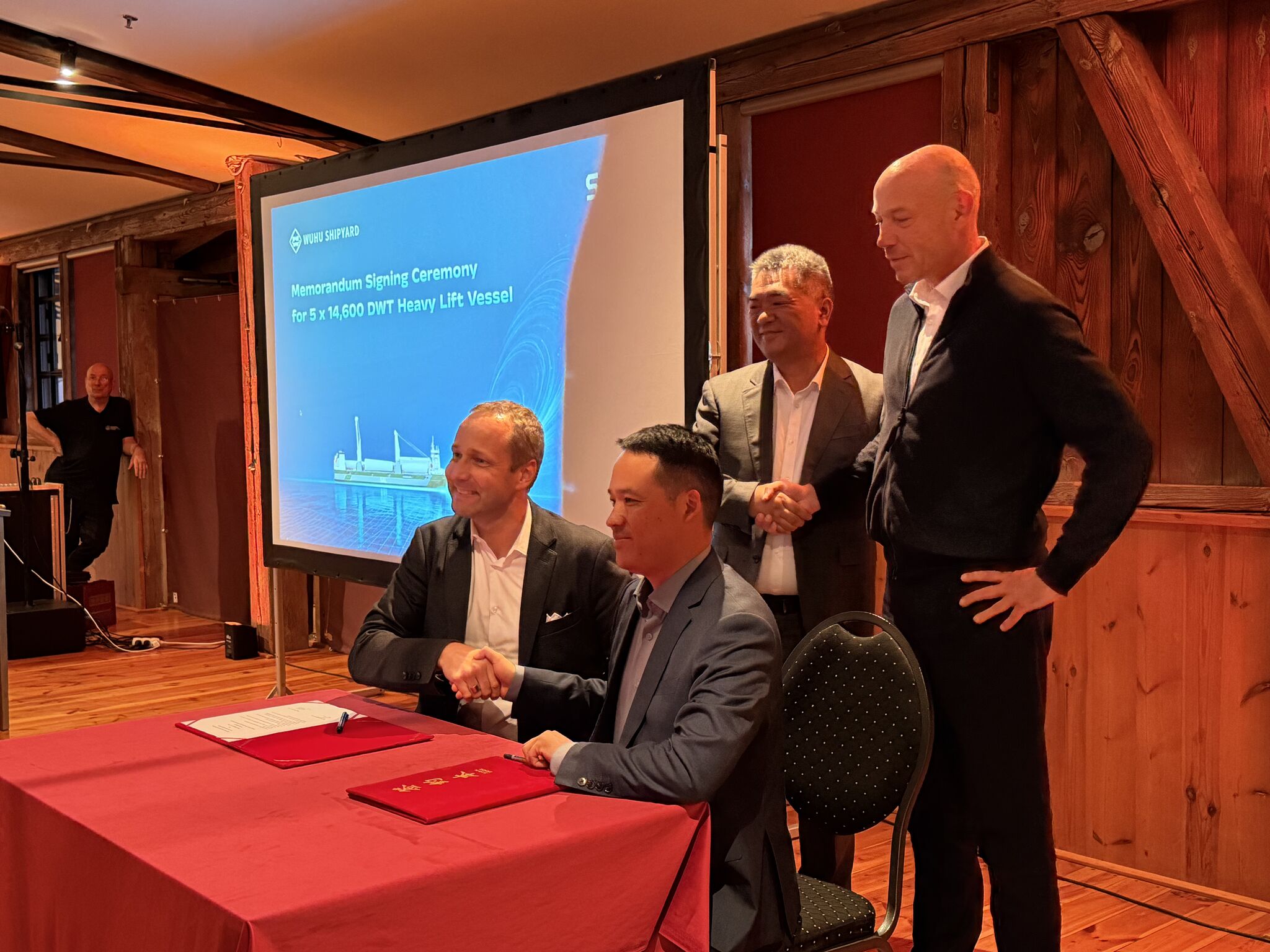
SAL Moves to Double Orca Heavy-Lift Series at Wuhu With Five-Vessel MoU
 Shipbuilding
Alpha Bulkers Linked to Two More Newcastlemaxes at Hengli
 Shipbuilding
From a 150-Year Greek Shipping Dynasty to Hengli: Carlova Maritime Opens a New Dry-Bulk Chapter
 Shipbuilding
China’s Shipyards Are Selling 2030 Slots as New Orders Hit Record Highs
 Shipbuilding